
Digital streaks have evolved from simple engagement metrics into a cornerstone of modern software design, fundamentally altering how users interact with technology. At its core, a streak is defined as the number of consecutive days a user completes a specific activity within an application. While the concept appears straightforward, its implementation leverages complex behavioral psychology to drive user retention. Industry data suggests that these systems are remarkably effective; when the language-learning platform Duolingo introduced iOS widgets to display user streaks prominently on home screens, the company reported a 60% surge in user commitment. This shift demonstrates that streaks are not merely records of activity but are powerful psychological triggers that can dictate daily routines and long-term habits.
The Psychological Pillars of Persistence
To understand the efficacy of streak systems, one must examine the cognitive biases that govern human decision-making. Researchers identify three primary psychological principles that sustain the "addictive" nature of consecutive activity: Loss Aversion, the Fogg Behavior Model, and the Zeigarnik Effect.
Loss Aversion is perhaps the most potent driver of streak maintenance. Developed by psychologists Daniel Kahneman and Amos Tversky, this theory posits that the pain of losing something is psychologically twice as powerful as the pleasure of gaining an equivalent item. In the context of a digital streak, as the number of consecutive days grows, the user’s focus shifts from the reward of the activity itself to the fear of losing the accumulated "effort" represented by the number. A user with a three-day streak on a fitness app might feel little pressure to continue, but a user with a 200-day streak is often driven by an intense desire to protect their investment. At this stage, the streak becomes a component of the user’s identity, making the prospect of a reset to zero emotionally taxing.
The Fogg Behavior Model, summarized by the equation B=MAP (Behavior = Motivation, Ability, Prompt), explains how streaks are initiated and maintained before they reach a critical mass. For a behavior to occur, three elements must converge:
- Motivation: The user’s desire to perform the task.
- Ability: The ease with which the task can be completed.
- Prompt: A trigger that reminds the user to act.
Effective streak designs prioritize "Ability" by making the daily requirement remarkably small—such as completing one five-minute lesson or standing for one minute every hour. By lowering the barrier to entry, designers ensure that even on days when "Motivation" is low, the user can still maintain their streak. The "Prompt" often takes the form of push notifications or red badges. Experiments conducted by growth hackers have shown that a simple red notification badge can increase daily active users (DAU) by as much as 6%, illustrating the power of the prompt in the behavioral equation.
Finally, the Zeigarnik Effect describes the human tendency to remember uncompleted or interrupted tasks more clearly than completed ones. A streak creates an "open loop" in the user’s mind. Each day represents a task that must be checked off to close the loop for that 24-hour cycle. This creates a persistent mental nudge that keeps the application at the forefront of the user’s consciousness.
Chronology of Gamification in Software Design
The integration of streaks into mainstream software did not happen overnight. The timeline of this design evolution highlights a shift from recreational gaming to productivity and education:
- Late 2000s: Video game platforms like Xbox Live and Steam begin using "Achievements" and "Daily Login Bonuses" to encourage consistent play.
- 2011-2012: Education and fitness apps like Duolingo and Fitbit begin experimenting with "daily goals," translating gaming mechanics into self-improvement tools.
- 2015: Snapchat introduces "Snapstreaks," a feature that tracks consecutive days of communication between friends. This marked a turning point where streaks became social currency, particularly among younger demographics.
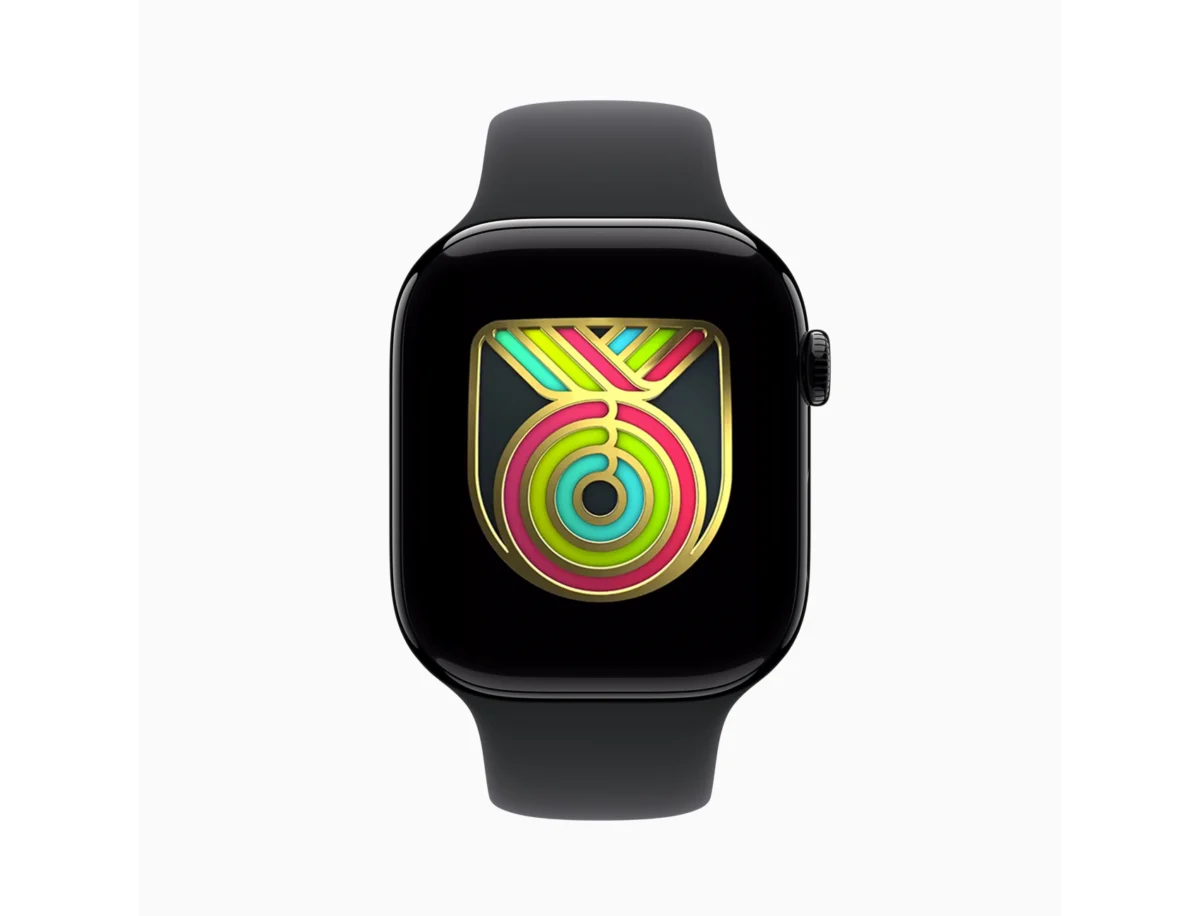
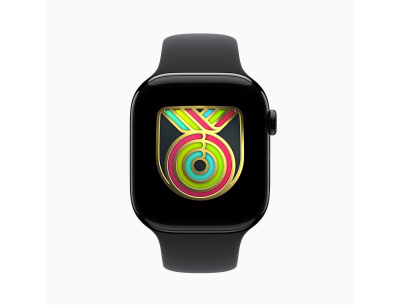
- 2018-Present: Professional tools like GitHub (contribution graphs) and Apple Fitness (Activity Rings) normalize streaks in the workplace and health sectors, making them a standard UX pattern across the digital economy.
The Ethical Boundary: Habit versus Compulsion
As streaks become more prevalent, industry analysts and ethicists have raised concerns regarding the "dark side" of these systems. There is a thin line between fostering a healthy habit and inducing a compulsion. A healthy habit is characterized by an automatic, positive action that serves a long-term goal. Conversely, a compulsion is a behavior driven by anxiety or the fear of negative consequences.
Critics argue that some applications use streaks as "dark patterns"—design choices that trick or coerce users into behaviors that may not be in their best interest. When a user feels guilty, exhausted, or anxious about a streak, the system has shifted from encouragement to pressure. Some users have reported feeling "nothing without their streak," indicating that their self-worth has become tied to an arbitrary digital counter. Ethical design requires a balance where the system provides "grace" and recognizes that life is unpredictable. Designers are increasingly encouraged to ask whether their products are solving a user’s problem or merely profiting from the anxiety the product itself created.
UX Principles for Effective Streak Systems
To build a streak system that is both effective and ethical, designers follow several core principles:
1. Frictionless Participation: The required daily action must be as small as possible. In a meditation app, the requirement should be a one-minute session rather than twenty minutes. This ensures the streak is resilient to the user’s fluctuating daily schedule.
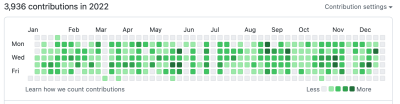
2. Visual Feedback and Milestones: Humans are visual learners. Systems that use progress rings, checkmarks, or heat maps—like GitHub’s contribution grid—provide tangible evidence of effort. Celebrating milestones (e.g., 7 days, 30 days, 365 days) with animations or digital rewards reignites the user’s sense of achievement.
3. Strategic Timing of Prompts: Data indicates that the timing of notifications significantly impacts engagement. Fitness apps typically see higher success rates with early morning prompts (7:00 AM – 8:00 AM), while productivity and learning apps often perform better in the early afternoon. The "red dot" on an app icon serves as a persistent visual prompt; studies show the average person unlocks their phone 50 to 150 times a day, making the app icon a high-frequency touchpoint.
4. Grace Mechanisms: To prevent the demoralizing effect of a total reset, modern systems incorporate "Streak Freezes" or "Grace Windows." These allow users to miss a day due to travel, illness, or emergencies without losing months of progress. Providing a two-hour buffer past midnight or allowing users to "earn" a day off through extra activity are common methods to maintain user morale.
Technical Challenges and Infrastructure
Building a reliable streak system involves significant technical complexity, particularly regarding global time management and data integrity.
The Timezone Dilemma: Developers must decide what constitutes a "day." Using a global standard like Coordinated Universal Time (UTC) can lead to unfairness; a user in California might have eight more hours to complete a task than a user in London. The industry standard is to define a day based on the user’s local timezone. This requires the application to accurately track and update the user’s location, especially for those who travel frequently.
Validation and Security: To prevent cheating—such as users manually changing their device clock to "backdate" activity—all streak logic must be validated on the server side. The server acts as the single source of truth, ensuring that events are recorded with accurate timestamps that cannot be easily manipulated by the client-side device.
Resilience and Recovery: Server downtime or network failures can inadvertently break a user’s streak, leading to significant frustration and potential churn. Robust systems include "admin backdoors" that allow customer support teams to manually restore streaks if a technical error is identified.
Broader Impact and Future Outlook
The proliferation of streak systems has broader implications for the "attention economy." By successfully gamifying mundane tasks, developers have discovered a way to maintain high Daily Active User (DAU) counts, which is a primary metric for venture capital valuation. However, as "streak fatigue" sets in among consumers, the next generation of these systems is expected to become more personalized.

Future iterations of streak systems may utilize artificial intelligence to adjust daily goals dynamically based on a user’s stress levels, calendar commitments, or biometric data. For instance, a fitness app might automatically reduce a "Move" goal if it detects the user is ill or has had a particularly demanding workday.
In conclusion, digital streaks represent a sophisticated intersection of psychology and technology. While they are unparalleled tools for driving engagement and building positive habits, they carry the risk of creating unnecessary stress. The future of UX design lies in creating "empathetic" streak systems that celebrate human progress while allowing for human imperfection. As the digital landscape becomes increasingly crowded, the apps that succeed will be those that use these psychological triggers to empower users rather than enslave them to a metric.

