
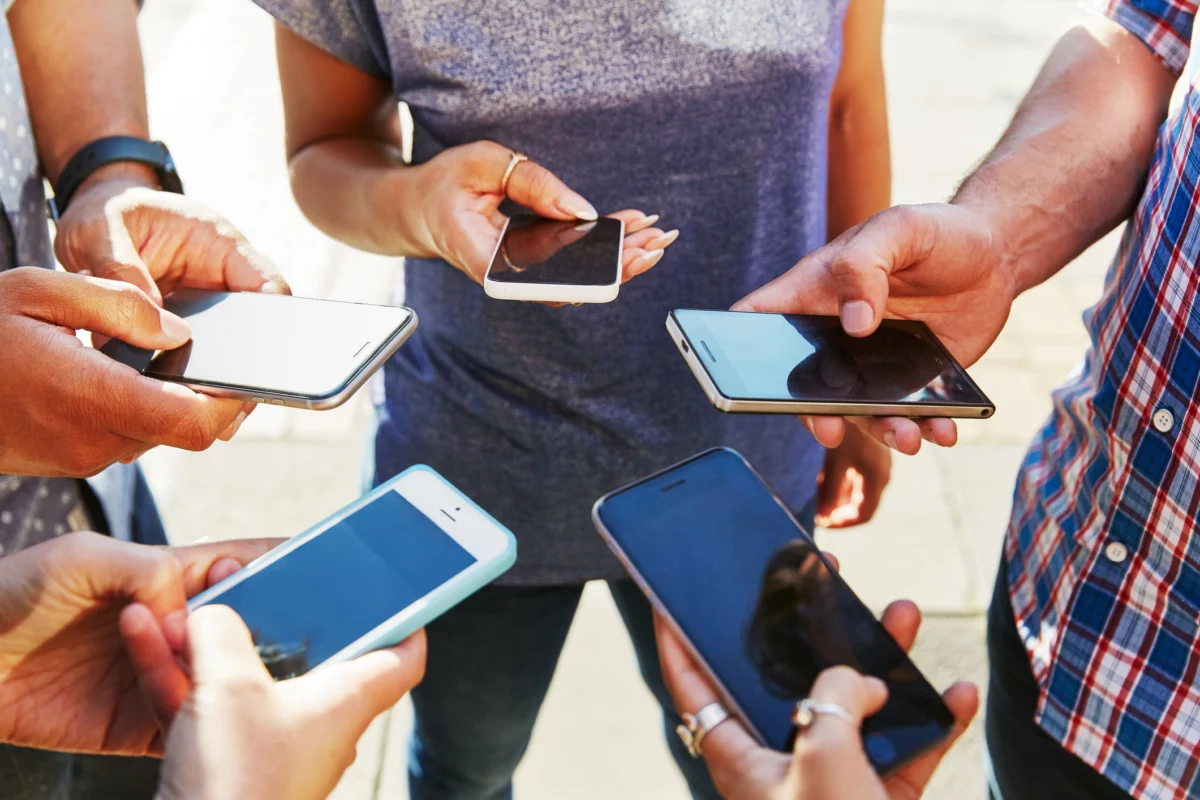
In recent years, a profound societal shift has seen individuals increasingly seek novel avenues for forming platonic connections, a direct response to the escalating prevalence of loneliness and social isolation. This growing concern reached a critical juncture in 2023 when the U.S. Surgeon General formally declared loneliness a public health crisis, highlighting its severe implications for individual well-being and broader community health. The call for meaningful friendships resonates across diverse demographics, from remote workers yearning for the incidental social interactions once commonplace in office environments to younger generations actively endeavoring to forge adult social circles anchored in shared interests and hobbies. This burgeoning demand has catalyzed a new wave of digital innovation, giving rise to specialized applications dedicated to fostering genuine friendships and cultivating vibrant local communities.
The widespread adoption of online dating applications has significantly eroded the historical stigma associated with seeking connections digitally. This normalization has paved the way for friendship-focused platforms to flourish, offering a structured yet organic approach to social networking. Data from Appfigures reveals the remarkable growth of this nascent sector: over a dozen local-focused friendship apps have collectively generated approximately $16 million in consumer spending in the U.S. so far this year. Furthermore, these platforms have amassed an impressive 4.3 million downloads in 2025 alone, underscoring a strong market appetite for dedicated friendship-building tools. This surge in engagement and expenditure indicates a clear willingness among consumers to invest time and resources into combating social isolation through technological means.

These innovative applications offer a less daunting and more intentional alternative to traditional methods of meeting new people, such as spontaneously approaching strangers in public spaces like gyms or cafés. By design, these platforms explicitly signal that all participants are on the app for the singular purpose of forging friendships, unequivocally distinguishing themselves from romantic pursuits. This transparent intention significantly lowers the barrier to initiating conversations and forming new bonds, creating an environment of mutual understanding and shared objectives. From established giants like Meetup, which pioneered online community building, to innovative newcomers such as 222, the landscape of friendship apps is expanding rapidly, catering to a diverse array of needs and preferences. Below is a comprehensive overview of prominent applications currently addressing this critical demand for meaningful human connection.
The Public Health Crisis of Loneliness: Context and Impact
The declaration by the U.S. Surgeon General in 2023 was not merely a statement but a stark recognition of a pervasive public health issue with far-reaching consequences. Studies have consistently linked chronic loneliness to a heightened risk of various adverse health outcomes, including heart disease, stroke, dementia, depression, and anxiety. The impact is comparable to that of smoking 15 cigarettes a day, emphasizing the urgency of addressing this silent epidemic. Several factors contribute to this crisis. The widespread adoption of remote work, accelerated by the COVID-19 pandemic, has diminished daily face-to-face interactions, leaving many professionals feeling isolated despite their productivity. Younger individuals, often navigating new cities for careers or education, face the unique challenge of building entirely new social infrastructures from scratch, distinct from the established networks of childhood and college. Moreover, the increasing reliance on digital communication, while offering convenience, can sometimes paradoxically deepen feelings of isolation if not balanced with genuine in-person interactions. This multifaceted problem has created a fertile ground for technological solutions that bridge the gap between digital convenience and authentic human connection.

A Market Overview: Growth and Investment in the Friendship Economy
The $16 million in consumer spending and 4.3 million downloads reported by Appfigures for local-focused friendship apps in 2025 signify more than just a trend; they represent the emergence of a significant "friendship economy." This financial investment from users indicates a tangible value placed on curated social experiences and facilitated connections. While still a fraction of the multi-billion dollar online dating market, the rapid growth in this niche suggests a substantial untapped demand. Investors and developers are increasingly recognizing the commercial viability of addressing a fundamental human need. The success of early players and the influx of new apps highlight a competitive yet burgeoning market, driven by innovative approaches to matching, event curation, and community building. This economic activity also implies a shift in consumer behavior, where individuals are becoming more proactive and open to utilizing digital tools to enhance their social lives.
Spotlight on Leading Friendship Applications

The landscape of friendship apps is diverse, offering various approaches to help users forge new connections. Each platform boasts unique features and targets specific demographics, reflecting the multifaceted nature of human social needs.
222
The iOS-exclusive social events platform, 222, distinguishes itself by meticulously curating in-person meetups. Its core mechanism involves pairing groups of strangers based on the results of a proprietary personality test, aiming for compatible social dynamics. Once matched, participants receive invitations to nearby public social events, ranging from sophisticated wine bars to lively comedy clubs. A notable aspect of 222’s process is its selective vetting, where chosen participants are notified on the day of the event, adding an element of anticipation and exclusivity. Recognizing the potential for social anxiety, the app thoughtfully permits users to bring a plus-one, easing the initial pressure of meeting an entirely new group. The service operates on a paid model, charging a $22.22 curation fee per event or offering a monthly subscription at the same price, indicating a premium service for those seeking tailored social experiences.
BFF (by Bumble)
Bumble, a major player in the dating app space, strategically entered the friendship arena in 2016 with its friend-finding feature, which subsequently spun out into a dedicated standalone BFF app in 2023. This evolution underscores the growing importance of platonic connections within the broader social networking ecosystem. The BFF app recently underwent a significant redesign, placing an amplified emphasis on facilitating group meetups and fostering community building. This strategic pivot aligns with users’ expressed desires to expand their social circles through collective activities rather than solely one-on-one interactions. Available for free download on both iOS and Android devices, BFF leverages Bumble’s established user base and interface familiarity, offering a trusted platform for making new friends.

Clyx
Clyx represents an emerging force in group-based social networking, with a strong emphasis on local event discovery. This innovative platform assists users in finding community events by seamlessly integrating data from major ticketing and social platforms like Ticketmaster and TikTok, providing a comprehensive view of local happenings. A distinctive feature of Clyx is its ability to allow users to upload their contact lists, enabling them to see which events their existing friends plan to attend, thus facilitating organic meetups. Furthermore, Clyx incorporates a recommendation engine that suggests other users to connect with at these events, enhancing the potential for new friendships. Currently, Clyx operates exclusively in Miami and London, targeting vibrant urban centers, but it has ambitious expansion plans, with New York City and São Paulo next on its list. The app is accessible on both the App Store and Google Play Store.
Les Amis
Les Amis is a friendship app specifically tailored for women, transgender individuals, and the LGBTQ+ community, creating an inclusive and supportive environment for its users. The app employs AI-driven matching algorithms to connect individuals based on shared interests, subsequently encouraging participation in local events such as pottery classes, book clubs, and wine tastings. A unique aspect of Les Amis is its weekly matching cycle: new matches are made every Monday, allowing users a dedicated window to chat and plan meetups later in the week. Available on iOS and Android, Les Amis has established a strong presence across European cities including Amsterdam, Barcelona, Berlin, Madrid, Paris, and Stockholm. In the U.S., it has launched in Austin and New York, with plans for further expansion into Boston, Miami, and Los Angeles. The app operates on a paid membership model, with fees varying by city, reflecting the localized nature of its curated experiences; for instance, memberships cost $70 in New York and €55 in Amsterdam.
Meetup
A pioneer in the local event-discovery space, Meetup has been connecting millions of users with shared interests since its inception in 2002. This long-standing platform allows users to RSVP to a vast array of events, join groups catering to diverse hobbies, professions, or social causes, and even create their own groups and events. Meetup’s enduring success lies in its robust community features, enabling members to chat with group participants and share updates and photos from gatherings, fostering a sense of belonging and ongoing interaction. Its widespread global presence and extensive network of groups make it a foundational tool for community building and friendship formation.

Meet5
Meet5 is a European community-building app that recently made its debut in the U.S., strategically targeting users over the age of 40. The app’s mission is to facilitate connections among individuals seeking new people in their area and to encourage participation in group activities such as picnics, concerts, and hiking. The app’s rapid traction in the U.S. market is noteworthy, with approximately 777,000 downloads across the App Store and Google Play Store so far, according to Appfigures estimates. This swift adoption highlights a significant demand among the older demographic for dedicated platforms to foster social engagement and combat age-related isolation.
Pie
Pie is a newer entrant in the social app market, leveraging AI to enhance the friend-making process. The app features an AI-driven quiz designed to predict compatibility among users. For each Pie event, individuals who RSVP complete a brief personality assessment. The algorithm then intelligently organizes attendees into small groups of six, who are subsequently added to a group chat within the Pie app. This pre-event interaction allows participants to get acquainted and plan logistics before the actual gathering, reducing awkwardness and fostering a sense of familiarity. Currently, Pie’s availability is limited to Austin, Chicago, and San Francisco. Users can download the app from both the App Store and Google Play Store.
Timeleft
Timeleft offers a unique approach to social connection by organizing weekly dinner dates with groups of strangers. The platform employs a specialized algorithm that matches users based on their age, gender, and personality. Participants are paired with four other individuals, but a deliberate element of mystery is maintained: only minor details, such as occupations and zodiac signs, are revealed the night before the dinner. These curated dinners take place at selected restaurants every Wednesday evening at 7:00 p.m. To facilitate conversation and break the ice, the app provides a game with engaging conversation starters. The experience often extends beyond dinner, with an optional after-party at a local bar. Users can book these dinners online or through the app, with pricing varying by country and restaurant. Participants are responsible for covering their own dinner and drinks, emphasizing a shared, experiential approach to meeting new people.

Washed Up
Launched in early 2026, Washed Up is a social event discovery app specifically designed for residents of the Los Angeles area. Its primary goal is to simplify the process of finding local activities and connecting with new people. The app helps users discover a wide range of local events, from concerts and trivia nights to comedy shows. What sets Washed Up apart is its integrated feature that allows users to connect with others planning to attend the same events. Instead of attending alone, users can create or join "plans"—small group meetups tied to specific events. Users can browse these plans, request to join, chat with the group, and add new friends, making it significantly easier to arrive at events with companions rather than solo. It is currently available for download on the App Store.
Wyzr Friends
Wyzr Friends is an activity-based friendship app specifically designed for adults aged 40 and older. It caters to demographics such as empty nesters, individuals who are divorced, and other users actively seeking to connect with like-minded peers. The app allows users to express interest in potential friends through a "thumbs up or down" system and then arrange in-person activities based on shared interests, ranging from going to the movies to hiking. Wyzr Friends is available on both iOS and Android devices, with a broad international reach, serving users in the U.S., Canada, Australia, Ireland, the Philippines, Singapore, and Mexico, addressing a global need for connection among this age group.
Mmotion
Mmotion, a newly launched friendship app, innovatively combines location tracking with social discovery to help users connect with people nearby and explore new bars and restaurants. Upon joining, users can engage in interest-based groups covering diverse activities like hiking, basketball, or art. A key feature is a map displaying active users, allowing for direct messaging to those in proximity. The app also highlights new venues on the map, making it easy to discover and try out new places. Mmotion is currently exclusive to New York City and available on iOS and Android. Uniquely, users must submit an application for consideration, suggesting a curated user base. The app was launched by Knicks player Miles McBride, adding a touch of celebrity endorsement to its appeal.

Broader Implications and Future Outlook
The burgeoning success of friendship apps signals a significant evolution in how society addresses social needs. The implications extend beyond individual well-being, touching upon community cohesion, mental health infrastructure, and even urban planning. As these platforms grow, they foster hyper-local communities, encouraging participation in local businesses and events. This can lead to more vibrant neighborhoods and stronger social capital.
However, the rise of these apps also presents challenges. Issues of user safety, data privacy, and the authenticity of online profiles remain paramount. Platforms must continually refine their vetting processes and community guidelines to ensure secure and genuine interactions. The potential for algorithmic bias in matching, or the creation of echo chambers, also requires careful consideration. Furthermore, while these apps facilitate initial connections, the onus remains on individuals to cultivate these nascent relationships into lasting friendships.

Looking ahead, the "friendship economy" is poised for continued growth and innovation. We may see more sophisticated AI integrations for even more personalized matching, enhanced virtual reality (VR) or augmented reality (AR) features for pre-meetup interactions, and deeper integrations with smart city initiatives to suggest relevant events and connections. The trend towards niche-specific apps, catering to particular demographics or interests, is also likely to intensify. As loneliness remains a persistent public health challenge, these digital tools are increasingly vital, offering a hopeful pathway toward a more connected and socially resilient future. The journey from digital handshake to enduring friendship is becoming increasingly streamlined, reflecting a profound societal adaptation to contemporary social dynamics.

