
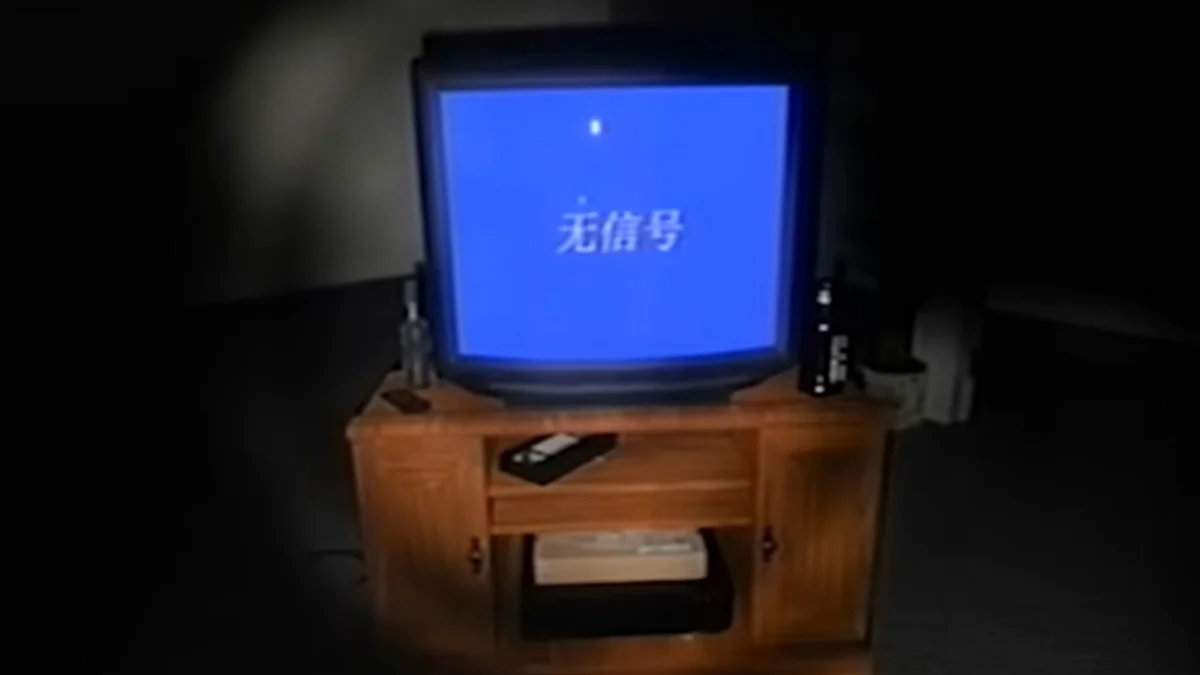
The digital landscape of 2026 has been significantly reshaped by a viral phenomenon known as the No Signal Trend, a multifaceted social media movement that blends cinematic lore, analog horror aesthetics, and user-generated content. Originating from a specific sequence in Kane Parsons’ highly anticipated film, Backrooms: Everything Must Go, the trend has transcended its source material to become a pervasive template for horror and surrealism on platforms like TikTok and YouTube. By utilizing grainy footage, a distinctive bossa nova jazz loop, and a jarring blue screen featuring Chinese characters, creators have tapped into a deep-seated cultural anxiety regarding technology, liminality, and the unknown.
The Cinematic Catalyst: Kane Parsons and the Backrooms Mythos
The genesis of the No Signal Trend can be traced directly to July 3, 2026, with the theatrical release of Backrooms: Everything Must Go. This film represented a milestone for Kane Parsons, known online as Kane Pixels, who had previously revolutionized the "found footage" genre on YouTube with his reimagining of the Backrooms—a fictional creepypasta involving an endless maze of empty, yellow-carpeted office rooms. The "Everything Must Go" edition of the film included an additional 15 minutes of post-credits footage, which Parsons later uploaded to his YouTube channel. This supplemental material quickly garnered over 4 million views within its first month, serving as the primary reservoir for the trend’s visual and auditory assets.
The specific scene that ignited the trend involves a group of researchers within the Backrooms discovering a television set in a desolate room. The television plays a looping, upbeat jazz track while displaying footage that is periodically interrupted by a stark blue screen. At the center of this screen are Chinese characters that translate to "No Signal" (无信号). In the context of the film, this interruption suggests that an external entity or supernatural force is interfering with the broadcast, turning a mundane technical error into a harbinger of dread.
Auditory Foundation: The Role of Liminal Music
Central to the trend’s success is its soundtrack, a specific audio sample identified by researchers and music enthusiasts as "SOULSURPLUS_elevador_melodic_loop_6_piano_chords_bossa_nova_jazz_78_bpm_Bmin.wav." On July 7, 2026, YouTuber IVNB611 posted a recreation of the "No Signal" song, which stripped away the diegetic noise of the film to provide a clean version for content creators. This track, characterized by its smooth piano chords and bossa nova rhythm, is often referred to as "elevator music" or "musiq."
The use of this specific genre is a deliberate choice within the realm of analog horror. Bossa nova and easy-listening jazz are frequently associated with "liminal spaces"—commercial or transitional environments like malls, airports, and hotel lobbies that feel eerie when empty. By pairing this comforting, corporate audio with the disturbing imagery of the Backrooms, the No Signal Trend utilizes cognitive dissonance to heighten the viewer’s sense of unease. The music represents a thin veneer of normalcy that is shattered every time the "No Signal" blue screen appears.
Chronology of Viral Proliferation
The transition from a cinematic easter egg to a global TikTok trend occurred over several weeks in late mid-2026. Following the initial YouTube upload by Parsons in July, the first major adaptation appeared on TikTok on August 4, 2026. User @zaciii11037 posted a video featuring a remix of the "No Signal" track overlaid with Roblox-themed imagery. This iteration, which garnered 1.7 million views in less than a month, demonstrated the trend’s adaptability beyond the strict confines of the Backrooms lore.
By mid-August, the trend had branched into various subcultures. On August 18, TikToker @edensonicmaniagd applied the "No Signal" format to Sonic the Hedgehog footage, utilizing the blue screen to interrupt gameplay in a manner reminiscent of a "glitched" or "haunted" cartridge. This was followed on August 24 by @thesamydonut2, who returned the trend to its roots by creating a "larp edit" using direct footage from the Parsons film, securing over 282,000 views.
In September 2026, the trend reached its peak saturation. On September 1, a version featuring an unofficial mod of The Simpsons appeared, courtesy of user @eli77423. This video tapped into the "Simpsons Analog Horror" niche, a popular subgenre that reimagines the bright, comedic world of Springfield as a site of biological infections and psychological terror. Finally, on September 16, the Minecraft community adopted the trend through user @sunnyydeii, whose video reached 434,000 views by showcasing "Minecraft Horror" interrupted by the signature blue screen.
Analysis of the "No Signal" Screen and Chinese Typography
A significant point of discussion within the community has been the choice of the blue screen and the Chinese text. In the original film, the blue screen serves as a nod to older television technology, specifically the "Blue Screen of Death" or the default no-signal display of 1990s and early 2000s monitors. The inclusion of the Chinese characters "无信号" adds a layer of "otherness" and mystery for non-Chinese speaking audiences, contributing to the "Uncanny Valley" effect.
From a semiotic perspective, the "No Signal" screen represents a breakdown in communication. In the world of the Backrooms, where human beings are isolated from the "front rooms" (the real world), the failure of a television signal is a metaphor for the loss of contact with reality. When TikTokers use this screen to interrupt footage of Roblox or Sonic, they are symbolically "breaking" the digital medium, suggesting that the characters within those games have been "clipped" out of their own reality and into the hostile environment of the Backrooms.
Variations and Community Creativity
The No Signal Trend is notable for its divergent formats. While many creators focus on the "jump-cut" style—where normal footage is suddenly replaced by the blue screen—others have used the audio to narrate "comment section dramas." In these versions, screenshots of social media interactions are shown. Typically, one user posts an image of a beloved character, and a second user responds with a "corrupted" or "dead" version of that character, timed perfectly to the beat of the jazz loop and the appearance of the blue screen.
This evolution shows that the trend is not merely about a single film scene, but about a broader aesthetic language. It allows users to participate in "world-building," where any piece of media—from a children’s cartoon to a modern video game—can be retroactively fitted into the horror mythos of the Backrooms.
Broader Impact on Digital Folklore and Analog Horror
The No Signal Trend represents the latest chapter in the history of "Analog Horror," a genre that gained prominence in the early 2020s through projects like The Mandela Catalogue and Local 58. These works utilize the textures of obsolete media (VHS tracking, low-resolution broadcasts, emergency alert systems) to create a sense of nostalgia-fueled dread.
The success of the No Signal Trend in 2026 indicates that the appetite for this genre has moved from niche internet forums to the mainstream. Kane Parsons’ transition from a digital creator to a filmmaker whose work influences global social media trends highlights the diminishing gap between traditional cinema and internet culture. The trend serves as a form of "digital folklore," where the original story is told and retold by thousands of individuals, each adding their own local or subcultural flavor to the narrative.
Technical Implications and Future Outlook
From a technical standpoint, the No Signal Trend is remarkably easy to replicate, which has contributed to its longevity. The availability of "green screen" templates for the "No Signal" display and the widespread distribution of the audio loop mean that even novice editors can produce high-quality horror content. This democratization of special effects has allowed the trend to remain fresh, as users continually find new ways to subvert expectations.
As 2026 progresses, industry analysts expect the No Signal Trend to evolve into more immersive forms of media, including augmented reality (AR) filters and interactive web experiences. The trend has already sparked a renewed interest in "glitch art" and the aesthetics of failure, suggesting that the "No Signal" screen will remain a potent symbol in the digital lexicon for years to come.
In conclusion, the No Signal Trend is more than a fleeting viral moment; it is a sophisticated intersection of cinematic storytelling and participatory digital culture. By leveraging the specific creative vision of Kane Parsons and the universal language of technical failure, the trend has provided a new framework for how we consume and create horror in the mid-2020s. Whether it is through the lens of a Roblox avatar or a distorted clip of The Simpsons, the message remains clear: even in an age of constant connectivity, the fear of losing the signal remains one of our most potent modern anxieties.

