
In the crowded digital landscape, many bloggers meticulously craft well-structured content, optimize for search engines, and master their blogging platforms, yet find themselves struggling to achieve meaningful success. The often-overlooked element that separates fleeting attention from lasting readership is personality. This intangible quality transforms a blog from a mere repository of information into a compelling connection point for an audience, fostering engagement and impact. Examining the strategies of ten prominent bloggers reveals how they infuse their platforms with unique identities that resonate with their readers.
The Visual Appeal: Storytelling Through Images
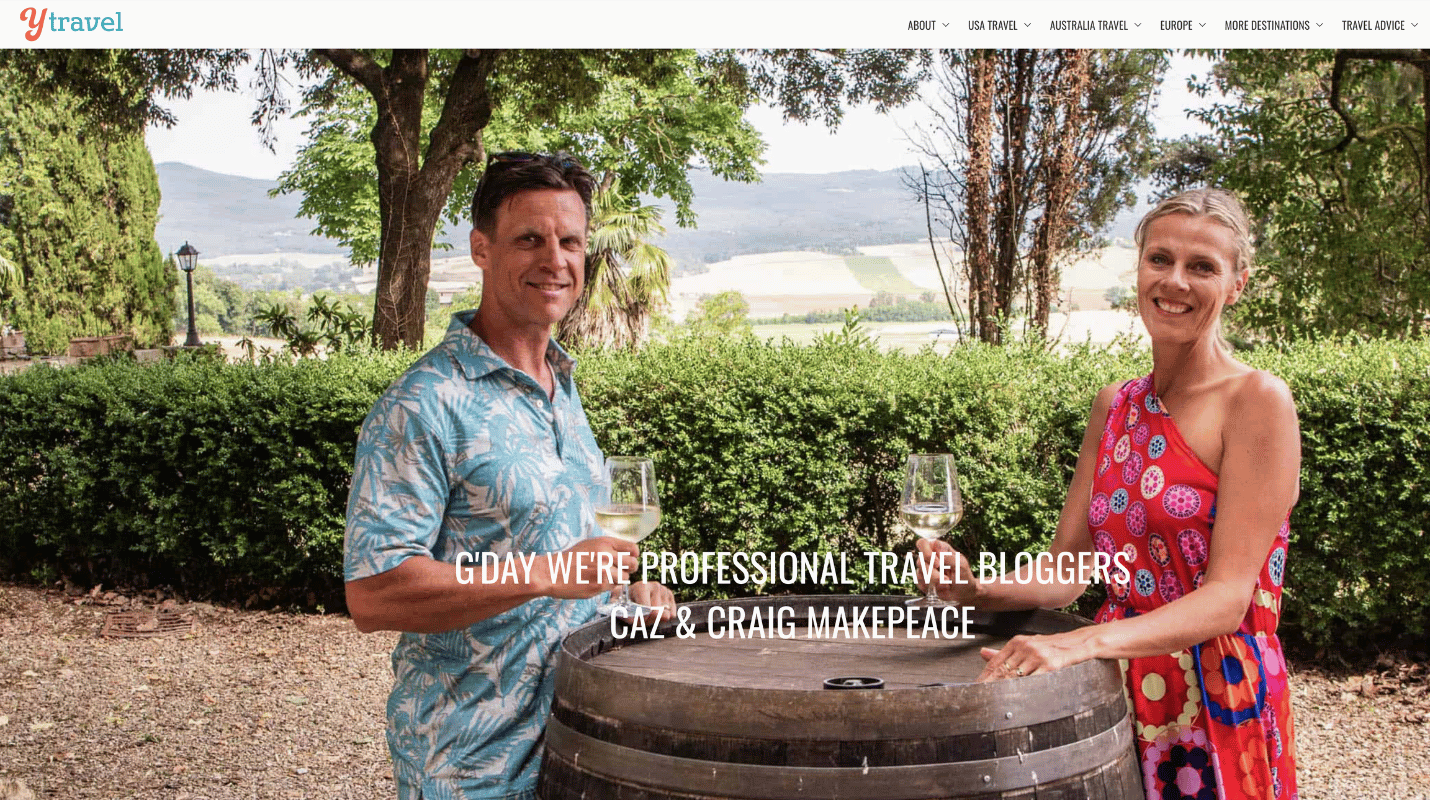
For certain niches, visual content is not just an enhancement but a necessity. Travel blogging, for instance, inherently demands striking imagery to transport readers to distant locales. Caz and Craig, the duo behind YTravel, exemplify this principle. Their blog consistently features vibrant, authentic photographs that capture the essence of their family’s adventures. These visuals range from candid snapshots of everyday travel moments, such as those found in their guide to "17 Tips for Flying With Kids to Keep You Calm and Happy," to more curated, posed images, like those accompanying their "Getting Settled in the USA + Where to Next" posts. The impact of these high-quality, personal photographs lies in their ability to evoke emotion and create a sense of shared experience, making their travel narratives more relatable and inspiring.
Establishing an Unmistakable Voice: Tone and Identity
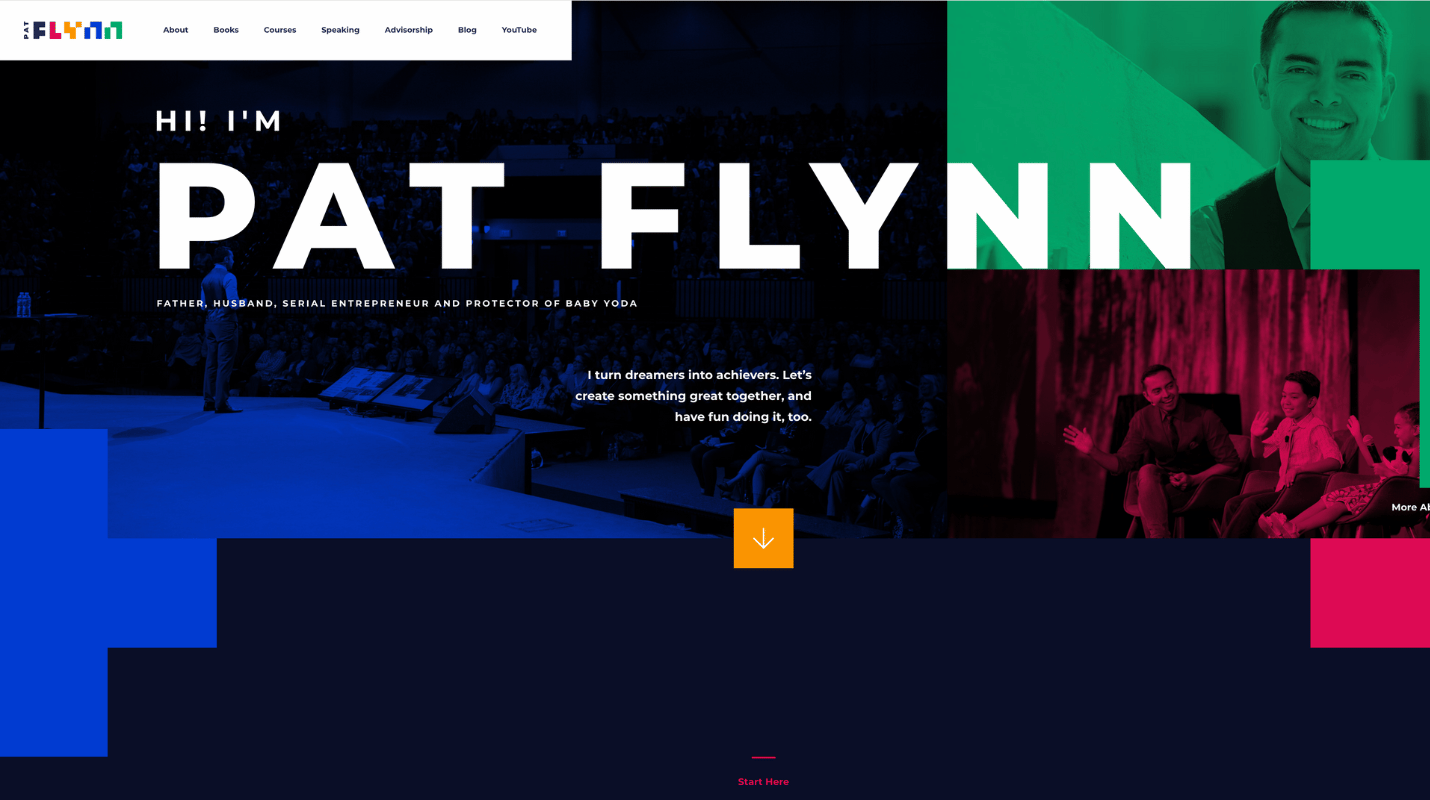
Pat Flynn, a leading figure in the online business and podcasting world, demonstrates the power of personality through his immediate and distinctive online presence. Visiting his website, PatFlynn.com, visitors are greeted with a bold declaration of his identity: "father, husband, serial entrepreneur." This straightforward self-identification is complemented by a touch of humor, such as his playful self-description as "protector of baby Yoda." This blend of professional clarity and personal quirkiness creates an approachable and memorable brand. Flynn’s consistent use of this voice across his blog, podcast, and other platforms builds a strong connection with his audience, who come to expect his straightforward yet engaging communication style.
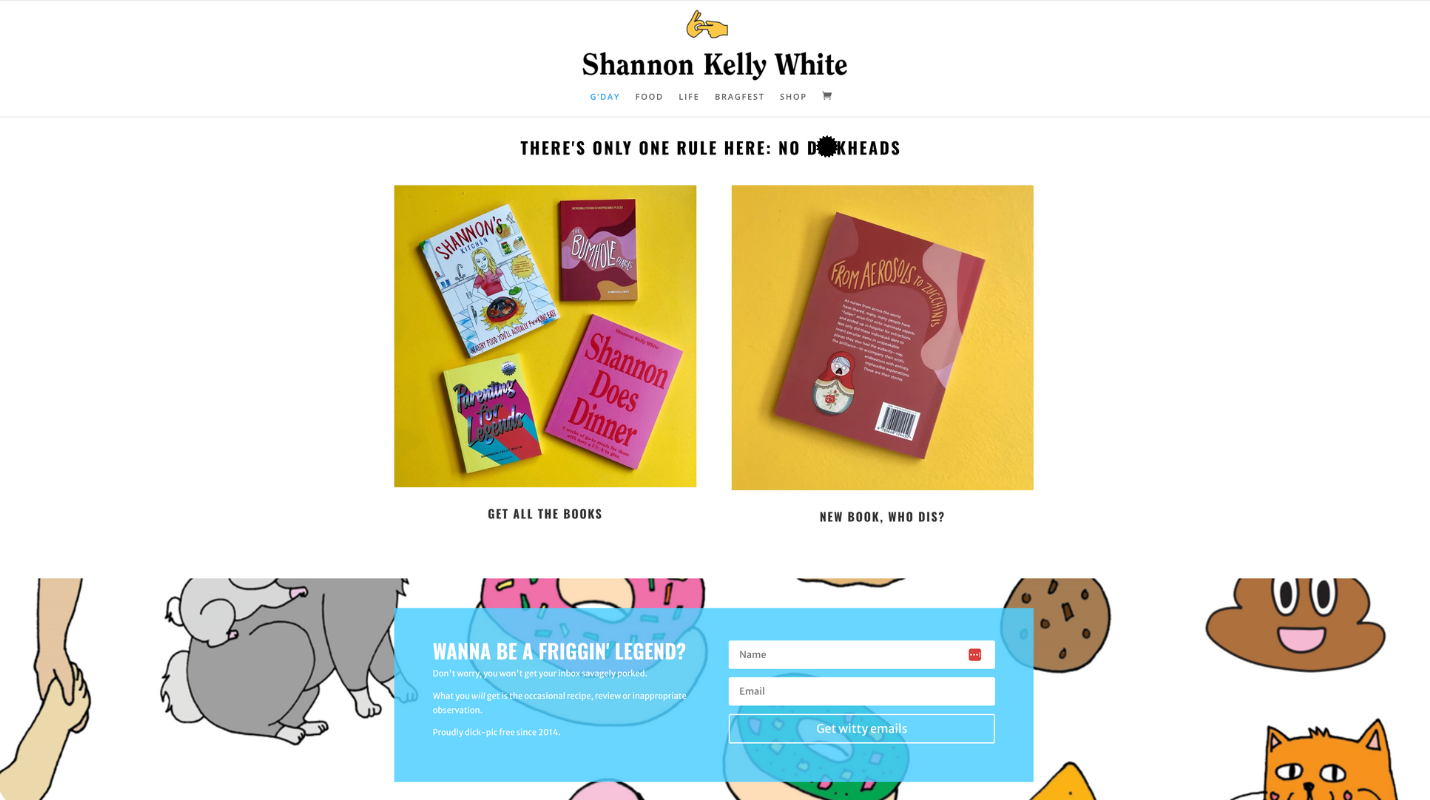
Shannon Kelly White, a writer whose work often pushes boundaries, highlights the impact of a strong, polarizing tone. Her blog is characterized by its unapologetic use of profanity, a stylistic choice that, while not for everyone, deliberately attracts a specific audience that appreciates its raw honesty and unfiltered expression. This explicit use of language, even extending to her tagline and navigation menu, signals a clear identity and a commitment to authenticity. While this approach may alienate some readers, it cultivates a fiercely loyal community among those who connect with her direct and provocative communication style. This demonstrates that a defined, even controversial, tone can be a powerful tool for differentiation.
Visual Branding and Unique Elements
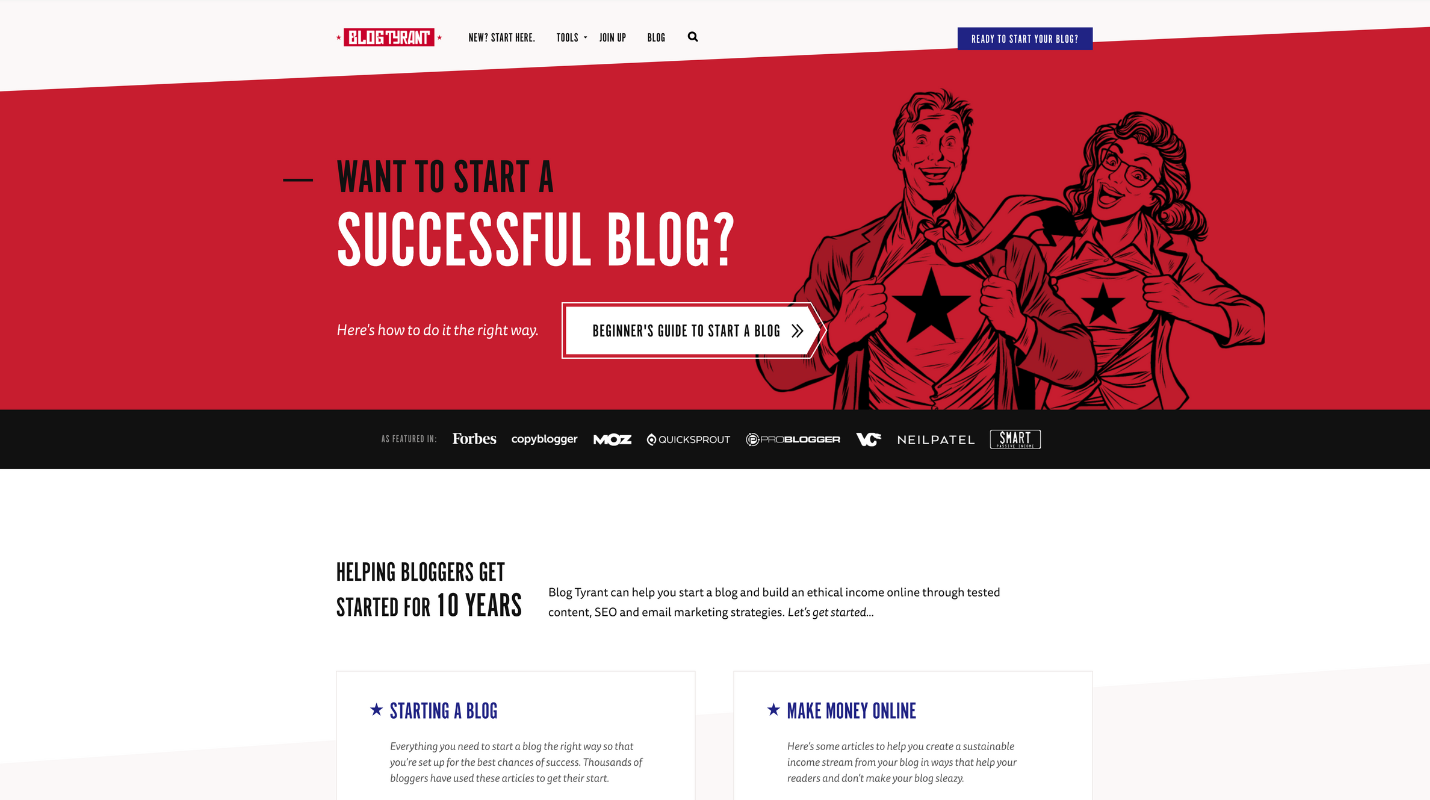
Ramsey, the creator of Blog Tyrant, employs custom illustrations to create a memorable and unique brand identity. The recurring "blogging superhero" avatar, clad in a red shirt, is a visual anchor that appears in his website’s banner and feature images for many of his posts. This consistent visual motif extends to his free report, further solidifying his brand recognition. Such custom artwork moves beyond generic stock imagery, imbuing the blog with a distinct personality that readers can easily associate with Ramsey’s content and expertise in the blogging sphere. This strategic use of a singular visual element contributes significantly to brand recall and a sense of visual coherence.
The Cornerstone of Connection: The "About Page"
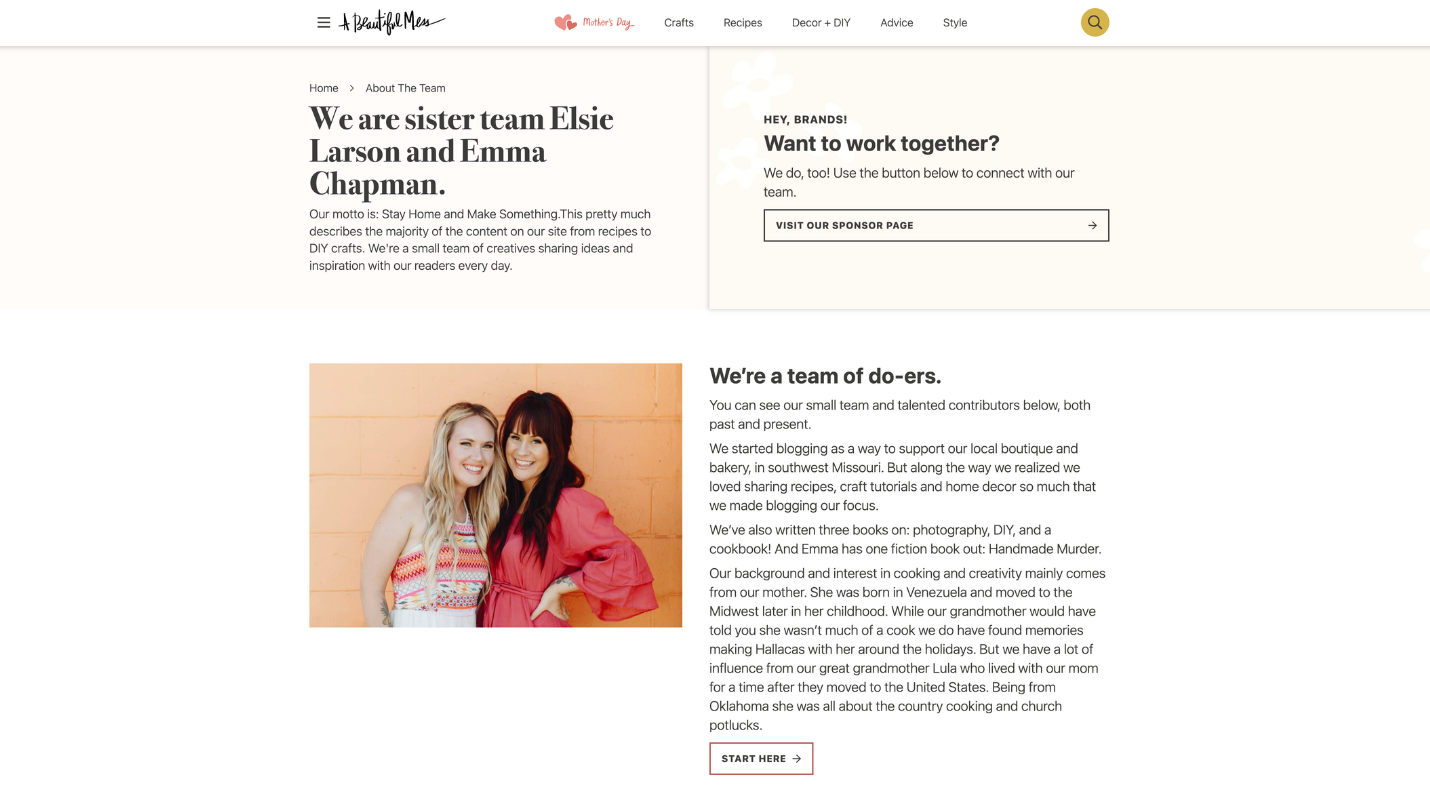
Elsie and Emma, the sisters behind the lifestyle blog A Beautiful Mess, understand the critical role of the "About Page" in establishing reader connection. Recognizing that new visitors may land on any post, they ensure their About page offers a compelling introduction. Their approach is characterized by a bright, bold photograph and a concise, engaging narrative that quickly conveys who they are and what their blog represents. This immediate glimpse into their personalities allows new readers to form an instant impression and understand the essence of their creative endeavors, fostering a sense of familiarity and trust.
Consistency Across Platforms: Building a Unified Brand
Chris Ducker, an entrepreneur and consultant, emphasizes the importance of consistent branding across all digital touchpoints. He utilizes the same smiling headshots across his blog’s post images, his About page, and his social media profiles on platforms like Twitter and Facebook. This uniformity creates a cohesive and recognizable brand identity that readers encounter repeatedly, reinforcing his presence and professionalism. This cross-platform consistency builds trust and makes Ducker’s brand easily identifiable, whether a reader is engaging with his blog content or interacting with him on social media.
The Psychological Impact of Color: Jadah Sellner’s Approach
Jadah Sellner masterfully uses color to enhance her brand’s personality and appeal. Her website features a carefully curated color scheme that is both visually striking and emotionally resonant. The colors of her clothing often complement the site’s palette, creating a harmonious and integrated aesthetic. This deliberate use of color, described as reminiscent of a "warm, earthy makeup palette," contributes to a feeling of cohesion and intentionality. Colors evoke specific emotions and associations, and Sellner’s strategic selection creates an inviting and memorable online environment that reflects her personal brand.
Articulating Purpose: Brand Statements and Taglines
James Schramko, operating SuperFastBusiness, employs a clear brand statement at the forefront of his website. This statement explicitly outlines his business coaching services and identifies his target audience. This direct approach immediately communicates his value proposition and the specific individuals he aims to serve. By clearly defining his niche and offerings, Schramko ensures that potential clients understand his expertise and the benefits of his services from the outset, streamlining the reader’s journey and establishing his professional focus.
Kelly Exeter’s blog exemplifies the power of a concise and effective tagline coupled with a direct call to action. Her approach focuses on clearly communicating her identity and the benefit she offers to her ideal reader: "Your name is a (what you do) who helps (your ideal reader)… (do what you offer)." This formula provides immediate clarity for visitors. Furthermore, Exeter advocates for straightforward calls to action, such as encouraging readers to "FIND OUT HERE" about what she can do for them, avoiding convoluted subscription processes. This directness respects the reader’s time and facilitates immediate engagement with her offerings.
Defining and Engaging the Audience: The "Multipotentialite" Model
Emily P. Freeman, through her blog Puttylike, showcases a sophisticated method of personalizing a blog by defining and engaging a specific audience. Her identification as a "Multipotentialite"—a term she popularized through a TED Talk—has enabled her to cultivate an audience that resonates with this identity. The genius of her strategy lies in using a quiz on her homepage, "Are You a Multipotentialite?", as a lead magnet. This interactive tool effectively converts casual visitors into engaged, repeat readers by helping them self-identify with her core concept. This approach not only defines her audience but also empowers them to understand themselves better through her content.
Broader Implications for the Digital Landscape
The strategies employed by these ten bloggers highlight a fundamental shift in the digital content creation landscape. In an era saturated with information, generic content is easily overlooked. The ability to infuse a blog with genuine personality—whether through compelling visuals, a distinct voice, unique branding, or direct engagement with audience identity—is becoming increasingly crucial for building a sustainable and impactful online presence. These examples underscore that while technical proficiency in blogging remains important, the human element, the authentic expression of self, is the true differentiator that fosters loyalty, encourages sharing, and ultimately drives success. The implication for aspiring and established bloggers alike is clear: investing in developing and expressing one’s unique personality is not just a creative choice, but a strategic imperative for navigating the modern digital world.

