
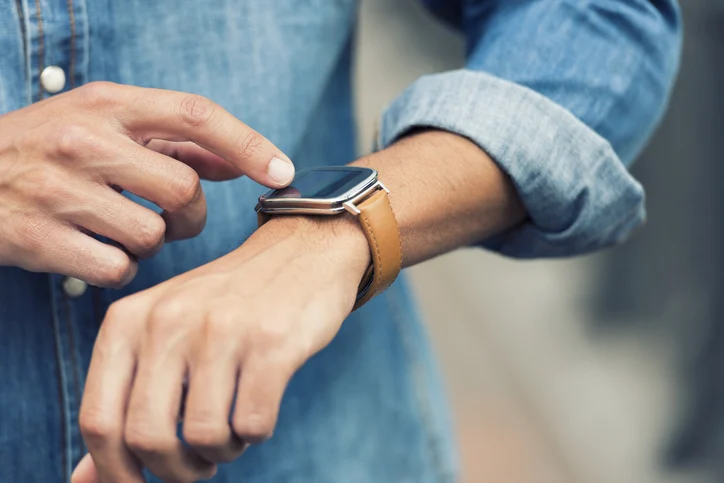
The global diagnostic laboratory industry, a cornerstone of modern clinical practice for over a century, is facing a fundamental shift in its competitive landscape. For decades, the sector has operated under a predictable model: medical necessity is identified by a physician, a specimen is collected, and a laboratory provides the analytical result. This centralized infrastructure—built on massive investments in logistics, pathology expertise, and sophisticated instrumentation—remains the gold standard for clinical-grade measurement. However, a new class of competitors is emerging not by building rival laboratories, but by capturing the "upstream" moment of discovery. As consumer electronics, led by the Apple Watch, transition from fitness trackers to sophisticated physiological monitors, the point of entry for diagnostic testing is moving from the doctor’s office to the consumer’s wrist.
The Evolution of Continuous Physiological Monitoring
The traditional diagnostic model is episodic. A patient typically engages with the healthcare system only when symptoms manifest or during scheduled screenings. This creates significant "blind spots" in a patient’s longitudinal health history. Wearable technology seeks to eliminate these gaps by providing continuous, passive data collection.
In 2024, the integration of FDA-cleared features into consumer wearables reached a new milestone. Apple introduced sleep apnea notifications, which utilize the watch’s accelerometer to monitor breathing disturbances during sleep over a series of nights. This was followed by hypertension notifications, which leverage optical heart sensors to identify patterns associated with chronic high blood pressure over 30-day periods. These advancements signify a transition from simple data collection to proactive health signaling.
Unlike a laboratory, which requires an active decision to test, a wearable device observes the user in their natural environment. It does not need to perform a comprehensive metabolic panel or a tissue biopsy to be disruptive; it only needs to provide the prompt that leads to those tests. By becoming the "traffic controller" of diagnostic demand, tech companies are positioning themselves at the very beginning of the patient journey, long before a phlebotomist is ever involved.
A Chronology of Clinical Integration in Wearables
The trajectory of wearables from novelty gadgets to clinical tools has been marked by several key regulatory and technological milestones:
- 2014-2017: The Era of General Wellness. Early wearables focused primarily on activity tracking, such as step counts and caloric expenditure. These devices lacked clinical validation and were largely ignored by the medical establishment.
- 2018: The ECG Milestone. The launch of the Apple Watch Series 4 marked a turning point with the introduction of an FDA-cleared electrocardiogram (ECG) app and irregular rhythm notifications. This allowed the device to detect signs of atrial fibrillation (AFib), moving the wearable into the realm of regulated medical software.
- 2020-2022: Expansion of Vital Signs. During the global pandemic, the focus shifted toward blood oxygen (SpO2) monitoring and skin temperature sensing. While not always marketed as diagnostic tools, these features increased consumer reliance on wearables for health baseline monitoring.
- 2023-2024: Chronic Condition Management. The introduction of features targeting sleep apnea and hypertension represents a shift toward managing chronic, widespread conditions that often go undiagnosed. By providing notifications based on long-term physiological patterns, these devices act as a persistent screening mechanism.
Market Dynamics and Supporting Data
The economic implications of this shift are substantial. The global digital health market was valued at approximately $211 billion in 2022 and is projected to grow at a compound annual growth rate (CAGR) of roughly 18% through 2030. Within this, the wearable segment is a primary driver.
In contrast, the clinical laboratory services market, while larger in absolute terms (valued at over $200 billion globally), grows at a more modest rate of 3% to 5% annually. The tension between these two sectors lies in the "ownership" of the patient. According to industry surveys, nearly 30% of U.S. adults now use a wearable healthcare device. When these devices flag an abnormality, they trigger a cascade of healthcare utilization, including primary care visits, specialist consultations, and—crucially—confirmatory laboratory testing.
The strategic value of the wearable is its proximity to the user. While a company like Labcorp or Quest Diagnostics may have a massive footprint of patient service centers, they are "reactive" entities. They wait for a consumer to arrive with a requisition. Apple and other tech giants are "proactive," generating the requisition through algorithmic alerts.
The Response from Traditional Laboratory Giants
Traditional laboratory providers are not unaware of this shifting dynamic. Companies like Labcorp and Quest Diagnostics have spent the last five years attempting to lower the barriers to entry for consumers through Direct-to-Consumer (DTC) platforms.
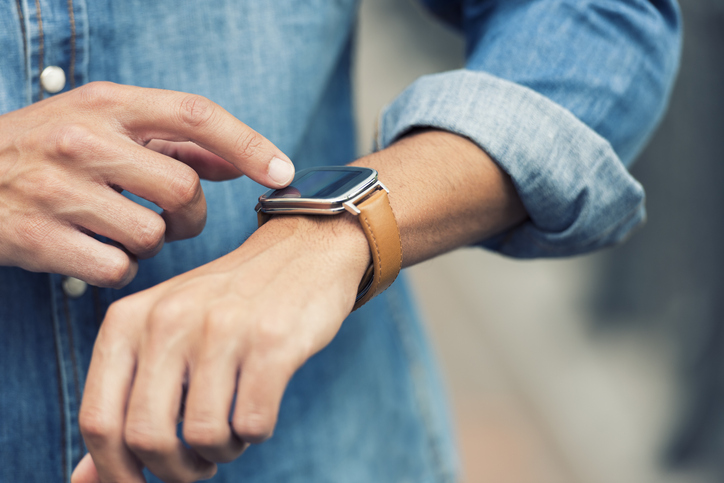
- Labcorp OnDemand: This platform allows consumers to browse and purchase laboratory tests—ranging from lipid panels to thyroid screenings—without a traditional physician’s visit. The goal is to capture the "self-motivated" consumer.
- Quest Health: Similarly, Quest’s consumer arm focuses on providing accessible testing for wellness, allergy, and infectious disease, aiming to modernize the patient experience.
However, industry analysts point out a critical difference between DTC laboratory testing and wearable sensing. DTC testing still requires the consumer to have a pre-existing suspicion or interest in their health. Wearables, conversely, create that interest where none may have existed. A wearable can inform an asymptomatic user that their resting heart rate has trended upward or their breathing patterns are irregular, creating a new "moment of concern" that the laboratory then monetizes.
Technical Analysis: Precision vs. Proximity
A common critique from the medical community is that wearables lack the precision of clinical-grade laboratory equipment. This is a factually grounded observation. A wrist-based optical sensor is subject to environmental noise, motion artifacts, and physiological variations that do not affect a controlled blood draw analyzed in a CLIA-certified (Clinical Laboratory Improvement Amendments) facility.
Wearables often produce false positives, which can lead to "anxiety-driven" healthcare utilization—patients seeking care for signals that have no clinical significance. Conversely, a false negative in a wearable might provide a user with a false sense of security, leading them to ignore actual symptoms.
Despite these limitations, the "repositioning" of diagnostics does not require the wearable to be as accurate as the lab. It only needs to be "good enough" to serve as a screening filter. In the hierarchy of medicine, the wearable is becoming the new "Level 0" of the diagnostic funnel. The laboratory retains its role as the "Level 1" confirmatory authority. The threat to laboratory executives is not that their tests will become obsolete, but that their brand and relationship with the patient will be secondary to the device that initiated the journey.
Inferred Industry Reactions and Strategic Implications
While official statements from laboratory executives often emphasize partnership and the complementary nature of digital health, internal strategic shifts suggest a more defensive posture.
- Data Integration Efforts: Laboratories are increasingly investing in API (Application Programming Interface) infrastructure to ensure that lab results can be funneled back into consumer health apps. If they cannot own the device, they aim to be the "data provider" of choice within the device’s ecosystem.
- The Rise of Home Collection: To compete with the convenience of wearables, labs are expanding "at-home" collection kits. By moving the "castle" (the lab) closer to the "road" (the consumer’s home), they hope to retain control over the testing process.
- Physician Alignment: Laboratories are doubling down on their relationships with health systems. Since a wearable notification usually results in a doctor’s visit, labs that are deeply integrated into the Electronic Health Record (EHR) systems of major hospitals have a protected stream of referrals.
Broader Impact on the Healthcare Ecosystem
The shift toward wearable-initiated diagnostics has implications that extend beyond the balance sheets of Labcorp or Apple. It represents a fundamental change in the physician-patient relationship. Patients are increasingly arriving at consultations with weeks of longitudinal data, often challenging the "episodic" snapshot a doctor sees during a 15-minute appointment.
Furthermore, the "democratization" of health data through wearables could lead to earlier intervention for chronic diseases, potentially lowering long-term healthcare costs. If hypertension and sleep apnea are caught years earlier through passive monitoring, the resulting reduction in cardiovascular events and strokes could be massive.
However, this future depends on the "closed" or "open" nature of the data ecosystems. If Apple or Google (through Fitbit) keeps health data within a walled garden, it may create new silos that frustrate clinical care. The challenge for the next decade will be creating a seamless loop where the wearable notices, the laboratory confirms, and the clinician interprets, all within a unified data framework.
Conclusion: The New Competitive Map
The diagnostic industry’s next major competitor is likely not a company that will build a better mass spectrometer or a faster centrifuge. Instead, it is the company that owns the "attention" of the consumer at the moment a health question arises.
For laboratory executives, the strategic imperative is to move beyond the "processing" mindset. While clinical-grade measurement remains a formidable moat, it is no longer the only entry point to the diagnostic market. As the human body becomes a constant stream of data, the value is migrating from the analysis of the specimen to the ownership of the signal. The "castle" of the clinical laboratory remains strong, but the "road" leading to it is being paved by consumer technology. Those who control the road will ultimately determine who gets to enter the castle.

