
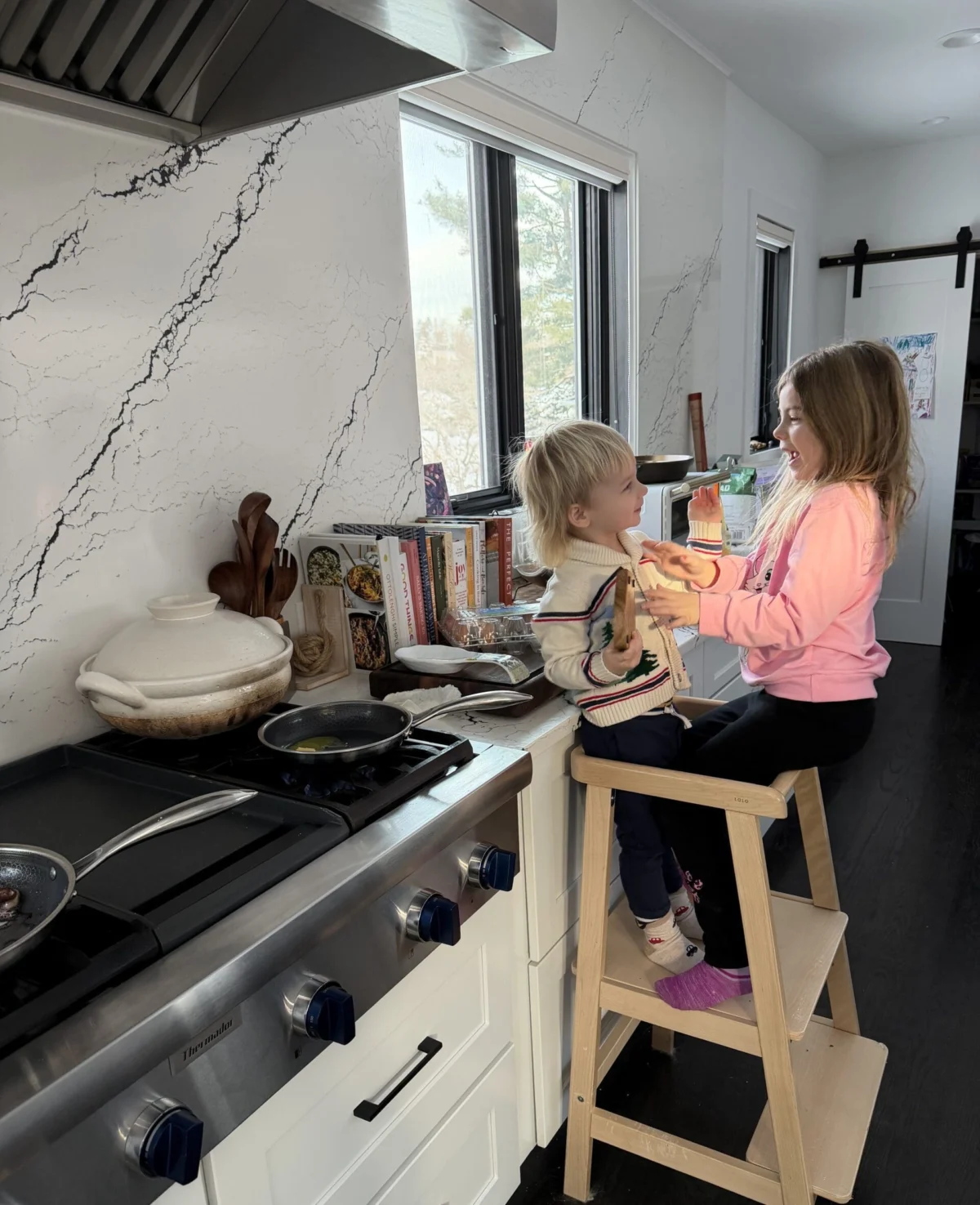
The seemingly mundane act of preparing a meal with children, often perceived as a chaotic and time-consuming endeavor, is increasingly recognized by child development specialists, nutritionists, and family therapists as a cornerstone for fostering essential life skills, strengthening familial bonds, and cultivating healthier eating habits. Far from merely a domestic chore, the kitchen serves as a dynamic learning laboratory where children, from infancy through adolescence, absorb critical lessons in a natural, low-pressure environment. This engagement, despite the inevitable mess and slower pace, offers a rich tapestry of developmental advantages that extend well beyond the dinner table, influencing cognitive abilities, emotional intelligence, and long-term well-being.
The Genesis of Shared Culinary Experiences: A Historical and Modern Perspective
Historically, children’s involvement in food preparation was a practical necessity, integral to household functioning and the transmission of cultural heritage. From foraging to farming, and ultimately to the hearth, children learned by doing, contributing to the family’s sustenance from a young age. The industrial revolution and subsequent societal shifts, including increased parental work outside the home and the rise of convenience foods, gradually diminished this direct involvement, transforming cooking into a task often performed by a single adult.
However, recent decades have seen a resurgence of interest in family-centered activities, partly fueled by a growing awareness of the impact of screen time on child development and a renewed emphasis on holistic education. The COVID-19 pandemic, which necessitated more time at home for many families, inadvertently highlighted the kitchen’s potential as a hub for connection and practical learning. This period saw a significant uptick in home cooking and family engagement in domestic tasks, reinforcing the value proposition of shared culinary endeavors. Public figures, including those in high-profile careers like sports broadcasting, have increasingly shared their personal experiences, inadvertently underscoring a broader societal trend towards valuing these hands-on, interactive moments with children. The narrative often emphasizes how, even amidst demanding professional schedules, these kitchen rituals become cherished routines, proving that the investment of time yields invaluable returns.
Enhanced Family Connection and Communication
One of the most immediate and profound benefits of cooking with children is the creation of authentic, quality time. Unlike structured activities or direct questioning about their day, the shared focus on a task in the kitchen fosters an environment where conversation flows organically. As children and parents stand side-by-side, measuring ingredients, stirring mixtures, or washing vegetables, discussions often drift from the recipe itself to school experiences, personal ideas, and daily observations. This lack of pressure transforms the interaction into a natural conduit for communication, allowing children to express themselves freely and parents to listen actively.
Research consistently indicates that shared activities, particularly those that are hands-on and collaborative, significantly contribute to stronger family bonds. A 2018 study published in the Journal of Family Psychology found that families who regularly engage in shared meals and meal preparation report higher levels of cohesion and communication satisfaction. The kitchen, in this context, becomes a neutral ground where hierarchies soften, and all participants are united by a common goal: creating something together. This collaborative spirit, often accompanied by playful interactions like singing or dancing, reinforces a sense of belonging and mutual respect, laying a strong foundation for robust familial relationships.
Fostering Healthy Eating Habits and Combating Picky Eating
A significant challenge for many parents is encouraging children to eat a diverse range of healthy foods. The conventional approach often involves persuasion or even mild coercion, which can be counterproductive. However, involving children in the preparation process fundamentally shifts their relationship with food. When children actively participate in making a meal, they develop a sense of ownership and investment in the outcome. This psychological principle, known as the "IKEA effect" (where individuals place a disproportionately high value on products they partially created), applies powerfully to food.
Pediatric nutritionists and child development experts widely endorse this strategy. Dr. Alice F. Smith, a renowned specialist in child nutrition, states, "Children are far more likely to try and enjoy foods they have helped prepare. The act of washing vegetables, sprinkling cheese, or stirring a pot demystifies the ingredients and transforms them from unfamiliar items into something they actively contributed to creating." This hands-on involvement can be particularly effective with vegetables, which are often sources of contention. A child who has carefully chopped carrots or mixed spinach into a sauce is more inclined to taste and appreciate the finished dish, moving beyond initial aversions. This exposure and agency can lead to a more adventurous palate and a greater willingness to explore new flavors, ultimately contributing to healthier dietary patterns in the long term.
Cultivating Essential Life Skills and Practical Intelligence
Beyond immediate dietary benefits, cooking offers a rich curriculum for developing a wide array of cognitive, motor, and practical life skills. From a very young age, children engaged in kitchen activities are learning:
- Mathematical Concepts: Measuring ingredients (fractions, volume, weight), counting items, and understanding proportions provide real-world applications for mathematical principles.
- Literacy and Following Instructions: Reading recipes, understanding sequences, and following multi-step directions enhance reading comprehension and executive function skills.
- Fine Motor Skills and Hand-Eye Coordination: Tasks like stirring, pouring, kneading, peeling, and cutting (with age-appropriate tools) refine dexterity and coordination.
- Scientific Principles: Observing how ingredients change with heat (baking, boiling), understanding emulsions, or the leavening process introduces basic chemistry and physics in an experiential way.
- Problem-Solving and Adaptability: Encountering challenges (e.g., a spilled ingredient, a deviation from the recipe) and finding solutions fosters critical thinking.
- Patience and Delayed Gratification: Waiting for dough to rise, water to boil, or food to bake teaches the value of patience and the reward of waiting for a desired outcome.
Moreover, the kitchen provides a unique setting for learning about safety, hygiene, and responsible tool usage. Investing in child-safe knives, sturdy mixing bowls, and reliable step stools transforms potential hazards into manageable learning opportunities, allowing children to contribute meaningfully without undue risk. As children master these tasks, they build confidence in their abilities and develop a sense of competence that extends to other areas of their lives.
Promoting Parental Presence and Mindfulness
In an increasingly fast-paced world, where parents often juggle demanding careers and endless responsibilities, finding moments of genuine presence can be challenging. The kitchen, ironically, can serve as an antidote to this constant rush. While professional environments often demand rapid decision-making and multitasking, cooking with children necessitates a deliberate slowing down.
Observing a toddler meticulously spooning sauce into a pot, one tiny spoonful at a time, forces parents to adjust their pace and embrace the moment. This deliberate slowness is not merely an inconvenience; it is an opportunity for mindfulness. When parents engage at their child’s pace, celebrating small achievements—like remembering to stir slowly or successfully cracking an egg (even if it involves some shell)—they are fully immersed in the present. This focus shifts attention away from external pressures, work emails, or future anxieties, allowing for a deep, unfiltered connection. This mindful engagement can be incredibly restorative for parents, offering a much-needed break from the mental demands of modern life and fostering a sense of calm and appreciation for the small, joyful interactions that often get overlooked.
Building Self-Esteem and a Sense of Contribution
One of the most profound emotional benefits for children involved in cooking is the development of self-esteem and a genuine sense of contribution. Unlike pretend play, kitchen tasks are real responsibilities with tangible outcomes. When a child slices fruit for a salad or kneads dough for bread, they are not merely mimicking; they are actively helping to create a meal that will nourish their family. This genuine contribution is incredibly empowering.
Child psychologists emphasize that providing children with real, age-appropriate responsibilities is crucial for building confidence and a strong sense of self-worth. When children are allowed to "own" a task completely, even if the result isn’t "restaurant-quality" (e.g., slightly overcooked eggs made with pride), the emotional benefit far outweighs any minor culinary imperfections. The beaming smile of a child who has successfully contributed to the family meal is a testament to the powerful boost in confidence and capability they experience. The kitchen, therefore, becomes a primary arena for cultivating practical independence, fostering initiative, and instilling the value of teamwork within the family unit.
Broader Impact and Implications
The cumulative effects of involving children in cooking extend beyond individual families, holding broader implications for public health, education, and societal well-being. By fostering healthier eating habits from a young age, these practices can contribute to reducing rates of childhood obesity and related health issues. Integrating practical life skills into daily routines complements formal education, equipping future generations with essential competencies often overlooked in traditional academic curricula. Moreover, strong family bonds, nurtured through shared activities like cooking, are foundational for resilient communities and a more cohesive society.
The investment of time and patience in the kitchen, despite its inherent mess and occasional frustrations, is not merely about preparing a meal; it is about cultivating a future. It is about nurturing curious minds, developing capable hands, and strengthening the emotional ties that bind families together. The "chaos" often associated with cooking with kids is, in essence, a vibrant, multi-sensory learning experience, delivering profound and lasting benefits that make every flour-dusted surface and spilled ingredient a worthwhile part of the journey. As such, the promotion and encouragement of family culinary engagement stand as a valuable endeavor for contemporary society.

