
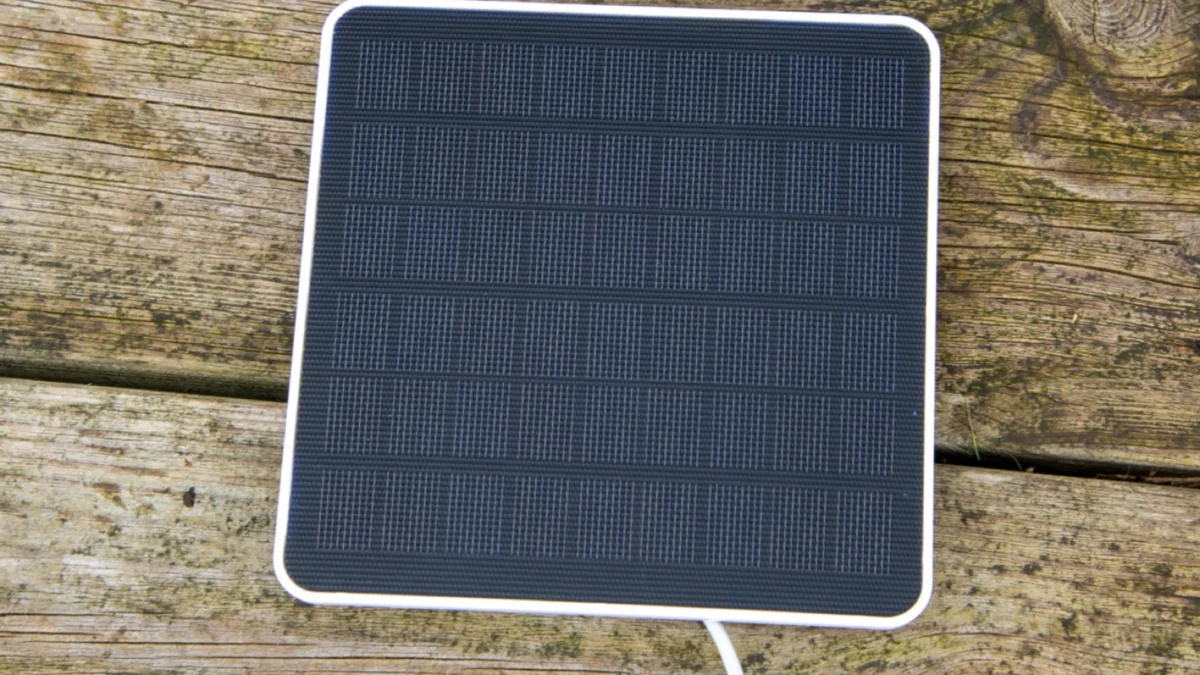
The United Kingdom is on the cusp of a significant energy revolution as the government announced ambitious plans to permit households to utilise plug-in solar panels for the first time. This pioneering initiative, unveiled as part of a broader strategy to bolster national energy security, introduces compact, small-scale solar systems designed to connect directly to domestic electrical sockets. The move signals a concerted effort to accelerate the nation’s transition to clean energy and mitigate its vulnerability to fluctuating global energy markets, particularly in the wake of geopolitical instabilities that have underscored the precariousness of fossil fuel reliance.
Energy Secretary Ed Miliband articulated the proposal, framing it as a pivotal step in the UK’s commitment to achieving greater energy independence and fostering a more sustainable energy future. The plug-in solar systems are engineered for user-friendliness, allowing individuals to generate their own electricity from relatively small solar panels. These panels can be conveniently installed on balconies, terraces, garden walls, or any suitable small outdoor space, bypassing the often complex and costly installation processes associated with traditional rooftop solar arrays. The government’s intention is to collaborate closely with industry stakeholders, consumer advocacy groups, and technical regulatory bodies. This collaborative approach will be crucial in developing robust safety standards and amending existing regulations to facilitate the swift and secure entry of these innovative systems into the UK market.
The rationale behind this policy shift is deeply rooted in the growing global trend of democratising solar energy generation. Across Europe, similar plug-in solar systems have already gained considerable traction, serving as an accessible entry point for individuals and households that are unable to opt for conventional rooftop installations. Germany, for instance, has witnessed a surge in adoption, adding approximately half a million new plug-in solar systems in the past year alone. This remarkable figure underscores the escalating demand for smaller, more adaptable renewable energy solutions, particularly within densely populated urban environments where the practicalities of full rooftop solar installations can be challenging.
Expanding Access to Small-Scale Solar: A New Dawn for Renters and Apartment Dwellers
One of the most profound implications of this new policy is its potential to dramatically expand access to renewable energy for a segment of the population previously underserved by solar initiatives: renters and apartment residents. These individuals often face significant barriers to adopting solar power, including a lack of control over roof space, limited access to building infrastructure, and the prohibitive costs associated with modifications to rental properties. Plug-in solar technology offers a viable and practical alternative, empowering these households to generate their own clean electricity without requiring landlord permission or major structural changes.
Lorna Wallace-Smith, Head of UK Communications at EcoFlow, a company at the forefront of developing innovative energy solutions, hailed the government’s announcement as a "very positive step for expanding access to renewable energy in the UK." She elaborated, stating, "Today’s call to allow plug-and-play solar is a very positive step for expanding access to renewable energy in the UK and could allow millions more households to produce clean electricity directly from small outdoor spaces." Wallace-Smith emphasised that these systems not only contribute to environmental sustainability but also offer tangible financial benefits to consumers. By generating electricity locally, households can significantly reduce their reliance on the national grid and consequently lower their electricity bills. Furthermore, the widespread adoption of such decentralised energy generation contributes to a more resilient and robust energy network.
The technological advancements in this sector are already paving the way for a new generation of user-friendly solar products. Companies are actively developing integrated solutions that combine compact solar panels with small-scale battery storage systems. These all-in-one units are designed to seamlessly connect to domestic electrical circuits, providing a convenient and efficient means for households to harness solar power. The ease of installation and operation means that individuals with minimal technical expertise can begin generating their own clean energy, further democratising the renewable energy landscape.
A Strategic Move: Plug-in Solar as a Cornerstone of Energy Security
The introduction of plug-in solar systems is not an isolated policy but an integral component of a much broader strategic package aimed at fortifying the UK’s energy independence. In recent years, global energy markets have been subjected to unprecedented volatility, driven by geopolitical tensions and supply chain disruptions. This has highlighted the urgent need for the UK to reduce its dependence on imported fossil fuels and to accelerate the deployment of domestic clean energy sources.
The government’s commitment to a diversified energy portfolio is evident in its concurrent announcement to expedite its next renewable energy auction. Originally slated for a later date, this auction has been brought forward to July 2026. This proactive measure is designed to stimulate significant investment from energy developers across a range of renewable technologies, including offshore wind, nuclear power, and other large-scale energy infrastructure projects. By providing greater certainty and encouraging early investment, the government aims to maintain the momentum in expanding the UK’s clean energy capacity.
The overarching objective of these combined measures is to insulate the UK economy from the unpredictable swings in fossil fuel prices. By fostering a robust domestic clean energy sector, encompassing both large-scale industrial projects and smaller, household-level technologies like plug-in solar, the government seeks to create a more stable and secure energy future. This dual approach – investing in substantial energy infrastructure while simultaneously empowering individual households to contribute to the energy mix – represents a comprehensive strategy for achieving long-term energy resilience.
Navigating the Regulatory Landscape and Future Outlook
While the announcement of permitting plug-in solar systems marks a significant policy shift, the practical implementation will necessitate careful consideration of regulatory frameworks. The government has committed to ongoing collaboration with regulators and industry bodies to establish clear and comprehensive technical rules governing these systems. This includes ensuring their safety, efficiency, and compatibility with the existing electricity grid. The development of these standards will be a critical determinant of the timeline for when these technologies will become widely available to UK households.
The precedent set by other European nations suggests that with appropriate regulatory oversight and consumer education, plug-in solar systems can be integrated safely and effectively. The European Union’s experience with similar "plug and play" solar solutions, often referred to as "balcony power plants" or "mini-PV systems," demonstrates their potential to significantly contribute to decentralised energy generation. In countries like Spain, Italy, and the Netherlands, these systems have been progressively integrated into the energy landscape, often with simplified registration processes and clear guidelines for safe connection.
For the UK, the potential benefits extend beyond individual household savings and national energy security. The widespread adoption of plug-in solar could stimulate innovation and job creation within the renewable energy sector. The demand for manufacturing, installation, and maintenance of these compact solar systems could foster a new ecosystem of small and medium-sized enterprises (SMEs) specialising in distributed energy solutions. Furthermore, by engaging a broader segment of the population in renewable energy generation, the policy could cultivate a greater sense of environmental stewardship and public engagement in the transition to a low-carbon economy.
Supporting Data and Broader Economic Implications
The economic rationale for promoting renewable energy is increasingly compelling. According to the International Energy Agency (IEA), global renewable energy capacity additions are projected to continue their strong growth trajectory. In 2023, solar PV alone accounted for more than two-thirds of the renewable capacity additions globally. While specific data for plug-in solar systems is still emerging, the rapid growth in Germany indicates a substantial untapped market. If the UK were to see even a fraction of Germany’s recent adoption rate, it could translate into hundreds of thousands of new small-scale solar installations, contributing significantly to the national renewable energy targets.
The cost-effectiveness of solar technology has also improved dramatically over the past decade. The levelised cost of electricity (LCOE) for utility-scale solar PV has fallen by over 80% since 2010, making it one of the cheapest sources of new electricity generation in many parts of the world. While plug-in solar systems are typically more expensive per watt than large-scale installations due to their smaller size and integrated components, their accessibility and ease of use can offset these costs for individual consumers seeking immediate energy bill reductions and a contribution to their carbon footprint.
The government’s announcement also arrives at a critical juncture for the UK’s energy infrastructure. The transition away from fossil fuels necessitates substantial investment in grid modernisation and flexibility. Decentralised energy generation, such as that enabled by plug-in solar, can play a crucial role in this transition. By reducing the load on the central grid during peak demand periods, these systems can enhance grid stability and defer the need for costly infrastructure upgrades. Moreover, the integration of small-scale battery storage, often paired with plug-in solar, can further contribute to grid flexibility by enabling energy to be stored and discharged as needed.
Looking Ahead: Challenges and Opportunities
The successful implementation of the plug-in solar initiative will hinge on several key factors. Firstly, the clarity and simplicity of the regulatory framework will be paramount in encouraging uptake. Complex or burdensome regulations could stifle adoption, negating the intended benefits. Secondly, consumer education will be vital to ensure that individuals understand the capabilities, limitations, and safety requirements of these systems. Clear guidance on installation, connection, and maintenance will be essential. Finally, the availability of affordable and reliable plug-in solar products from reputable manufacturers will be crucial for market growth.
The government’s proactive approach in bringing forward its renewable energy auction and its commitment to collaborative regulatory development suggest a genuine intent to accelerate the UK’s energy transition. The inclusion of plug-in solar technology within this broader strategy represents a forward-thinking policy that acknowledges the diverse needs and capabilities of households across the country. By empowering individuals to generate their own clean electricity, the UK is not only enhancing its energy security but also fostering a more inclusive and sustainable energy future for all its citizens. The coming months will be critical as the government works with industry and regulators to translate this promising policy into tangible benefits for millions of households.

