
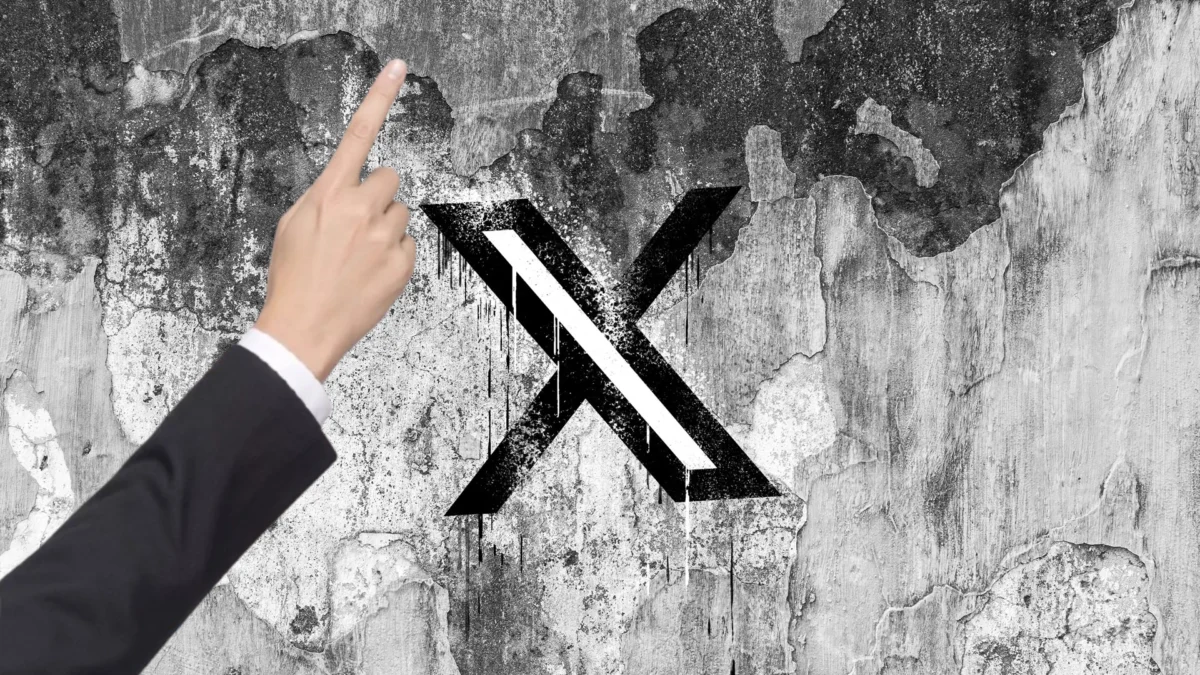
San Francisco, CA – October 26, 2026 – Social media platform X, formerly Twitter, is once again at the center of user discontent following the sudden appearance of an intrusive graphical element designed to push users towards promoting their posts. Over the past 24 hours, a growing number of users have reported encountering a mysterious, disembodied hand pointing directly at the "promote" button while they are in the process of composing a new message. This aggressive user interface (UI) change, perceived by many as a "jump scare" and an unwelcome distraction, highlights X’s ongoing and increasingly fervent efforts to monetize its platform under the stewardship of Elon Musk.
The unexpected visual prompt has sparked widespread irritation across the platform, with users taking to X itself to express their dismay. Many described the experience as jarring and disruptive, interrupting their creative flow and forcing an advertisement for paid promotion into their immediate field of vision. The timing, just days before Halloween, led some to jokingly speculate about it being a prank, though the underlying sentiment was one of genuine annoyance rather than amusement. For a platform already grappling with user exodus and advertiser hesitancy, such an overt and intrusive tactic risks further alienating its core user base and potentially undermining trust in its product development strategy.
The Unsettling Appearance of the "Promote" Prompt
The controversial feature began rolling out to users on October 26, 2026, manifesting as a large, animated hand that dramatically emerges on the screen, its finger unmistakably directed at the "promote" option located near the post button. This is not a subtle suggestion; it is a forceful, unmissable visual cue that demands attention. Unlike more conventional interface changes, such as slightly altering button colors or repositioning elements, this animation actively interferes with the user’s primary task of composing a post, making it difficult to ignore or dismiss without a conscious effort.
User reactions were swift and predominantly negative. Ershad Kaleebullah, an X user, publicly questioned the platform’s leadership, stating, "WTF @elonmusk, if I wanted jump scares I would’ve watched a horror movie instead." Kaleebullah also noted the uncanny timing of the hand’s appearance, specifically when he was tweeting about "engagement farming," suggesting a potential algorithmic trigger or an exceptionally ironic coincidence. Another prominent voice, Dylan Abruscato, president of TBPN podcast, described the tactic as the "most Nikita-coded thing I’ve ever seen," a direct reference to the aggressive growth and engagement strategies often associated with former X head of product, Nikita Bier. Abruscato’s tweet, accompanied by a screenshot of the intrusive hand, lamented its obstructive nature while acknowledging its potential, albeit unwelcome, effectiveness.
The consensus among early adopters of the feature is that it crosses a line from a helpful suggestion to an outright impediment. While many social media platforms employ various nudges to encourage engagement, subscriptions, or paid features, they typically do so in a less obtrusive manner, often appearing as banners, pop-ups after an action is completed, or integrated subtly into the feed. X’s approach, by contrast, inserts itself directly into the user’s creative workflow, creating an immediate friction point that could deter even those who might otherwise consider promoting their content.
A History of Aggressive Monetization at X
This latest UI change is not an isolated incident but rather fits into a broader pattern of aggressive monetization strategies employed by X since Elon Musk’s acquisition of the company in October 2022. Musk’s stated vision for X as an "everything app" has been accompanied by immense financial pressure, largely stemming from the significant debt incurred during the acquisition and a dramatic decline in traditional advertising revenue. Following the takeover, many major advertisers paused or pulled their campaigns, citing concerns over content moderation, brand safety, and Musk’s erratic leadership.
In response, X has experimented with numerous revenue streams, often with mixed results and considerable user backlash. The most notable of these was the overhaul of X Premium (formerly Twitter Blue), which tied verification badges to a paid subscription service, leading to widespread confusion, impersonation issues, and a devaluation of the blue checkmark. The platform also introduced new revenue-sharing programs for creators, subscription options for exclusive content, and an increased emphasis on promoted posts and advertisements within the user feed. Each of these initiatives, while aimed at diversifying revenue, has often been implemented with a degree of urgency and sometimes, a lack of user-centric design that has fueled user frustration.
The company’s desperation to shore up its finances has led to a series of rapid-fire product changes, some of which have been reversed or modified due to overwhelming negative feedback. This includes controversial rate limits imposed on users, changes to API access, and alterations to how replies and interactions are displayed. The "promote" hand can be seen as the latest, and perhaps most visually jarring, manifestation of this overarching strategy: to leave no stone unturned in the pursuit of direct revenue generation from its user base.
The "Nikita-Coded" Legacy and Product Leadership Transition
The reference to "Nikita-coded" tactics is particularly pertinent in understanding the potential motivations behind the new feature. Nikita Bier, known for his work on the viral app TBH (To Be Honest), joined X as its head of product in late 2025. During his tenure, Bier was widely understood to be driving a strategy focused on maximizing user engagement and growth, often through experimental and sometimes aggressive product interventions. His approach was characterized by a data-driven methodology aimed at identifying and amplifying viral loops and user behaviors that could lead to increased platform activity.
Bier’s time at the helm, however, was relatively brief, as he stepped down from his role in August 2026. His departure marked another significant shift in X’s rapidly evolving leadership structure. Just days before the "promote" hand began appearing, on Monday, October 26, 2026, Peter Sellis announced he had taken over as X’s new product chief. Sellis brings a wealth of experience from previous high-profile roles, having served as the head of product for both Snap and Discord.
In his introductory post on X, Sellis expressed his belief in SpaceX’s mission "to extend human consciousness to the stars," and playfully stated his intention to "make shitposting multiplanetary." While Sellis’s public persona and stated goals lean towards the ambitious and unconventional, his background suggests a focus on scalable product development and user experience. It remains unclear whether the "promote" hand feature was a remnant of Bier’s product pipeline, a new initiative under Sellis’s early leadership, or a decision made by an interim product team. X has not yet provided official comment on the origin or intent of the feature, leaving users and observers to speculate. The transition in product leadership, however, underscores the dynamic and often unpredictable nature of product development at X.
User Interface Design: Nudges vs. Intrusions
The "promote" hand incident provides a compelling case study in the delicate balance of user interface design, particularly in the context of monetization. UI/UX principles generally advocate for intuitive, non-obtrusive experiences that guide users without forcing them. "Nudges" are subtle prompts designed to encourage certain actions, often for the user’s benefit or in alignment with platform goals, without disrupting the core experience. Examples include suggesting relevant hashtags, reminding users to complete their profile, or offering related content.
The animated pointing hand, however, veers sharply into the territory of "dark patterns." Dark patterns are UI design choices that intentionally trick or coerce users into making decisions they might not otherwise make, often for the benefit of the platform. While the "promote" hand might not be as insidious as some dark patterns (e.g., making it difficult to unsubscribe), its intrusive nature and sudden appearance undeniably create an irritating user experience that prioritizes platform monetization over user comfort. It actively disrupts the user’s primary task, forcing an engagement with a commercial option.
Such aggressive tactics can have a detrimental effect on user psychology. Repeated exposure to intrusive elements can lead to "banner blindness" or, worse, active resentment towards the platform. Users may begin to perceive the platform as exploitative or desperate, eroding the sense of community and trust that is crucial for social media engagement. In an era where user attention is a fiercely contested commodity, alienating users with poorly conceived UI can be a costly mistake, pushing them towards competitors who offer a more seamless and respectful experience.
Reactions from the X Community and Industry Watchers
Beyond individual tweets, the broader X community has reacted with a mix of frustration, humor, and resignation. Memes quickly emerged, satirizing the pointing hand and the perceived desperation of the platform. Some users expressed a sense of fatigue, viewing the feature as yet another example of X’s post-acquisition decline in user experience. Discussions across other social media platforms and tech forums echoed these sentiments, with many questioning the long-term viability of X’s strategy if it continues to prioritize aggressive monetization over user satisfaction.
Industry analysts and tech commentators have largely viewed the move with skepticism. Many point to the continued decline in X’s ad revenue and overall user engagement metrics as evidence that these aggressive tactics are not stemming the tide. While direct monetization through subscriptions and promoted posts is a valid business strategy, the execution matters. An approach that alienates users risks diminishing the very user base that such monetization efforts depend upon. The long-term impact on X’s brand perception could be significant, further solidifying its image as a platform that struggles to balance its commercial interests with its foundational role as a public square.
Potential Impact on Advertisers and Platform Trust
The implications of this intrusive "promote" feature extend beyond casual users to potential advertisers themselves. While the immediate goal is to encourage more paid promotions, the method employed could ironically deter businesses and individuals from using the service. If the "promote" button is associated with an annoying, "jump scare"-like experience, it could devalue the concept of promotion on the platform. Brands, especially, are highly conscious of their association with platforms and features. An aggressive, user-unfriendly promotion prompt might signal a platform that is struggling, potentially making it less attractive for legitimate advertising campaigns.
Furthermore, the continuous erosion of user trust through such design choices could have a broader impact on the platform’s ability to attract and retain high-quality content creators and businesses. A healthy social media ecosystem relies on a vibrant user base that feels respected and valued. When users perceive that the platform is constantly trying to extract value from them through irritating means, their willingness to invest time, creativity, and potentially money, diminishes. This could create a vicious cycle where declining user engagement leads to more aggressive monetization, further driving users away.
The Broader Context of X’s Financial Challenges
The context for these aggressive UI interventions cannot be overstated. Since the acquisition, X has been under immense pressure to service a substantial debt load, reportedly billions of dollars. This financial imperative has overshadowed almost every product decision, leading to a relentless pursuit of new revenue streams. Traditional advertising, once the backbone of Twitter’s business model, has not recovered to pre-acquisition levels, making alternative income sources critical for the company’s survival.
Musk has often spoken about transforming X into a profitable company, a goal that necessitates innovative and often bold approaches to monetization. However, the balance between innovation and user acceptance remains a tightrope walk. Features like the "promote" hand suggest a willingness to push boundaries, perhaps even at the risk of user alienation, in the hope of unlocking new revenue potential. The underlying question is whether such tactics can truly reverse the financial fortunes of the platform or if they are merely stop-gap measures that exacerbate deeper issues of user engagement and platform trust.
Looking Ahead: The Future of Monetization on X
As X continues its tumultuous journey under Elon Musk, the "promote" hand feature stands as a stark reminder of the platform’s ongoing struggle to find a sustainable and widely accepted monetization model. It underscores a strategic pivot towards direct revenue generation from its user base, moving away from a primary reliance on advertising. The effectiveness of this specific feature in boosting paid promotions remains to be seen, but its immediate impact on user sentiment is undeniably negative.
The coming months will be critical for Peter Sellis and his product team. Their challenge will be to innovate and find new revenue streams without further alienating the platform’s dedicated users. This will require a delicate approach to UI/UX design, one that respects user experience while still achieving commercial objectives. Whether the "promote" hand is a temporary experiment or a harbinger of more intrusive features remains to be seen. What is clear, however, is that X’s path to profitability will likely continue to involve bold, and sometimes controversial, changes that test the patience of its global user base.
X has been contacted for comment regarding the "promote" hand feature and the broader product strategy. An update will be provided if a response is received.

