

Content marketing, at its core, thrives on a principle of reciprocity. Merchants offer value – be it useful information, engaging entertainment, or insightful perspectives – to build trust and foster a connection with their audience before ever expecting attention, loyalty, or a transaction. As October 2026 approaches, e-commerce content marketers have a compelling array of themes to explore, offering fertile ground for creative and engaging campaigns. These opportunities span cultural milestones, seasonal celebrations, technological advancements, historical introspection, and the ever-present dynamic of current events.
The Enduring Charm of Winnie-the-Pooh: A Centennial Celebration
October 14, 2026, marks a significant cultural milestone: the 100th anniversary of the publication of A.A. Milne’s beloved classic, "Winnie-the-Pooh," in both the United States and Britain. First introduced to the world in 1926, the gentle bear from the Hundred Acre Wood has transcended generations, becoming an indelible fixture in children’s literature and popular culture. Publishers are already gearing up for this centennial, with numerous new editions and commemorative releases anticipated.
This anniversary presents a uniquely broad cultural content opportunity for e-commerce businesses. While booksellers and toy retailers have an obvious connection to Pooh Bear, the themes woven throughout his stories offer a rich vein for exploration across diverse product categories. Concepts such as childhood innocence, the profound bonds of friendship, the restorative power of nature, the joy of reading, and even the simple pleasure of honey can be leveraged to create compelling narratives.
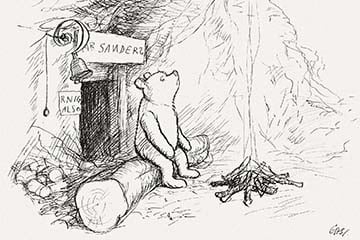
For instance, a children’s clothing brand could develop a collection inspired by Pooh’s iconic red shirt and his friends’ personalities, accompanied by blog posts exploring the importance of imaginative play and early literacy. A specialty food retailer might craft content around "A Taste of the Hundred Acre Wood," featuring honey-based recipes or artisanal honey products, perhaps even delving into the nutritional benefits of honey for children. Home goods stores could offer decor items that evoke the whimsical charm of the Hundred Acre Wood, with articles discussing how to create a cozy and imaginative children’s bedroom. Even a stationery company could design products featuring Pooh and his companions, with accompanying content on the art of letter writing and the value of handwritten notes, mirroring the timeless feel of Milne’s stories. The enduring appeal of Winnie-the-Pooh lies in its universal themes of kindness, adventure, and the simple joys of life, making it a versatile and evergreen subject for content marketing.
Halloween UGC: Harnessing the Power of Authentic Consumer Voices
As the leaves turn and the air grows crisp, the spookiest of holidays, Halloween, descends. This festive period is not only a significant cultural event but also a substantial economic driver for retailers, with U.S. consumer spending projected to exceed $13 billion in 2026. While candy and costumes represent significant portions of this spending, decorations, entertainment, and even the burgeoning pet costume market contribute substantially to the overall economic impact.
In this landscape, content marketers can powerfully combine retail promotion with the authentic voice of user-generated content (UGC). The rise of generative artificial intelligence (AI) has made polished, synthetic content abundant and cost-effective. However, AI-generated material inherently lacks the crucial element of genuine human experience and endorsement. It cannot authentically prove that real people use, enjoy, and recommend a product.
This is where UGC shines. Customer photographs, videos, reviews, and social media posts offer the irrefutable evidence and social proof that synthetic content simply cannot replicate. Major social platforms are increasingly recognizing this distinction. Pinterest, for example, has begun labeling AI-generated images and provides users with options to reduce their visibility in certain categories. Similarly, TikTok and Meta have implemented measures to identify and label AI-generated content, signaling a growing emphasis on transparency and authenticity within the digital space.
For e-commerce businesses, October offers an ideal opportunity to solicit and showcase UGC. An online retailer could launch a campaign inviting customers to submit photos and videos of their Halloween costumes, home decorations, party recipes, or even their pets adorned in festive attire, all featuring the company’s products. A kitchenware merchant might curate a gallery of "Creepy Cakes and Spooky Sweets" created by customers using their baking tools. An apparel seller could highlight customer-created Halloween costumes made with their clothing items. A pet supply store could encourage submissions of costumed dogs, cats, and other furry (or not-so-furry) friends. The most compelling UGC can then be repurposed into engaging blog posts, vibrant social media updates, compelling email newsletters, eye-catching product page galleries, or even serve as the foundation for a Halloween-themed contest, further incentivizing participation and extending brand reach. The inherent trustworthiness and relatability of UGC make it an invaluable asset in building brand credibility and driving consumer engagement, particularly during a holiday season that thrives on shared experiences and creative expression.
AI Versus Expert: Navigating the Nuances of Information and Expertise
October’s seasonal shifts provide a natural backdrop for exploring the dynamic interplay between artificial intelligence and human expertise. As the weather turns cooler, consumers engage in a range of seasonal chores: winterizing homes, preparing vehicles for colder climates, storing summer equipment, planning elaborate holiday meals, and retrieving warmer clothing from storage. These activities, deeply intertwined with product consumption, present numerous content marketing opportunities.
A compelling content strategy involves posing a specific task or question to popular AI assistants such as ChatGPT, Claude, or Gemini, and then engaging a human expert to critically evaluate the AI’s response. This comparative approach allows marketers to highlight what AI gets right, identify its limitations or inaccuracies, and, crucially, demonstrate a superior or more nuanced approach. This can be particularly effective for products requiring practical application or specialized knowledge.
Consider a hardware store. A customer might ask an AI for instructions on how to properly insulate a drafty window. The AI might provide a general overview. An expert from the hardware store, however, could then create content detailing different types of insulation materials, the specific tools required, safety precautions, and perhaps a step-by-step demonstration of a more effective, professional-grade method. This not only educates the consumer but also subtly positions the store as a source of reliable, expert advice.

For an automotive parts retailer, content could focus on preparing a car for winter. An AI might list basic checks like tire pressure and fluid levels. A mechanic, however, could offer insights into seasonal tire changes, the importance of specific antifreeze grades, battery health checks in cold weather, and common winter driving hazards that a simple AI query might overlook.
Similarly, a sporting goods store could explore the AI-generated advice on storing summer sports equipment versus an expert’s detailed guidance on cleaning, drying, and protecting items like kayaks, bicycles, or camping gear to ensure longevity. The key is to leverage the AI’s ability to quickly generate information as a starting point, and then infuse that information with the depth, practical experience, and nuanced understanding that only a human expert can provide. This "AI vs. Expert" format not only educates consumers but also builds trust and positions the brand as a knowledgeable authority in its field, capable of offering more than just product sales. The implications are significant: by demonstrating a clear advantage over AI in practical advice, businesses can foster deeper customer relationships and differentiate themselves in an increasingly AI-saturated digital landscape.
Archives Month: Unearthing History for Modern Relevance
October is designated as American Archives Month, an annual observance dedicated to raising awareness about the invaluable role of archives and the dedicated individuals who preserve them. For e-commerce businesses, this presents a unique opportunity to delve into their own corporate histories and transform forgotten relics into engaging contemporary content.
The archives of a retail business can be a treasure trove of material. Old catalogs, vintage photographs, historical advertisements, original packaging designs, past newsletters, and even retired product lines can all serve as rich source material for compelling articles, captivating videos, and shareable social media posts. This historical perspective can offer customers a fascinating glimpse into the evolution of products, brands, and consumer trends.

An established apparel retailer, for instance, could create a series of posts showcasing how fashion styles have transformed over the decades, juxtaposing images from old catalogs with contemporary offerings. A gardening supply merchant might present a visual comparison of the tools and equipment they sold 10 or 20 years ago with their modern counterparts, highlighting advancements in design, efficiency, and sustainability.
For businesses that are themselves historical artifacts, the archives can offer profound storytelling opportunities. Imagine a kitchenware company unearthing early catalogs detailing the evolution of iconic cookware, such as the cast iron skillet. Content could explore the craftsmanship of earlier eras, the shift in manufacturing techniques, and the enduring appeal of classic designs. Similarly, a bookstore could revisit its early inventory, perhaps highlighting influential authors or significant literary movements that shaped its collection over time.
Even for newer companies, exploring the broader industry archives can be illuminating. Researching the history of a particular product category – be it electronics, home decor, or personal care items – can provide valuable context and demonstrate a deep understanding of the market. This historical engagement can foster a sense of heritage and authenticity, connecting with consumers on a deeper emotional level. By embracing Archives Month, businesses can not only generate unique content but also reinforce their brand’s legacy and demonstrate a commitment to understanding the past, which often informs a more insightful approach to the future. The ability to weave historical narratives into modern marketing strategies can create a powerful sense of continuity and trust, resonating with consumers who value transparency and a company’s enduring story.
News Hooks: Capitalizing on Current Events for Engagement
In the fast-paced world of e-commerce, a well-timed news hook can be an invaluable tool for capturing audience attention, fostering engagement, and ultimately driving customer retention. Content marketers who are adept at monitoring current events and identifying relevant connections to their brand can significantly amplify their reach.
The essence of a news hook lies in its ability to tap into a current conversation or trending topic, providing a unique perspective that aligns with the brand’s offerings or values. While the specific events that will dominate headlines in October 2026 remain unknown, marketers can prepare by establishing robust systems for monitoring relevant news, industry trends, public figures, and cultural topics that resonate with their target audience.
A compelling example of this strategy can be seen in the context of rapid advancements in artificial intelligence. A statement made by a prominent public figure, such as Elon Musk, regarding the future capabilities of AI can quickly become a significant news item. For instance, a hypothetical statement from Musk predicting AI’s superhuman performance in digital tasks by the end of the following year could serve as a powerful hook for a variety of businesses.
A website specializing in science fiction merchandise, for example, could quickly leverage such a statement to create an article titled "Science Fiction Foresaw Musk’s AI Future." This content would explore how the themes and predictions discussed by Musk have long been a staple of science fiction literature and film, drawing parallels between futuristic narratives and current technological trajectories. The article could then subtly promote relevant merchandise, such as t-shirts featuring classic sci-fi motifs or books that explore the philosophical implications of advanced AI.
The key to successfully employing news hooks is agility and relevance. E-commerce content marketers must be prepared to react swiftly when a significant event or statement emerges that has a clear, logical connection to their products or brand narrative. This requires a proactive approach: continuously scanning news feeds, social media trends, and industry publications. When a strong link is identified, the ability to produce timely, insightful, and engaging content can transform a fleeting news cycle into a sustained opportunity for audience connection and brand building. By demonstrating an awareness of the broader cultural and technological landscape, and by artfully weaving their brand into these conversations, businesses can establish themselves as relevant and dynamic voices in their respective markets, fostering deeper engagement and loyalty among their customer base. The strategic use of news hooks underscores the dynamic nature of modern content marketing, where staying informed and being adaptable are paramount to success.

