
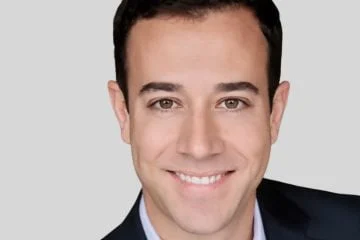
BK Beauty, the direct-to-consumer cosmetics brand founded by Paul and Lisa Jauregui in Austin, Texas, has embarked on a dynamic journey since its inception seven years ago. Initially making waves with $1 million in first-year revenue, the company has consistently adapted to the ever-changing digital commerce environment. A significant chapter in BK Beauty’s growth narrative involved its early adoption of TikTok Shop, a platform that proved to be a pivotal inflection point. However, the looming prospect of a U.S. ban on TikTok in 2025 prompted a strategic retreat, a hiatus that proved to be short-lived as the brand has now re-engaged with the platform and simultaneously achieved notable success on major retail marketplaces like Ulta Beauty. This report delves into BK Beauty’s strategic maneuvers, the financial implications of its platform choices, and its ambitious plans for future growth.
The TikTok Shop Rollercoaster: From Golden Age to Strategic Re-engagement
BK Beauty’s involvement with TikTok Shop began in August 2023, positioning them as one of the platform’s pioneering merchants. Paul Jauregui described the initial 18 months as the "golden age" of TikTok Shop, a period characterized by exceptionally high organic conversion rates that significantly propelled the brand’s growth. "We saw the full life cycle of the platform – the good, the bad, and the ugly," Jauregui stated in a recent interview. "TikTok Shop was a huge inflection point for our brand."
The landscape began to shift as the platform transitioned into a "pay-to-play" model, a departure from its earlier organic-driven success. This change, coupled with growing uncertainty surrounding the potential U.S. ban on TikTok slated for 2025, led BK Beauty to temporarily pull back from the platform. "We didn’t know if it would survive," Jauregui explained, referring to the looming ban. "And at the same time, the platform became pay-to-play, unlike the golden age when organic conversions were through the roof."
However, the withdrawal from TikTok Shop revealed a critical dependency. Conversions on BK Beauty’s other sales channels experienced a slowdown, prompting a strategic re-evaluation. By 2026, the company decided to refocused its efforts on TikTok Shop, recognizing its enduring importance as a "core discovery engine" for the brand. Jauregui elaborated on this renewed commitment, stating, "In our experience, what happens there carries across all other channels. We’re rebuilding our TikTok Shop exposure now."
The Economics of "Pay-to-Play" on TikTok Shop
The shift to a "pay-to-play" environment on TikTok Shop has introduced new financial considerations for brands like BK Beauty. Jauregui highlighted TikTok’s GMV Max, an advertising product, as a crucial investment for customer acquisition. "Without investing in GMV Max, our customer acquisition would likely go nowhere," he admitted, while also noting the cumulative cost of these fees.
Effective utilization of GMV Max requires substantial content penetration. The more diverse and engaging the creative assets, the more efficient the ad campaigns are expected to be. Beyond direct advertising spend, BK Beauty has significantly increased its investment in product sampling and creator retention. The monthly allocation of product samples to creators has surged from approximately 200 to around 1,000. Fortunately, BK Beauty’s core products, makeup brushes and tools, are not consumable, allowing for prolonged creator endorsement.
A significant challenge in this re-engagement phase is the saturation of top TikTok creators with BK Beauty’s existing product line. "Our biggest challenge now is that the top TikTok creators already have our products. It does not benefit us to keep sending the same products to the same people," Jauregui explained. The added cost of selling commissions on the platform further contributes to the overall expenditure. Despite these hurdles, BK Beauty is five months into its rebuild on TikTok Shop and reports positive progress, albeit with ongoing learning.
Creator Ecosystem: Tiered Engagement and Strategic Selection
BK Beauty employs a tiered approach to creator engagement, aligning with TikTok’s own classification system. This strategy acknowledges that not all creators deliver the same level of impact in terms of Gross Merchandise Volume (GMV). TikTok categorizes creators from L1 to L7, with L3 creators typically generating an average of $25,000 in monthly GMV across all brands. L7 creators represent the platform’s top performers.
Jauregui emphasized the importance of engaging and retaining creators from L3 upwards. This tiered system allows BK Beauty to tailor its outreach and incentives, ensuring that resources are allocated to creators who can drive significant sales and brand visibility. The company’s focus on building a robust creator ecosystem has been a cornerstone of its business model since its inception, a strategy that continues to be refined as the digital landscape evolves.
Expanding Horizons: The Ulta Beauty Marketplace Advantage
Beyond the dynamic world of social commerce, BK Beauty has made significant strides in establishing a presence on major retail marketplaces. In December, the company launched on the Ulta Beauty Marketplace and Nordstrom Marketplace, with Ulta emerging as a particularly impactful channel. Ulta Beauty operates as a curated marketplace, inviting brands to participate rather than accepting all applications, a testament to BK Beauty’s established reputation and product quality.
This strategic move addressed a critical gap in BK Beauty’s previous marketing efforts. While the brand had cultivated strong relationships with creators and enjoyed substantial coverage, it experienced annual "blackout periods" where brand conversation dwindled. These lulls often coincided with major tentpole events hosted by retailers like Ulta’s "21 Days of Beauty" and the Nordstrom Anniversary Sale. During these periods, the sheer volume of promotional activity for these events diverted consumer attention and share of voice.
BK Beauty’s inclusion in the Ulta Beauty Marketplace provided an opportunity to actively participate in these key retail moments. During the March "21 Days of Beauty" event, BK Beauty was featured with premium placement on Ulta’s homepage. In exchange for this visibility, the brand offered a compelling promotion: a 50% discount on a specific item for a single day. This strategic offer not only generated significant sales but also reignited creator conversations around the brand. Within 24 hours, BK Beauty sold over 20,000 units of the featured product, making it the top-selling SKU on Ulta.com for that day.
Channel Breakdown and Future Wholesale Considerations
The integration of Ulta Beauty into BK Beauty’s sales strategy has further diversified its revenue streams. Currently, the company’s branded website, BKBeauty.com, accounts for approximately 50% of its revenue. TikTok Shop and Amazon each contribute around 20%, with Ulta now representing roughly 10%.
While the success on Ulta has been encouraging, BK Beauty has cautiously considered the development of a broader wholesale channel. Jauregui acknowledged that wholesale operations require a different set of business "muscles" compared to the direct-to-consumer model. Ulta remains the primary target for any future wholesale exploration. The company’s caution stems from a deep understanding of its brand, business, and customer base, which it believes it knows better than any potential wholesale partner. This self-reliance and intimate knowledge of its market have been foundational to BK Beauty’s success thus far.
Looking Ahead: Sustaining Growth in a Competitive Market
BK Beauty’s journey exemplifies the agility and adaptability required for brands to thrive in the contemporary e-commerce landscape. From mastering the nuances of social commerce platforms like TikTok Shop to securing prime positions on established retail marketplaces like Ulta Beauty, the company has demonstrated a keen understanding of market dynamics and consumer behavior.
The strategic re-engagement with TikTok Shop, despite its evolving cost structures, underscores its continued value as a primary discovery engine. Simultaneously, the success on Ulta signifies the importance of omnichannel strategies and leveraging established retail partnerships to reach new customer segments and capitalize on high-traffic retail events.
As BK Beauty continues to expand its product offerings and refine its distribution strategies, its ability to navigate these complex channels will be crucial. The company’s commitment to fostering strong creator relationships and its data-driven approach to marketing and sales will likely pave the way for continued growth and influence in the competitive beauty industry.
For those wishing to connect with BK Beauty and its founders, the company’s website is BKbeauty.com. Paul Jauregui maintains an active presence on X (formerly Twitter) and LinkedIn, providing insights into the brand’s ongoing development and industry trends.

