
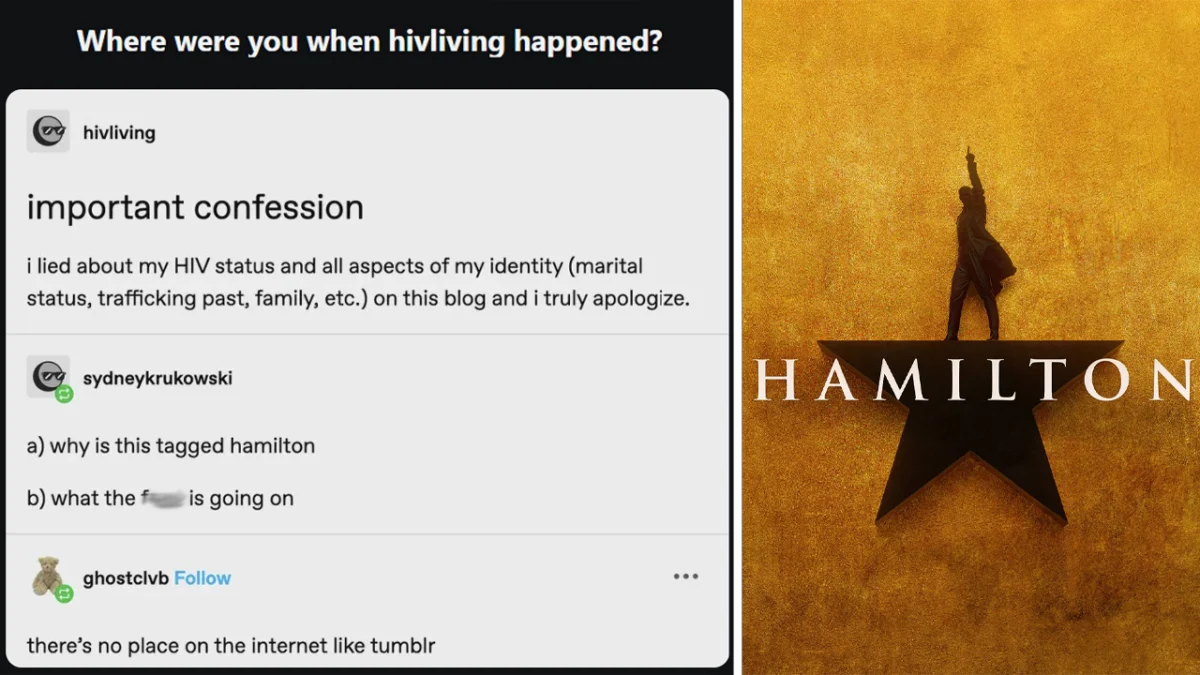
The digital landscape of the mid-2010s, particularly on the microblogging platform Tumblr, was defined by a unique intersection of social activism, intense fandom devotion, and a burgeoning culture of identity-based discourse. Within this environment, a controversy emerged in 2017 that would become a cornerstone of internet lore: the HIVliving scandal. What began as a platform for HIV/AIDS awareness and activism was revealed to be an elaborate fabrication involving identity theft, financial solicitation under false pretenses, and a complex web of motivations tied to the Lin-Manuel Miranda musical Hamilton. The exposure of the HIVliving account not only disrupted the Hamilton fandom but also prompted a broader discussion regarding the ethics of digital representation and the vulnerabilities of online communities.
The Origins and Rise of HIVliving
In early 2016, the Tumblr blog HIVliving was established with the stated mission of providing resources, sharing personal narratives, and advocating for the rights of those living with HIV. At the height of its popularity, the account was perceived as a vital voice for a marginalized community, blending activism with the creative output of the Hamilton fandom. The blog’s administrators presented themselves as two distinct individuals: "Naj," a lesbian woman of color and U.S. expatriate living in India, and "Israa," a nonbinary Chinese-Pakistani survivor of human trafficking, also residing in India. Both claimed to be HIV-positive.
The account’s credibility was bolstered by its engagement with "To Scale the Blue Sky," a popular Hamilton high school Alternate Universe (AU) fanfiction. In this story, several historical figures—reimagined as modern students—were depicted as living with HIV. By positioning themselves as "own voices" creators—individuals sharing the same marginalized identities as their characters—the administrators of HIVliving gained significant moral authority within the fandom. Their posts frequently addressed the nuances of HIV-related stigma, the legalities of disclosure, and the daily realities of managing a chronic illness in a developing nation.
Chronology of the Controversy
The timeline of the HIVliving scandal spans approximately eighteen months, moving from the account’s inception to its eventual dissolution following a public investigation.
2016: The HIVliving blog is launched. It quickly gains traction by participating in Hamilton fandom discussions and providing what appeared to be educational content regarding HIV. The "own voices" status of Naj and Israa makes the account a protected and respected entity in social justice-oriented circles.
September 26, 2016: Naj, posting through the secondary account @allolesbean, shares a detailed personal narrative regarding their life with HIV. The post is widely shared and cited as a poignant example of the challenges faced by HIV-positive individuals.
Late 2016 – Mid-2017: HIVliving becomes a recommended resource for fans wanting to write HIV-positive characters respectfully. The blog takes hardline stances on community issues, including the condemnation of "sanism" and the defense of non-disclosure in specific contexts. During this period, Naj begins sharing a Cash.me link, soliciting donations for medical expenses and living costs in India.
October 2017: Suspicions begin to mount. A Tumblr user known as digoxin-purpurea, another member of the Hamilton fandom, initiates a private investigation into the account’s claims. The catalyst for the investigation was the Cash.me link, which digoxin-purpurea noted was registered to a United States-based financial entity, contradicting Naj’s claims of residing in India.
October 27, 2017: Digoxin-purpurea publishes a comprehensive "call-out" post titled "WHAT HAPPENED WITH HIVLIVING." The post details the discrepancies in the account’s narrative, including IP address inconsistencies and the impossibility of certain biographical details.
Late October 2017: Following the investigation’s publication, the individual behind the HIVliving account issues a full confession. They reveal that "Naj" and "Israa" were entirely fictional personas. The account was operated by a white, HIV-negative female college student living in the United States.
The Mechanics of the Deception
The HIVliving hoax was sophisticated in its execution, utilizing the "social capital" of marginalized identities to deflect scrutiny. By claiming to be a nonbinary person of color and a trafficking survivor living with a stigmatized illness, the creator established a shield against criticism. In the fandom culture of the time, questioning the lived experience of such an individual was often viewed as an act of aggression or bigotry.
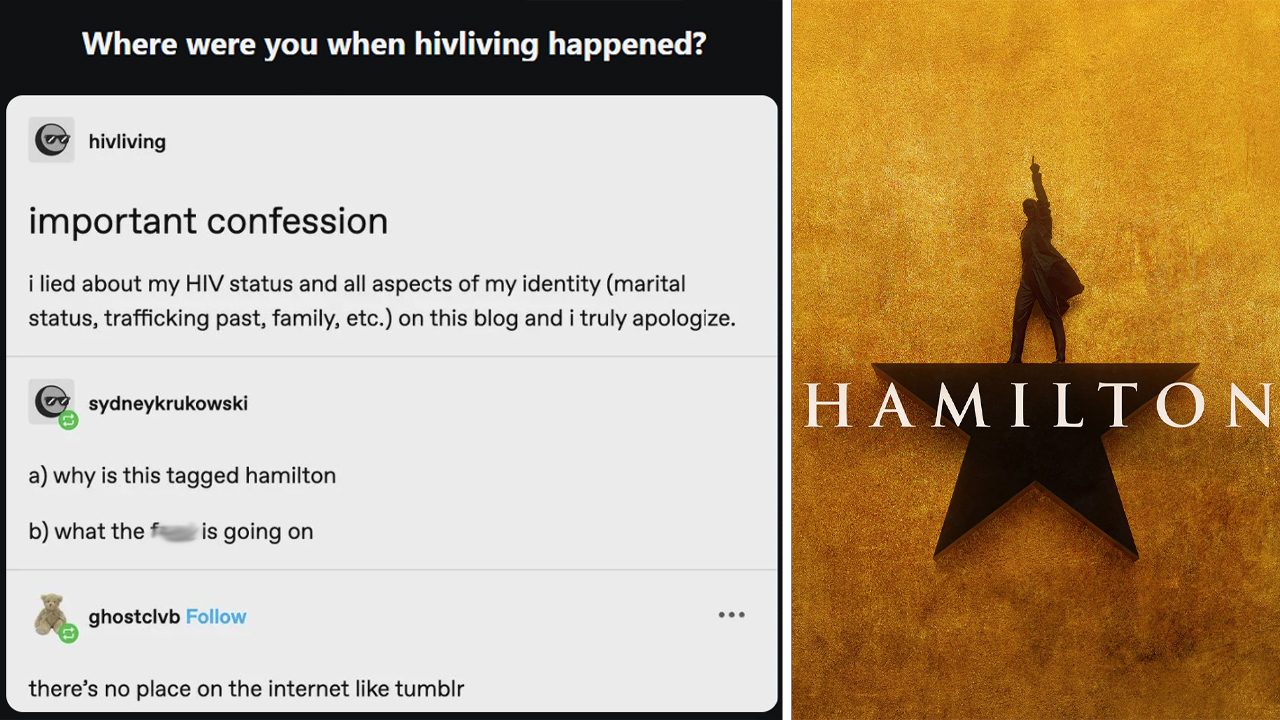
The financial aspect of the scandal added a layer of potential criminality to the deception. While the total amount of money collected through the Cash.me link remains unconfirmed, the solicitation of funds based on a fabricated illness and false identity constitutes a significant breach of trust and potential fraud. In the confession post, the creator promised to reimburse donors, though no public evidence has surfaced in the years since to confirm that these repayments were ever processed.
Fandom Dynamics and the "Shield" of Activism
A central question arising from the investigation was the motivation behind such an elaborate ruse. Digoxin-purpurea and other community members argued that the HIVliving personas were created primarily to provide "social cover" for the creator’s fanfiction. In the 2016-2017 era of Tumblr, "discourse" regarding the ethics of fanfiction was rampant. Authors were often criticized for writing about identities they did not personally inhabit, particularly regarding race, sexuality, and disability.
By creating the HIVliving blog, the author effectively "vetted" their own fanfiction. They used the activism blog to create a demand for HIV representation and then filled that demand with their own stories, all while claiming the authority of a person living with the virus. This allowed the author to avoid the "problematic" label often applied to outsiders writing about sensitive topics. The Hamilton fandom, which was already highly sensitive to issues of representation due to the musical’s diverse casting, proved to be an ideal environment for this type of identity-based manipulation.
Broader Impact and Community Reactions
The revelation of the hoax sent shockwaves through the Hamilton fandom and the wider Tumblr community. The reactions were characterized by a mix of betrayal, anger, and a reassessment of online "call-out" culture.
-
Impact on HIV/AIDS Activism: Actual activists and individuals living with HIV expressed concern that the scandal would lead to increased skepticism toward genuine accounts of illness. The fabrication of medical trauma for social or financial gain was condemned as a profound insult to those facing the reality of the epidemic.
-
Erosion of Trust in "Own Voices" Claims: The scandal served as a cautionary tale regarding the verification of identities in anonymous online spaces. It highlighted the ease with which "digital blackface" or "digital brownface"—the practice of white individuals adopting non-white personas online—could be used to manipulate social dynamics.
-
The "Cannibal Mermaid" Subplot: The controversy was further complicated by the history between the investigator, digoxin-purpurea, and the HIVliving followers. It was alleged that followers of HIVliving had previously harassed digoxin-purpurea over a specific piece of fanfiction involving "Cannibal Mermaids," leading some to view the investigation as an act of personal retaliation. This highlighted the often-incestuous nature of fandom feuds, where personal grievances and moral crusades frequently overlap.
Comparative Analysis of Tumblr Lore
The HIVliving scandal is often categorized alongside other major Tumblr controversies, such as the "John Green Text Post Editing Scandal." While the John Green incident involved the humorous (though controversial) manipulation of a celebrity’s words to create a sexually explicit copypasta, the HIVliving case was viewed with much greater severity due to its themes of illness, race, and financial exploitation.
Unlike the relatively harmless "Cock is one of my favorite tastes" meme, the HIVliving situation resulted in tangible harm: the misappropriation of resources meant for the marginalized and the poisoning of the well for future digital activism. Both incidents, however, underscore the technical and social vulnerabilities of Tumblr, where the ability to reblog, edit, and remain anonymous allowed for both creative play and malicious deception.
Conclusion and Implications for Digital Governance
The HIVliving / Hamilton AIDS fanfiction controversy remains a landmark case study in the sociology of online communities. It demonstrates how the very tools designed to empower marginalized voices—anonymity, community-led activism, and the "own voices" movement—can be co-opted by bad actors to gain influence and financial reward.
For platforms like Tumblr, and later successors like Twitter and TikTok, the scandal emphasized the need for better literacy regarding online misinformation. It also served as a precursor to more modern discussions about "clout-chasing" and the performative nature of digital identity. As online spaces continue to evolve, the legacy of HIVliving serves as a reminder that in the absence of verification, identity can become a commodity, and activism can become a mask for personal or creative agendas. The event remains a somber chapter in the history of internet fandom, illustrating the high cost of misplaced trust in the digital age.

