
The emergence of viral allegations involving Jack Schlossberg, the grandson of President John F. Kennedy and a rising figure in American political media, has highlighted the increasing vulnerability of public figures to sophisticated and rapid-fire digital misinformation. In mid-September 2026, a series of TikTok videos posted by a user identified as Aurelia Ramirez sparked a firestorm of social media discourse by claiming that Schlossberg had engaged in a pattern of serial infidelity involving approximately 200 women in New York City. While the claims were quickly scrutinized and largely debunked by internet sleuths as a coordinated hoax or "clout-chasing" maneuver, the event serves as a significant case study in the intersection of celebrity culture, political legacy, and the "parasocial" dynamics of platforms like TikTok and X.
Overview of the Allegations and Immediate Viral Spread
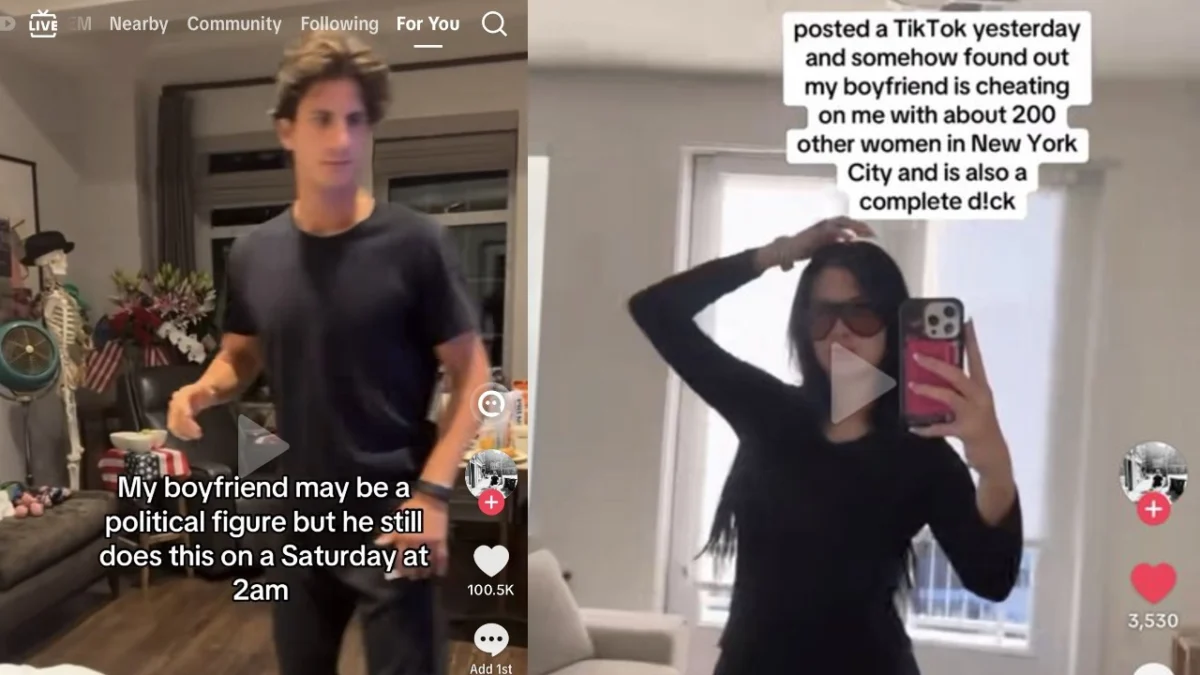
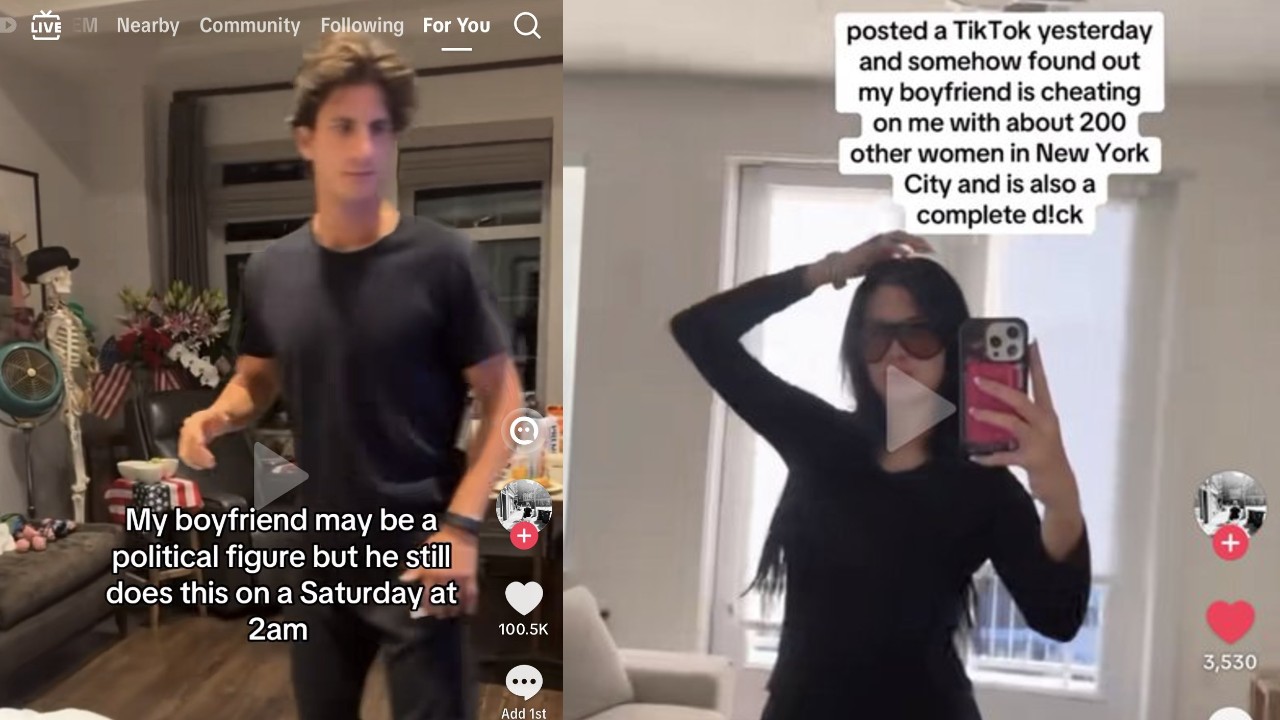
The controversy began on or around September 13, 2026, when a TikTok creator named Aurelia Ramirez began posting content that suggested a romantic entanglement with Jack Schlossberg. The initial video featured footage of Schlossberg on a hoverboard, accompanied by a caption that framed him as a relatable but eccentric partner: "My boyfriend may be a political figure but he still does this on a Saturday at 2am." This post utilized the common "soft-launch" aesthetic prevalent on social media, where individuals hint at high-profile relationships to garner engagement.
The situation escalated dramatically the following day. Ramirez posted a follow-up video—a mirror selfie—with a caption that alleged a massive betrayal. The text stated that after posting the previous video, she had discovered Schlossberg was "cheating on me with about 200 other women in New York City" and described him as a "complete d!ck." The sheer scale of the allegation, combined with Schlossberg’s status as a member of the Kennedy family, acted as a catalyst for immediate viral distribution.
By September 14, screenshots of these TikTok posts transitioned to X (formerly Twitter), where a post by user @raqisright garnered over 47,000 likes in less than 48 hours. The narrative quickly moved beyond the initial claims of cheating, morphing into a broader cultural conversation about the Kennedy family’s historical reputation and the modern "hey girly" culture of TikTok, where women crowdsource information to expose unfaithful partners.
Chronology of the Event
The timeline of the Schlossberg allegations demonstrates the rapid lifecycle of modern digital rumors:
- September 13, 2026: Aurelia Ramirez posts the first TikTok video featuring repurposed footage of Jack Schlossberg, claiming he is her boyfriend. The video gains traction within niche "influencer snark" communities.
- September 14, 2026 (Morning): Ramirez posts the "cheating" allegation, claiming 200 counts of infidelity. The account is subsequently deleted or deactivated shortly after the video begins to peak in engagement.
- September 14, 2026 (Afternoon): High-traffic accounts on X and Instagram repurpose the screenshots. The /r/NYCinfluencersnark subreddit begins a deep dive into the veracity of the claims.
- September 15, 2026: Digital forensics by social media users reveal that the footage used by Ramirez was not original. Observers note that a 2024 presidential debate is visible on a television in the background of the "hoverboard" video, confirming the footage was at least two years old and previously available on Schlossberg’s own social media archives.
- September 16, 2026: The consensus shifts toward the event being a hoax. However, the meme cycle continues, focusing on the "Kennedy genes" and the perceived inevitability of the allegations regardless of their factual basis.
Anatomy of a Digital Hoax: The Evidence for Fabrication
The debunking of the Ramirez allegations relied on the collective effort of social media users who identified several inconsistencies in the content. The primary piece of evidence was the source of the video footage. The clip of Schlossberg on a hoverboard was identified as an "Instagram Story" post that Schlossberg himself had shared years prior.
Furthermore, the environmental cues within the video provided definitive proof of its age. Analysts on X, such as user @Lptyuu, pointed out that the television screen in the background of the hoverboard video showed a broadcast of a 2024 presidential debate. Given that the allegations were being made in late 2026, the use of two-year-old footage to suggest a "current" Saturday night interaction was a clear indicator of fabrication.
The "200 women" figure also raised red flags for many observers. In the context of viral "tea" (gossip) culture, hyperbolic numbers are often used to ensure a post enters the algorithmic "For You" page on TikTok. Critics labeled the content as "internet slop"—a term used to describe low-quality, deceptive content generated specifically to exploit platform algorithms for views or followers.
Public Reaction and the Weight of the Kennedy Legacy
Despite the rapid debunking of the specific claims made by Ramirez, the allegations resonated with the public due to the storied history of the Kennedy family. For decades, the personal lives of Schlossberg’s ancestors, including President John F. Kennedy and Senator Robert F. Kennedy, have been the subject of intense public fascination and scrutiny regarding their fidelity.
This historical context allowed the hoax to take root more deeply than it might have for a different public figure. On X, user @prncessdianavar summarized this sentiment in a post that garnered over 36,000 likes: "When a Kennedy cheats on you, it’s a sign of great respect in their culture." Other users utilized the "Long Day Factory" meme format, suggesting a metaphorical assembly line where Kennedys are "manufactured" to be unfaithful.
This reaction highlights a phenomenon where the factual accuracy of a rumor becomes secondary to its "narrative truth." Because the public associates the Kennedy name with a specific brand of charismatic but complicated personal behavior, the Ramirez hoax felt "plausible" to a broad audience, even as the technical evidence proved it false.
Impact on Social Media Discourse and Influencer Culture
The Schlossberg incident has broader implications for how information is consumed on platforms like TikTok and Reddit. The subreddit /r/NYCinfluencersnark, which played a role in both spreading and eventually questioning the rumors, represents a new frontier in citizen journalism—or "snark journalism"—where thousands of users collaborate to verify or deconstruct the lives of the elite.
The incident also underscores the dangers of "parasocial" accounts. There is a growing trend of social media users creating "fan-fiction" style content where they pretend to date celebrities by editing themselves into existing footage or using vague captions. When these accounts pivot from "fan content" to "allegation content," the line between entertainment and defamation becomes dangerously blurred.
Official Responses and Legal Considerations
As of the current reporting, Jack Schlossberg has not issued a formal statement regarding the specific TikTok hoax. His typical media strategy has involved maintaining an active and often humorous presence on social media, which may explain his choice to ignore the "slop" rather than elevate it with a legal or public relations response.
However, legal experts note that such hoaxes represent a growing area of concern for defamation law. The ease with which a private individual can reach millions with a false allegation poses a significant threat to the reputations of public figures. In this instance, the rapid deletion of the Aurelia Ramirez account may have been an attempt to avoid the legal repercussions of using Schlossberg’s likeness to propagate a demonstrably false narrative of serial infidelity.
Broader Impact and Future Implications
The Jack Schlossberg cheating hoax of 2026 serves as a reminder of the "post-truth" era of celebrity gossip. When a narrative aligns with long-standing cultural tropes—such as the Kennedy family’s reputation—it can bypass the standard filters of skepticism.
The event has prompted calls for better verification tools on short-form video platforms. While X has implemented "Community Notes" to provide context to viral posts, TikTok remains a platform where a single, well-timed lie can reach millions before any correction can be made. As the 2020s progress, the ability of the public to distinguish between "clout-chasing" fabrications and genuine whistleblowing will remain a critical challenge in the digital information ecosystem.
For now, Jack Schlossberg remains a prominent figure in the public eye, his reputation largely intact among those who followed the story to its conclusion, but the "200 women" meme persists as a ghost of the viral cycle—a testament to the power of a well-crafted, if entirely fictional, digital scandal.

