
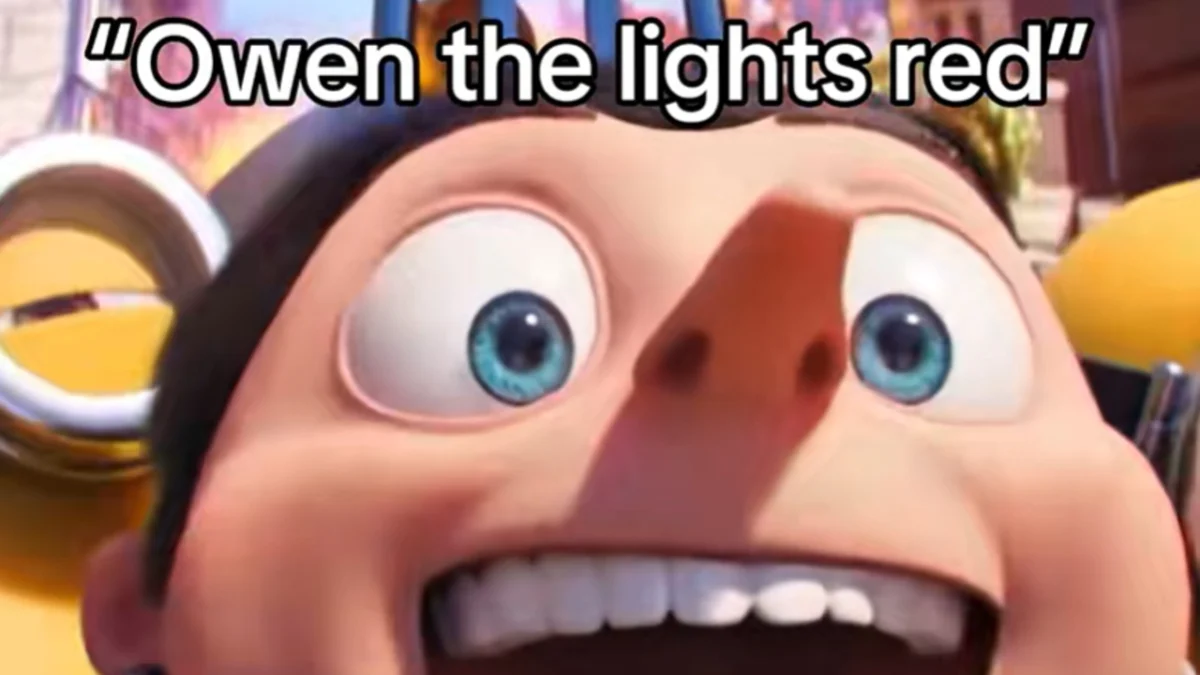
The digital landscape of 2026 has witnessed a harrowing intersection of real-world tragedy and hyper-fast meme culture following the death of 14-year-old Owen Harris. On September 12, 2026, Harris, a resident of Utah, was involved in a fatal collision while operating an electric bicycle. According to local law enforcement reports, the teenager allegedly failed to stop at a red light, leading to a high-impact collision with an oncoming motor vehicle. While the local community mourned the loss of a young life, the incident underwent a secondary, more controversial transformation on social media platforms like TikTok and Instagram. Within days, the phrase "The Light Is Red Owen" became a recurring motif in a series of dark memes that have sparked a national conversation regarding the boundaries of online humor, the safety of micro-mobility devices, and the dehumanizing effects of viral algorithms.
The Chronology of the Incident and the Viral Outbreak
The events began on Saturday, September 12, 2026, in a suburban area of Utah. Owen Harris was traveling on his e-bike—a mode of transportation that has seen a 400% increase in usage among minors over the last five years—when he approached a controlled intersection. Witnesses and subsequent traffic investigations indicated that Harris entered the intersection against a red signal. The resulting crash was fatal, and news of the tragedy began to circulate through local media outlets by September 15.
The transition from a local news story to a global digital phenomenon occurred with startling speed. On September 16, 2026, a TikTok user under the handle @zephra.posts uploaded a video featuring a clip from the animated film Despicable Me. The footage showed the character Gru and his minions accelerating rapidly in a rocket-powered vehicle, overlaid with the caption, "Owen the light’s red." The video served as the catalyst for the trend, amassing over 3.3 million views in less than 48 hours. This set a precedent for a specific "dark meme" subculture where tragic accidents are recontextualized through the lens of popular media and slapstick humor.
By September 17, the trend had diversified. Other creators began utilizing various "driving crazy" templates, such as the SpongeBob SquarePants driving school scenes and the Teen Titans Go! Beast Boy driving animations. These videos typically featured high-energy music contrasted with captions that directly referenced the fatal moment of the Utah crash. One notable iteration by user @skrozn utilized footage from the film Ghost Rider, gaining nearly 150,000 views within a single day. The rapid proliferation of this content highlights a significant shift in how younger demographics consume and process news, often through a layer of irony and detached cynicism.
Analysis of Meme Templates and Content Strategy
The "The Light Is Red Owen" memes rely on a specific set of visual and auditory cues that are characteristic of modern "brainrot" or "edgy" humor. The most common format involves a high-speed chase or a crash sequence from a well-known cartoon or movie. By mapping the tragic reality of Owen Harris’s death onto these fictional scenarios, creators distance the audience from the human suffering involved.
The use of the SpongeBob Driving Crazy format is particularly prevalent. In these memes, the character SpongeBob is shown frantically or incompetently operating a vehicle, which is then labeled as "Owen" or "Owen’s E-bike." The humor, for those who participate in it, stems from the absurdity of the comparison. However, critics argue that this process effectively turns a dead child into a punchline, stripping him of his humanity for the sake of engagement metrics.
Another recurring element is the phrase "Yo Owen the light is red," which is often delivered via text-to-speech software or stylized captions. This phrase serves as a "hook" that allows the TikTok algorithm to categorize the content alongside other trending videos, ensuring that the memes reach a wider audience. The repetitive nature of these phrases creates a linguistic "meme-plex" where the tragedy is no longer a story about a lost life, but a recognizable brand of content.
Public Backlash and the Ethics of Digital Mourning
The rise of the Owen Harris memes did not go unchallenged. By late September, a significant counter-movement emerged on TikTok and Instagram, led by users who were appalled by the lack of empathy shown toward the Harris family. On September 17, 2026, TikToker @hoopervalley8 posted a video criticizing the trend, emphasizing that Owen was not a public figure or a celebrity, but a 14-year-old child whose family was currently in the midst of a profound crisis. The video, which garnered over 1.2 million views, highlighted the "parasocial cruelty" of the internet, where users feel entitled to mock strangers for the sake of "likes."
This backlash reflects a growing divide in digital culture. On one side are the "edge-lords" and "shit-posters" who believe that nothing is sacred and that "dark humor" is a valid form of expression. On the other side are those who advocate for digital decorum and the protection of the private lives of victims. The debate has raised difficult questions for platform moderators. While these memes often technically violate policies regarding "harassment" or "glorification of self-harm/tragedy," the sheer volume of content makes automated enforcement nearly impossible.
Supporting Data: E-Bike Safety and Minor Fatalities
The tragedy of Owen Harris is part of a larger, more systemic issue involving the safety of electric bicycles. Data from the Consumer Product Safety Commission (CPSC) and the National Highway Traffic Safety Administration (NHTSA) indicates that e-bike-related injuries among teenagers have surged. In 2025, there were an estimated 55,000 emergency room visits related to e-bikes in the United States alone, with a significant percentage involving riders under the age of 16.
E-bikes often reach speeds of up to 28 mph, which is significantly faster than traditional bicycles. When combined with the developing cognitive faculties of a 14-year-old, this speed creates a dangerous environment. Law enforcement officials in Utah have noted that many young riders are unaware of the traffic laws that apply to motorized vehicles, leading to risky behaviors like running red lights or riding against traffic. The Owen Harris case has prompted local lawmakers to consider stricter age requirements and mandatory safety training for e-bike operators, though these efforts are currently in the preliminary stages.
Broader Impact and the "Algorithm of Cruelty"
The Owen Harris meme phenomenon is not an isolated incident. It follows a pattern established by other viral tragedies, such as the "Tide Pod Challenge" or the mocking of various "public freakout" victims. However, the targeting of a non-public minor marks a concerning escalation. Sociologists suggest that the "gamification" of social media encourages users to prioritize "virality" over "validity." In this ecosystem, a tragic death is simply another "content opportunity."
Furthermore, the role of the algorithm cannot be understated. Platforms like TikTok are designed to show users content that is similar to what they have already engaged with. If a user watches one "dark humor" video, the algorithm will likely serve them more, creating an echo chamber where cruelty is normalized. This creates a feedback loop where creators are incentivized to produce increasingly shocking content to capture the dwindling attention spans of the audience.
The impact on the grieving family is perhaps the most devastating aspect of this trend. In the digital age, a family’s grief is no longer private; it is subject to the commentary and mockery of millions of strangers. This "digital haunting" ensures that the family cannot escape the circumstances of their loved one’s death, as every search for his name yields a barrage of mocking videos.
Analysis of Platform Responsibility and Future Implications
As the "The Light Is Red Owen" memes continue to circulate, the pressure on social media companies to take action is mounting. While TikTok and Instagram have removed some of the most egregious videos, the decentralized nature of the trend makes it difficult to eradicate. Critics argue that these platforms have a moral obligation to implement "tragedy filters" that can detect and suppress content related to recent fatal accidents involving minors.
From a legal perspective, there is little recourse for the Harris family. In the United States, Section 230 of the Communications Decency Act generally protects platforms from being held liable for the content posted by their users. Additionally, "dark humor" is often protected under the First Amendment, making it difficult to prosecute individuals for making memes, however distasteful they may be.
The legacy of Owen Harris, therefore, remains caught in a tug-of-war between a family’s desire for a respectful memorial and the internet’s insatiable appetite for the macabre. The "The Light Is Red" trend serves as a stark reminder of the work that remains to be done in fostering a digital culture that values human life over viral engagement. As technology continues to outpace social etiquette and legal frameworks, the responsibility falls on the users themselves to decide where the line between humor and harassment should be drawn.
In conclusion, the Owen Harris memes represent a failure of digital empathy. While the incident itself was a tragic accident caused by a lapse in judgment on a Utah road, the subsequent online reaction was a deliberate choice by thousands of individuals to prioritize entertainment over basic human decency. As the dust settles on this specific trend, the broader questions about our collective digital morality remain unanswered, leaving the door open for the next tragedy to be commodified into a 15-second clip.

