
Defining the Anti-Rival: The Identities of Wawario and Wawaluigi
To understand the cultural resonance of Wawario and Wawaluigi, one must first analyze their visual and conceptual departures from the established Nintendo canon. While Wario was originally designed as a crude, exaggerated reflection of Mario, and Waluigi as a lanky, cynical mirror to Luigi, the "Wawario" duo takes these exaggerations into the realm of the uncanny.
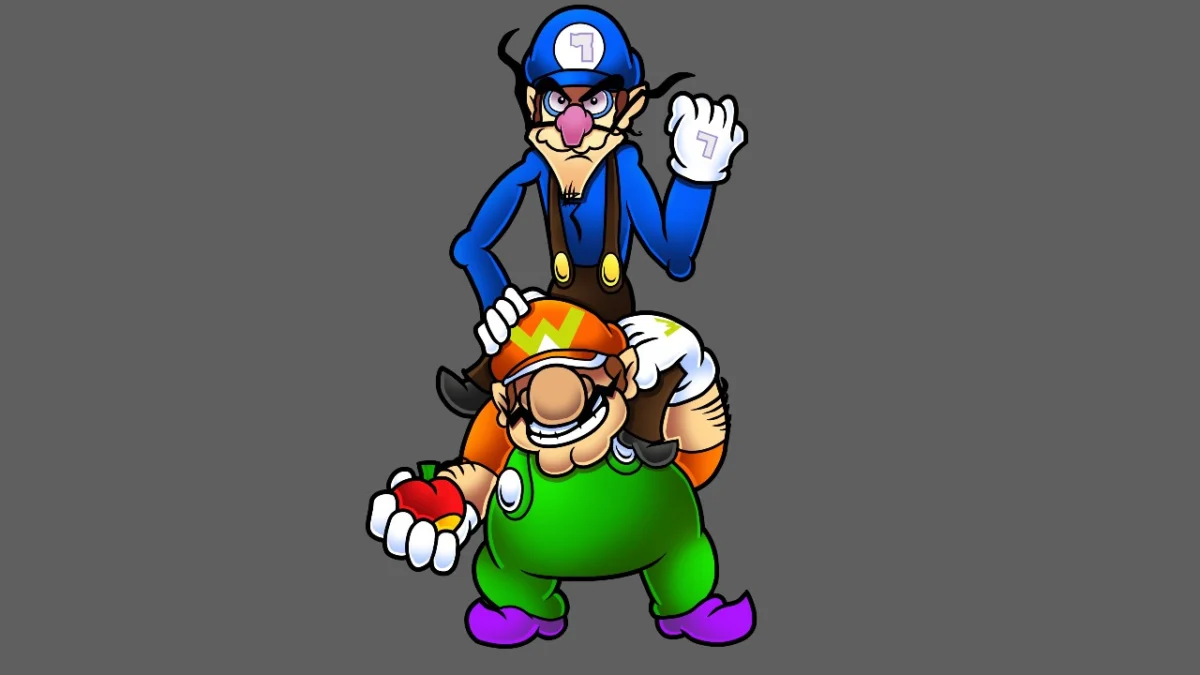
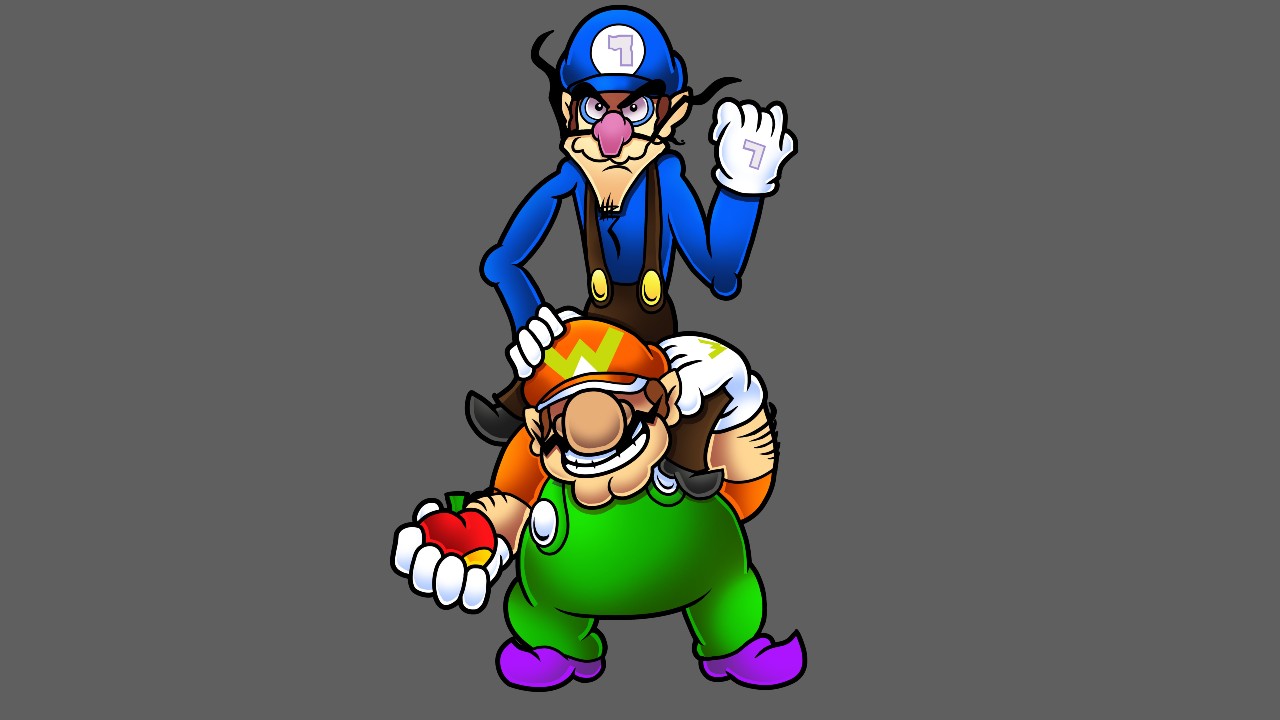
Wawario is typically depicted as a stout, imposing figure, mirroring Wario’s physical build but stripped of his more humanizing features. Most iterations of the character feature a missing tooth and a total absence of eyes, creating a haunting, hollowed-out visage. His color palette is a stark departure from Wario’s yellow and purple; instead, Wawario dons an orange hat and shirt paired with vibrant green overalls. This color inversion suggests a deeper level of opposition, moving beyond the primary colors associated with the main Mario cast.
Wawaluigi, conversely, is the "grotesque" extreme of Waluigi. If Waluigi is lanky, Wawaluigi is skeletal and rat-like. He is frequently portrayed with a hunched posture, a blue shirt, and black overalls. His most popular designs, which surfaced on platforms like DeviantArt and Fandom wikis in the mid-2010s, emphasize a "scary" or "unsettling" aesthetic. This subversion of the already-subversive Waluigi character has made him a favorite among fans of "creepypasta" and surreal internet humor.
A Decade of Development: The Chronology of an Internet Mythos
The rise of Wawario and Wawaluigi was not an overnight success but rather a slow-burn evolution that spanned over eleven years. The digital record indicates that the seeds of these characters were planted as early as 2015.
On June 23, 2015, a YouTuber known as Theguywhoplaysgames uploaded a short animation titled "Wario’s Rival." In this early work, Wario encounters a shadowy, mysterious figure named Wawario. While the animation was simple by modern standards, it established the linguistic precedent for the character. This video would eventually accumulate over 9,200 views, serving as a historical touchstone for the fandom.
The following year, on September 19, 2016, the character Wawaluigi found a home on the "The Amazing Waluigi" Fandom site. A user named JoeTheDerp created a dedicated page for the character, featuring artwork that defined Wawaluigi’s signature lanky and grotesque appearance. This move from video to a wiki format allowed for the formalization of "fan-canon," providing a space for other users to contribute to the lore and design of the character.
In November 2017, the concept of these "anti-rivals" was further solidified by X (then Twitter) user @kiophen. They posted what became known as the "Mario Brother Cube," a complex chart mapping various fan-made characters along axes of "Pureness vs. Evilness" and "Brotherly Dimensionality." This chart placed Wawario and Wawaluigi in a broader context of fan creations, such as "Ario" and "Uigi," garnering nearly 5,000 likes and establishing the duo as essential components of the expanded fan universe.
The Mid-2020s Surge: Design Standardization and Platform Dominance
Between 2021 and 2024, the characters underwent a design refinement that would eventually lead to their 2026 explosion. On September 18, 2021, a user named Cutman1987 uploaded a new design for Wawario to the Fantendo wiki. This version, featuring the now-standard orange-and-green outfit, replaced earlier shadowy iterations and provided a high-quality reference for other artists.
The most significant turning point occurred on June 23, 2024, when YouTuber RedMario posted a video showcasing a lineup of Mario fan characters. The video, which featured a narrator reading the names of characters including Wawario and Wawaluigi, became a cornerstone of the meme’s modern iteration. It amassed over 800,000 views within two years, demonstrating a growing appetite for "deep lore" and obscure fan characters. By December 2024, high-definition renders of these characters by artists like marioandpvz2021 began circulating, further legitimizing the designs within the digital art community.
The 2026 Viral Explosion: TikTok, X, and the Power of the "Lineup"
The summer and autumn of 2026 marked the transition of Wawario and Wawaluigi from niche fan characters to mainstream internet memes. This surge was driven primarily by TikTok and X, where short-form video content and fan art created a feedback loop of engagement.
In July 2026, a YouTuber named A.J.N. released a video featuring a catchy song about the character lineup. This audio became the primary catalyst for the TikTok trend. By September 2026, TikTokers like @muddyk1pp and @tabbyarrow13585 were reuploading segments of these videos, often adding their own commentary or using the "Wa-" characters in surreal comedy sketches. One such reupload gained over 133,000 views in just two weeks, while other memes referencing the characters surpassed 99,000 views in less than six days.
On X, the trend manifested through high-quality fan art. Artists such as @Redbassdumb and @V0IDEYEDPANDA posted illustrations that reimagined Wawario and Wawaluigi in the classic Super Mario Bros. art style or in "greasy," hyper-detailed versions. These posts garnered thousands of likes, proving that the characters had appeal both as ironic memes and as genuine creative prompts for the art community.
Psychological and Cultural Analysis: Why Wawario Resonates
The popularity of Wawario and Wawaluigi can be attributed to several psychological and cultural factors. First is the concept of the "Uncanny Valley." By taking familiar, beloved characters like Wario and Waluigi and stripping them of their eyes or distorting their proportions, creators tap into a sense of "weird nostalgia." This aesthetic, often referred to as "brainrot" or "slop" in modern internet parlance, thrives on the subversion of childhood icons.
Furthermore, the characters represent a form of "recursive fandom." In a digital landscape where every mainstream character has already been parodied, fans are forced to look deeper into the hierarchy of rivalry. If Wario is the opposite of Mario, then Wawario is the opposite of the opposite. This intellectual playfulness appeals to a generation of internet users who grew up with "Waluigi-ism" and other forms of ironic Nintendo fandom.
Market analysts and digital culture researchers suggest that this phenomenon also highlights the "democratization of character design." In the past, a character could only achieve global recognition through a multi-million dollar marketing campaign by a company like Nintendo. Today, a single wiki entry from 2016 or a low-budget animation from 2015 can serve as the foundation for a global trend, provided the community finds the concept compelling enough to iterate upon.
Implications for Intellectual Property and Community Creativity
The Wawario and Wawaluigi phenomenon raises interesting questions regarding the future of fan-created content and its relationship with corporate IP. While Nintendo is notoriously protective of its trademarks, the "Wa-" characters exist in a legal grey area of transformative work. They are clearly inspired by Nintendo’s world, yet they are distinct enough—and sufficiently "unofficial"—that they function as a separate entity within the cultural zeitgeist.
The success of these characters may signal a shift in how audiences engage with gaming franchises. Rather than being passive consumers of official lore, fans are increasingly acting as "co-creators" of the extended universe. This "shadow canon" of Wawarios, Bowsettes, and other fan-made entities suggests that a character’s "officialness" is becoming less important than its "meme-ability" and its ability to inspire community participation.
Conclusion: The Enduring Legacy of the "Wa-" Prefix
As of late 2026, Wawario and Wawaluigi remain fixtures of the social media landscape. What began as a shadow in a 2015 YouTube video has evolved into a complex, multi-platform artistic movement. The chronology of their rise—from Fandom wikis to the "Mario Brother Cube" and finally to TikTok stardom—serves as a roadmap for how modern internet folklore is constructed.
While the viral intensity of the 2026 surge may eventually fade, the characters have secured their place in the annals of internet history. They stand as a testament to the creativity of the gaming community and the enduring power of the "anti-hero" archetype. In the world of the internet, where everything can be subverted and every rival can have a rival of their own, Wawario and Wawaluigi represent the ultimate expression of fan-driven evolution. As long as there are characters to mirror and conventions to break, the "Wa-" legacy will likely continue to expand into even more bizarre and fascinating territories.

