

October 2026 presents a fertile ground for ecommerce content marketers to weave compelling narratives by tapping into significant cultural anniversaries, the evolving landscape of artificial intelligence, the enduring appeal of nostalgia, and the ever-present flow of breaking news. The core principle guiding successful content marketing remains consistent: fostering reciprocity. By providing valuable, informative, or entertaining content, businesses can build trust and establish deeper connections with their audiences before seeking a direct transaction. This proactive approach, grounded in offering value, is particularly potent when aligned with timely and resonant themes.
This article explores five strategic content marketing opportunities for October 2026, designed to capture attention, drive engagement, and ultimately, bolster brand loyalty in a dynamic digital marketplace.
Winnie-the-Pooh at 100: A Century of Childhood Wisdom and Brand Resonance
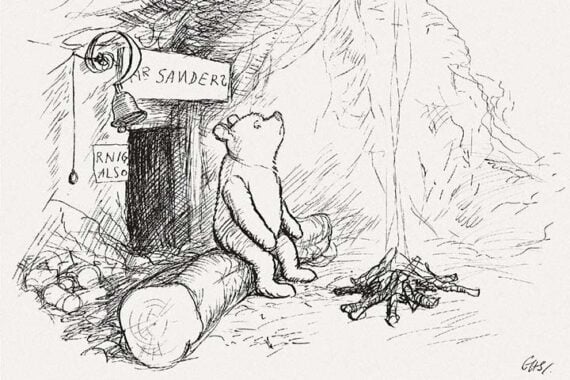
October 14, 2026, marks a significant cultural milestone: the centennial of A.A. Milne’s beloved "Winnie-the-Pooh," which first graced bookshelves in the United States and Britain in 1926. A full century later, the gentle bear from the Hundred Acre Wood continues to hold a cherished place in the hearts of generations, transcending its origins as a children’s book to become a pervasive icon in popular culture. This enduring legacy presents an unparalleled opportunity for ecommerce content marketers across a diverse range of industries to connect with consumers on a deeply emotional and nostalgic level.
The publishing world is already gearing up for this landmark anniversary, with numerous publishers announcing new editions, commemorative releases, and special collections. Beyond the direct purview of booksellers and toy retailers, Pooh’s centennial offers a remarkably broad canvas for creative content. The timeless themes embedded within Milne’s stories—childhood innocence, the steadfastness of friendship, the quiet contemplation of nature, the simple joy of reading, and even the universal appeal of honey—can be artfully woven into marketing campaigns.
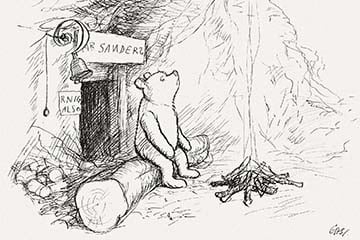
For booksellers, the opportunity is straightforward: curated collections of Pooh books, special anniversary editions, and themed displays. Toy shops can highlight classic Pooh merchandise and explore new interpretations of beloved characters. However, the reach extends far beyond these traditional sectors.
- Apparel Retailers: Could create collections inspired by Pooh’s autumnal adventures, featuring earthy tones, woodland motifs, and quotes about friendship or simple pleasures. Imagine a line of cozy sweaters with subtle embroidered bees or a range of children’s pajamas adorned with illustrations of Pooh and Piglet.
- Home Goods Stores: Might focus on the comforting and nostalgic aspects of Pooh’s world. This could include bedding with Hundred Acre Wood maps, kitchenware featuring honey pot motifs, or decorative items that evoke a sense of gentle simplicity. Content could explore creating a "cozy corner" inspired by Pooh’s room or recipes for simple, comforting treats.
- Food and Beverage Companies: Particularly those associated with honey, baked goods, or breakfast items, can directly leverage the Pooh connection. Content could include "Pooh Bear’s Favorite Honey Recipes," "A Hundred Acre Wood Picnic Guide," or even limited-edition honey products branded with Pooh imagery.
- Lifestyle and Wellness Brands: Can tap into the themes of mindfulness and simple living that Pooh embodies. Articles or social media posts could explore the benefits of slow living, finding joy in small moments, or the importance of strong friendships, all framed within the context of Pooh’s gentle philosophy.
- Educational Toy and Game Companies: Might develop content that highlights the educational values found in the Pooh stories, such as problem-solving, emotional intelligence, and the exploration of the natural world.
The centennial provides a platform for storytelling that resonates across demographics, evoking fond childhood memories for adults while introducing the enduring charm of Winnie-the-Pooh to a new generation. By thoughtfully integrating Pooh’s enduring appeal into their content strategies, brands can foster a sense of warmth, nostalgia, and shared experience, strengthening their connection with consumers.
Halloween UGC: Authenticity in the Age of AI
As the leaves turn and the air grows crisp, October’s most spirited holiday, Halloween, offers ecommerce marketers a powerful opportunity to harness the authenticity and social proof of User-Generated Content (UGC). The retail impact of Halloween is substantial, consistently exceeding $13 billion in the United States annually. While candy and costumes represent significant portions of this spending, the holiday’s economic footprint extends to decorations, entertainment, party supplies, and even the burgeoning pet costume market.
In an era where generative artificial intelligence (AI) is making polished, synthetic content increasingly abundant and cost-effective, the value of genuine human experience becomes paramount. AI, while impressive, cannot replicate the inherent trust and credibility that comes from real people using and endorsing products. This is where UGC shines. Customer photographs, videos, reviews, and social media posts serve as invaluable endorsements, offering a level of authenticity that even the most sophisticated AI-generated content cannot match.
This distinction is not lost on major social platforms. Pinterest has introduced labels for AI-generated images, allowing users to filter them out in certain categories. TikTok and Meta have also implemented similar measures to identify AI-generated or manipulated media, signaling a growing industry-wide emphasis on transparency and authenticity.
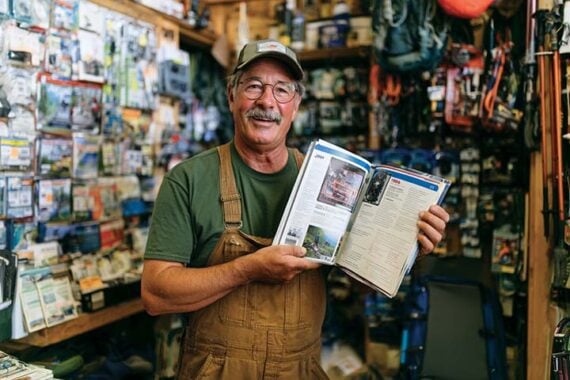
For online retailers, October provides a perfect window to actively solicit and showcase UGC. An ecommerce business can encourage customers to submit photos and videos featuring:
- Halloween Costumes: Apparel retailers can create dedicated galleries or run contests showcasing customers in their purchased costumes, highlighting the versatility and fit of their products.
- Decorations: Home goods stores and party supply businesses can invite customers to share images of their decorated homes and party spaces, offering inspiration and demonstrating the impact of their products.
- Recipes and Treats: Kitchenware and specialty food retailers can solicit submissions of Halloween-themed baked goods, spooky cocktails, or creative snack ideas prepared by customers using their products.
- Pet Costumes and Accessories: Pet supply retailers can run campaigns encouraging owners to share adorable photos of their pets in Halloween attire, tapping into the highly shareable nature of pet content.
The most compelling UGC can then be repurposed across various marketing channels. This includes:
- Blog Posts and Articles: Featuring customer stories and showcasing their creative uses of products.
- Social Media Campaigns: Running contests, highlighting customer spotlights, and using UGC in paid advertising.
- Email Marketing: Incorporating customer testimonials and visuals into newsletters.
- Product Pages: Creating galleries of customer photos and reviews to enhance product appeal and build trust.
- Website Galleries: Dedicated sections showcasing the best UGC, further solidifying community and social proof.
By prioritizing UGC, brands can leverage the power of their customer base to create authentic, relatable, and highly persuasive marketing content that stands out in a crowded digital landscape, proving that real people love and use their products.
AI vs. Expert: Navigating the Nuances of Seasonal Expertise
October signifies a period of significant seasonal transition, prompting consumers to undertake a variety of preparatory tasks. Homeowners begin winterizing their residences, motorists prepare their vehicles for colder climates, summer equipment is stored away, holiday meal planning commences, and warmer clothing is retrieved from storage. These recurring seasonal chores present a rich vein of content marketing opportunities, particularly in the context of the rapidly advancing capabilities of artificial intelligence.
A compelling content strategy can emerge from pitting AI-generated advice against the nuanced expertise of human professionals. Marketers can leverage popular AI assistants like ChatGPT, Claude, or Gemini to generate step-by-step guides or troubleshooting advice related to the products their business offers. Subsequently, a human expert in the relevant field can review, refine, and validate these AI-generated recommendations. This comparative approach not only highlights the current strengths and limitations of AI but also positions the brand as a source of reliable, expert-driven information.

The process can involve:
- AI Prompting: Formulating clear and specific questions for AI models regarding seasonal tasks relevant to the brand’s product categories. For instance, an automotive parts retailer might ask for instructions on preparing a car for winter driving.
- Expert Review: Engaging a qualified professional (e.g., a mechanic, a home improvement specialist, a gardening expert) to analyze the AI’s response. The expert can identify inaccuracies, oversights, or areas where the AI’s advice is too generic or potentially misleading.
- Demonstration of Superiority: The human expert can then provide their own, more detailed, practical, and nuanced guidance, potentially demonstrating a superior method or offering insights that an AI cannot yet grasp. This could involve practical demonstrations through video or detailed written explanations.
Consider these examples:
- Automotive Retailers: An AI might provide a list of winter car checks. An expert mechanic could then elaborate on specific vulnerabilities of certain vehicle models, demonstrate how to properly check tire pressure in cold weather, or explain the science behind antifreeze mixtures, offering advice beyond a simple checklist.
- Home Improvement Stores: An AI could outline steps for insulating a home. A seasoned contractor could then explain best practices for different insulation types, common pitfalls in DIY insulation, and the long-term benefits of professional installation, offering crucial practical wisdom.
- Gardening Supply Companies: An AI might offer advice on preparing garden beds for winter. A horticulturalist could then provide specific guidance on soil amendments based on regional climates, optimal times for pruning certain plants, and strategies for protecting delicate species, offering localized and expert knowledge.
- Outdoor Gear Retailers: An AI could list essential items for winter camping. An experienced outdoorsman could then demonstrate advanced techniques for setting up a tent in windy conditions, layering clothing for extreme cold, or selecting the most appropriate sleeping bag based on anticipated temperatures, providing real-world, high-stakes advice.
This "AI vs. Expert" content format offers a dual benefit: it educates consumers on important seasonal tasks while simultaneously showcasing the brand’s commitment to providing accurate, reliable, and expert-backed information, thereby building trust and authority.
Archives Month: Unearthing Brand History for Modern Relevance
October is recognized as American Archives Month, an annual observance dedicated to raising awareness about the significance of historical records and the vital work of archivists who preserve them. For ecommerce businesses, this presents a unique and often overlooked opportunity to delve into their own institutional histories, transforming dusty archives into engaging and valuable content for their audiences.
Every business, regardless of its age, possesses a rich tapestry of historical artifacts that can be repurposed for compelling content. This includes:

- Old Catalogs and Advertisements: These visual time capsules can illustrate the evolution of product design, marketing strategies, and consumer trends over the years.
- Photographs and Packaging: Images of early store interiors, product packaging, or company events can offer a nostalgic glimpse into the brand’s past.
- Newsletters and Company Literature: Internal communications from previous decades can provide insights into company culture, values, and milestones.
- Retired Products: Showcasing discontinued or vintage products can evoke fond memories for long-time customers and highlight the brand’s longevity and product development.
By unearthing these historical assets, ecommerce content marketers can create a variety of engaging formats:
- "Then and Now" Articles: Comparing past product offerings or marketing campaigns with their present-day counterparts. For example, an apparel retailer could showcase how fashion styles have transformed over decades, while a gardening supply company might compare historical tools and techniques with modern innovations.
- Video Content: Short documentaries or social media clips detailing the brand’s founding story, key turning points, or the evolution of a signature product.
- Social Media Series: A weekly or monthly feature highlighting a "Throwback Thursday" artifact, a "Vintage Ad of the Week," or "Product Spotlight: Then and Now."
- Interactive Timelines: Digital timelines on the company website that allow users to explore key moments in the brand’s history.
- Customer Engagement Campaigns: Inviting long-time customers to share their own memories or experiences with older products, further enriching the archival narrative.
For businesses that may not have decades of history, "archives" can also refer to industry-specific historical data and developments. A kitchen supply shop, for instance, could explore the evolution of cookware, such as the enduring appeal and changing manufacturing of cast iron skillets. Similarly, a technology retailer could chronicle the progression of computing devices or home entertainment systems.
By embracing American Archives Month, brands can not only honor their heritage but also create content that fosters a sense of authenticity, loyalty, and connection with their audience, demonstrating a deep-rooted commitment to their craft and customers.
News Hooks: Agility in Capturing Timely Relevance
In the fast-paced digital ecosystem, the ability to capitalize on breaking news and trending topics is a critical component of effective content marketing. A well-timed "news hook" can serve as a powerful catalyst for attracting, engaging, and retaining customers by tapping into current conversations and demonstrating a brand’s awareness and relevance.
The key to leveraging news hooks lies in agility and foresight. While specific events cannot be predicted, content marketers can cultivate a proactive stance by continuously monitoring news cycles, industry developments, prominent public figures, and cultural conversations that align with their brand’s niche and target audience.
A compelling example of this strategy in action can be seen in the context of rapidly evolving discussions around artificial intelligence. Consider a hypothetical, yet illustrative, scenario involving a public statement from a high-profile figure like Elon Musk. If Musk were to post on a social media platform like X (formerly Twitter) stating, "AI will be able to do anything digital (that doesn’t require shaping atoms) at a superhuman level by the end of next year," this statement immediately generates widespread discussion and speculation.
For a content marketing team at a website selling science fiction-themed merchandise, this presents an immediate and potent news hook. They could quickly craft an article or social media post that draws a direct line between Musk’s prediction and the themes long explored in science fiction literature and film. Such content might assert that science fiction writers have consistently envisioned this future, showcasing how the genre has often served as a precursor to technological advancements. This approach leverages a current event to engage an audience interested in both technology and speculative fiction.
The article could be titled something like, "Science Fiction Saw Musk’s AI Future Coming: How Literary Visions Foreshadowed Today’s Technological Leap." It could then delve into specific examples from classic sci-fi novels and films that explored concepts of advanced AI, machine intelligence, and superhuman digital capabilities. The embedded social media posts from Musk and relevant replies would serve as direct evidence and conversation starters.
The implications of this strategy for ecommerce content marketers are significant:
- Increased Visibility: Timely content related to trending news often gains higher visibility through social sharing and search engine algorithms.
- Enhanced Engagement: Consumers are more likely to engage with content that addresses topics currently at the forefront of public discourse.
- Brand Authority: By demonstrating an understanding of current events and their relevance to their industry, brands can position themselves as knowledgeable and insightful.
- Audience Retention: Consistently providing relevant and engaging content helps to keep audiences connected to the brand.
To effectively implement this strategy, ecommerce content marketers should:

- Monitor Key Sources: Regularly track reputable news outlets, industry publications, influential social media accounts, and relevant search trends.
- Identify Potential Connections: Look for intersections between breaking news and their brand’s products, services, or core themes.
- Develop Rapid Response Capabilities: Establish workflows that allow for the quick creation and publication of content once a relevant news hook emerges.
- Maintain Authenticity: Ensure that any content created around a news hook is genuine and adds value, rather than feeling opportunistic or forced.
By remaining vigilant and prepared to act swiftly, ecommerce content marketers can transform fleeting news cycles into enduring opportunities for audience engagement and brand building.

