
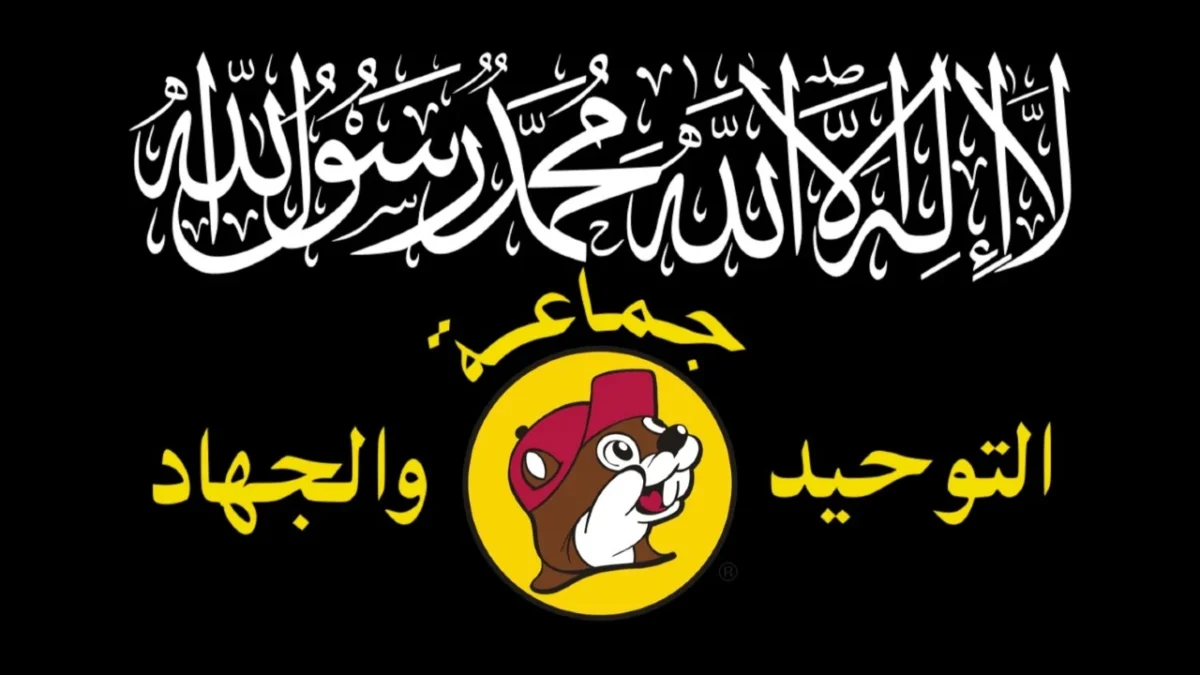
The intersection of American consumerist culture and religious iconography reached a new digital milestone in late 2026 with the viral emergence of Al Buqqi, a satirical social media trend that reimagines the Buc-ee’s travel center chain as a site of spiritual pilgrimage. This phenomenon, characterized by the phonetic transliteration of "Buc-ee’s" into an Arabic-adjacent style and the application of Islamic terminology to road-trip logistics, has evolved from a niche artistic statement into a dominant force on short-form video platforms. By blending the fervent "cult following" of the Texas-based gas station giant with the structured traditions of the Islamic faith, internet users have created a unique form of "ironic reverence" that highlights the outsized role certain commercial brands play in the modern American psyche.
The Conceptual Genesis: From Art to Infringement
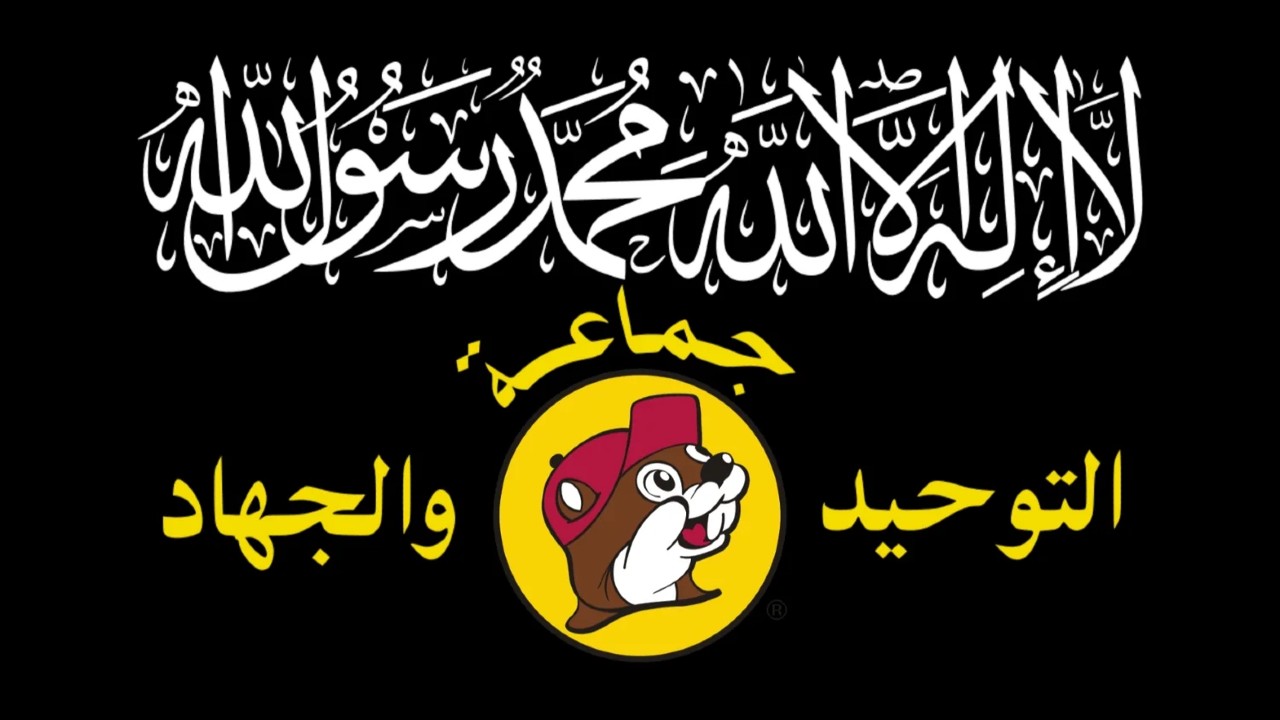
The origins of the Al Buqqi movement can be traced back to June 2025, over a year before the trend achieved mainstream saturation. An independent artist and Instagram influencer known as Crab Rangoons introduced a line of merchandise featuring "Al Buc-ee’s" flags. These items utilized a specific visual language: the iconic red-capped beaver mascot of Buc-ee’s was centered within a design that mimicked the aesthetics of national flags or religious banners, surrounded by stylized Arabic calligraphy.
The initial reception of the flags was a mixture of aesthetic appreciation and corporate friction. According to reports from the period, the artist faced immediate legal scrutiny from Buc-ee’s Ltd., a company notoriously protective of its intellectual property. Buc-ee’s has a long-standing history of aggressive trademark litigation, having previously sued competitors over everything from logo similarities to the use of specific shades of yellow and the configuration of multi-pump gas stations. The threat of legal action against Crab Rangoons served to inadvertently heighten the "outlaw" appeal of the Al Buqqi imagery, driving the designs underground into private collections and secondary markets before they resurfaced as digital assets for the 2026 meme wave.
The Viral Catalyst: The Hajj to Al Buqqi
While the visual assets were created in 2025, the linguistic and behavioral components of the trend solidified in late August 2026. On August 31, 2026, a TikTok creator operating under the handle @d1.is300.hater published a video that would serve as the template for thousands of subsequent entries. The video depicted a vehicle approaching a Buc-ee’s location, overlaid with the Al Buqqi flag and the caption: "Inshallah, I made the hajj to Al-Buqqi."
The use of "Inshallah" (If God wills it) and "Hajj" (the mandatory Islamic pilgrimage to Mecca) provided the comedic friction necessary for virality. The video garnered 1.6 million views within its first 30 days, signaling a shift in how the internet viewed the travel center. No longer was it merely a stop for fuel and "Beaver Nuggets"; it was being framed as a destination of mandatory significance.
Throughout September 2026, the trend accelerated exponentially. On September 4, the user @blessed_but_stressed344 posted a similar video documenting a "pilgrimage" to a Missouri Buc-ee’s location, which amassed over 2 million views in less than a month. Subsequent videos from users like @inseongsofficialbestie and @nick10ant2 reinforced the trend, often utilizing traditional Islamic-style music or nasheeds as background audio to complete the juxtaposition.
Statistical Reach and Demographic Engagement
Data from social media analytics firms indicate that the Al Buqqi trend reached its peak engagement between September 10 and September 25, 2026. During this window, the hashtag #AlBuqqi saw a 450% increase in search volume. The primary demographic driving this growth consisted of Gen Z and younger Millennial users, particularly those located in the "Buc-ee’s Belt"—a geographic region spanning Texas, the Gulf Coast, and the Southeastern United States.
A breakdown of the engagement metrics reveals the following:
- Total Viewership: Videos tagged with #AlBuqqi and #BucceesHajj exceeded 45 million cumulative views by the end of September.
- Geographic Hotspots: The highest density of content creation originated from Virginia, Missouri, and Mississippi, coinciding with the opening of newer, massive Buc-ee’s locations in those states.
- Engagement Rate: The "share" rate for Al Buqqi content was 12% higher than the platform average for travel-related memes, suggesting a high level of resonance within digital subcultures.
Linguistic Integration and Symbolic Parody
The sophistication of the Al Buqqi meme lies in its detailed recontextualization of Islamic terminology. The trend utilizes several key phrases and concepts:
- The Pilgrimage (Hajj): In the meme’s context, the Hajj refers to the long-distance road trip required to reach a Buc-ee’s, which are often spaced hundreds of miles apart.
- Halal Brisket: A recurring joke within the trend involves the "Halal-ification" of Buc-ee’s famous barbecue. Users often film the "Texas Round-Up" station where brisket is chopped, referring to it as "fresh halal brisket on the board."
- Alhamdulillah: Used to express gratitude upon successfully finding a parking spot or a clean restroom—two hallmarks of the Buc-ee’s experience.
- The Flag: The "Al Buqqi" flag has become a digital shorthand for the movement, often photoshopped onto the roofs of the travel centers or held by users in front of the bronze beaver statues found at the entrances.
This linguistic play is not merely random; it mirrors the "cult-like" devotion that has surrounded Buc-ee’s for decades. By using religious language, the meme satirizes the genuine fervor of fans who treat the gas station as a landmark of supreme importance.
Corporate Response and Legal Implications
As of late 2026, Buc-ee’s Ltd. has not issued an official public statement regarding the "Al Buqqi" moniker. However, the company’s history suggests a complex internal reaction. On one hand, the trend represents millions of dollars in earned media and free advertising, driving foot traffic to new locations in the Midwest and South. On the other hand, the company is famously protective of its family-friendly, wholesome Texas image.
Legal experts suggest that the "Al Buqqi" trend falls into a gray area of trademark law. "Parody is a protected form of speech under the First Amendment," says Sarah Jenkins, an intellectual property attorney. "However, when that parody is used to sell physical goods—like the flags sold by Crab Rangoons—it enters the territory of trademark infringement and brand dilution. The digital memes are likely safe, but the commercialization of ‘Al Buqqi’ is where the legal battles will be fought."
There is also the matter of cultural sensitivity. While many Muslim social media users have participated in and enjoyed the joke, viewing it as a harmless play on the "Texas-sized" nature of American life, some critics have raised concerns about the trivialization of sacred religious concepts. This tension has not slowed the trend’s momentum, but it has added a layer of discourse regarding the boundaries of internet satire.
Broader Cultural Impact: The Gas Station as Temple
The Al Buqqi phenomenon is indicative of a broader trend in American culture: the "sacralization" of the mundane. In a landscape where traditional community centers are in decline, massive commercial entities like Buc-ee’s, Costco, and IKEA have stepped in to fill the void, offering a sense of shared experience and "pilgrimage."
Buc-ee’s is uniquely positioned for this role. With its record-breaking square footage (the Sevierville, Tennessee, location spans 74,000 square feet), hundreds of fuel pumps, and "world-famous" restrooms, it transcends the utility of a gas station to become a "liminal space" of abundance. The Al Buqqi meme simply gives a name to the existing ritual of the "Buc-ee’s stop," codifying it through the lens of ancient tradition.
Furthermore, the trend highlights the power of "remix culture." The ability of a single artist to create a visual (the flag) that is then adopted by millions to describe a shared experience (the road trip) demonstrates the decentralized nature of modern brand building. Buc-ee’s did not create Al Buqqi, but they are now inseparable from it in the digital record.
Timeline of the Al Buqqi Phenomenon
- June 2025: Artist Crab Rangoons debuts the "Al Buc-ee’s" flag on Instagram; reports of legal "cease and desist" letters circulate.
- August 31, 2026: TikTok user @d1.is300.hater posts the first "Hajj to Al-Buqqi" video, establishing the meme’s linguistic framework.
- September 4, 2026: The trend goes viral in the Midwest as @blessed_but_stressed344 documents a visit to a Missouri location.
- September 15, 2026: Major meme aggregators and "Know Your Meme" document the trend, leading to a secondary surge in participation.
- September 28, 2026: Search interest for "Al Buqqi" reaches an all-time high, coinciding with peak autumn travel season in the United States.
Conclusion and Future Outlook
The Al Buqqi trend represents a fascinating case study in how internet subcultures interact with corporate behemoths. By borrowing the gravity of religious pilgrimage to describe the kitschy experience of a Texas travel center, social media users have created a lasting piece of digital folklore.
As Buc-ee’s continues its aggressive expansion into states like Arizona, Colorado, and North Carolina, the "Al Buqqi" identity is likely to follow. Whether the brand eventually embraces the term as a form of "edgy" marketing or continues to distance itself through legal channels remains to be seen. Regardless of the corporate outcome, the "pilgrimage to the beaver" has been firmly etched into the lexicon of 2020s internet culture, proving that in the digital age, even a gas station can be elevated to the status of a "holy" site.

