
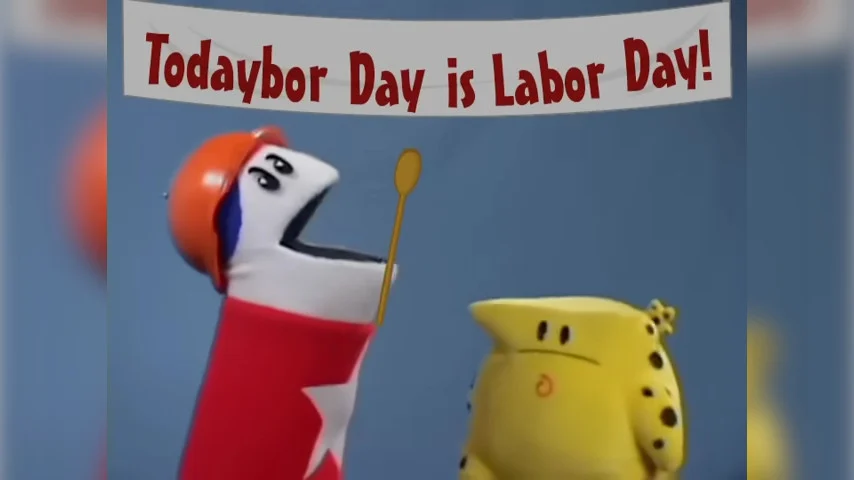
The digital landscape of the early 21st century was defined by a specific brand of absurdist humor, often delivered through the medium of Adobe Flash animation. Among the most enduring artifacts of this era is Labor Dabor, a live-action and animated hybrid short produced by The Brothers Chaps for their seminal website, HomestarRunner.com. Originally released on September 6, 2004, the short has transitioned from a simple holiday greeting into a perennial cultural touchstone, resurfacing annually across social media platforms every Labor Day. As the internet continues to evolve from the decentralized web of the early 2000s to the algorithmic platforms of today, Labor Dabor remains a rare example of a "seasonal meme" that maintains its relevance through nostalgia, linguistic quirkiness, and the dedicated stewardship of its creators.
The Genesis of Labor Dabor and the Homestar Runner Phenomenon
To understand the significance of Labor Dabor, one must first look at the broader context of Homestar Runner. Created by Mike and Matt Chapman, the series became a cornerstone of internet culture between 2000 and 2009. Unlike many of its contemporaries, which relied on shock humor or crude visuals, Homestar Runner was celebrated for its intricate world-building, character-driven comedy, and high production values despite its low-budget origins.
The Labor Dabor short was released during what many fans consider the "Golden Age" of the site. In the narrative of the short, the character The Cheat—a small, yellow, anthropomorphic creature known for his technical prowess and penchant for mischief—is seen working at his computer, presumably animating a new cartoon. He is abruptly interrupted by the series’ protagonist, Homestar Runner, a dim-witted but well-meaning athlete, and Frank Bennedetto, a silent character who is physically represented as a popcorn machine.
The premise of the short is a playful subversion of the Labor Day holiday. Homestar Runner informs The Cheat that "nobody or their brother" is permitted to work on Labor Day. The interaction culminates in a synchronized chant: "Todaybor Day Is Labor Day!" This phrase, delivered with Homestar’s signature rhotacism (where "Labor" becomes "Dabor"), provided the meme with its title and its most recognizable catchphrase. The short ends with Frank Bennedetto "spewing" popped popcorn across the room, which Homestar and The Cheat proceed to eat, marking a surreal and celebratory end to the "work day."
Chronology and the Transition to Modern Platforms
The history of Labor Dabor is a case study in the longevity of digital content. Its timeline spans two decades and reflects the shifting ways in which audiences consume media.
September 6, 2004: The short debuts on HomestarRunner.com. At the time, the site was receiving millions of hits per month. The release was part of the creators’ tradition of making shorts for minor holidays, a practice that helped build a sense of community among "citizens" of Free Country, USA (the fictional setting of the series).

2004–2010: The short is watched annually by fans who visit the site directly. During this period, the "Labor Dabor" phrase begins to circulate in early internet forums and message boards as a shorthand for the holiday.
The Flash Transition Era: As Adobe Flash began its slow decline in favor of HTML5 and mobile-friendly formats, many early internet cartoons faced the threat of obsolescence. The Brothers Chaps, recognizing the shift, began a slow process of archiving their work on external platforms.
September 4, 2017: In a move that revitalized the meme for a new generation, the short was officially uploaded to the Homestar Runner YouTube channel. This transition was critical for its survival, as it allowed the content to be easily shared on modern social media platforms like Twitter (now X), Facebook, and Reddit. Since its upload, the YouTube version has garnered over 336,000 views, a testament to its enduring appeal.
2020–Present: Despite the official end of Flash support in December 2020, Labor Dabor has found a permanent home in the digital lexicon. Every Labor Day, the video is recirculated, often accompanied by fan art, remixes, and social media posts using the hashtag #TodayborDay.
Technical and Creative Analysis
Labor Dabor is notable for its use of "live-action" elements, which was a departure from the site’s usual 2D vector animation. The "live-action" characters were actually puppets and physical props—Homestar was a plush toy, and Frank Bennedetto was a functional popcorn popper. This mix of media added to the "DIY" aesthetic that defined much of the early web.
The humor of the short relies heavily on the "Homestarmy" lore. Frank Bennedetto had been established in earlier cartoons (most notably the 2004 short "Army") as a "brave soldier" who was actually just a piece of kitchen equipment. The absurdity of a popcorn machine being treated as a veteran and a coworker is a hallmark of The Brothers Chaps’ comedic style. By placing Bennedetto in the center of a Labor Day celebration, the creators leaned into the character’s status as an inanimate object that somehow performs "labor."
Furthermore, the linguistic mutation of "Labor Day" into "Labor Dabor" (and subsequently "Todaybor Day") serves as a prime example of "internetspeak" before the term was formalized. The phrase is phonetically satisfying and easily repeatable, making it an ideal candidate for viral spread in a pre-algorithmic era.

Cultural Impact and Fan Engagement
The persistence of Labor Dabor is largely driven by a demographic that grew up with the website. For many Millennials and older Gen Z individuals, quoting Homestar Runner is a form of cultural signaling—a way to identify others who shared the same formative digital experiences.
Fan engagement around Labor Dabor has manifested in several ways:
- Fan Art: Artists on platforms like Tumblr and DeviantArt have frequently reimagined the scene in various styles, often emphasizing the "Todaybor Day" banner.
- Social Media Rituals: On Labor Day, it is common to see the phrase "Todaybor Day Is Labor Day!" trending in niche circles. The short has become the unofficial anthem of the holiday for the "internet-native" generation, similar to how "It’s Gonna Be May" (referencing a Justin Timberlake lyric) dominates the end of April.
- Digital Archiving: The short is frequently used as an example in discussions about the importance of preserving Flash animation. Organizations like the Internet Archive and projects like Ruffle (a Flash player emulator) often cite Homestar Runner as a primary reason for their efforts.
Broader Implications for Internet History
The story of Labor Dabor is more than just a footnote in the history of a cartoon website; it represents the shift from "destination-based" internet usage to "stream-based" usage. In 2004, users had to seek out the content at its source. Today, the content seeks out the user through social media feeds.
The fact that a 30-second clip about a popcorn machine and a puppet can still generate thousands of interactions 20 years later suggests that internet culture has a much longer memory than often credited. It also highlights the role of creators in maintaining their legacy. By migrating their content to YouTube and remaining active in the community, The Brothers Chaps ensured that their work did not disappear with the software that created it.
Moreover, Labor Dabor illustrates the power of "low-stakes" content. It does not attempt to make a profound political statement or capitalize on a fleeting trend. It is a simple, joyous, and nonsensical celebration of a holiday. In an increasingly polarized digital environment, the benign absurdity of "Todaybor Day" offers a moment of collective nostalgia and uncomplicated humor.
Conclusion: The Legacy of Todaybor Day
As the United States observes Labor Day each year, the digital echoes of Labor Dabor serve as a reminder of the internet’s creative roots. The short remains a significant piece of media because it encapsulates a specific moment in time—an era of experimentation, independence, and unbridled quirkiness.
While the technology used to create it has been retired, the "Dabor" spirit lives on. Whether through a grainy YouTube re-upload or a high-definition fan recreation, Homestar Runner and The Cheat continue to remind the public that "nobody or their brother" should be working on Labor Day. As long as there is an internet to host it, Todaybor Day will remain a fixture of the American digital holiday calendar, proving that in the world of memes, some traditions are built to last.

