
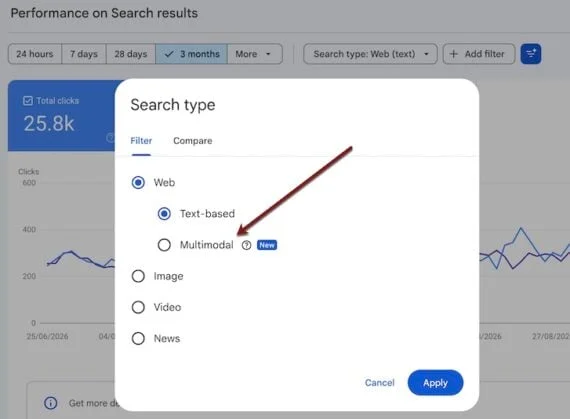
Google Search Console has rolled out a significant update, introducing a new "Multimodal" filter within its Performance reports. This feature allows website owners and marketers to analyze user interactions specifically related to image-based searches, providing unprecedented visibility into how their content is discovered and engaged with through visual queries. This development marks a pivotal moment for e-commerce merchants, who increasingly rely on visual search to connect with shoppers actively seeking products.
The introduction of this filter comes at a time when visual search is experiencing a surge in adoption. Users are turning to image-based search engines to identify products, compare options, and find inspiration. Previously, the data surrounding these interactions was largely opaque to website owners. With the new Multimodal filter, available under "Search Console > Performance > Search results > Search type: Web > Multimodal," Google is now offering a direct channel to understand this critical discovery pathway.
Understanding the New Multimodal Filter
The Multimodal filter is designed to capture data from Google’s various image search interfaces. These include:
- Google Image Search: The traditional web-based image search engine where users can upload an image or use a URL to find visually similar results.
- Google Lens: A powerful visual search engine integrated into mobile devices and Chrome browsers, allowing users to search using their camera or existing images.
- Google Discover: A personalized content feed that often surfaces visually appealing content, including products discovered through image recognition.
- Other Google Products: Potential integration with other Google services that utilize visual search capabilities.
It is crucial to note that this filter specifically pertains to image searches, not traditional text-based queries. Therefore, it will not list specific search terms but rather the URLs of pages that users viewed or clicked after initiating an image search. The filter does not display the exact image that a user searched with, but it does provide valuable insights into the user’s journey.
The data available through the Multimodal filter includes:

- Pages Viewed: The specific URLs of your web pages that users landed on after performing an image search.
- Clicks: The number of times users clicked through to your pages from image search results.
- Impressions: The number of times your pages were shown in image search results.
- Click-Through Rate (CTR): The percentage of impressions that resulted in a click.
- Average Position: While not a direct ranking, it indicates the general placement of your content in visual search results.
Background and Chronology of Visual Search Evolution
Google’s foray into visual search began years ago, with the initial introduction of Google Image Search and later, more sophisticated tools like Google Lens. The underlying technology, including machine learning and computer vision, has been continuously refined. However, the ability for website owners to directly measure and optimize for image search performance within Search Console is a relatively recent advancement.
The emergence of smartphones with advanced camera capabilities and the widespread adoption of AI have significantly accelerated the development and use of visual search. As these technologies mature, the demand for more granular data and optimization tools has grown. The introduction of the Multimodal filter in Search Console is a direct response to this evolving landscape, acknowledging the increasing importance of visual discovery in the user journey. This update can be seen as a strategic move by Google to provide webmasters with the necessary tools to adapt to and capitalize on the growing trend of visual search.
Implications for E-commerce Merchants: A Discovery Channel Unlocked
For e-commerce businesses, the Multimodal filter represents a significant opportunity. Shoppers frequently use image search to find specific products, discover new items, or compare pricing and availability. Before this filter, it was challenging to quantify the impact of visual search on a business’s online presence. Now, merchants can:
- Identify High-Performing Visual Assets: Understand which product images are attracting the most attention and driving traffic.
- Optimize Product Listings: Gain insights into the types of images that resonate with potential customers and lead to conversions.
- Discover New Traffic Sources: Uncover a previously less visible channel of customer acquisition.
- Refine Content Strategy: Tailor product photography and website visuals to better align with user search behaviors.
- Benchmark Performance: Track progress and measure the effectiveness of optimization efforts over time.
This new filter empowers businesses to move beyond guesswork and make data-driven decisions about their visual content strategy, ultimately leading to improved visibility and sales.
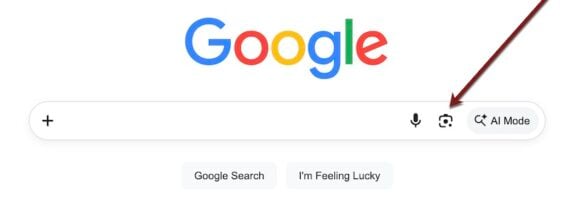
Strategies for Image Search Optimization
To capitalize on the insights provided by the Multimodal filter, businesses should implement a robust image search optimization strategy. Here are key areas to focus on:
Enhancing Discoverability with Image Sitemaps
Google’s ability to index and rank images relies heavily on its understanding of your website’s visual content. Submitting an image sitemap through Search Console (under "Indexing > Sitemaps") is a crucial step. This sitemap acts as a roadmap, explicitly guiding Google’s crawlers to your product photos and providing essential metadata.
For platforms like Shopify, images are often included in the main sitemap. However, a dedicated image-only sitemap can offer more granular control and aid in tracking the indexation of specific product visuals. Similarly, e-commerce platforms like WooCommerce offer plugins that can generate image sitemaps, further enhancing their ability to be discovered through visual search. By ensuring your images are correctly listed in sitemaps, you significantly improve their chances of appearing in relevant image search results.
Leveraging Traditional SEO Principles
The foundation of effective image search optimization lies in applying established Search Engine Optimization (SEO) best practices. Images that perform well in traditional text-based search queries are often likely to rank well in visual search as well. This means paying close attention to:
- Descriptive File Names: Use clear, keyword-rich file names that accurately describe the image content. For example,
red-leather-crossbody-bag.jpgis far more effective thanIMG_1234.jpg. - Alt Text (Alternative Text): This is a critical accessibility feature that also serves as a vital SEO signal. Provide concise and descriptive alt text for every image, explaining its content to search engines and visually impaired users.
- Captions: When applicable, use captions to provide further context and descriptive information about the image.
By optimizing these on-page elements, you provide search engines with the necessary context to understand and categorize your images, thereby increasing their visibility across all search types, including visual search.
The Paramount Importance of Image Quality
The quality of your product images directly impacts user engagement and click-through rates. High-resolution, clear, and well-lit images are more likely to capture a user’s attention and encourage them to click for more details. Conversely, low-resolution, blurry, or poorly composed images can deter potential customers, even if the product itself is appealing.
Testing is crucial here. For instance, thumbnail images on collection pages, while necessary for page load speed, may not always be optimized for direct image search. Downloading and reverse-searching these thumbnails can reveal how they appear in image search results. If the quality is subpar, consider uploading higher-resolution versions. This simple test can highlight areas for improvement, ensuring that every visual touchpoint on your site is a compelling one.
Embracing Experimentation and Diversity
Visual search technology is sophisticated enough to recognize objects regardless of their angle, color, or position in an image. However, to maximize ranking opportunities, it’s beneficial to experiment with a diverse range of product imagery.
Consider providing images that showcase:
- Multiple Angles: Present your product from various perspectives.
- Different Colors and Variations: If your product comes in multiple colors or styles, feature them prominently.
- Close-Up Details: Highlight unique textures, materials, or craftsmanship.
- Contextual Usage: Show the product in use to help users visualize themselves with it.
For example, if a user uploads a photo of the front of a plush toy, they are likely to see search results featuring similar toys in the same frontal view. By providing a variety of images, you increase the chances of matching a user’s specific visual query, thereby improving your discoverability.
Harnessing the Power of AI for Strategic Insights
Artificial intelligence (AI) is revolutionizing how we approach content strategy, and visual search optimization is no exception. Prompting generative AI platforms can provide invaluable inspiration and strategic direction. As suggested by search optimizer Marie Haynes, asking AI tools to identify patterns in successful visual search results can reveal hidden opportunities.

For instance, an AI might identify that product pages featuring specific color palettes or textures perform exceptionally well in visual search. This insight can then inform your product photography and even your broader content strategy. You might consider incorporating these successful colors or textures into complementary decor in your product shots, or even within your website’s design, to potentially elevate your rankings in visual search.
The output from AI can be presented in various formats, such as a dashboard that clearly outlines top multimodal search performers, including metrics like impressions, clicks, CTR, and position. This makes it easier to digest complex data and make informed decisions.
Looking Ahead: Tracking and Adapting
The introduction of the Multimodal filter in Google Search Console is a significant step towards demystifying visual search for businesses. By actively using this filter, regularly experimenting with image optimization strategies, and leveraging AI for insights, e-commerce merchants can unlock a powerful new avenue for customer acquisition and engagement. It is recommended to save specific dates for implementing these changes and conducting experiments, then diligently track the results within the new multimodal reports in Search Console to measure their impact and refine your approach over time. As visual search continues to evolve, staying ahead of the curve by understanding and adapting to these new tools will be crucial for online success.

