
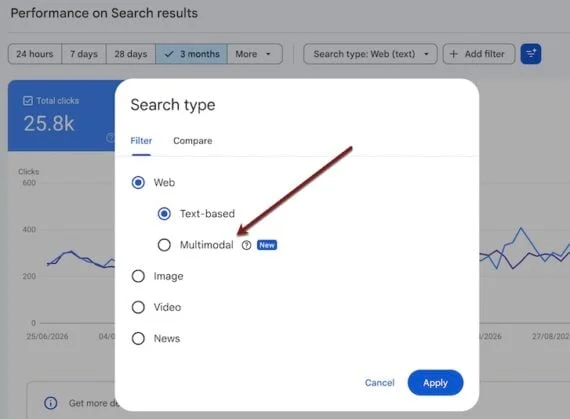
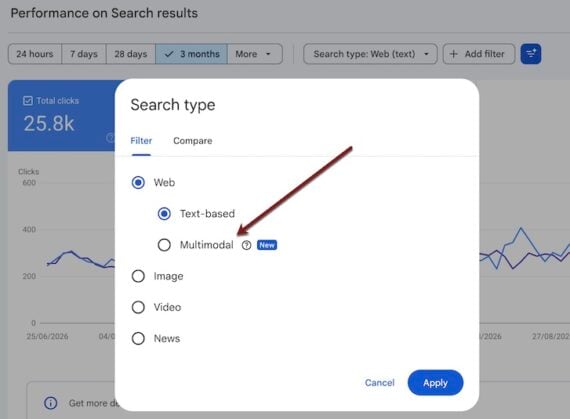
Google Search Console has rolled out a significant new feature, a filter designed to provide webmasters with granular insights into user behavior within image search. This enhancement allows site owners to view the specific URLs that users have visited or clicked on when engaging with Google’s image search functionalities. This development is particularly impactful for e-commerce merchants, as it shines a light on a previously less transparent discovery channel that is increasingly leveraged by shoppers seeking products.
The ability to understand how users interact with visual search results marks a pivotal moment for Search Engine Optimization (SEO) strategies. Historically, while Google has offered robust image search capabilities across various platforms, including its main search engine, Google Lens, and Google Images, the direct performance metrics for these visual queries have been elusive. This new filter in Search Console bridges that gap, offering actionable data for optimizing online storefronts and product listings.
Unlocking the Multimodal Filter in Search Console
Accessing this new analytical tool is straightforward for registered website owners. Within Google Search Console, users can navigate to the "Performance" section, then select "Search results." From there, they will find an option to filter by "Search type." Among the available choices, a new entry labeled "Multimodal" has been introduced. Selecting this option, under the broader "Web" search type, will reveal data specifically pertaining to image-driven searches.
It is crucial to understand the nature of the data presented by this filter. It is specifically tailored for image searches and does not provide traditional search queries, as the input is visual rather than textual. Furthermore, the filter does not display the exact image that a user may have searched with or viewed on a page. Instead, it focuses on the outcomes of these visual searches, listing:

- URLs users viewed: These are the web pages that users landed on after performing an image search.
- URLs users clicked: This indicates the specific links users interacted with from the image search results page.
The Evolving Landscape of Visual Search
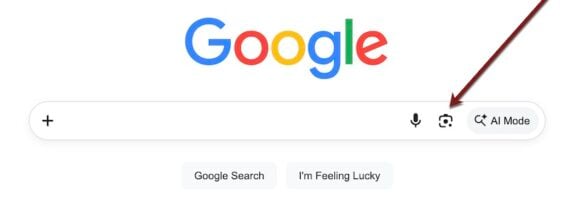
Google’s commitment to visual search has been evident for years, with advancements in image recognition and search algorithms. Google Lens, launched in 2017, revolutionized how users can interact with the physical world through their smartphone cameras, enabling them to search for information about objects, places, and even text by simply pointing their device. The integration of visual search capabilities across multiple Google products underscores its growing importance in the digital ecosystem.
The introduction of this filter within Search Console signifies a strategic move by Google to empower businesses with more comprehensive data, acknowledging the significant role visual search plays in consumer decision-making, especially in the realm of e-commerce. Shoppers frequently turn to image searches to discover new products, compare items, or find specific items they’ve seen elsewhere. This filter, therefore, directly addresses the need for businesses to understand and optimize their presence in this visually driven discovery pathway.
Strategies for Image Search Optimization
With the new performance data at their fingertips, e-commerce merchants can now implement more targeted strategies to improve their visibility and drive traffic from image searches. The following recommendations offer a roadmap for optimizing product listings and website content for visual search engines:
Leveraging Image Sitemaps for Enhanced Indexation
Google’s ability to discover and index product images is paramount for their appearance in visual search results. The implementation of image sitemaps is a critical step in ensuring that search engines can effectively crawl and understand the visual content on a website. By submitting an image sitemap through Search Console (under the "Indexing" > "Sitemaps" section), webmasters can explicitly guide Google towards their product photographs. This proactive measure can significantly improve the performance of images within the new multimodal filter.
Platforms like Shopify natively include images within their general sitemaps, which is a good starting point. However, for more granular control and tracking, a dedicated image-only sitemap can be beneficial. Similarly, for WooCommerce users, specialized plugins offer options for generating image sitemaps, aiding in the precise tracking of image indexation. The existence of these tools highlights the recognized importance of image sitemaps in the SEO community.
The Enduring Power of Traditional SEO for Visual Search
While visual search operates on different principles than text-based search, the fundamentals of traditional SEO remain highly relevant. Images that perform well in standard Google search results—those with descriptive, keyword-rich file names, alt text, and captions—are also more likely to rank well in visual search. This is because these elements provide contextual information that helps search engines understand the content and relevance of an image.
Therefore, a comprehensive approach to image optimization should include:
- Descriptive File Names: Use clear, concise, and keyword-relevant file names for all product images (e.g.,
red-leather-crossbody-bag.jpginstead ofIMG_1234.jpg). - Meaningful Alt Text: Implement alt text that accurately describes the image and incorporates relevant keywords. This text is crucial for accessibility and also provides valuable context to search engines.
- Engaging Captions: If applicable, use captions that provide further details about the product and incorporate relevant search terms.
The Critical Role of Image Quality in Driving Clicks
The new Search Console filter provides invaluable data on which URLs users are viewing and clicking. A high number of views with low click-through rates can often be attributed to issues with image quality. Searchers who land on a page expecting to find a specific product based on a visual search may be deterred if the product images are of poor resolution, have incorrect dimensions, or lack clarity.
In testing, it has been observed that thumbnail images used on collection pages, particularly in platforms like Shopify, can sometimes be less optimized. To improve click-through rates from image searches, merchants should prioritize uploading high-resolution versions of their product images. A practical approach to testing this is to download a thumbnail image from a collection page and perform a reverse image search on Google to observe how it appears in the results. This can reveal potential shortcomings in resolution or clarity that might be impacting user engagement.
Experimentation and Diversification of Visual Assets
Visual search is designed to identify objects regardless of their angle, color, or position. However, to maximize ranking opportunities, it is beneficial to experiment with product images that closely match the searcher’s query image in terms of presentation. For instance, if a user uploads a photo of a product from a specific angle, images that mirror that angle in the search results are likely to perform better.
This suggests a strategy of diversifying the visual assets available for each product. Merchants should consider offering a range of product images that include:
- Multiple Colors and Variations: Showcase all available color options and variations of a product.
- Close-up Details: Provide detailed shots that highlight specific textures, materials, or unique features.
- Various Angles: Capture products from different perspectives, including front, back, side, and overhead views.
- Lifestyle Shots: Incorporate images that show the product in use or in a relevant context, which can also appeal to users seeking inspiration.
For example, if a user searches for a plush toy by uploading a photo of its front, search results that feature similar plush toys presented from the front are more likely to be favored. By providing a comprehensive library of visual information, businesses can cater to a wider array of user search queries and increase their chances of appearing prominently in visual search results.
Harnessing the Power of AI for Strategic Insights
Artificial intelligence (AI) tools, particularly generative AI platforms, can offer novel avenues for identifying trends and optimizing visual content. As suggested by search optimizer Marie Haynes, prompting these platforms can yield valuable insights into what visual attributes might perform better in visual search.
For instance, one could ask an AI to "generate a dashboard of the top multimodal search performers for home decor items, highlighting specific colors, textures, and materials that appear frequently in successful visual searches." The AI could then present findings like:
- Terracotta Tiles: Indicating a strong trend for earthy tones and specific textures in home renovation searches.
- Amber Mushroom Table Lamps: Suggesting popularity for specific design aesthetics and color palettes in lighting.
- Brass Sputnik Chandeliers: Highlighting a demand for mid-century modern design elements.
This type of AI-driven analysis can inform product development, merchandising strategies, and content creation. Even if a business doesn’t directly sell terracotta tiles, understanding their popularity in visual search could inspire the use of similar colors or textures in complementary products, such as cushions, rugs, or decorative accessories, potentially elevating their ranking in visual search results. The ability to generate these dashboards and reports can serve as an easily referenceable guide for SEO and marketing teams.
The Broader Impact and Future of Visual Search

The introduction of the multimodal filter in Google Search Console is more than just an incremental update; it represents a significant step towards demystifying and optimizing for visual search. For e-commerce businesses, this means a renewed focus on the quality, accuracy, and diversity of their product imagery. As AI continues to advance, the capabilities of visual search are only expected to grow, making it an indispensable component of any comprehensive digital marketing strategy.
The data provided by this filter will enable businesses to:
- Measure ROI of Visual Content: Directly attribute traffic and conversions to efforts in optimizing product images.
- Identify Content Gaps: Understand which types of product images are missing or underperforming.
- Refine Product Photography: Make data-driven decisions about the style, angles, and resolution of product shots.
- Stay Ahead of Trends: Leverage AI insights to anticipate and capitalize on emerging visual search trends.
As businesses begin to integrate these new insights into their SEO workflows, the ability to track and analyze performance through the multimodal filter will undoubtedly become a key differentiator in the competitive e-commerce landscape. The future of search is increasingly visual, and Google’s latest tool empowers businesses to effectively navigate and succeed in this evolving frontier.

