

This week’s announcements showcase a significant acceleration in the integration of artificial intelligence across e-commerce platforms, alongside crucial advancements in omnichannel fulfillment, payment solutions, and customer experience management. From making brands discoverable across nascent AI platforms to streamlining complex logistics and enhancing customer engagement, merchants are being equipped with a robust toolkit to navigate the increasingly dynamic digital marketplace. These developments underscore a clear trend towards more intelligent, integrated, and customer-centric commerce operations.
AI-Powered Discovery and Agentic Commerce Take Center Stage
The proliferation of artificial intelligence in consumer-facing applications has prompted a wave of new services designed to ensure brands remain visible and accessible. Juspay has launched Breeze Universal, a groundbreaking service that allows brands to be discovered across a growing ecosystem of AI platforms, including ChatGPT and Claude, as well as traditional marketplaces and merchant storefronts. This solution acts as a universal connector, linking a business’s existing product catalogs from platforms like Shopify and WooCommerce to these new AI-driven discovery surfaces. By making product data accessible across diverse touchpoints, from AI interfaces to mobile apps and websites, Juspay aims to future-proof brand visibility in an era of evolving search and discovery paradigms. This move is particularly significant as consumer interaction with AI chatbots for shopping purposes is projected to grow substantially, with some analysts predicting that by 2025, up to 75% of customer interactions will be handled by AI.

Complementing this trend, Anthropic has released AI agent blueprints specifically for retailers. These blueprints provide a framework for businesses to build shopping and merchant agents on Claude, catering to the anticipated surge in demand for conversational search tools leading into the holiday shopping season. These agents can be leveraged internally for tasks such as suggesting inventory, optimizing pricing, and developing marketing campaigns, or externally for customer engagement, offering product recommendations, and facilitating cart additions. This development signifies a maturation of agentic commerce, moving beyond simple chatbots to sophisticated AI entities capable of performing complex business functions and enhancing the shopper journey. The potential for AI agents to personalize recommendations and streamline purchasing decisions is immense, with studies indicating that personalized shopping experiences can increase conversion rates by as much as 800%.
Unifying Fulfillment and Enhancing Omnichannel Capabilities
The operational backbone of e-commerce is also seeing significant innovation, particularly in the realm of fulfillment. Lightspeed Commerce, a comprehensive omnichannel platform, has partnered with ShipStation, a leading shipping and logistics software provider. This integration brings ShipStation’s robust shipping capabilities directly into the Lightspeed ecosystem, enabling retailers to unify their in-store and online fulfillment processes. With fulfillment capabilities now seamlessly integrated into the point-of-sale system, coupled with automated tax calculations, Lightspeed asserts that retailers can expand their sales channels without encountering added operational complexity. This is critical as consumer expectations for fast and flexible delivery continue to rise, with a recent survey indicating that 60% of consumers consider delivery speed a key factor in their purchasing decisions.
Further bolstering fulfillment capabilities, Flexport, a freight forwarder and logistics platform, has expanded its services to Canada and the United Kingdom. The company has launched fulfillment operations in Mississauga, Canada, and Manchester, England, allowing brands to manage inventory and fulfill orders directly within these key markets. This localized approach offers brands the advantage of maintaining their existing platform, account team, and freight relationships while benefiting from in-market warehousing and direct customs clearance by Flexport. The ability to handle returns within the respective countries also streamlines the post-purchase experience for customers, a crucial element for customer satisfaction and loyalty. The global e-commerce logistics market is projected to reach over $1.7 trillion by 2027, highlighting the significant investment and growth in this sector.

Elevating Customer Experience Through AI and Data
Customer experience remains a paramount concern for merchants, and this week’s announcements feature several innovations leveraging AI and advanced data analytics. Alchemer has introduced Iris, an AI-native customer experience platform designed to translate customer feedback into actionable insights across various channels, including surveys, reviews, and reputation management. Iris is capable of automating responses to reviews, triggering follow-up actions, surfacing critical insights, and integrating workflows into existing team systems. The platform emphasizes a "human-first" approach, allowing users to control the application of AI. This focus on turning feedback into tangible improvements is essential, as companies that excel in customer experience are found to be 4-6 times more likely to outperform their competitors in profitability and revenue growth.
In a similar vein, Bazaarvoice, a specialist in user-generated content (UGC), has launched an AI visibility package. This offering aims to optimize brand content and UGC for AI-driven search and shopping experiences by structuring and making customer content accessible to AI platforms. Bazaarvoice has collaborated with AI visibility measurement providers such as Bluefish and Evertune to offer an independent assessment layer that tracks and scores the frequency with which brand content appears in AI-generated answers. As AI models become increasingly influential in product discovery, ensuring that authentic customer voices are prioritized is vital for building trust and driving informed purchasing decisions. Research suggests that consumers are 2.4 times more likely to consider UGC as authentic compared to brand-created content.
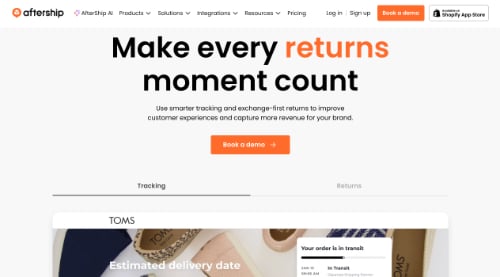
AfterShip, a post-purchase experience platform, has unveiled Intelligence, a new suite of agentic automation and predictive capabilities for tracking, returns, and shipping. This AI agent is designed to proactively identify and resolve shipping glitches by gathering context, recommending solutions, and executing tasks. While the AI handles the heavy lifting, human oversight is maintained for critical financial and customer-facing decisions, ensuring a balance between efficiency and human judgment. The post-purchase phase is a critical touchpoint for customer retention, with studies showing that a positive post-purchase experience can increase repeat purchase rates by up to 40%.
Streamlining Payments and Enhancing Merchant Tools
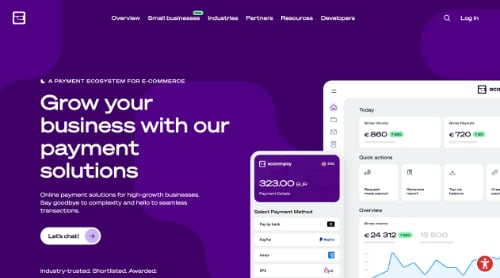
Payment processing and merchant tooling also saw notable updates this week, focusing on convenience and expanded options. Ecommpay has launched QR Code Payments, a versatile solution that allows merchants to display a single, static QR code across various physical and digital touchpoints, such as printed signs, receipts, or web pages. Customers can directly select payment amounts, and merchants can customize the page’s appearance. This QR code remains active until deactivated by the merchant, offering a flexible and contactless payment option. The adoption of QR code payments has surged globally, particularly in emerging markets, driven by their ease of use and low transaction costs.
Shopline, an e-commerce platform, has partnered with Splitit, a card-linked installment payment provider. This collaboration will integrate Splitit’s technology into the Shopline platform, enabling merchants to offer installment payment options to their customers using their existing credit cards. This approach provides consumers with a Buy Now, Pay Later (BNPL) solution without requiring new applications or credit checks, while merchants can implement it with minimal integration effort. The BNPL market is experiencing explosive growth, with projections indicating it will reach over $3.3 trillion globally by 2030, reflecting a strong consumer preference for flexible payment terms.
For WooCommerce merchants, Sigmira is preparing to launch a cloud-based product customizer. This platform will allow shoppers to personalize products directly within an e-commerce store, previewing their designs before purchase. Merchants can configure customization options, set pricing, and receive completed designs for production. Sigmira will handle the customization process while merchants continue to manage products and orders through WooCommerce, with the added potential for post-order workflow automation. The demand for personalized products is a significant driver of e-commerce growth, with the global market for customized products expected to reach hundreds of billions of dollars in the coming years.

Optimizing Marketing and Sales Processes
Beyond operational and payment enhancements, several new tools focus on optimizing marketing and sales workflows. Listrak, an email marketing platform, has introduced a free email marketing audit tool. This no-signup-required tool assesses marketing emails across 30 key performance indicators, including deliverability, accessibility, mobile optimization, content quality, and conversion setup. Such audits are invaluable for retailers aiming to improve engagement rates, as the average email open rate across industries hovers around 20%, with significant room for improvement through optimization.
Crosslist, a tool for publishing product listings across multiple marketplaces, has released a micro-budget testing method specifically for dropshippers. This approach encourages sellers to allocate a small budget to test potential sales channels, list a limited selection of products, and monitor buyer behavior over a 14-to-30-day period. The goal is to identify early demand signals, mitigate financial risks, and make data-informed decisions about distribution expansion. This strategy is particularly relevant given the competitive nature of dropshipping, where identifying profitable sales channels is crucial for sustained success.
For wholesalers, WizCommerce has launched WizCRM, an AI-powered customer relationship management tool. WizCRM enables teams to manage accounts, track deals, log interactions, assign tasks, and generate quotes that can be converted into ERP-synced orders. A key feature is WizPilot, an AI sales assistant designed to answer customer queries and perform tasks, streamlining the sales process for distributors and manufacturers. The integration of AI into CRM systems is transforming B2B sales by enhancing efficiency and providing deeper customer insights.
Security and Brand Protection in the Digital Age
Protecting consumers and brand integrity in the digital space is also a growing focus. Amazon has enhanced Alexa for Shopping with new protections that allow U.S. customers to verify the authenticity of communications, including messages, emails, phone calls, and texts, claiming to be from Amazon. By submitting these communications to Amazon, the company can take action against fraudulent actors and safeguard consumers. This initiative follows Amazon’s earlier launch of a dedicated email address for message verification and a form on its customer service pages, reflecting a commitment to combating phishing and scams. The financial impact of phishing and other online scams on consumers and businesses is substantial, with losses estimated to be in the billions of dollars annually.
Okta, a leader in identity and access management, has introduced the Auth0 Identity Conversion Suite. This suite aims to help businesses enhance security and verify customers across new commerce channels, particularly in the context of agent-led commerce. It tracks prospect journeys from initial visits through sign-up and allows teams to test various sign-up and login flows simultaneously. Robust identity management is foundational to secure e-commerce operations, preventing account takeovers and ensuring a trusted customer experience. The increasing sophistication of cyber threats underscores the critical importance of advanced identity solutions.
These diverse product and service releases highlight a dynamic and rapidly evolving e-commerce landscape. Merchants are being presented with powerful new tools to leverage AI for discovery and customer engagement, optimize complex fulfillment operations, streamline payment processes, and enhance their marketing and sales strategies, all while bolstering security and brand protection. The continuous innovation in these areas suggests that the future of e-commerce will be characterized by greater intelligence, integration, and a relentless focus on delivering superior customer experiences.

