
The landscape of e-commerce pricing is undergoing a profound transformation, shifting away from rigid, one-size-fits-all strategies towards sophisticated systems powered by Artificial Intelligence (AI). These AI-driven platforms are enabling retailers to dynamically adapt pricing based on individual shopper behavior and contextual factors, a move that promises to not only enhance customer engagement but also significantly preserve profit margins. Historically, variations in the price paid for the same item were often attributed to promotions, coupon codes, or bundled offers, leading to a scenario where two shoppers might rarely pay the same amount. However, the advent of advanced AI is making these price variations intentional, meticulously measured, and strategically optimized for maximum business benefit.
For years, large enterprise retailers have leveraged the power of dynamic pricing, investing heavily in the necessary technology and accumulating the specialized expertise required to implement such complex strategies. These sophisticated tools, once the exclusive domain of big players, are now becoming increasingly accessible to smaller merchants, including do-it-yourself versions and readily available app integrations. This democratization of advanced pricing technology is leveling the playing field, allowing businesses of all sizes to make real-time pricing decisions informed by a rich tapestry of data signals. These signals can include a shopper’s immediate intent, the time of day, their browsing history, and even their past purchasing patterns. The overarching goal is not merely to achieve short-term sales boosts, but rather to strategically protect and enhance profit margins across a multitude of transactions.
The Evolution of Dynamic Pricing: From Enterprise to the Masses
The concept of dynamic pricing is not entirely new. It gained traction in the travel and airline industries decades ago, where algorithms constantly adjusted ticket prices based on demand, time of booking, and other market variables. E-commerce adopted this approach more slowly, initially relying on manual adjustments or basic rule-based systems. However, the true potential of dynamic pricing began to be unlocked with the integration of AI and machine learning. These technologies allowed for the analysis of vast datasets, identifying subtle patterns and correlations that human analysts would likely miss.
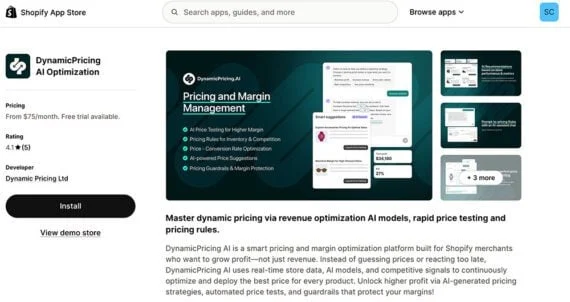
The accessibility of AI-powered pricing tools for smaller merchants represents a significant recent development. Platforms like Shopify, a leading e-commerce software provider, have seen an influx of third-party applications designed to bring advanced pricing capabilities to their user base. For instance, tools like DynamicPricing.ai, available on the Shopify App Store, offer personalized optimization strategies. These applications allow smaller companies to implement AI-driven pricing adjustments without needing to build their own infrastructure or hire dedicated data science teams. This shift signifies a maturation of the e-commerce technology market, making sophisticated tools more plug-and-play and user-friendly.
AI as an Offer-and-Price System: A New Paradigm
The rise of AI agents is fundamentally redefining e-commerce pricing, transforming it into an intelligent "offer-and-price" system. This new paradigm involves evaluating each customer session in real-time and making a calculated decision on whether and how to intervene with pricing adjustments or targeted offers. This system aims to answer a crucial set of questions instantaneously for each shopper:
- What is the optimal price for this specific item at this precise moment for this individual shopper, considering their perceived value and purchase intent?
- Should a discount or special offer be presented to this shopper to encourage conversion, and if so, what is the most effective incentive to maximize both conversion and profit?
- Can the current price be maintained or even slightly increased for this shopper, given their behavior and historical data, without jeopardizing the sale and thereby protecting the full margin?
By answering these questions, the system moves beyond static pricing models. It enables dynamic decision-making that is precisely tailored to convert a specific shopper while simultaneously safeguarding profit margins. This approach can be viewed as a more sophisticated and less overtly intrusive form of personalized pricing. Instead of implementing broad, blanket discounts or relying on rigid, rule-based promotions that might erode profitability, merchants can now strategically offer incentives only to those shoppers who are most likely to respond. This preserves full-price transactions for shoppers who are less price-sensitive or already committed to purchasing, thereby optimizing margin per order. Over time, this targeted approach can significantly reduce the reliance on unnecessary promotions, leading to improved overall profitability.
Navigating the Perception of Personalized Pricing
Despite the potential benefits, the concept of displaying different prices for the same item to different customers can, and often does, create friction and even resentment among shoppers. This has led to criticism, with opponents labeling such practices as "surveillance pricing." The argument is that monitoring behavioral signals, such as repeat visits, the depth of browsing, and referral sources, to justify price variations is intrusive and exploitative.
While many retailers believe their personalized pricing strategies are beneficial and transparent, the concerns raised by consumers are valid and warrant careful consideration. Shoppers do not solely evaluate prices based on economic factors; they also consider elements of fairness, consistency, and the perceived intent behind pricing decisions. The erosion of trust can be a significant detriment to a brand’s long-term success.
Bernard Meyer, AI Operations Manager at Omnisend, a prominent marketing platform, articulates this concern clearly. He stated, "Consumers might have made peace with AI helping them shop, but there’s a very clear line between assistance and manipulation. The practice of using AI to adjust prices… has drawn understandable criticism. Our data shows consumers will share personal information if it helps them make better decisions, but not if it’s used against them. After years of inflation and constant price changes, people have a much clearer sense of what’s reasonable, and they’re far less tolerant of anything that looks like they’re being taken advantage of."
This perspective highlights a critical distinction: consumers are generally accepting of AI-driven personalization when it demonstrably enhances their shopping experience or provides genuine value. However, when these technologies are perceived as tools for extracting maximum revenue without offering commensurate benefit, consumer backlash is almost inevitable.

The Strategic Advantage of Optimized Incentives
The key to navigating these perceptual challenges lies in how personalized pricing is implemented and communicated. Discounts and perks, when presented thoughtfully, are generally more easily explained and accepted by consumers than outright price hikes or opaque price adjustments. The ultimate outcome—preserving margins—can be achieved through both approaches, but a system that intelligently optimizes the timing and delivery of discounts, rather than simply lowering list prices across the board, tends to foster a more positive customer perception.
By reserving incentives for targeted shoppers who are identified by AI as being receptive to them, merchants can effectively protect their margins. For example, instead of offering a blanket 10% discount to every visitor, which dilutes profitability on full-price sales, a retailer can use AI to identify shoppers who are hesitating, have shown strong interest, or are at a critical stage in their buying journey. These individuals might then receive a personalized discount code or a limited-time offer, making the incentive feel more exclusive and valuable. This targeted approach not only preserves margins by avoiding unnecessary markdowns but also can increase conversion rates among key customer segments.
Supporting Data and Emerging Trends
The adoption of AI in e-commerce pricing is not merely theoretical; it is backed by growing data and observable trends. A recent report by Statista projected the global market for AI in retail to reach over $11 billion by 2027, with pricing optimization being a significant driver of this growth. Furthermore, studies have indicated that personalized pricing and promotional strategies can lead to a significant uplift in revenue and profit. For instance, McKinsey & Company research has shown that even a 1% improvement in pricing can lead to an 11% increase in operating profits.
The implementation of AI in pricing is also evolving. Beyond simple price adjustments, AI is being used to:
- Predict demand elasticity: Understanding how sensitive different customer segments are to price changes for specific products.
- Personalize product recommendations with integrated pricing: Suggesting items at prices that align with a shopper’s historical spending patterns and perceived value.
- Optimize bundle offers: Dynamically creating and pricing product bundles based on individual purchase history and predicted preferences.
- Automate markdown strategies: Implementing intelligent markdowns for slow-moving inventory based on predicted sales velocity and optimal clearance prices.
These advancements suggest a future where pricing is not a static decision made at the product level, but a fluid, continuous process driven by a deep understanding of individual customer behavior and market dynamics.
Broader Impact and Future Implications
The widespread adoption of AI-powered dynamic pricing has several broader implications for the e-commerce ecosystem.
Firstly, it intensifies the competitive landscape. Retailers who successfully implement these technologies will gain a significant advantage in terms of profitability and customer acquisition. Conversely, those who lag behind may struggle to compete on price and margin.
Secondly, it raises important questions about data privacy and ethical AI usage. As retailers collect more data to fuel their pricing algorithms, the need for robust data protection measures and transparent communication with consumers becomes paramount. Regulations like the GDPR and CCPA are likely to play an increasingly significant role in shaping how this data is collected and used.
Thirdly, it could lead to a more efficient allocation of resources within the retail sector. By understanding demand and optimizing pricing, retailers can better manage inventory, reduce waste, and make more informed decisions about product development and marketing.
Looking ahead, the integration of AI in e-commerce pricing is expected to become even more sophisticated. We may see the development of AI agents that can negotiate prices in real-time with individual consumers, or platforms that can orchestrate pricing strategies across multiple channels and marketplaces seamlessly. The journey from "one-size-fits-all" to hyper-personalized pricing is still unfolding, but its potential to reshape the economics of online retail is undeniable. The challenge for retailers will be to harness this power responsibly, ensuring that technological advancement serves both business growth and consumer trust.

