
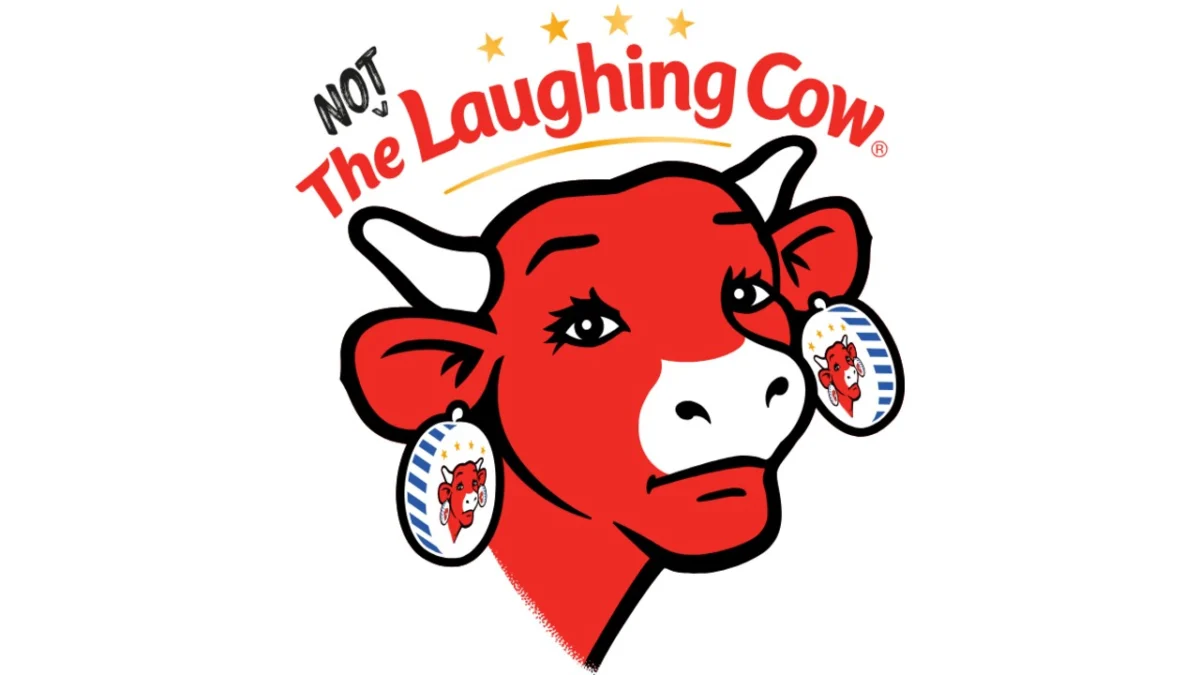
In an unprecedented departure from a century of brand tradition, The Laughing Cow, the flagship processed cheese brand owned by the French multinational Bel Group, officially retired its iconic jubilant mascot in late September 2026. The move, which saw the cheerful red bovine replaced by a somber, frowning version across all digital and physical touchpoints, has triggered a massive wave of consumer speculation, digital discourse, and memetic analysis. Dubbed "The Not Laughing Cow" by the company itself, the campaign represents one of the most significant risks taken by a legacy food brand in the 21st century, leveraging the "curiosity gap" to dominate global social media conversations.
The Genesis of the Silence: A Timeline of the Transformation
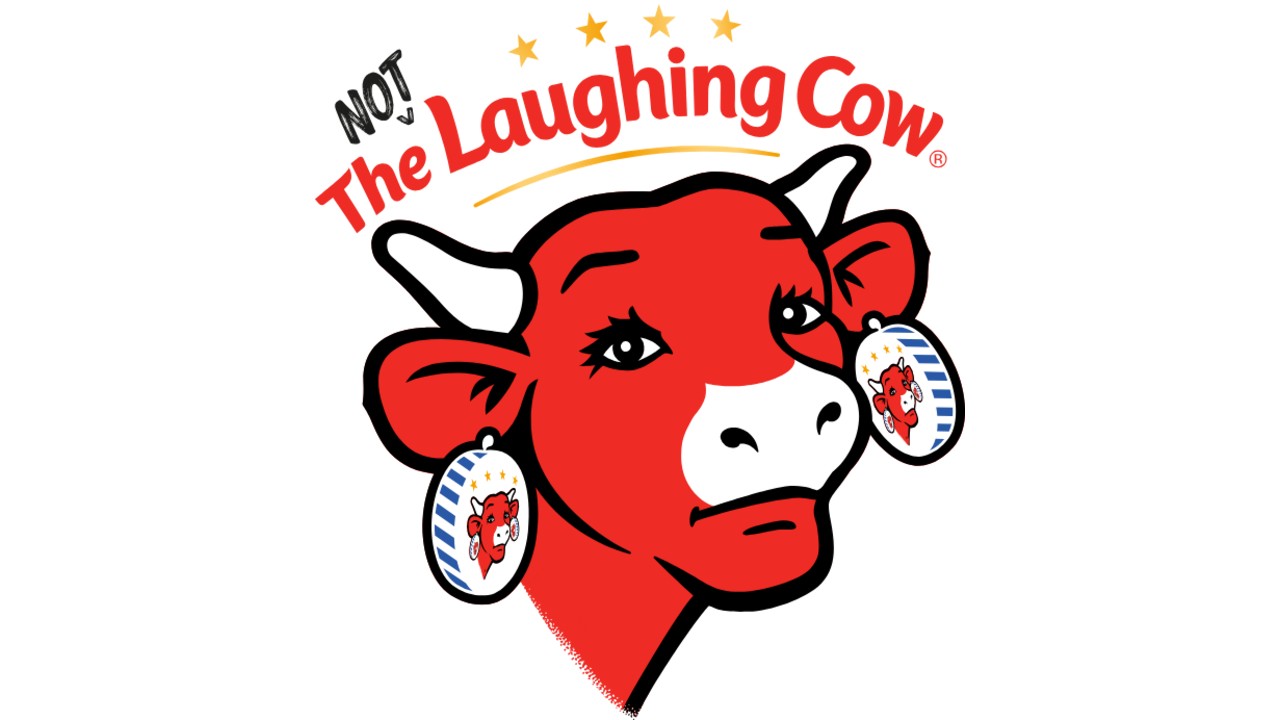
The transition began without prior warning on September 22, 2026. Consumers visiting the brand’s official website and social media repositories were met with a starkly different aesthetic. The vibrant, laughing cow—a staple of lunchboxes and snack trays since 1921—was gone. In its place was a cow with a neutral-to-sad expression, her gaze directed downward, and her signature cheese-box earrings updated to reflect her new, melancholic state.
The campaign’s rollout was meticulously paced to maximize digital engagement:
September 22, 2026: The Laughing Cow’s official TikTok and Instagram accounts posted two cryptic videos. The first depicted the mascot sitting alone in a dimly lit restaurant, appearing despondent. A caption accompanied the video: "Laughing is in her name. But for the first time in 100 years, The Laughing Cow isn’t laughing." The second video featured the cow on a playground swing, moving slowly to a somber soundtrack. Simultaneously, the brand’s website handle was changed to "The Not Laughing Cow," and the landing page was stripped of its usual cheerful marketing copy, replaced with the ominous statement: "After more than 100 years, The Laughing Cow has stopped laughing. We need to talk."
September 23, 2026: Influencer partnerships began to surface. TikTok creator @courtneylcook posted a reaction video questioning the brand’s motives, which quickly amassed over 400,000 views. This phase of the campaign signaled a shift from brand-led content to community-led speculation, as the hashtag #TheNotLaughingCow began to trend.
September 25, 2026: The brand leaned into contemporary internet culture by participating in the "Netflix Documentary" trend. A third video, edited to resemble a true-crime or prestige biographical trailer, promised a "story time coming soon." The video garnered over 200,000 views within 72 hours, further deepening the mystery.
September 26–27, 2026: The discourse migrated to X (formerly Twitter), where news aggregators like Dexerto reported on the change. The shift in platform led to a more cynical and humorous interpretation of the event, with users creating memes that compared the cow’s new look to various cultural touchstones of sadness and stoicism.
Historical Context: A Century of Joy Interrupted
To understand the impact of this campaign, one must consider the historical weight of the mascot. The Laughing Cow (La Vache qui rit) was created by Léon Bel in 1921. The original image was illustrated by Benjamin Rabier, a famous French cartoonist, who had previously drawn a "Wachkyrie" (a pun on Valkyrie) on the side of meat transport trucks during World War I.
For 105 years, the cow’s laughter was more than a logo; it was a promise of consistency and cheerfulness. Throughout the 20th century, the logo underwent minor aesthetic updates to modernize its appearance, but the fundamental emotional core—the laughter—remained untouched. By removing this core element in 2026, Bel Group effectively "broke" their own brand promise to capture the attention of a generation of consumers who are increasingly desensitized to traditional advertising.
Digital Reactions and the "Memification" of Corporate Sadness
The internet’s response to "The Not Laughing Cow" has been divided between genuine concern, marketing analysis, and absurdist humor. On X, the reaction took on a life of its own, moving away from the brand’s controlled narrative into the realm of user-generated content.
One prominent reaction involved "vagueposting," a social media behavior where users post cryptic, attention-seeking messages without providing context. X user @JimmyFoxhound highlighted this by portraying the cow as a "vagueposter" who claims to have secret information but refuses to share it, a post that received over 18,000 likes.
More cinematic comparisons also emerged. User @MeinGottNiles shared a meme utilizing a famous frame from the 2022 film The Whale, superimposing the cow’s face onto Brendan Fraser’s character to emphasize a sense of profound, existential gloom. This post garnered nearly 50,000 likes, illustrating how the campaign successfully tapped into the "sadcore" aesthetic popular among younger demographics.
However, the campaign also saw darker turns. Some users created edits suggesting the cow’s sadness was a result of the harsh realities of the dairy industry, while others used gallows humor to speculate on the mascot’s "demise." An edit by user @TheGoldStream, which depicted a more macabre version of the logo, highlighted the risks brands take when they open their intellectual property to the "anything goes" environment of viral marketing.
Marketing Analysis: The "Debranding" and "Rebranding" Strategy
Industry analysts suggest that The Laughing Cow’s move is a sophisticated example of "debranding"—a strategy where a company removes its most recognizable elements to create a sense of loss or anticipation among its customer base. This is often a precursor to a major product announcement or a pivot in brand mission.
Several theories have emerged regarding the ultimate goal of the campaign:
- Mental Health Awareness: Many observers believe the brand is preparing to announce a partnership with mental health organizations, using the cow’s "sadness" to spark a conversation about the importance of emotional honesty and the pressure to always appear happy.
- Sustainability Initiatives: Given the increasing pressure on the dairy industry regarding carbon footprints and animal welfare, some analysts speculate the "talk" the brand wants to have involves a transition to more sustainable farming practices or the introduction of a major plant-based line.
- Product Reformulation: The "seriousness" of the cow could signal a shift toward a more "premium" or "natural" recipe, moving away from the "processed" image of the past century.
- Generational Rejuvenation: By creating a "memeable" event, Bel Group is successfully introducing a 100-year-old brand to Gen Z and Gen Alpha consumers who may have previously viewed the product as a relic of their parents’ era.
Comparative Stunts and the Future of the Mascot
The Laughing Cow is not the first brand to "kill" or "alter" its mascot for publicity. In 2020, Planters Peanuts "killed off" Mr. Peanut in a Super Bowl campaign, only to have him "reborn" as Baby Nut. Similarly, IHOP’s temporary name change to IHOb (International House of Burgers) in 2018 sparked massive online engagement despite initial consumer confusion.
However, "The Not Laughing Cow" differs in its tone. While Mr. Peanut’s death was handled with slapstick humor, the Laughing Cow’s sadness is being presented with a level of cinematic gravity and "vagueposting" mystery that aligns with the 2026 digital zeitgeist.
The effectiveness of such a campaign is measured in "earned media"—the value of the publicity generated by people talking about the brand for free. By late September 2026, The Laughing Cow had achieved millions of impressions across TikTok, X, and Instagram without the need for traditional television spots.
Potential Implications for the Bel Group
As the parent company, Bel Group must balance the short-term gains of viral engagement with the long-term health of the brand. The Laughing Cow is a global icon, sold in over 130 countries. While the "Not Laughing" campaign has been highly successful in English-speaking digital markets, the company faces the challenge of explaining this shift to international markets where the cow’s smile is a primary driver of consumer trust.
The dairy industry as a whole is currently navigating a complex landscape of fluctuating milk prices and the rise of dairy alternatives. Marketing stunts like "The Not Laughing Cow" serve as a barometer for how legacy brands can stay relevant in an era of rapid information consumption and shifting consumer values.
Conclusion: Waiting for the Punchline
As of late September 2026, the cow remains somber. The brand has successfully maintained the mystery for over a week, a significant feat in the fast-moving cycle of internet trends. Whether the campaign concludes with a charitable initiative, a new product, or a return to the status quo, Bel Group has demonstrated that even a century-old icon can be reinvented for the digital age.
The "Not Laughing Cow" has proven that in the modern attention economy, a frown can sometimes be much more valuable than a smile. The world now waits for the promised "talk," as one of history’s most famous mascots prepares to break her silence and, perhaps, find her laughter once again.

