
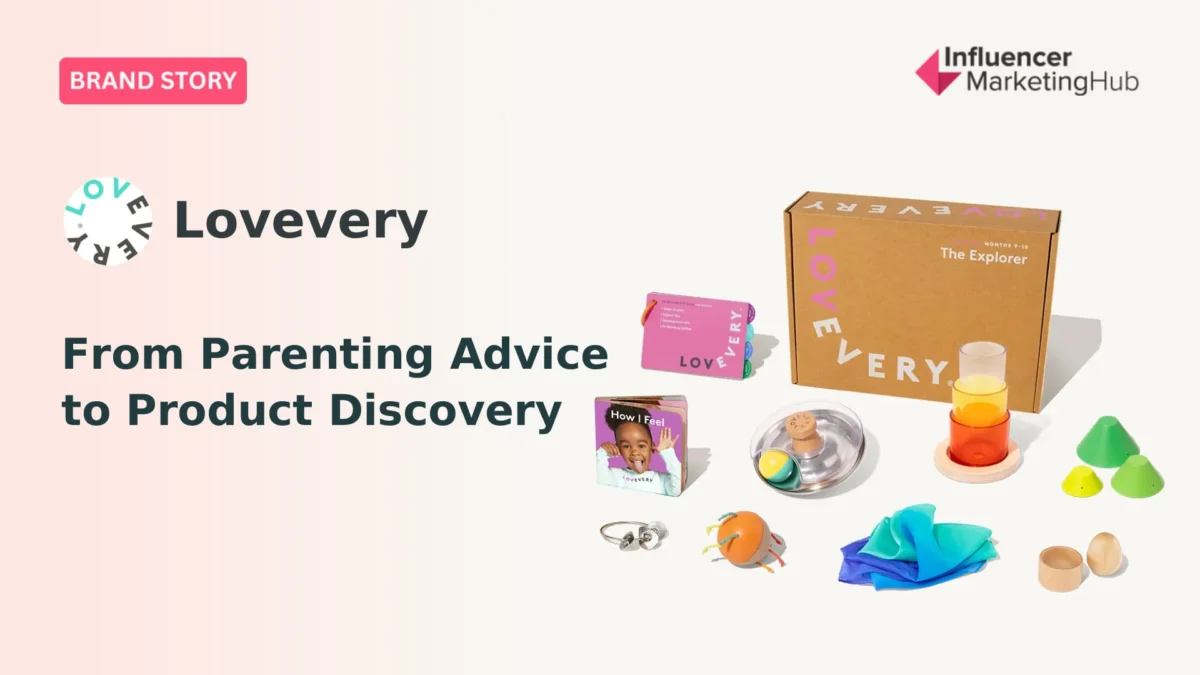
In an increasingly competitive landscape for early childhood development products, Lovevery has distinguished itself by pioneering a sophisticated strategy that seamlessly integrates expert-backed parenting content with product discovery, fundamentally reshaping how consumers engage with and purchase educational toys. This innovative approach has not only cultivated a highly engaged community but has also set a new standard for direct-to-consumer (DTC) brands seeking to build trust and drive sales through valuable educational resources. The company’s model exemplifies a shift from transactional marketing to a holistic, content-driven relationship with its customer base, prioritizing parental education as a cornerstone of its business strategy.
The Genesis of a Holistic Approach: Lovevery’s Foundational Vision
Lovevery, co-founded by Jessica Rolph and Rod Glick, emerged from a core belief that optimal child development could be fostered through thoughtfully designed play experiences informed by scientific research. Launched in 2017, the company quickly gained traction with its subscription-based play kits, each meticulously crafted for specific developmental stages from birth to age four. Unlike traditional toy manufacturers, Lovevery’s primary value proposition extended beyond the physical product; it centered on the science of early childhood development. This inherent focus on education meant that content was never an afterthought but an intrinsic part of the brand’s identity and offering.
The challenge for Lovevery, particularly in its early stages, was not merely to sell toys but to educate parents on why these particular toys were beneficial at specific developmental windows. The market was, and remains, saturated with countless options, many of which lack scientific grounding. Lovevery recognized that for parents to invest in premium, research-backed play kits, they first needed to understand the underlying developmental psychology. This realization formed the bedrock of their content strategy: to empower parents with knowledge, thereby making the utility and value of their products self-evident.
Navigating the Modern Parenting Information Landscape
The digital age has brought an unprecedented volume of information to parents, often leading to overwhelm and confusion rather than clarity. New parents frequently grapple with questions about milestones, appropriate stimulation, and effective play strategies. Traditional marketing often falls short in addressing these nuanced needs, relying instead on aspirational imagery or simplistic claims. Lovevery identified this void and positioned itself as a trusted authority, offering actionable insights and evidence-based guidance directly to parents.
This approach tapped into several macro trends: the rise of "conscious parenting," a growing demand for educational and developmental tools, and a general distrust of traditional advertising in favor of authentic, informative content. Parents today are more discerning, actively seeking out brands that align with their values and provide tangible value beyond the product itself. Lovevery understood that by providing free, high-quality educational content, they could build a relationship with potential customers long before a purchase decision was even contemplated. This strategy moved the brand from a product vendor to a valuable resource and partner in the parenting journey.
Building the Content Ecosystem: A Chronological Development
Lovevery’s content strategy evolved methodically, beginning with foundational resources and expanding into a multi-channel ecosystem designed to meet parents wherever they sought information.
- Phase 1: Foundational Content and Scientific Backing (2017-2018): In its initial phase, Lovevery focused on establishing credibility. This involved creating extensive blog content, often authored or reviewed by child development experts, pediatricians, and Montessori educators. Articles delved into topics like "Understanding Object Permanence in Infants," "The Importance of Open-Ended Play," and "Sensory Development Through Play." Each piece was meticulously researched, citing academic studies and developmental theories. Critically, these articles were subtly linked to the specific play kit items that supported the discussed developmental stage, offering a natural bridge from education to product.
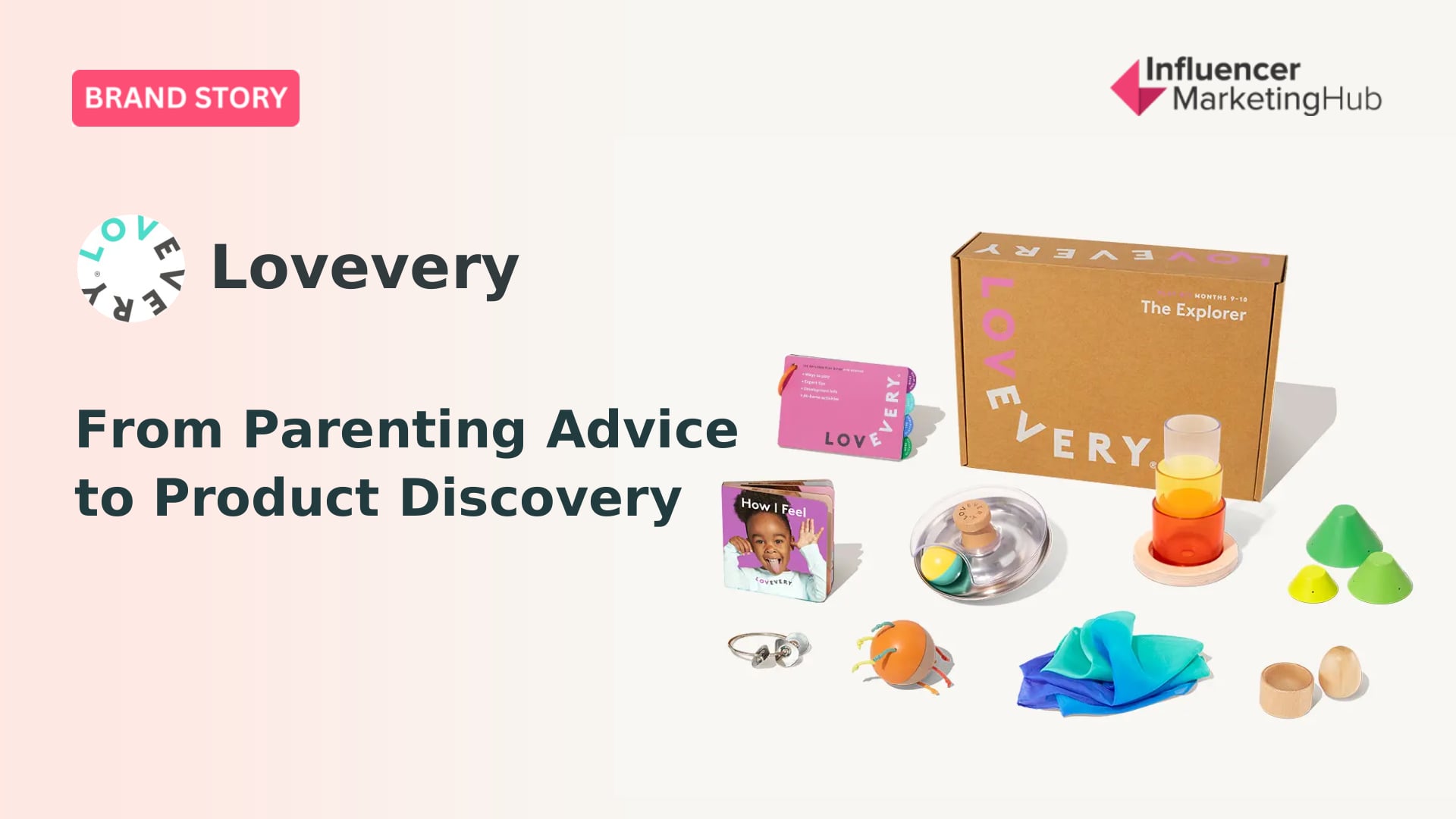
- Phase 2: "The Play Guides" and Integrated Experience (2019-2020): Recognizing that parents needed more than just online articles, Lovevery began integrating physical "Play Guides" into each subscription box. These guides, far from being mere instruction manuals, were comprehensive mini-books explaining the developmental purpose of each toy, suggesting play ideas, and offering tips for parents. This reinforced the educational value and provided a tangible, offline content experience. Simultaneously, their website evolved to feature an intuitive interface where users could explore content based on age, developmental stage, or specific concerns, directly connecting them to relevant products.
- Phase 3: Digital Expansion and Community Building (2021-2023): Lovevery expanded its digital footprint significantly. This included:
- The Lovevery App: Launched as a personalized resource, the app offered daily play ideas, milestone trackers, and access to exclusive expert content, further cementing the brand’s role as a holistic parenting partner. The app seamlessly recommended specific play kit activities based on a child’s age and developmental progress.
- Video Content: A robust library of short, informative videos on YouTube and social media platforms demonstrated play techniques, explained developmental concepts visually, and showcased the products in action within authentic family settings. These videos often featured experts or real parents, enhancing relatability and trust.
- Email Newsletters: Highly segmented email campaigns delivered curated content, developmental insights, and product information directly to subscribers, maintaining ongoing engagement.
- Podcast Collaborations: Partnering with popular parenting podcasts or launching their own series, Lovevery extended its reach into audio content, catering to busy parents.
- Phase 4: Refinement and Personalization (2024-Present): Leveraging data analytics, Lovevery continuously refines its content strategy. This involves A/B testing content formats, analyzing user engagement metrics (time on page, shares, conversion rates from content to product views), and personalizing content recommendations based on user behavior and subscription status. The goal is to create a bespoke educational journey for each parent, making product discovery feel like a natural extension of their learning.
The Role of Influencer Marketing: Amplifying Expertise and Trust
Influencer marketing has been a critical accelerator for Lovevery’s content-to-product discovery model. However, their approach differs significantly from conventional influencer campaigns focused solely on reach or aesthetic appeal. Lovevery prioritizes authenticity, expertise, and genuine alignment with its mission.
- Partnerships with Experts: Instead of exclusively collaborating with mainstream lifestyle influencers, Lovevery actively seeks out and partners with pediatricians, child psychologists, occupational therapists, early childhood educators, and developmental specialists. These experts contribute to Lovevery’s internal content (blogs, guides, app content) and also serve as external ambassadors. Their endorsements carry significant weight, lending scientific credibility to both the content and the products. When a child psychologist explains the benefits of a specific Lovevery toy for fine motor skill development, the message resonates far more deeply than a simple product review.
- Authentic Parent Influencers: Lovevery also collaborates with a select group of parent influencers who genuinely use and love the products. The emphasis is on long-term, organic partnerships rather than one-off sponsored posts. These influencers are encouraged to share their authentic experiences, demonstrating how Lovevery kits integrate into their family’s daily life, how their children engage with the toys, and how the accompanying content helps them parent more effectively. This creates relatable, trust-building content that showcases the products in a real-world context.
- Educational Storytelling: Lovevery’s influencer briefs often encourage educational storytelling. Influencers might create content explaining a developmental milestone and then naturally introduce a Lovevery product as a tool to support that milestone. For example, an influencer might share a video demonstrating how their toddler is learning problem-solving skills, subtly showcasing the "Pincer Grasp Puzzle" from a Lovevery kit and linking back to Lovevery’s resources on cognitive development. This "soft sell" approach feels less like an advertisement and more like a helpful recommendation from a trusted source.
- Micro and Nano Influencers: The brand also leverages micro and nano influencers, whose smaller, highly engaged audiences often yield higher conversion rates due to their perceived authenticity and niche focus. These influencers are often parents who are passionate about early learning and naturally share their Lovevery journey with their community.
Data-Driven Success and Market Impact
Lovevery’s integrated content and product discovery strategy has translated into substantial business success and a significant impact on the educational toy market. While specific financial figures are proprietary, industry analysts estimate Lovevery’s valuation to be well into the hundreds of millions, supported by successful funding rounds and rapid market penetration.
- Enhanced Conversion Rates: By educating consumers before they are prompted to buy, Lovevery significantly increases conversion rates. Data from content marketing agencies suggests that brands that prioritize educational content see, on average, a 6x higher conversion rate than those that don’t. Lovevery’s strategy minimizes purchase friction by pre-emptively answering questions and building confidence.
- Strong Customer Loyalty and Retention: The subscription model thrives on retention, and Lovevery’s content plays a crucial role here. The ongoing educational resources, via the app, guides, and newsletters, reinforce the value proposition of the play kits, encouraging continued subscriptions. Customer lifetime value (CLTV) for brands that offer robust content experiences is often significantly higher, with some studies showing a 30% increase.
- Reduced Customer Acquisition Cost (CAC): While content creation and influencer partnerships require investment, the organic reach, high engagement, and strong word-of-mouth generated by Lovevery’s strategy can lead to a lower CAC over time compared to brands relying heavily on paid advertising.
- Market Share Growth: Lovevery has carved out a dominant niche in the premium developmental toy market, challenging established players and influencing emerging brands to adopt similar content-first approaches. The global educational toy market, valued at over $30 billion, is increasingly shifting towards products with demonstrable learning outcomes, a trend Lovevery capitalized on early.
- Brand Authority and Trust: Perhaps the most significant impact is the establishment of Lovevery as a trusted authority in early childhood development. In an age where consumers are wary of corporate motives, a brand that consistently provides valuable, unbiased information alongside its products builds an unparalleled level of trust and loyalty.
Statements from the Ecosystem
The success of Lovevery’s model is echoed across various stakeholders:
"Our core mission at Lovevery has always been to empower parents, not just sell them products," stated an inferred Lovevery spokesperson during a recent industry conference. "We believe that by providing them with accessible, science-backed insights into their child’s development, we’re not only helping them make informed choices but also fostering a deeper, more joyful parenting experience. The content is the bridge that connects their understanding to the tangible tools we provide."
A leading marketing analyst, Sarah Chen of Digital Insights Group, commented, "Lovevery exemplifies the pinnacle of modern direct-to-consumer marketing. They haven’t just created a product; they’ve built an entire educational ecosystem around it. Their seamless integration of expert-driven content with product discovery doesn’t feel like marketing; it feels like genuine support. This strategy not only drives sales but also cultivates an incredibly loyal and engaged community, setting them apart in a crowded market."
Dr. Evelyn Reed, a developmental psychologist and Lovevery content contributor, added, "My collaboration with Lovevery is fulfilling because it allows me to disseminate crucial developmental information directly to parents in an accessible way. When I explain a concept like ‘serve and return’ interaction, parents immediately understand how a specific Lovevery toy can facilitate that. It’s about practical application of science, not just theory."
Parenting influencer Maria Rodriguez, known for her focus on Montessori principles, shared her experience: "I recommend Lovevery not just for their beautiful, durable toys, but for the wealth of knowledge they provide. When I share a Lovevery play kit unboxing, I’m also sharing insights from their Play Guides about why each toy matters for my child’s current stage. It elevates my content and provides real value to my audience, which is why they trust my recommendations."
Implications for the Future of Brand-Consumer Relationships
Lovevery’s content-driven product discovery model offers profound implications for brands across various sectors:
- Blueprint for DTC Brands: For other direct-to-consumer brands, especially those in specialized or educational niches, Lovevery provides a powerful blueprint. It demonstrates that investing in high-quality, relevant content can be a more effective long-term strategy than solely relying on performance marketing. Brands must become educators and trusted resources, not just retailers.
- Evolution of Influencer Marketing: The success highlights a continued shift in influencer marketing towards authenticity, expertise, and long-term partnerships. Brands will increasingly seek creators who can genuinely educate and advocate for their products based on a deep understanding and personal experience, rather than just those with large follower counts. This emphasizes subject-matter expertise over celebrity.
- Value-Driven Commerce: Consumers are increasingly demanding value beyond the product itself. Lovevery shows that by providing continuous educational value, brands can foster deeper relationships, increase customer lifetime value, and build resilience against market fluctuations. This model moves commerce from a purely transactional exchange to a value-added partnership.
- Building Brand Equity Through Trust: In an era of misinformation and skepticism, brands that prioritize transparency, scientific backing, and genuine educational support will build unparalleled brand equity rooted in trust. This trust translates into loyalty, positive word-of-mouth, and a strong brand reputation that is difficult for competitors to replicate.
- Personalization as Standard: The ongoing refinement of Lovevery’s app and content delivery underscores the growing expectation for personalized experiences. Brands must move beyond generic content to deliver tailored information and product recommendations that resonate with individual consumer needs and stages.
In conclusion, Lovevery’s strategic integration of science-backed parenting content with its product discovery journey has not merely been a marketing tactic; it has been a fundamental redefinition of its business model. By empowering parents with knowledge and support, Lovevery has cultivated a loyal community, driven significant growth, and established a new paradigm for how brands can genuinely connect with their audience. This model serves as a compelling case study for the future of commerce, where education and authentic value become the most powerful tools for discovery and enduring customer relationships.

