
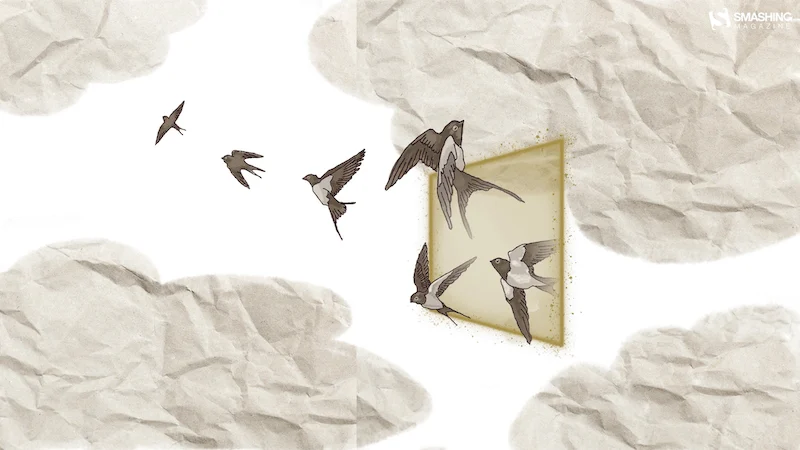
As the transition into the fourth quarter of the year begins, Smashing Magazine has officially released its curated collection of desktop wallpapers for October 2026, maintaining a digital tradition that has spanned more than 15 years. This monthly initiative, which crowdsources high-quality digital art from a global network of designers, serves as both a functional utility for users and a high-visibility platform for independent creators. The October 2026 installment highlights a diverse array of themes, ranging from the traditional atmospheric shifts of autumn and the cultural phenomenon of Halloween to abstract interpretations of technology and nature. By offering these designs in various resolutions without cost, the publication continues to foster a community-centric approach to digital aesthetics, bridging the gap between professional graphic design and the end-user experience.
The Evolution of a Digital Institution
Smashing Magazine’s wallpaper series began as a simple monthly feature and has since evolved into a significant cultural touchstone for the design community. For over a decade and a half, the magazine has invited artists from across the globe—including contributors from Serbia, Spain, Belgium, Hungary, and the United States—to submit original work. This initiative provides a recurring timeline of design trends, reflecting the shift from skeuomorphic designs of the late 2000s to the minimalist, geometric, and AI-influenced styles prevalent in the mid-2020s.
The October collection is historically one of the most anticipated releases due to the rich visual palette associated with the season. Designers often utilize the "Golden Hour" lighting, the vibrant decay of deciduous foliage, and the gothic imagery of Halloween to create high-contrast, engaging visuals. This year’s release is no exception, featuring contributions that explore the psychological comfort of "cozy" aesthetics alongside the stark, eerie motifs of the autumn night.
Thematic Analysis of the October 2026 Collection
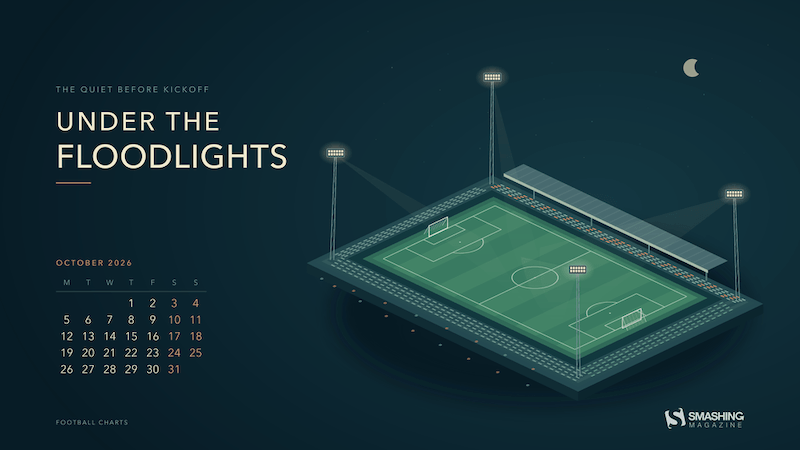
The current collection can be categorized into four primary thematic pillars: seasonal nature, festive Halloween imagery, lifestyle-centric "cozy" art, and conceptual/technical illustrations.
Seasonal Transitions and Nature
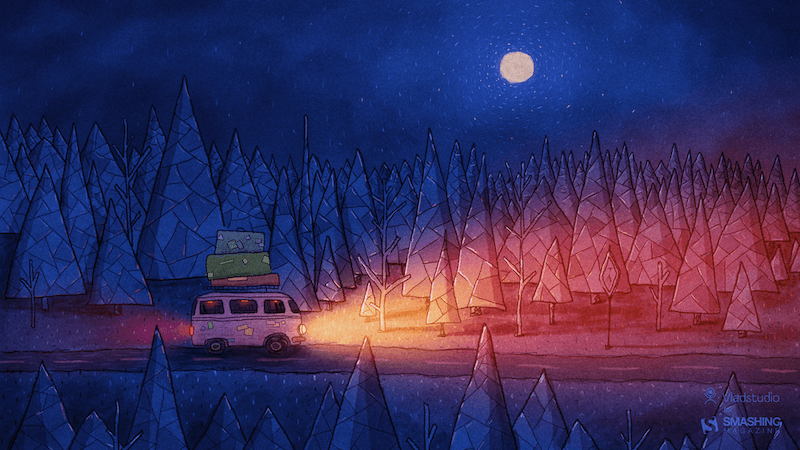
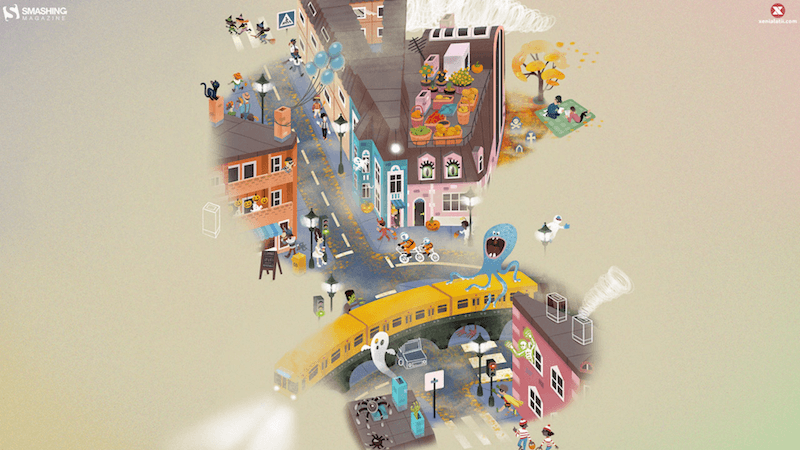
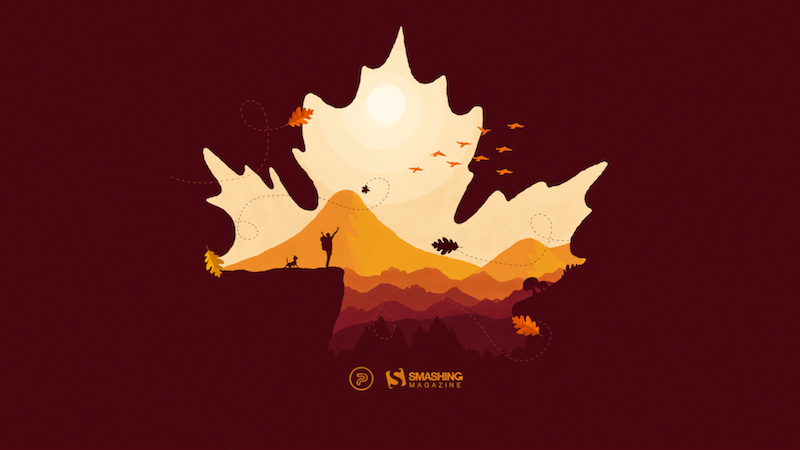
A significant portion of the collection focuses on the physical changes in the environment. "Magical October," designed by Lívi Lénárt from Hungary, draws inspiration from classic literature, specifically L.M. Montgomery’s Anne of Green Gables, to celebrate the aesthetic value of the month. Similarly, "Autumn Deer" by Amy Hamilton of Canada and "Autumn in the Forest" by Hilda Rytteke of Sweden utilize organic forms and earth-toned palettes to evoke the serenity of the wilderness.
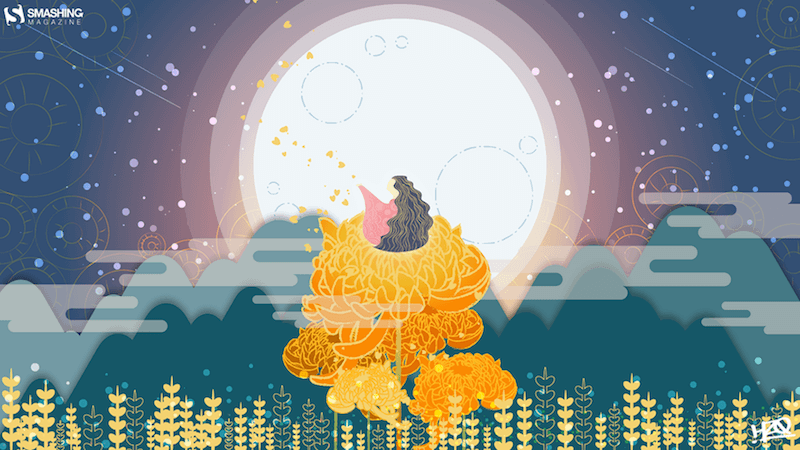
Notably, the collection includes culturally specific interpretations of the season, such as "Hanlu" by Hong, ZI-Qing from Taiwan. This design references the traditional Chinese solar term "Cold Dew," which marks the point when temperatures begin to drop and chrysanthemums bloom. Such inclusions highlight the global reach of the project, moving beyond Western-centric views of autumn.

Halloween and the Spooky Aesthetic
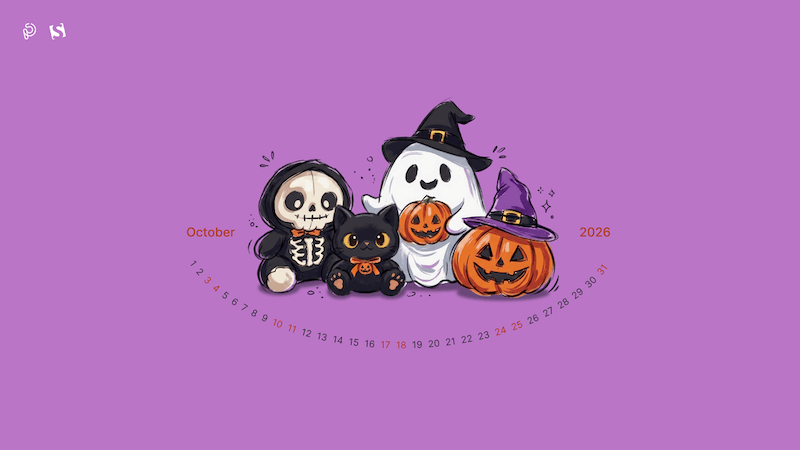
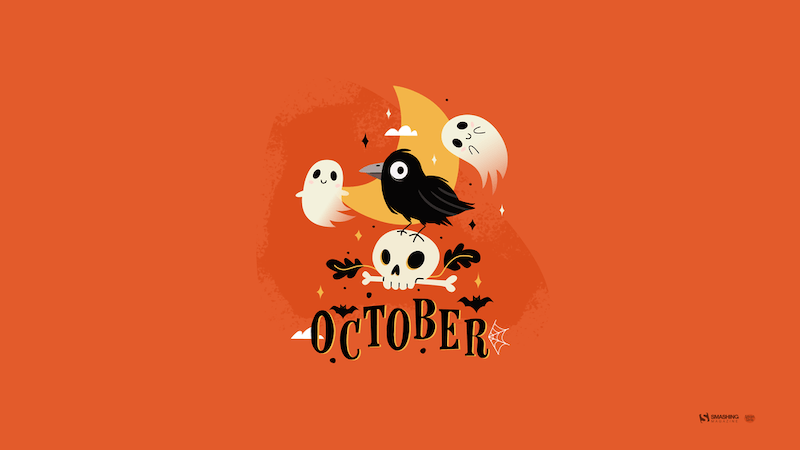
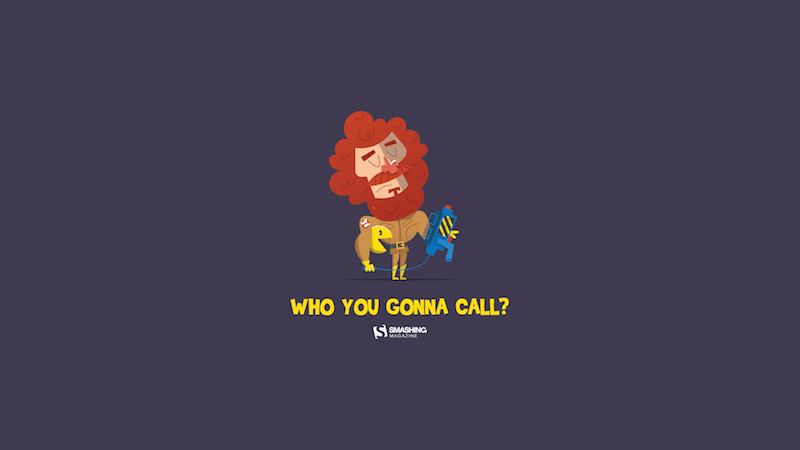
As Halloween has transformed into a multi-billion-dollar global event, its influence on digital art has intensified. The October 2026 collection features several interpretations of this "spooky" season. "A Night of Universal Magic and Joy" by PopArt Studio in Serbia frames Halloween as a unifying global celebration. In contrast, Ricardo Gimenes of Spain provides a more stylized, character-driven approach with "Voodoo You" and "Ghostbusters," utilizing bold lines and high-saturation colors that reflect modern illustrative trends.
The humorous side of the holiday is represented by "A Very Pug-o-ween" from Trillion in New Jersey, which explores the cultural trend of dressing pets in costumes—a niche but significant aspect of contemporary Halloween celebrations. These designs cater to a wide demographic, from those seeking genuine horror motifs to those preferring lighthearted, festive visuals.
Lifestyle and "Cozy" Aesthetics
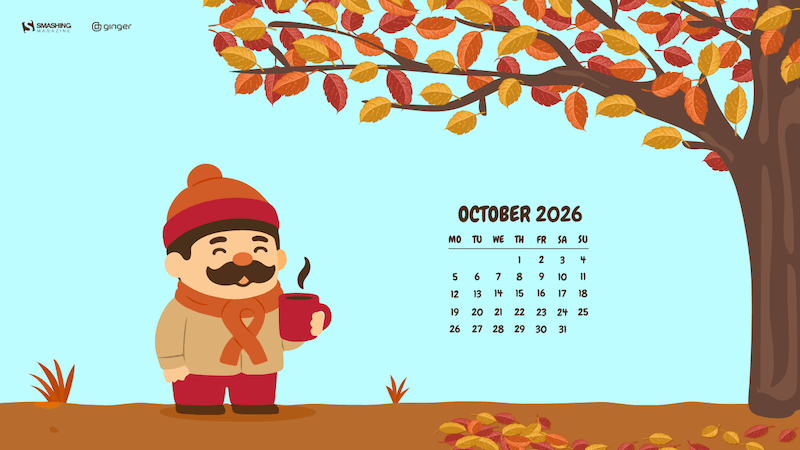
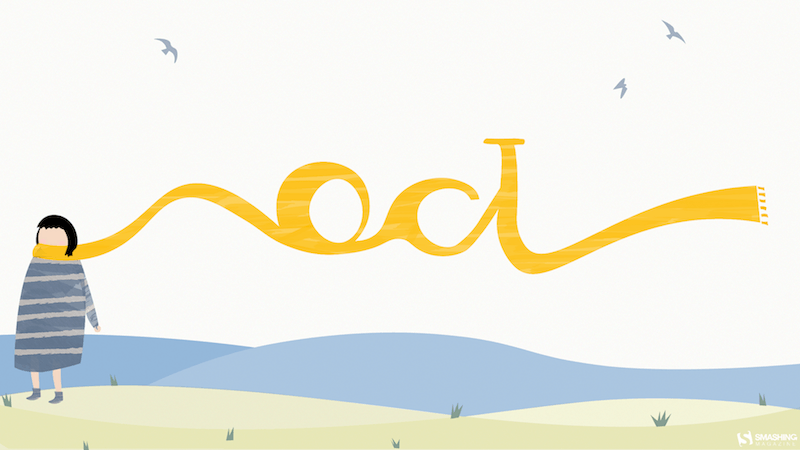
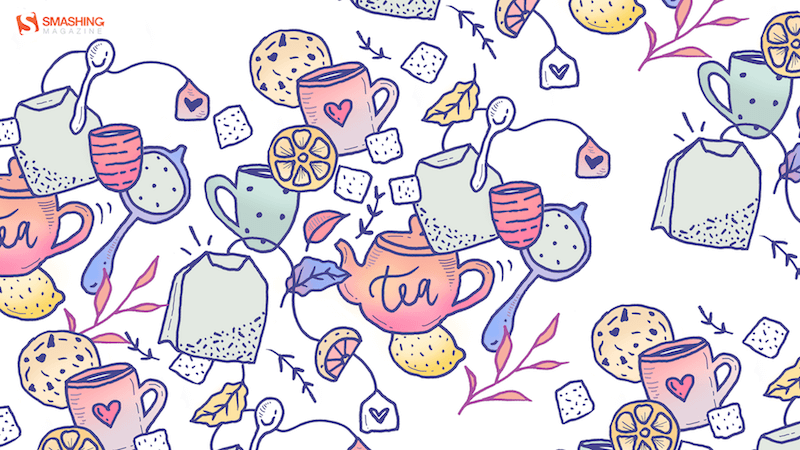
Reflecting the "Slow Living" movement, several wallpapers focus on the domestic comforts of autumn. "Coffee Weather" by Ginger IT Solutions and "Tea and Cookies" by Miruna Sfia emphasize the sensory experiences of the season—warmth, indoor refuge, and culinary comfort. "First Scarf and the Beach" by Gwen Bogaert of Belgium introduces the concept of "uitwaaien"—a Dutch/Flemish term for walking in the wind to clear one’s head—suggesting that the desktop background can serve as a psychological prompt for mental well-being and stress relief.
Technical and Conceptual Illustrations
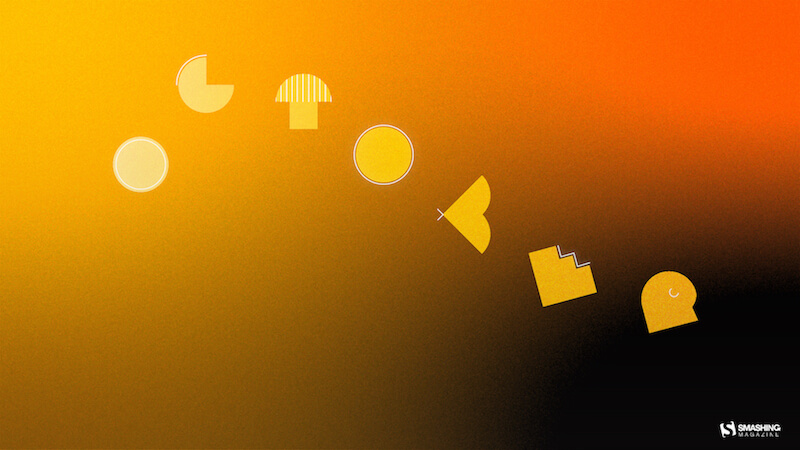
The 2026 collection also acknowledges the professional environment of its audience. "Dope Code" by Robert Brodziak from Poland targets the developer community, framing the rainy October weather as the ideal backdrop for focused programming and web development. Furthermore, the inclusion of a piece titled "AI" by Ricardo Gimenes serves as a meta-commentary on the current state of the design industry, where artificial intelligence has become a primary tool and subject of discussion among creative professionals.
Supporting Data: The Impact of Visual Environment on Productivity
While often viewed as a simple personalization tool, the choice of desktop wallpaper has documented psychological implications. According to various studies in the field of environmental psychology, "micro-breaks" taken by looking at nature-themed imagery can reduce cognitive fatigue and improve focus.
Data suggests that:
- Restorative Effects: Images of nature, such as those found in the "Autumn Gate" or "Shades of Gold" designs, can trigger the parasympathetic nervous system, lowering stress levels in high-pressure work environments.
- Personalization and Agency: The ability to customize one’s digital workspace is linked to higher job satisfaction and a sense of ownership over one’s professional output.
- Color Psychology: The heavy use of oranges and yellows in the October collection is strategically sound, as these colors are often associated with energy, warmth, and optimism, which can counteract the "Seasonal Affective Disorder" (SAD) sometimes associated with the decreasing daylight hours of late autumn.
Chronology and Submission Process
The release of the October wallpapers follows a strict editorial timeline designed to maximize user engagement.
- Submission Phase: Artists typically submit their designs several weeks in advance. For the upcoming November collection, the deadline is set for October 31.
- Curation Phase: The Smashing Magazine editorial team reviews submissions for technical quality, resolution compatibility, and thematic relevance.
- Distribution Phase: Wallpapers are released on the final days of the preceding month to allow users to update their devices in time for the 1st of the new month.
The magazine’s commitment to providing various resolutions—including mobile, tablet, and high-definition desktop formats—ensures that the artwork is accessible across the modern multi-device ecosystem.
Official Responses and Community Engagement
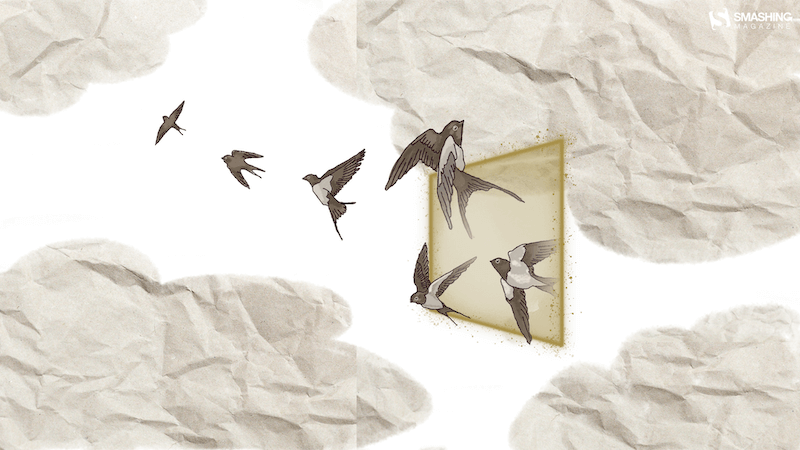
The editorial board at Smashing Magazine has expressed continued gratitude toward the global design community. In a statement accompanying the release, the magazine emphasized that the project is "designed by the community for the community," highlighting the altruistic nature of the contributors. The designers themselves often use the platform to share personal narratives, such as Eline Claeys’ reflection on bird migration in Belgium or Frank Candamil’s sci-fi "Rogue Rover" concept, which adds a layer of storytelling to the visual assets.

This engagement model has proven successful for the designers involved. Featured artists often report increased traffic to their portfolios (e.g., Behance, Instagram) and professional inquiries resulting from the visibility provided by Smashing Magazine’s high-traffic platform.
Broader Implications for the Creative Industry
The October 2026 wallpaper release is more than a seasonal update; it is a reflection of the democratization of design. By offering a platform where a studio in Serbia, a freelancer in Spain, and a hobbyist in Hungary can coexist, Smashing Magazine facilitates a global exchange of visual culture.
Furthermore, the collection highlights the resilience of human creativity in an era of increasing automation. While AI tools are referenced and utilized, the personal anecdotes and cultural nuances—such as the Belgian tradition of beach walks or the Polish perspective on "coding weather"—underscore the irreplaceable value of human experience in art. As digital spaces continue to dominate professional and personal life, the curation of these environments remains a vital, though often overlooked, aspect of modern digital hygiene.
Looking forward, the publication has already opened the call for November submissions, inviting the next wave of creative talent to contribute to a legacy that shows no signs of slowing down. The transition from the vibrant hues of October to the more somber, wintry tones of November will likely provide the next major shift in the community’s collective visual narrative.

