
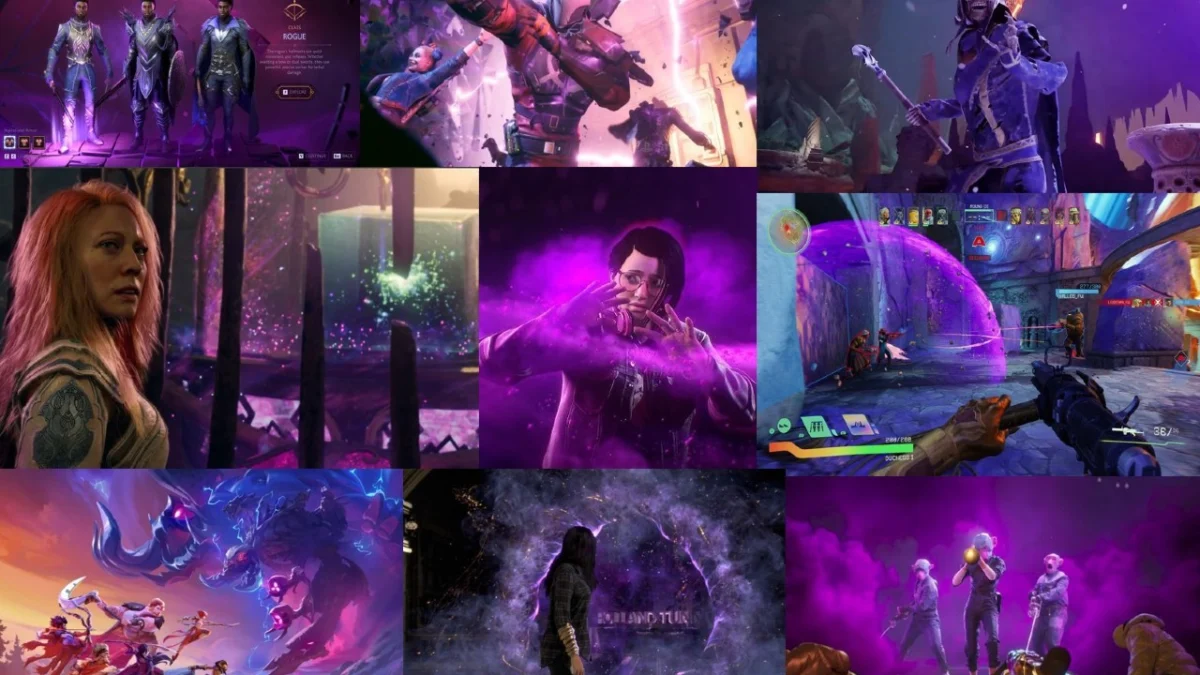
The emergence of "DEI Purple," a term increasingly utilized within digital gaming communities, represents a unique intersection of aesthetic analysis and cultural criticism. The term, also frequently referred to as "DEI Violet," describes a theory prevalent among specific segments of the gaming public which posits that the prominent use of certain purple, magenta, or violet hues in video game marketing and art direction serves as a visual indicator of "Diversity, Equity, and Inclusion" (DEI) mandates. Proponents of this theory suggest that these color choices are not merely artistic but are symbolic of a specific corporate ideology, often predicting that games featuring this palette will prioritize social messaging over traditional gameplay mechanics or narrative depth.
While the use of vibrant colors in gaming is historically common, the "DEI Purple" phenomenon marks a shift in how consumers interpret visual data. In the contemporary gaming landscape, where the industry is increasingly polarized by debates over "wokeness" and corporate consultancy, a simple color choice has been transformed into a political signifier. This theory has moved from fringe internet forums to mainstream gaming discourse, fueled by high-profile influencers and a series of commercially underperforming titles that shared similar visual aesthetics.
Historical Origins and the Steam Forum Catalyst
The formalization of the "DEI Purple" theory can be traced back to August 15, 2024. The initial discourse was sparked on the Steam community forums for the then-upcoming title Dragon Age: The Veilguard. A user known as Gloaf published a thread titled "Overuse of Purple Indicates DEI garbage," which served as the foundational text for the movement. In the post, Gloaf listed a series of recent releases, including Forspoken, Saints Row, Flintlock: The Siege of Dawn, Tales of Kenzera: Zau, Gotham Knights, and Neo Cab.
The user argued that the recurring use of a specific neon-purple palette was a "hallmark" of projects influenced by DEI incentives and external consultancy firms, specifically citing Sweet Baby Inc. (SBI). The post urged consumers to view the color as a warning sign, stating, "This is not an RPG… remember we have the power, do not buy." This sentiment resonated with a demographic of players who had become skeptical of the industry’s shifting creative directions. Within 24 hours, the thread became a focal point for debate, with other users corroborating the observation by noting a perceived correlation between high-saturation purple lighting and games that were criticized for "sanitized" writing or forced diversity.
Chronology of Digital Proliferation
Following its inception on Steam, the theory transitioned to more visual-heavy social media platforms. On September 30, 2024, the YouTube channel "Let’s Gundam It" produced one of the first video essays dedicated to the subject, analyzing the color grading of several "triple-A" trailers. The video suggested that the shift from the "gritty brown and grey" era of the 2000s to the "vibrant magenta" era of the 2020s was a deliberate branding effort to make games appear more "inclusive" and "accessible" to a non-traditional gaming audience.
By early 2025, the theory had reached X (formerly Twitter), where it was distilled into viral memes. On January 2, 2025, a prominent commentator known as Mangalawyer posted a collage of screenshots from games such as Dying Light 2, Redfall, XDefiant, and Assassin’s Creed Codename Hexe. The caption, "The color palette that instantly transformed you into a non-buynary gamer," utilized a pun to link the color scheme directly to gender politics and consumer boycotts. The post garnered over 3,700 likes and hundreds of thousands of views, further cementing the term in the lexicon of "anti-woke" gaming culture.
The discourse reached a fever pitch in 2026 with the involvement of Zack Hoyt, known professionally as Asmongold. As one of the most influential streamers in the gaming world, Asmongold’s commentary often dictates the direction of community sentiment. During a June 3, 2026, broadcast, Hoyt reacted to the reveal trailer for God of War: Laufey, the first entry in the storied franchise to feature a female protagonist in the lead role. Noting the heavy use of violet-hued magical effects and environmental lighting, Hoyt labeled the aesthetic "DEI Purple." He characterized the color as a "warning sign" that signaled a departure from the series’ established tone, suggesting that the visual identity was a precursor to a specific type of narrative restructuring.
Aesthetic Analysis and the Industry’s "Neon Shift"
To understand the rise of the "DEI Purple" theory, one must examine the actual shifts in game art direction over the last decade. Industry analysts note that the industry moved away from the "realism" of the Xbox 360/PS3 era, which favored desaturated earth tones, toward a more stylized, high-contrast look facilitated by modern HDR (High Dynamic Range) technology.
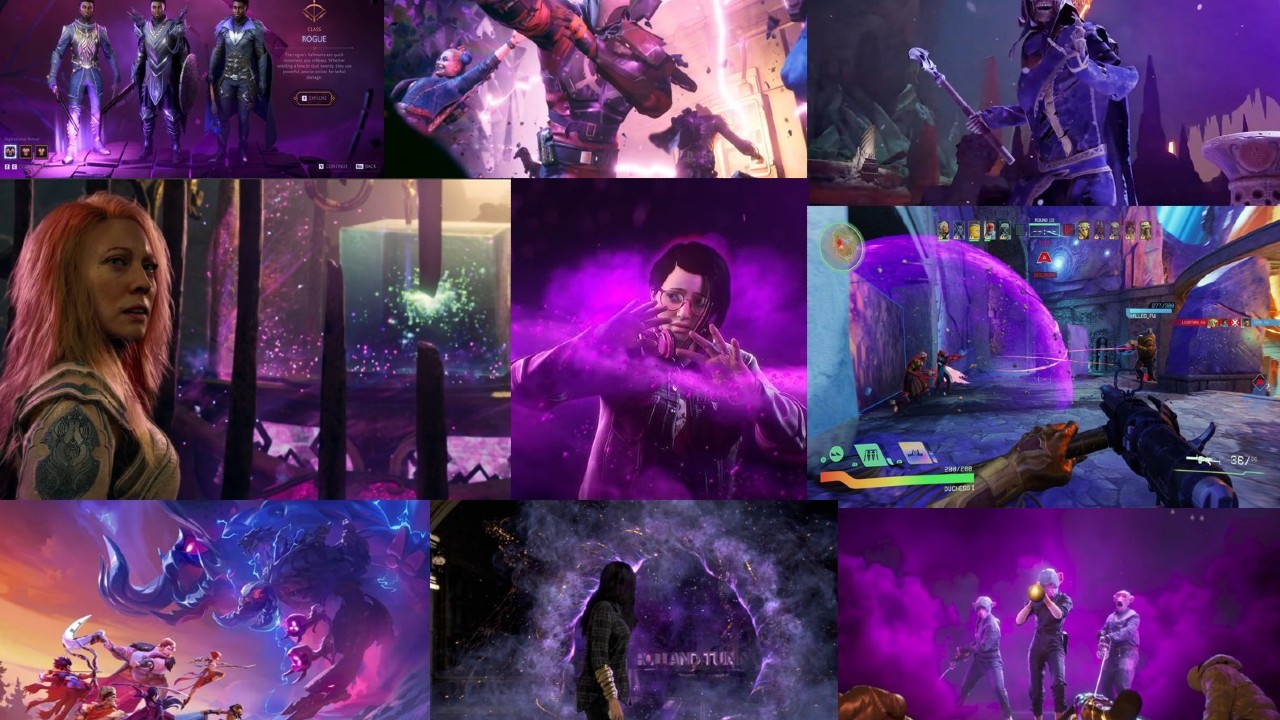
Purple and magenta are frequently used in digital art for several technical reasons:
- Visibility: These colors stand out sharply against common environmental colors like green (foliage) or blue (sky).
- Synthetic Contrast: Purple light often denotes magical or high-tech elements that are intended to look "otherworldly" or "unnatural."
- Brand Identity: Following the success of titles like Fortnite, many developers adopted "pop" aesthetics to appeal to younger demographics who gravitate toward high-energy, neon-infused visuals.
However, the "DEI Purple" theory interprets these technical choices through a sociopolitical lens. Critics of the aesthetic argue that the "neon-ification" of gaming represents a "corporate Memphis" equivalent for the interactive medium—a safe, colorful, and homogenized style that masks a lack of creative risk. The theory posits that because purple is a color often associated with modern progressive movements (and is a primary component of the "bisexual lighting" trope in cinematography), its overrepresentation in games is a conscious or subconscious signal of a developer’s political alignment.
Market Performance and Consumer Perception
The potency of the "DEI Purple" label is largely derived from the commercial performance of the games associated with it. Several titles identified by the community as featuring this palette have faced significant challenges at market:
- Saints Row (2022): Criticized for its "cringeworthy" dialogue and a departure from the series’ gritty roots, the game featured a purple-heavy brand identity. Its failure led to the eventual closure of Volition Studios.
- Forspoken: Square Enix’s ambitious open-world title was mocked for its protagonist’s dialogue and visual effects. The game failed to meet sales expectations, resulting in the absorption of Luminous Productions.
- Suicide Squad: Kill the Justice League: Rocksteady’s live-service title utilized a vibrant, purple-and-green aesthetic for its "Brainiac" enemies. The game was a significant financial loss for Warner Bros. Discovery.
While industry experts often attribute these failures to poor gameplay loops, technical bugs, or predatory monetization, the "DEI Purple" theory provides a unifying visual explanation for the consumer base. From this perspective, the color is not the cause of the failure but a symptom of a corporate culture that prioritizes "The Message" over the player experience.
Responses from the Creative Community
While few developers have addressed the "DEI Purple" theory directly, the broader industry reaction to "anti-woke" sentiment has been one of defensive caution. Art directors and UI designers have noted in various industry panels that color palettes are typically chosen based on accessibility (ensuring elements are visible to color-blind players) and psychological impact (purple is often associated with mystery and power).
However, some independent developers have begun to acknowledge the "stigma" now attached to certain aesthetics. In private developer forums, there has been documented discussion regarding "palette fatigue," where creators are advised to avoid certain magenta-heavy lighting schemes to prevent their games from being "review-bombed" or labeled as "political" before they even launch. This suggests that, regardless of the theory’s objective validity, it has begun to exert a "chilling effect" on certain artistic choices within the industry.
Broader Implications for Gaming Culture
The "DEI Purple" phenomenon is emblematic of a broader trend in entertainment where aesthetic elements are increasingly weaponized in cultural conflicts. Much like the "CalArts Style" in animation or the "Corporate Memphis" style in graphic design, "DEI Purple" serves as a shorthand for a perceived decline in authenticity and a rise in corporate-mandated inclusivity.
As the industry moves toward 2027 and beyond, the tension between artistic intent and consumer interpretation is likely to intensify. The "DEI Purple" theory demonstrates that in a highly polarized environment, no detail is too small to be scrutinized. For developers, the challenge will be navigating a landscape where a simple choice on a color wheel can become the centerpiece of a global cultural debate, potentially impacting the commercial viability of multi-million dollar projects. For the gaming public, "DEI Purple" remains a potent symbol of their desire for a return to what they perceive as a more "meritocratic" and "apolitical" era of interactive entertainment.

