
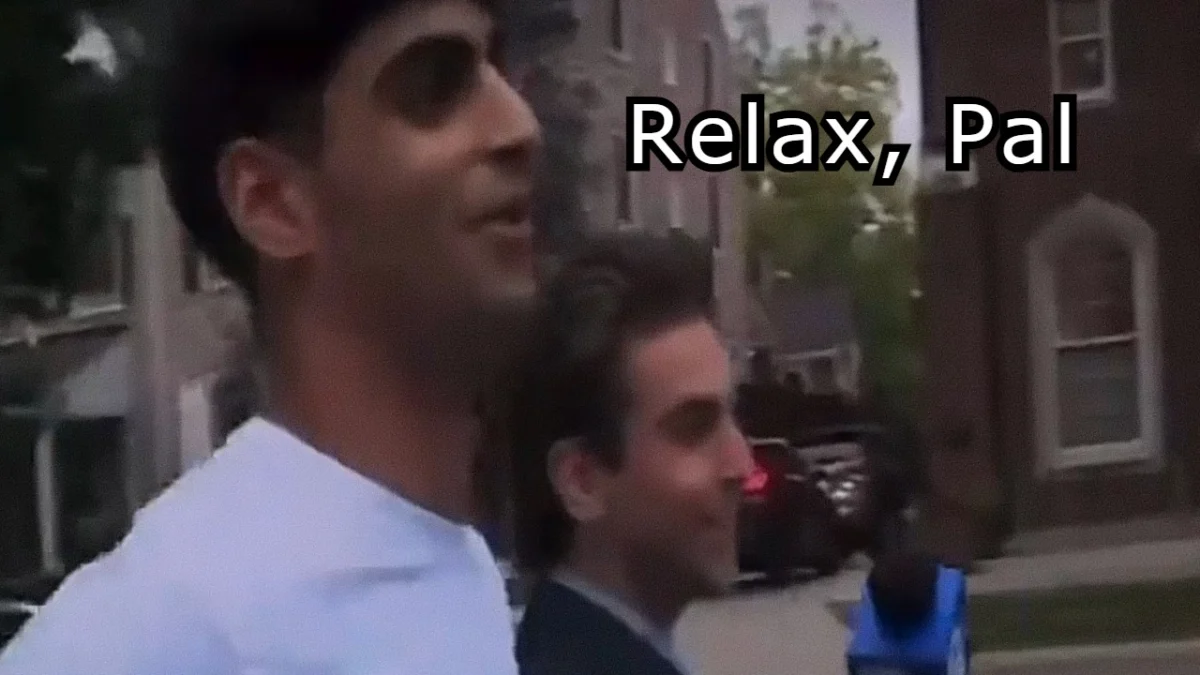
The intersection of criminal justice investigations and digital meme culture reached a new focal point in late September 2026 following a viral encounter at the University of Wisconsin-Madison. What began as a standard local news inquiry into allegations of severe fraternity hazing quickly transitioned into a global social media phenomenon centered on a two-word retort: "Relax, pal." The incident has since sparked a complex dialogue regarding the glamorization of fraternity culture, the evolution of internet slang, and the persistent challenges universities face in regulating "underground" student organizations.
The Alpha Epsilon Pi Investigation and Initial Arrests
On September 25, 2026, the Madison Police Department executed a series of actions related to a suspected hazing incident involving the Alpha Epsilon Pi (AEPi) fraternity. While AEPi is a well-known national organization, the specific chapter at the University of Wisconsin-Madison had been operating as an "underground" and unofficial entity, having previously lost its formal recognition from the university. This status meant the group operated without the oversight, safety protocols, or insurance typically required of Greek life organizations on campus.
The investigation reached a critical juncture when police arrested two 20-year-old men, identified as Brayden Klein and Samuel Vane. Both individuals were described as leaders within the unsanctioned fraternity. According to law enforcement records, the arrests followed reports of a "pledge" event held in the basement of a residential property. Documentation and images released by authorities depicted a scene of significant physical duress; approximately 30 students were discovered shirtless, showing signs of minor physical injuries, and covered in a mixture of food products, condiments, and various unidentified liquids.
Klein and Vane were charged with crimes related to the hazing incident and were released on bail within hours of their processing. The University of Wisconsin-Madison issued a statement shortly thereafter, reiterating that the organization involved was not an affiliated student group and warning students of the risks associated with joining unrecognized fraternities.
The "Relax, Pal" Incident: A Reporter’s Inquiry Goes Viral
The transition from a local crime story to a viral meme began when TJ Dysart, a reporter for WISN 12 News, attempted to interview members of the fraternity as they exited the property. In a video later uploaded to WISN 12’s social media platforms and Dysart’s personal TikTok account, the reporter is seen approaching two young men.
Dysart posed a direct question to the pair: "Were you hazed, or were you doing the hazing?"
One of the students, maintaining a calm and dismissive demeanor, looked directly at the camera and responded with the phrase, "Relax, pal." The student then continued walking, effectively ending the interaction. The brevity of the response, combined with the student’s perceived confidence and the serious nature of the surrounding investigation, created a jarring contrast that immediately captured the attention of the internet.
Within five days of the initial upload to TikTok on September 25, 2026, the original clip amassed over 2.3 million views. The footage became a Rorschach test for viewers; while some saw a dismissive attitude toward serious legal allegations, a significant portion of the digital audience began to celebrate the student’s composure under pressure.
The Anatomy of the Meme: "Mogging" and Looksmaxxing
As the video spread across platforms like X (formerly Twitter) and TikTok, it was quickly co-opted by various internet subcultures. On September 26, 2026, prominent social media users began recontextualizing the clip. One X user, @barryywhitee, shared the video with the caption "Absolute chills from the boys of wisco," signaling a shift toward an ironic or even sincere admiration for the student’s "coolness."
A significant driver of the meme’s growth was the "looksmaxxing" community—a subculture focused on physical attractiveness and social dominance. TikToker @fakeangularity posted a breakdown of the video that garnered 2.9 million views in four days. In the video, the creator utilized niche terminology, claiming the student had "mogged" the reporter. In this context, "mogging" refers to one individual being physically or socially superior to another in a way that makes the second person look inferior by comparison.
The analysis focused on the student’s "hunter eyes," jawline, and the perceived "alpha" energy of his dismissive response. This transformation of a criminal investigation subject into an icon of "aesthetic superiority" highlights a growing trend where Gen Z and Gen Alpha audiences apply video-game-like stats and beauty standards to real-world news events.
Social Media Edits and the "Frat Moodboard" Aesthetic
Following the initial wave of reactions, the "Relax, pal" clip became the foundation for "moodboard" edits. These videos typically begin with the student’s retort before transitioning into a high-energy compilation of fraternity-related imagery: shots of classic collegiate architecture, luxury clothing (such as Peter Millar or Ralph Lauren), lacrosse games, and parties in coastal locations like Nantucket.
One such edit by @_finnvisualspart2 reached 2.6 million views in just three days. These edits serve to romanticize the "frat boy" lifestyle, often stripping away the negative connotations of the hazing investigation and replacing them with a curated image of wealth, brotherhood, and rebellion against authority. This phenomenon, often referred to as "target audience" content, suggests that the video resonated deeply with a demographic that values traditional collegiate masculinity and the "old money" aesthetic.
The meme’s reach was further cemented when other users began traveling to Madison specifically to locate the student. On September 27, 2026, TikToker @lilyrzfdl posted a video of herself meeting the "Relax, pal" student, which gained 2.7 million views, indicating that the individual had achieved a level of local celebrity status despite the legal cloud hanging over his organization.
Institutional Challenges and the Persistence of Hazing
Beyond the humor and aesthetics of the meme, the "Relax, pal" incident underscores a persistent and dangerous issue within American higher education: the resilience of underground fraternities. When a university suspends a Greek organization, the group often continues to operate off-campus, free from the university’s disciplinary reach.
Data from the National Study of Student Hazing indicates that more than half of college students involved in clubs, teams, and organizations experience some form of hazing. The UW-Madison incident, involving 30 students covered in food and condiments, fits the classic profile of "harassment hazing," designed to humiliate and establish a hierarchy within the group.
The fact that the "Relax, pal" student’s dismissal of the reporter became a badge of honor online presents a challenge for university administrators. When the public—particularly the student-aged public—ironically celebrates a refusal to engage with the consequences of hazing, it complicates efforts to foster a culture of transparency and safety.
Fact-Based Analysis of Media Implications
The "Relax, pal" phenomenon represents a shift in how news is consumed and processed by younger demographics. The original news report by TJ Dysart was intended to hold individuals accountable and inform the public about a police matter. However, through the lens of TikTok and X, the "villain" of the news story was recast as the "hero" of the meme.
This "accuracy reenactment" and discourse-heavy environment means that news organizations no longer control the narrative once a clip is released. The "Relax, pal" guy became a character in a digital narrative, detached from the reality of the basement in Madison where shirtless students were allegedly being mistreated.
Furthermore, the rise of "looksmaxxing" commentary on news clips suggests that physical appearance can, in the digital eye, mitigate or even erase the severity of alleged misconduct. The student’s perceived attractiveness and "vibe" became more relevant to the viral conversation than the two arrests made in connection with the fraternity.
Conclusion: The Duality of Digital Fame
As of late 2026, the legal proceedings against Brayden Klein and Samuel Vane continue, and the Madison Police Department maintains its investigation into the AEPi underground chapter. While the judicial system focuses on the facts of the hazing incident, the digital world remains captivated by a brief moment of defiance.
The "Relax, pal" meme serves as a potent reminder of the power of brevity in the social media age. A two-word phrase was enough to launch a thousand edits, redefine a news cycle, and create a new archetype of the "unbothered" collegiate male. However, beneath the polished "moodboards" and the "mogging" analyses remains a sobering reality: a group of young men were subjected to conditions that required police intervention, highlighting the ongoing struggle to eliminate hazing from the American collegiate experience. Whether the meme will have a lasting impact on the "frat aesthetic" or fade as a momentary digital distraction remains to be seen, but for now, it stands as a definitive example of how internet culture can transform a serious legal inquiry into a stylized celebration of non-compliance.

