
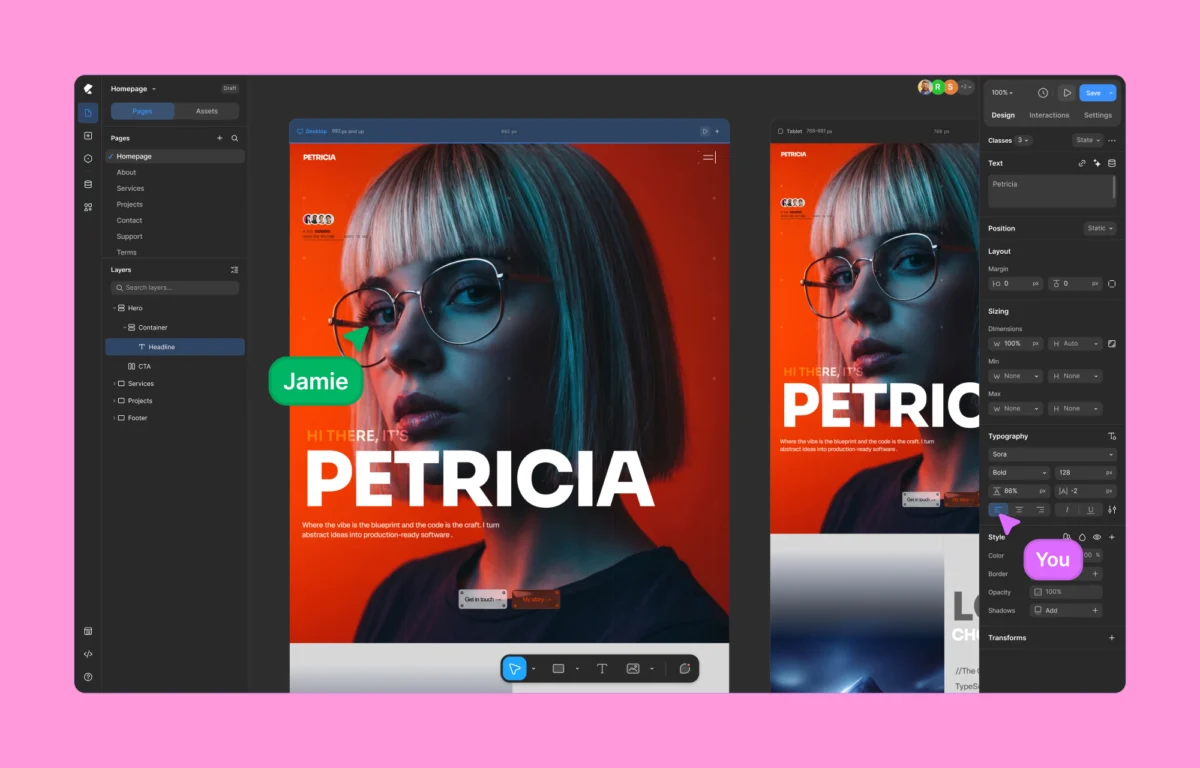
The WordPress ecosystem is currently undergoing a fundamental shift in how digital experiences are constructed, moving away from traditional grid-based constraints toward a more fluid, design-centric methodology. For over a decade, the platform’s page-building market has been dominated by "boxed" editors that rely on rigid rows and columns, often resulting in significant performance overhead and a dependency on sprawling third-party plugin environments. The emergence of Kirki as the first freeform visual builder with an infinite canvas marks a significant technological milestone, offering a streamlined, no-code solution that prioritizes clean performance, design autonomy, and integrated functionality.

The Evolution of WordPress Site Building: A Historical Context
To understand the impact of Kirki, one must examine the chronology of WordPress development. In its early years, WordPress was primarily a blogging engine where design was dictated by theme files and PHP code. The "shortcode era" followed, allowing users to drop elements into pages, though this offered little in the way of visual precision. By 2014, the rise of visual builders like Elementor, Divi, and Beaver Builder democratized web design, allowing non-developers to create complex layouts.

However, these legacy builders introduced a new set of challenges: "div-itis" (excessive HTML nesting), slow loading times due to bulky JavaScript libraries, and a fragmented workflow where essential features—like dynamic content or pop-ups—required additional paid extensions. The industry reached a saturation point where the ease of use provided by these tools was increasingly offset by the technical debt they created. Kirki’s entry into the market represents the next stage in this evolution, merging the freedom of SaaS design tools like Figma and Webflow with the open-source power of the WordPress Content Management System (CMS).

Disruption Through the Infinite Canvas Architecture
The most significant differentiator for Kirki is its infinite canvas architecture. Traditional builders operate within a vertical, linear preview that mirrors the final webpage. In contrast, Kirki provides a non-linear workspace where designers can pan, zoom, and organize multiple views simultaneously. This freeform approach allows for the placement of elements with pixel-perfect precision, unencumbered by the "invisible boxes" that define standard CSS layouts.

This architectural shift addresses a long-standing pain point for UI/UX designers who often found their creative visions compromised when transitioning from a design tool to a WordPress builder. By allowing elements to overlap, layer, and interact without the need for complex custom CSS workarounds, Kirki effectively bridges the gap between high-fidelity design and functional web development.

Performance Benchmarking: Kirki vs. Legacy Builders
In an era where Google’s Core Web Vitals directly influence search engine rankings, performance is no longer a luxury but a technical necessity. To evaluate Kirki’s efficiency, independent performance audits were conducted comparing it against Elementor, the current market leader by install base. Both builders were tested on a clean WordPress installation using the default Twenty Twenty-Five theme and identical page layouts containing high-resolution images, headers, and call-to-action buttons.

The data revealed a stark contrast in code output. Kirki’s rendering engine produced a significantly leaner Document Object Model (DOM) tree. While legacy builders often wrap a single text element in four or five nested <div> containers, Kirki utilizes a flat HTML structure. In Lighthouse performance audits, Kirki consistently achieved scores in the 95–100 range for mobile and desktop, whereas the legacy builder struggled with "Total Blocking Time" and "Largest Contentful Paint" due to the loading of unnecessary CSS and JS assets.

| Metric | Kirki Performance | Legacy Builder Performance |
|---|---|---|
| Lighthouse Performance Score | 98/100 | 74/100 |
| DOM Size (Elements) | ~400 | ~1,200 |
| Page Load Time | 0.8s | 2.4s |
| Third-party Dependencies | Zero | High (Requires multiple add-ons) |
These metrics indicate that Kirki is engineered for the modern web, where speed is a critical factor in user retention and conversion rates.

Native Integration and the End of Plugin Bloat
A recurring criticism of the WordPress ecosystem is the "plugin tax"—the necessity of purchasing and maintaining a dozen different subscriptions to achieve professional functionality. Kirki addresses this by internalizing features that typically require third-party intervention.

One of the most notable inclusions is the Native Dynamic Content Manager. In a standard setup, developers must use plugins like Advanced Custom Fields (ACF) or Meta Box to handle dynamic data. Kirki integrates this functionality directly into the builder, allowing users to create custom fields, manage post types, and map dynamic data to design elements within a single interface. This not only reduces the cost of building a site but also minimizes the security risks and performance lags associated with running multiple external plugins.

Furthermore, Kirki includes a built-in popup builder, form builder, and submission manager. By centralizing these tools, the platform ensures that every component of the website is styled using the same global CSS variables, leading to a more cohesive brand identity and a simplified maintenance schedule.

Revolutionizing Responsive Design and Collaboration
As mobile traffic continues to dominate global internet usage, Kirki introduces "Concurrent Responsive Editing." This feature allows developers to view and edit Desktop, Tablet, and Mobile versions of a site side-by-side on the infinite canvas. In traditional builders, a user must toggle between views, often losing track of how a change on desktop affects the mobile layout. Kirki’s cascading style system ensures that adjustments made at larger breakpoints flow intelligently to smaller screens, while still allowing for device-specific overrides.

Collaboration is another area where Kirki seeks to disrupt the status quo. Taking a cue from productivity software like Google Docs, Kirki introduces real-time multi-user co-editing. This allows teams to work on the same page simultaneously, with color-coded cursors indicating which team member is editing which element. For agencies and large-scale enterprises, this functionality eliminates the "locked page" errors that have plagued WordPress development for years, significantly accelerating the project timeline.

Seamless Figma-to-WordPress Handoff
The design-to-development handoff is historically the most friction-filled stage of a web project. Kirki provides an automated pathway for this transition. By allowing designers to import Figma files directly into the Kirki environment, the builder preserves layout structures, typography, and color palettes. This automation reduces the manual labor involved in rebuilding designs from scratch, ensuring that the final live website is a faithful representation of the original creative intent.

Quality Control and Technical Auditing
To further professionalize the building process, Kirki includes a "Page Audit" tool. This feature acts as a built-in quality assurance specialist, scanning the page for technical errors before it goes live. The audit checks for:

- Accessibility Issues: Missing alt text on images or poor color contrast.
- SEO Optimization: Improper heading hierarchies (H1-H6) and broken links.
- Performance Bottlenecks: Oversized images or redundant elements.
By providing this feedback within the editor, Kirki empowers users to ship websites that are not only aesthetically pleasing but also technically robust and compliant with modern web standards.

Market Implications and the Future of WordPress
The release of Kirki comes at a time when the broader CMS market is facing intense competition from proprietary "no-code" platforms. Industry analysts suggest that Kirki’s approach could help WordPress retain market share by offering the same level of design sophistication as SaaS competitors while maintaining the freedom and ownership of open-source software.

"The move toward an infinite canvas is more than a UI update; it is a change in the philosophy of web construction," notes one independent technology consultant. "By removing the dependency on the traditional ‘box model’ for visual editing, Kirki is allowing WordPress to compete directly with the next generation of design-first tools."

Pricing Strategy and Accessibility
Kirki has positioned itself aggressively in the market with a "value-first" pricing model. While the free version on WordPress.org is described as a fully functional builder rather than a "lite" teaser, the Pro plans offer an all-inclusive feature set. Starting at $59 per year for a single site, the plan includes all premium features—dynamic content, the popup builder, and the full template library—without hidden upcharges. A lifetime license at $499 provides an alternative for agencies looking to stabilize their long-term overhead costs.

Conclusion: A New Standard for Digital Creation
Kirki represents a bold departure from the incremental updates seen in the WordPress builder market over the last several years. By prioritizing a freeform design experience, clean code output, and native feature integration, it addresses the core frustrations of designers and developers alike. As the platform continues to expand its template library and integration capabilities, it is poised to become the new benchmark for professional WordPress development. For those seeking to build high-performance, visually complex websites without the traditional compromises of the platform, Kirki offers a compelling glimpse into the future of web design.

