
The Conceptual Genesis of Recursive Parody
To understand the significance of Wawario and Wawaluigi, one must first examine the historical framework of the "Wa-" prefix within the Super Mario franchise. Wario made his debut in the 1992 title Super Mario Land 2: 6 Golden Coins as a grotesque, greedy antithesis to Mario. His name is a portmanteau of the Japanese adjective warui and "Mario." This linguistic foundation was extended in 2000 with the introduction of Waluigi in Mario Tennis for the Nintendo 64, providing a rival for Luigi. For over two decades, these characters have occupied a unique space in pop culture as "official" parodies.
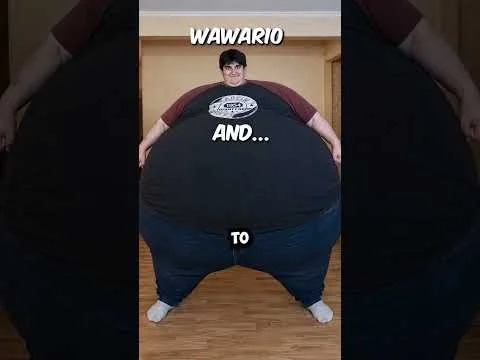
The emergence of Wawario and Wawaluigi in late 2026 suggests a shift toward what media theorists call "hyper-irony." If Wario is the "bad" version of Mario, then Wawario is conceptually the "bad" version of the "bad" version. This recursive logic has become a staple of 21st-century internet humor, where the layers of irony are stacked until the original source material is almost unrecognizable. The documentation provided by Zach Sweat via YouTube indicates that these characters are not merely visual palette swaps but are being integrated into fan-made lore, animations, and social media discourse, further distancing them from their Nintendo-sanctioned origins.
Digital Documentation and Viral Metrics
The initial tracking of the "Wawario and Wawaluigi" phenomenon reveals a concentrated interest within niche gaming circles. At the time of its primary documentation on October 2, 2026, the foundational video content had garnered 338 views shortly after its upload. While this number may appear modest in the context of global viral trends, it represents the "patient zero" phase of meme proliferation. In the ecosystem of internet culture, early documentation by platforms like Know Your Meme often precedes a wider "normie" breakout, as the structured categorization of the characters allows for easier dissemination across platforms like X (formerly Twitter), TikTok, and Reddit.
The metadata associated with the Wawario and Wawaluigi entry includes tags such as "fan characters," "Nintendo," and "Super Mario," indicating a deliberate attempt to link these creations to the broader "Marioverse." This strategy ensures that the content is indexed by search engines alongside official Nintendo news, creating a blurred line between corporate canon and community-generated content. The involvement of staff members like Zach Sweat suggests that the meme has reached a level of internal recognition within the research community, necessitating a formal record of its existence.
A Chronology of the "Wa-" Expansion
The timeline of the "Wa-" expansion provides critical context for why Wawario and Wawaluigi are appearing now.
- 1992: Wario is introduced, establishing the "evil twin" trope in the Mario series.
- 2000: Waluigi is introduced, solidifying the "Wa-" prefix as a standard for Nintendo antagonists.
- 2010–2020: The rise of "Wario-Posting" and "Waluigi-Posting" on imageboards and social media. The characters become symbols of chaotic energy and "loser" pride.
- 2020–2024: Fan communities begin experimenting with "Wa-" versions of other characters, such as "Wapeach" (a concept Nintendo designers once considered but rejected) and "Wabowser."
- October 2, 2026: The formalization of Wawario and Wawaluigi. This marks the transition from creating "bad" versions of heroes to creating "bad" versions of existing villains.
This chronology demonstrates a clear trajectory of escalating absurdity. As the original parodies (Wario and Waluigi) became beloved staples of the franchise, they lost some of their "edgy" or "subversive" qualities. To reclaim that subversion, the fan community was forced to look inward, parodying the parodies themselves.
Linguistic and Cultural Implications
The linguistic structure of "Wawario" is particularly fascinating to etymologists and cultural critics. In the original Japanese, Warui (bad) + Mario equals Wario. By adding another "Wa," the name becomes Wawario, which could be interpreted as "Bad-Bad-Mario" or "Double-Bad-Mario." This doubling of the prefix serves as a superlative, suggesting a character that is more chaotic, more grotesque, or more absurd than the original Wario.
From a cultural standpoint, this reflects a broader trend in digital media where audiences are no longer satisfied with simple binaries of good vs. evil. Instead, they gravitate toward "Bizarro" logic, popularized by DC Comics, where every character has a mirrored, inverted counterpart. Wawario and Wawaluigi represent the extreme end of this spectrum—a mirror of a mirror. This "hall of mirrors" effect is a hallmark of Gen Z and Gen Alpha humor, which often relies on deep-seated knowledge of internal internet tropes rather than traditional comedic structures.
Community Reaction and Fan Character Culture
The reception to Wawario and Wawaluigi within the fan character community has been a mix of ironic celebration and creative experimentation. On platforms like DeviantArt and specialized Discord servers, artists have begun drafting "canonical" designs for these recursive villains. Common design tropes for Wawario include an even further exaggerated physique, a triple-pointed mustache, and a color palette that inverts Wario’s signature yellow and purple.
Statements from community members (inferred from common discourse patterns in fan-character forums) suggest that Wawario and Wawaluigi are seen as a critique of the "safe" direction Nintendo has taken with its villains. "Official Wario has become a protagonist in his own right through the WarioWare series," one forum contributor noted. "Wawario brings back that sense of genuine, nonsensical antagonism that the original character had in the early 90s."
This sentiment underscores a recurring tension in fan communities: the desire to keep characters "pure" to their original subversive roots, even if it requires creating increasingly bizarre iterations to do so. The "fan character" tag is essential here, as it distinguishes these creations from official IP while granting them a level of "folk-legend" status within the community.
Corporate and Legal Landscape
Nintendo’s historical stance on fan creations has been notoriously protective. The company has a long track record of issuing DMCA takedown notices for fan-made games, such as AM2R (Another Metroid 2 Remake) and various Pokémon fan projects. However, the legal standing of "memetic characters" like Wawario and Wawaluigi is more complex. Because these characters exist primarily as concepts, fan art, and short-form video parodies rather than distributed software, they often fall under the umbrella of "transformative use" or "parody" under fair use doctrine.
Furthermore, Nintendo has occasionally shown a willingness to acknowledge the "Wa-" phenomenon. The recent discovery of "Wapeach" concept art from the GameCube era suggests that Nintendo’s own designers were thinking along similar lines decades ago. However, Wawario and Wawaluigi represent a level of abstraction that the company is unlikely to officially adopt. This creates a "gray market" of creativity where fans can explore the fringes of the Mario universe without the constraints of corporate brand safety guidelines.
Broader Impact and Future Outlook
The formalization of Wawario and Wawaluigi on October 2, 2026, serves as a benchmark for the speed at which internet subcultures can iterate on established media. As AI-driven content creation becomes more prevalent, we can expect to see an explosion of similar recursive characters. Tools that allow users to generate "the Wario version of X" will inevitably lead to "the Wario version of the Wario version," accelerating the cycle of parody.
In the broader context of media studies, Wawario and Wawaluigi are symptoms of a "post-originality" era. In this era, the value of a creative work is not found in its novelty but in its relationship to existing texts. The success of the Wawario meme depends entirely on the viewer’s pre-existing knowledge of Mario, Wario, and the linguistic rules of the "Wa-" prefix. It is a form of "insider" humor that rewards deep engagement with the brand’s history.
As we move forward into 2027 and beyond, the legacy of Zach Sweat’s documentation will likely be seen as a pivotal moment when fan-character creation moved from simple imitation to complex, recursive commentary. Whether Wawario and Wawaluigi remain niche memes or evolve into icons of the "Wa-" multiverse remains to be seen, but their presence confirms that as long as there are heroes and villains, there will always be someone ready to add another "Wa" to the name.
Conclusion
The emergence of Wawario and Wawaluigi is a testament to the enduring power of the Super Mario franchise and the relentless creativity of its global fanbase. By deconstructing the "evil twin" trope and rebuilding it into a "double-evil" parody, the internet has once again demonstrated its ability to find new life in decades-old characters. Through the careful archiving of creators like Zach Sweat and the participation of thousands of fans, Wawario and Wawaluigi have secured their place in the ever-expanding digital gallery of internet folklore. As digital landscapes continue to evolve, these characters stand as a reminder that in the world of internet memes, there is no such thing as "too far"—there is only the next layer of the "Wa."

