
Architectural Origins: The LazyTown Foundation
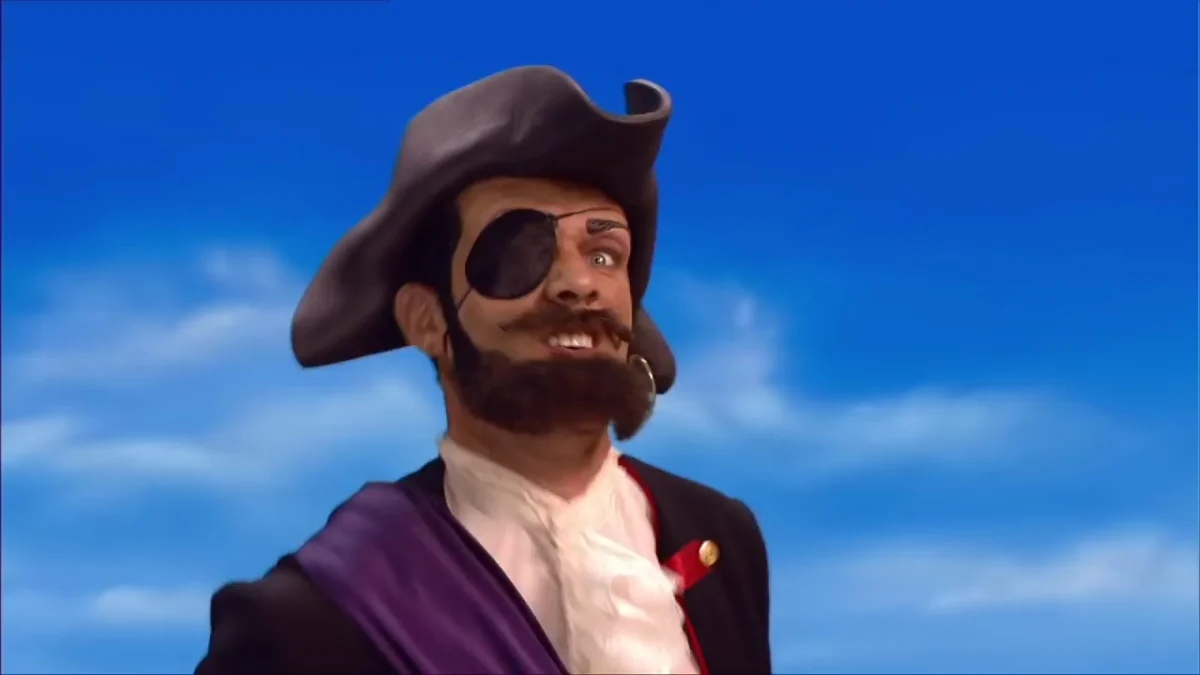
The song "You Are a Pirate" was introduced to the public via the LazyTown episode titled "Rottenbeard," which made its debut on October 4, 2004. LazyTown, created by Icelandic aerobics champion Magnús Scheving, was notable for its high production values, blending live-action performances, puppetry, and computer-generated imagery. The show’s narrative typically revolved around the healthy lifestyle of the protagonist Sportacus and the various schemes of the antagonist Robbie Rotten, portrayed by the late Stefán Karl Stefánsson.
In "Rottenbeard," Robbie Rotten assumes the persona of a pirate to deceive the children of LazyTown, leading to the performance of the song. Composed by Máni Svavarsson, the track utilized high-energy Eurodance influences and traditional sea shanty tropes, characterized by a driving 4/4 beat and the distinctive "Yar-har-fiddle-dee-dee" refrain. While the lyrics were written to reflect the adventurous spirit of maritime treasure hunting, they inadvertently provided the perfect linguistic framework for a different kind of "piracy" that was then dominating the global discourse: digital copyright infringement.
The Shift to Digital Subversion: YTMND and the Piracy Connection
The transition of "You Are a Pirate" from television to the internet began almost immediately after its broadcast. On November 13, 2004, the user-driven platform YTMND (You’re the Man Now, Dog) became the first significant incubator for the song’s viral spread. User graywolf403 created a site pairing the audio with the cover art of a children’s book, establishing the song as a "looping" meme.
However, the song’s cultural significance shifted dramatically on May 21, 2006, when YTMND user drunkauron uploaded a version titled "Piracy Rules." This iteration paired the upbeat LazyTown track with a photograph of a pirated Microsoft Windows XP installation disc. This juxtaposition fundamentally altered the song’s meaning. By linking the "pirate is free" lyrics with the act of software cracking and illegal file sharing, the internet community adopted the song as a tongue-in-cheek anthem for the peer-to-peer (P2P) generation. In its first eight years, this single YTMND page garnered over 76,000 views, signaling the song’s transition into a broader cultural shorthand for digital defiance.
The YouTube Era and the Rise of Machinima
As the center of internet culture shifted from static image-and-sound loops toward video-sharing platforms, "You Are a Pirate" found a new home on YouTube. This era was defined by "Machinima"—the use of real-time 3D computer graphics engines to create cinematic productions. On May 30, 2006, YouTuber Lysix published a video featuring characters from the massively multiplayer online role-playing game (MMORPG) World of Warcraft. The characters were animated to dance in synchronization with the LazyTown track, demonstrating the song’s appeal within gaming subcultures.
This trend continued with other gaming engines. In January 2010, the "Garry’s Mod" community contributed to the song’s longevity through a remake featuring characters from Valve’s Team Fortress 2. These fan-made videos served a dual purpose: they kept the song in the public consciousness while showcasing the technical creativity of early 2010s internet users. The "LOL! Limewire!" video, originally uploaded by Furaffinity user amebix in June 2006 and later re-uploaded to YouTube, became one of the most iconic iterations. It featured a flash-animated pirate character dancing against a strobing background, directly referencing LimeWire, the dominant P2P file-sharing program of the era. The video eventually accumulated over 1.17 million views, cementing the song’s association with the golden age of internet "gray markets."
Musical Diversification and Professional Covers
The influence of "You Are a Pirate" eventually transcended the realm of amateur internet parodies and entered the professional music industry. On May 27, 2011, the Scottish folk metal band Alestorm, known for their pirate-themed discography, released a cover of the song. The Alestorm version replaced the electronic synths of the original with heavy guitar riffs, drums, and accordion, bringing the song to a global heavy metal audience.

The Alestorm cover proved to be a significant milestone, as it validated the song’s inherent musical quality beyond its meme status. The band’s version became a staple of their live performances and its YouTube re-upload garnered upwards of 2.31 million views within three years. This professional adoption highlighted a recurring theme in digital culture: the "reverse-engineering" of a meme back into a legitimate piece of media.
Chronology of Key Viral Milestones
The following timeline outlines the pivotal moments in the song’s decade-long ascent:
- October 4, 2004: Original airing of the LazyTown episode "Rottenbeard."
- November 13, 2004: First YTMND appearance, establishing the looping format.
- May 21, 2006: The "Windows XP" YTMND upload links the song to digital piracy.
- June 28, 2006: The "LOL! Limewire!" animation is created, solidifying the song’s P2P association.
- August 10, 2007: The YouTube re-upload of the Limewire parody begins its million-plus view trajectory.
- January 27, 2010: Team Fortress 2 Machinima version introduces the song to a new generation of gamers.
- May 27, 2011: Alestorm releases their professional metal cover.
- June 15, 2011: The "10-hour loop" version is uploaded, reflecting a trend in "endurance" content on YouTube.
- July 26, 2013: Animator Fred Perry releases a high-quality animated tribute, which receives significant traction on Reddit’s /r/videos.
Analytical Implications: Why "You Are a Pirate" Endured
The longevity of "You Are a Pirate" can be attributed to several factors that define successful viral content. First, the song’s structure is fundamentally an "earworm"—it utilizes a simple, repetitive melody that is easily memorized. Second, the lyrical content is ironically optimistic. In the context of 2000s internet culture, the line "Do what you want ’cause a pirate is free" served as a perfect, albeit unintentional, slogan for the decentralized and often lawless nature of the early web.
Furthermore, the song benefited from the "LazyTown Effect." The show itself became a fertile ground for memes due to its surreal aesthetic and the expressive performances of its cast, most notably Stefán Karl Stefánsson. Years after "You Are a Pirate" peaked, another LazyTown song, "We Are Number One," would go on to become one of the most significant memes of 2016. This created a recursive loop of nostalgia where older memes like "You Are a Pirate" were rediscovered by younger audiences.
Socio-Technical Impact and Modern Context
Beyond simple entertainment, the "You Are a Pirate" phenomenon reflects the evolution of digital copyright. In the mid-2000s, the Recording Industry Association of America (RIAA) and the Motion Picture Association of America (MPAA) were engaged in aggressive litigation against individual file-sharers. The adoption of a children’s song as a piracy anthem was a form of cultural pushback—a way for the internet community to trivialize the legal stakes of the "browser wars" through humor.
Today, the song exists as a nostalgic artifact of a specific era of the internet—a time before the dominance of centralized streaming services like Spotify and Netflix, when "piracy" was a central part of the user experience. The various iterations of the song, from 10-hour loops to high-definition animations, serve as a digital archive of how tools for content creation (Machinima, Flash, DAW software) became accessible to the masses.
In conclusion, "You Are a Pirate" is more than a relic of a children’s TV show; it is a testament to the participatory nature of modern media. It demonstrates how an audience can take a piece of corporate intellectual property and, through a series of iterative creative acts, transform it into a symbol of a global digital movement. The song remains a quintessential example of the "remix culture" that continues to define the internet today.

