
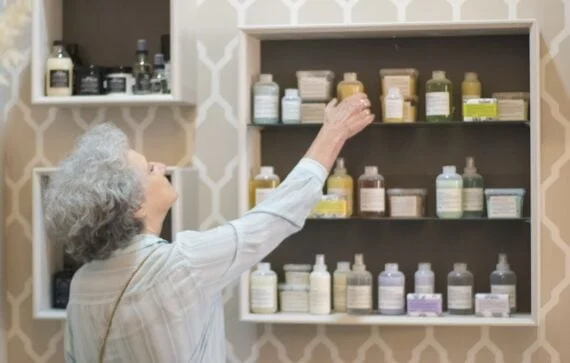
A recent encounter with a spa manager in California, intended as an introduction to a promising French beauty brand, highlighted a significant challenge for emerging companies aiming to penetrate the physical retail sector. The brand, already enjoying considerable popularity across Europe and Asia, was presented with the prospect of being a pioneer in the United States spa market. The expectation was a resounding endorsement, a "wow" factor that would pave the way for immediate adoption. Instead, the response was a polite but firm declination, grounded in the manager’s pragmatic assessment of her clientele’s preferences. "My customers ask for brands they know or that others have recommended," she stated, articulating a fundamental truth in the spa and wellness industry: introducing an unfamiliar brand represents a tangible risk for brick-and-mortar establishments. This conversation served as a pivotal moment, reshaping the strategic approach to marketing for online companies aspiring to establish a presence in physical retail environments.
The Customer’s Paradox: Familiarity Versus Exclusivity
The spa industry, encompassing boutique establishments, luxury resorts, and specialized wellness chains, often operates on a delicate balance between offering exclusive experiences and meeting consumer demand for recognizable products. While these businesses may seek to differentiate themselves through unique product offerings and a curated selection, their ultimate success hinges on customer satisfaction, which is frequently driven by familiarity and peer recommendation. This inherent paradox presents a formidable hurdle for new brands, particularly those with a strong online presence but limited recognition in the physical realm. The spa manager’s feedback underscores a critical insight: for brands seeking to enter this market, the emphasis must shift from immediate sales conversions to sustained brand awareness and trust-building.
Strategic Entry Points: Industry Events and Associations
The path to gaining traction within the physical spa retail channel is rarely a direct one. Instead, it often requires a strategic investment in building relationships and fostering credibility through established industry avenues. Participation in association memberships and industry events emerges as a particularly effective strategy. For instance, organizations like the SoCal Spa Wellness Collective in Southern California play a crucial role in bridging the gap between emerging brands and potential retail partners. This collective actively brings together industry leaders, boutique spas, wellness retreats, and luxury brands, fostering an environment conducive to collaboration, innovation, and mutual growth. For brands, an annual membership, with entry-level packages starting at approximately $1,100, provides a valuable platform for networking and exposure.
Similarly, events organized by entities such as Live Love Spa offer direct access to decision-makers within the spa industry. Exhibiting at these events can facilitate conversations with dozens of spa directors, providing a concentrated opportunity to present product lines and build initial relationships. While some international founders might initially question the return on investment for such events, the evidence suggests their efficacy. The industry often operates on a ripple effect: once a reputable resort or spa adopts a new brand, neighboring establishments and those seeking similar prestige tend to follow suit, creating a snowball effect of adoption.
The Limitations of Digital Outreach
While digital marketing channels offer attractive metrics, such as high open rates for cold emails that can reach up to 80%, their effectiveness in penetrating the spa retail sector is often limited. Spa managers are inundated with communications and tend to prioritize emails from their existing clientele or urgent operational matters. Consequently, unsolicited outreach via email rarely yields significant results with resort groups and larger spa chains. An exception to this rule can be found among individual estheticians, who may be more receptive to exploring new product lines through email, particularly if the communication is personalized and highlights professional benefits.
Understanding the Two Doors: Back Bar vs. Retail
A fundamental distinction for brands entering the spa market is understanding the "back bar" versus "retail" dynamic. The back bar refers to the professional-use products that estheticians utilize during treatments, while retail products are those sold directly to clients for at-home use. For many new brands, the retail shelf represents a more accessible initial entry point. This is primarily because displacing established back bar products, which estheticians have integrated into their trusted treatment protocols over years, is a significantly more challenging endeavor.
Once a brand secures a retail presence, the strategic progression often involves a collaborative approach. This entails co-developing seasonal treatment protocols with the spa’s estheticians, utilizing the brand’s products. This process not only familiarizes the spa staff with the brand’s efficacy and application but also allows them to experience its benefits firsthand. The ultimate goal, often achieved over a period of approximately six months from initial introduction, is to transition the brand into the spa’s back bar, signifying a deeper level of integration and trust.
Negotiation Beyond Price: A Holistic Approach
Negotiating with spas requires a comprehensive strategy that extends beyond mere pricing considerations. Successful partnerships involve a commitment to providing thorough training for the spa’s estheticians, ensuring they are adept at using and recommending the products. Furthermore, brands must be prepared to address the immediate operational needs of the spa. This could include supplying seasonal essentials, such as high-SPF sunscreens during summer months, or ensuring consistent availability of commonly used items like makeup removers, especially when a spa might be experiencing stockouts. The adage "the right product at the right moment" holds significant weight in this context, often proving more impactful than a broad, undifferentiated strategy. Patience and a long-term perspective are therefore paramount for success.
The Power of Professional Endorsement: Estheticians as Influencers
The crucial factor influencing a client’s decision to purchase a product after a facial is whether they have encountered or heard of the brand previously. In this dynamic, estheticians emerge as the most influential figures, far outweighing prominent lifestyle creators or general beauty influencers. A trusted professional, possessing a deep understanding of skincare and a loyal client base, commands a level of credibility that resonates profoundly. Their recommendations, born from direct experience and professional expertise, carry significantly more weight than those from broader, less specialized voices.
Digital Footprint: The Spa Manager’s Scrutiny
Before committing to a new brand, spa managers will invariably conduct thorough due diligence on the brand’s online presence. A well-structured and professional website is non-negotiable. Key elements that attract their attention include clearly organized product pages, a detailed and transparent ingredients section, high-quality professional imagery, and intuitive calls to action. The website serves as a digital storefront, reflecting the brand’s commitment to quality and professionalism.
Redefining Success Metrics: B2B vs. D2C KPIs
The key performance indicators (KPIs) for business-to-business (B2B) ventures in the spa sector differ markedly from those for direct-to-consumer (D2C) models. While D2C models prioritize metrics such as conversion rates, purchase frequency, and average order values, B2B success in the spa industry is more closely tied to awareness and the quality of the brand’s digital presence. Essential B2B KPIs include the volume of branded searches on search engines, direct website traffic, the number of professional registrations (indicating interest from estheticians or spa owners), sample requests, and clicks on "where to buy" links.
An Integrated Approach: The Role of D2C
While the focus for physical retail penetration is on B2B strategies, a robust D2C channel remains an integral component of a comprehensive omnichannel approach. However, the products offered through the D2C channel should be carefully curated to align with consumer needs, such as retail-sized cleansers, sunscreens, and makeup removers. Professional-use products, intended for back bar application, should be strategically placed behind a secure login, with professional pricing and access similarly gated. Furthermore, enforcing minimum approved pricing on shared SKUs is crucial to prevent retail prices from undercutting the prices charged by spas, thereby protecting the integrity of the B2B partnerships. This layered strategy ensures that the D2C channel complements, rather than competes with, the vital physical retail relationships.
The journey of a new beauty brand into the exclusive world of physical spa retail is a complex undertaking, demanding a nuanced understanding of industry dynamics, consumer psychology, and strategic partnership building. It is a path that prioritizes trust, education, and consistent, high-quality engagement over rapid, transactional sales. By embracing industry-specific channels, cultivating professional relationships, and demonstrating a deep commitment to supporting spa partners, emerging brands can indeed navigate this labyrinth and achieve lasting success.

