
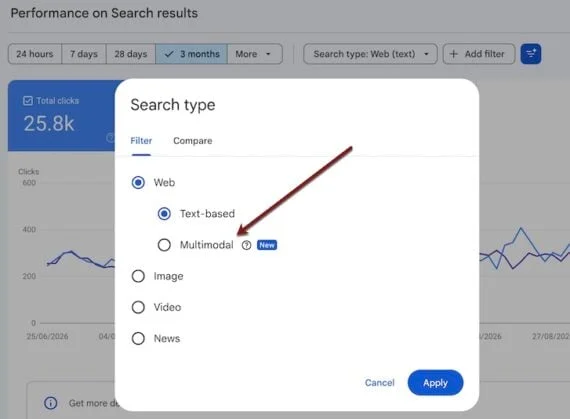
Google Search Console has rolled out a significant new feature: a dedicated filter allowing website owners to analyze user interactions within image search. This innovation provides unprecedented visibility into how users discover and engage with visual content, a crucial development for e-commerce merchants who increasingly rely on visual search for product discovery. The new "Multimodal" filter, accessible within the Performance reports, sheds light on URLs that users viewed and/or clicked after initiating searches using images.
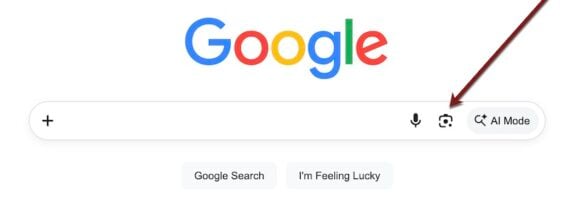
Google’s image search capabilities are multifaceted, accessible through various interfaces. These include the traditional Google Images website, the visual search option embedded within the main Google search engine (often denoted by a camera icon), and increasingly, through Google Lens, which allows users to search using images captured by their smartphone cameras or from their device’s photo library. For online retailers, this evolution signifies a powerful new avenue for customer acquisition, as shoppers frequently turn to visual searches when seeking specific products or seeking inspiration.
The introduction of the "Multimodal" filter marks a pivotal moment in the tracking of visual search performance. Previously, understanding how images performed in search results was largely inferential, relying on general SEO best practices and traffic analysis without granular data on image-driven discovery. This new filter aims to bridge that gap, offering actionable insights directly within Search Console.
Navigating the New Multimodal Filter
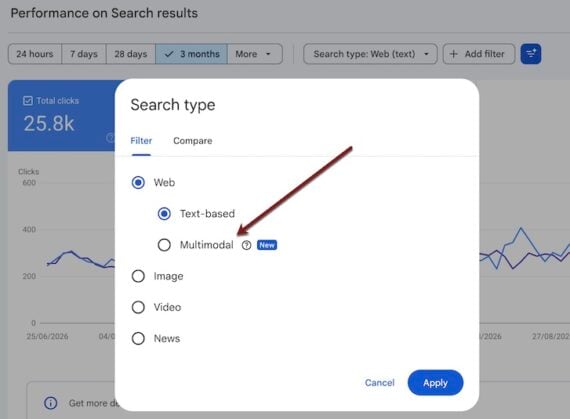
To access this valuable data, users can navigate to Search Console and follow this path: Performance > Search results > Search type: Web > Multimodal. It is important to note that this filter is specifically designed for image-based searches and does not provide textual query data. Furthermore, it does not display the exact image used in the search itself, nor does it directly link to the specific image viewed on a page. However, it does provide a list of the URLs that users visited after engaging with image search results. This list is a critical resource for understanding which of your web pages are being discovered through visual means.

The Rise of Visual Search and Its Implications for E-commerce
The integration of visual search capabilities into major search engines reflects a broader trend in consumer behavior. As smartphones become ubiquitous and camera technology advances, users are increasingly comfortable with using images to find information and products. Data from various industry reports indicates a steady rise in visual search adoption. For instance, a study by retail analytics firm Revuze found that a significant percentage of consumers have used visual search, with a notable portion expressing intent to use it more frequently. This growing user base translates directly into opportunities for businesses that can effectively leverage visual search optimization.
The implications for e-commerce are profound. Shoppers often have a clear visual idea of what they are looking for, even if they don’t know the precise terminology to describe it. Image search allows them to bridge this gap, uploading a photo of a desired item and being presented with visually similar products. This direct connection between a user’s visual intent and a product listing represents a highly qualified lead.
Strategies for Image Search Optimization
The advent of the multimodal filter in Search Console empowers businesses to move beyond guesswork and implement targeted strategies for improving their visibility in image search results. While Google’s image search functionality has existed for some time, the tools to track its performance are relatively new, making this a prime opportunity to gain a competitive edge.
Leveraging Image Sitemaps for Enhanced Indexation
A fundamental step in optimizing for image search is ensuring that Google can effectively discover and index your visual content. Image sitemaps play a crucial role in this process. By submitting an image sitemap through Search Console (under the "Indexing" > "Sitemaps" section), you can explicitly guide Google to your product images. This is particularly beneficial for platforms like Shopify, which often include images within their general sitemaps. However, a dedicated image-only sitemap can provide more granular control and better tracking of image indexation. For WooCommerce users, similar options exist through specialized plugins. The inclusion of detailed image metadata within these sitemaps, such as descriptive titles and captions, further aids Google in understanding the context and relevance of your images.
The Enduring Power of Traditional SEO for Visual Content
While visual search introduces new optimization considerations, the principles of traditional Search Engine Optimization (SEO) remain critically important. Images that perform well in standard text-based search queries are likely to rank well in visual search as well. This underscores the importance of:
- Descriptive File Names: Using clear, keyword-rich file names for your images (e.g.,
red-leather-crossbody-handbag.jpginstead ofIMG_1234.jpg) helps Google understand the image’s content. - Alt Text: Providing descriptive and keyword-relevant alt text for every image is essential. This text is not only used by search engines but also by screen readers for visually impaired users, contributing to website accessibility.
- Captions: Captions placed near images on a webpage can offer additional context to both users and search engines, further improving the image’s relevance.
By applying these foundational SEO practices, businesses can significantly enhance the discoverability of their images across both text and visual search modalities.
Prioritizing Image Quality for Higher Click-Through Rates
The "Multimodal" filter’s ability to show URLs viewed after an image search provides valuable data on user engagement. A high number of views with low click-through rates (CTR) can indicate issues with the perceived quality or relevance of the displayed image. Searchers who initiate an image search and land on a page featuring a product image that doesn’t meet their expectations—perhaps due to poor resolution, incorrect sizing, or lack of clarity—are less likely to click through to the product page.
E-commerce platforms often use thumbnail images on collection pages. If these thumbnails are low-resolution or not optimized for visual search, they can hinder discovery. Merchants are encouraged to experiment with uploading high-resolution versions of their product images. A practical test involves downloading a thumbnail from a collection page, performing an image search for it on Google, and observing how it appears in the results. This direct comparison can highlight areas for improvement in image quality and presentation.
Strategic Experimentation with Product Imagery
Visual search engines are sophisticated enough to identify objects in photos regardless of their angle, color, or position. However, search results often favor images that closely match the query image in terms of these attributes. This presents an opportunity for businesses to diversify their product imagery to capture a wider range of visual search queries.
Consider the following experimental approaches:
- Multiple Angles: Providing images from various perspectives (front, back, side, top) can help users find products that match the specific angle of the image they are using for their search.
- Detailed Close-ups: Highlighting specific features, textures, or intricate details through close-up shots can be crucial for users searching for products with particular characteristics.
- Color Variations: If a product is available in multiple colors, showcasing these variations prominently in product images can increase the chances of matching a user’s color-specific visual search.
- Contextual Shots: Images that show the product in use or in a relevant environment can provide additional context that aids in visual search matching.
For instance, if a user uploads a photo of the front of a plush toy, search results are likely to prioritize other images showing the toy from a similar frontal perspective. By offering a range of such images, businesses can increase their chances of appearing prominently in these results.
Harnessing Artificial Intelligence for Deeper Insights
The emergence of generative AI (GenAI) platforms offers novel avenues for optimizing for visual search. Search optimization expert Marie Haynes has suggested leveraging GenAI to brainstorm potential ranking factors. For example, prompting a GenAI tool to identify which colors or textures of a specific product category tend to perform well in visual search can provide valuable strategic direction.
By analyzing these insights, businesses can strategically incorporate these popular colors or textures into their product listings, even if it involves complementary items or styling. For example, if a particular shade of terracotta is trending in visual searches for home decor items, a retailer might ensure that their product photos feature accents or complementary decor in that color. This proactive approach can help elevate rankings by aligning product presentation with emerging visual trends.
A practical application of this would be to prompt a GenAI tool with requests like: "Generate a dashboard of the top-performing product categories in visual search, highlighting key visual attributes such as color palettes, material textures, and design styles that lead to high impressions and clicks." The output could then inform decisions about product photography, website design, and even product development.
The Future of Visual Search and Search Console
The introduction of the "Multimodal" filter in Google Search Console is a clear indication of Google’s commitment to the growing importance of visual search. This feature empowers businesses to gain a data-driven understanding of their performance in this evolving search landscape. By actively implementing the strategies outlined above—from optimizing image sitemaps and traditional SEO to enhancing image quality and experimenting with diverse visual representations—businesses can unlock significant opportunities for discovery and customer acquisition.

As Google continues to refine its visual search capabilities and Search Console evolves, staying abreast of these changes and proactively adapting optimization strategies will be crucial for maintaining a competitive edge in the digital marketplace. The ability to track and understand how users interact with visual content is no longer a niche concern but a fundamental aspect of a comprehensive digital marketing strategy.
The insights provided by the multimodal reports offer a tangible way to measure the impact of these optimizations. By setting specific dates for implementing changes and conducting experiments, businesses can then meticulously track the results within these specialized reports, continuously refining their approach to visual search. This iterative process of testing, analyzing, and optimizing is key to maximizing visibility and driving traffic through image-based discovery.
Ultimately, the new filter serves as a powerful reminder that the search landscape is dynamic and ever-evolving. Embracing visual search optimization is not merely an enhancement to existing SEO efforts; it represents a forward-thinking strategy that aligns with changing consumer behaviors and the increasing sophistication of search engine technology. Businesses that invest in understanding and optimizing their visual presence are poised to reap significant rewards in the years to come.

