
Historical Context and the 2013 Origin
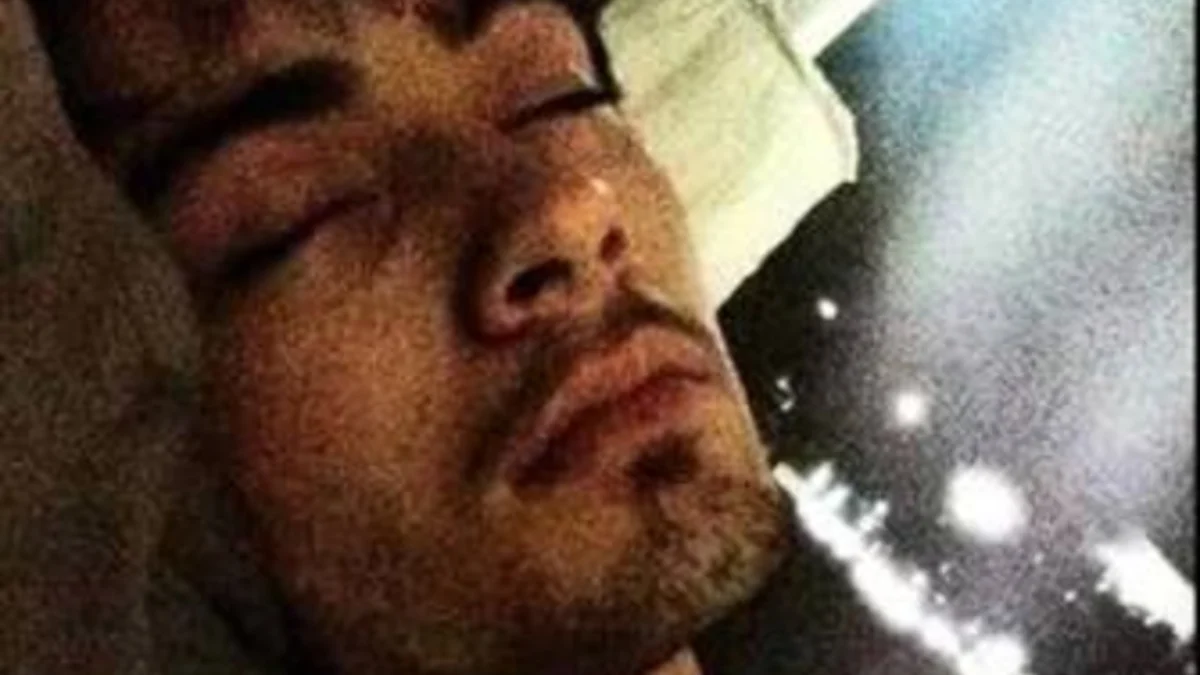
To understand the 2026 resurgence of the image, one must look back to the peak of "One Direction mania" in 2013. During this period, the British-Irish boy band was a global juggernaut, and its members—Zayn Malik, Harry Styles, Niall Horan, Louis Tomlinson, and Liam Payne—were subject to intense public scrutiny and fan adoration. The specific photograph in question depicts a shirtless Malik sleeping, an image that epitomized the "boyfriend aesthetic" prevalent on Tumblr at the time.
The photograph first began circulating online as early as late 2013. On Tumblr, a platform that served as the primary hub for the One Direction fandom, the image became a staple of "mood boards" and "aesthetic" blogs. Historical data indicates that one of the most prominent postings of the image on Tumblr garnered over 59,000 "notes"—a combination of likes and reblogs—within its first few years. For over a decade, the image remained a dormant but recognizable piece of internet history, preserved in digital archives and fan-run Pinterest boards, waiting for a catalyst to reintroduce it to a new generation of social media users.
The 2026 TikTok Resurgence: A Chronology
The transition of the "Zayn Malik Sleeping" photo from a static image to a viral video trend began in early September 2026. The resurgence was not a spontaneous event but rather a calculated use of the platform’s "photo mode" and "stitch" features, which allow users to compare themselves to established cultural touchstones.
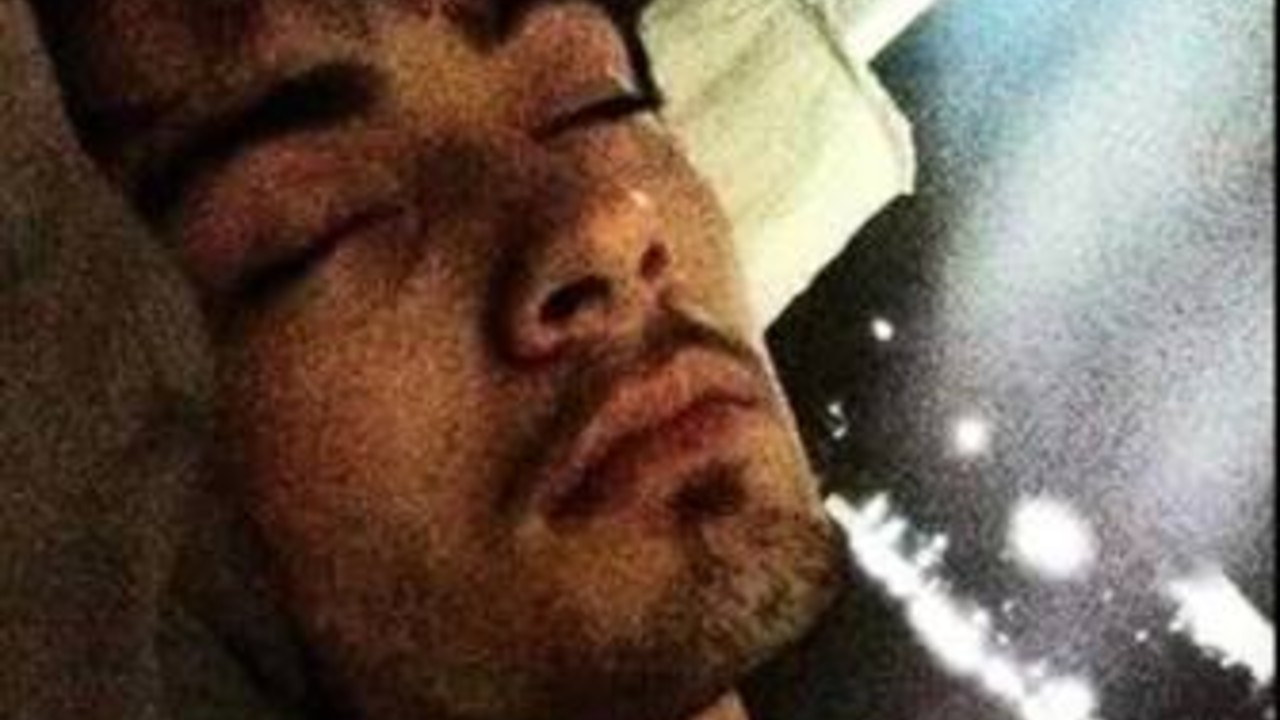
On September 4, 2026, TikTok creator @timmy.thick47 uploaded a video that would serve as the blueprint for the trend. The video utilized a popular transition format: it opened with the high-resolution image of the sleeping Malik and then cut to a series of photos of the creator in a similar pose. The accompanying caption, "Why am I low key giving zayn malik sleeping photo?" utilized contemporary slang—specifically the term "giving," which serves as a shorthand for "emitting the vibe of" or "resembling." This initial video resonated deeply with the platform’s audience, amassing more than 1.8 million views within thirty days.
Following this initial spark, the trend underwent a rapid scaling phase. On September 7, 2026, TikToker @ilove2000sshows posted a variation that leaned into the comedic potential of the comparison. Unlike the original post, which sought a genuine resemblance, this version featured a photograph that bore little to no likeness to Malik, highlighting the "lowkey" irony of the trend. This specific iteration exploded in popularity, reaching over 8.5 million views and cementing the format as a mainstream challenge.
By late September, the meme had diversified. On September 23, 2026, creator @anahyy.lol shifted the focus from self-comparison to third-party observation, posting a video comparing her sleeping boyfriend to the Malik photograph. This expansion allowed the meme to reach different demographics, resulting in 4.8 million views in less than two weeks. Subsequent contributions, such as those from @cancelmil on September 26, continued to drive the narrative, with millions of additional views contributing to the trend’s saturation of the "For You" page (FYP).
Linguistic and Aesthetic Analysis
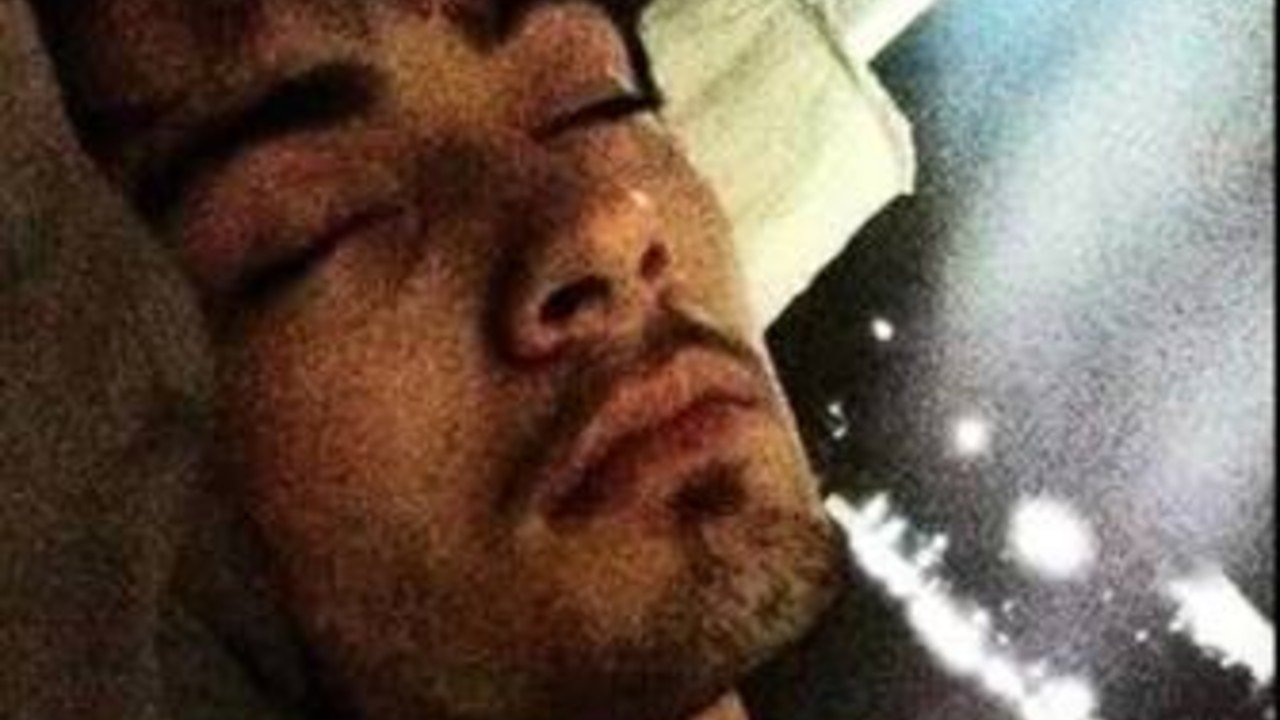
The success of the "Zayn Malik Sleeping" meme can be attributed to its alignment with the "Y2K" and "2014 Tumblr" aesthetic revivals that dominated 2026 fashion and digital culture. The image itself—characterized by its soft lighting, candid nature, and the specific "Indie Sleaze" grooming style associated with Malik in 2013—fits perfectly into the nostalgic cravings of Gen Z and Alpha users.
Furthermore, the linguistic framing of the trend is essential to its virality. The phrase "lowkey giving" functions as a hedge, allowing users to make a bold comparison to a globally recognized "sex symbol" while maintaining a level of self-deprecating irony. If the comparison is accurate, the user receives validation; if the comparison is absurd, the post is interpreted as a successful joke. This dual-purpose functionality lowered the barrier to entry for participation, inviting anyone with a camera and a bed to join the trend.
The choice of audio also played a critical role. Many of the viral videos utilized Malik’s 2016 solo debut single, "Pillowtalk," or various slowed-and-reverbed remixes of the track. The sonic association between the song’s lyrics and the visual of sleeping created a cohesive sensory experience that the TikTok algorithm is known to favor.
Statistical Impact and Engagement Metrics
The "Zayn Malik Sleeping" trend demonstrates the exponential growth patterns typical of modern viral content. Based on an analysis of the top 100 videos under the associated hashtags, several key data points emerge:
- View Counts: The top five videos in the trend accounted for a cumulative 25 million views within the first month of the trend’s life cycle.
- Saturation: The hashtag #zaynmalik saw a 400% increase in daily mentions during the second week of September 2026 compared to the previous month.
- Cross-Platform Migration: While the trend originated on TikTok, data suggests a significant spillover to Instagram Reels and X (formerly Twitter), where the image was used in "reaction memes" to describe exhaustion or "beauty sleep."
- Audience Sentiment: Analysis of comment sections indicates a high level of "nostalgia-baiting" engagement, with users frequently commenting on their "One Direction phase" or expressing surprise that the image is over 13 years old.
Broader Implications for Celebrity Branding
The resurgence of the "Zayn Malik Sleeping" photo raises pertinent questions regarding the longevity of celebrity images and the lack of control artists have over their digital legacy. For Zayn Malik, an artist known for his private nature and occasional withdrawal from the public eye, the fact that a candid photo from his youth can become a primary point of discussion over a decade later highlights the "permanent present" of the internet.
From a marketing perspective, such trends provide "free" brand equity. Even during periods of musical inactivity, Malik remains at the forefront of cultural conversation through the organic actions of the fanbase. However, the meme also commodifies privacy; the "candid" nature of the original photo, which was likely taken without the subject’s explicit intent for it to become a 2026 meme, underscores the blurred lines between a celebrity’s public persona and their private moments.
Conclusion
Zayn Malik Sleeping or Why Am I Lowkey Giving Zayn Malik Sleeping Photo is more than a fleeting internet joke; it is a case study in how digital culture recycles the past to navigate the present. By taking a relic of the Tumblr era and repurposing it through the lens of modern TikTok humor, social media users have created a bridge between two distinct eras of internet history. The trend’s success relies on a potent mix of celebrity worship, nostalgic aesthetics, and the universal relatability of sleep, proving that in the digital age, a single photograph can have an infinite number of lives. As the trend continues to evolve, it serves as a reminder of the enduring impact of the boy band era on the collective consciousness of the 21st century.

