
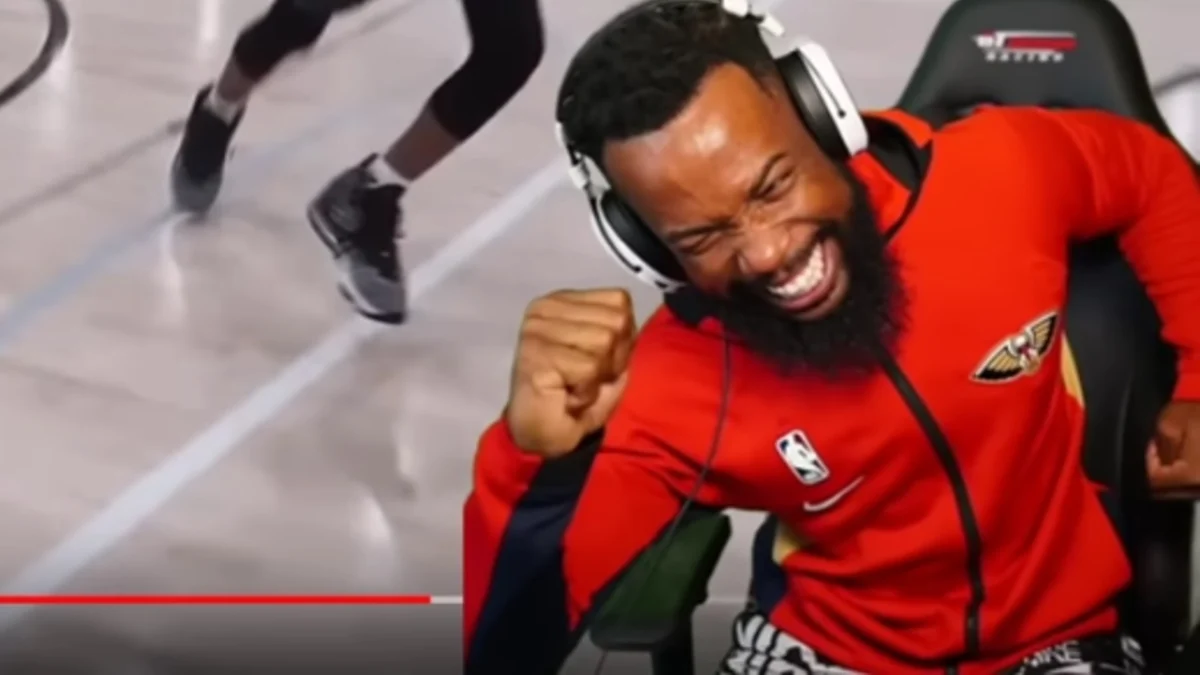
The Evolution and Cultural Impact of the Turn To Your Neighbor and Say Social Media Phenomenon represents a significant intersection of gospel music, sports-centric digital comedy, and the rapid-fire nature of algorithmic content distribution. Emerging as a dominant trend on platforms such as TikTok and Instagram Reels during the autumn of 2026, the meme utilizes the 2017 track "Listen" by renowned gospel artist Marvin Sapp as its auditory foundation. The trend is characterized by a unique synthesis of disparate digital elements, primarily combining Sapp’s liturgical call-and-response lyrics with a four-year-old video clip of content creator Cash Nasty mocking the basketball performance of fellow influencer FlightReacts. This convergence highlights the cyclical nature of internet culture, where archival footage and music are periodically rediscovered and repurposed to create new forms of entertainment that resonate across diverse demographics.
Historical Foundations: Marvin Sapp and the 2017 Release of Listen
To understand the current viral status of the "Turn To Your Neighbor and Say" trend, one must first examine the origin of its primary audio component. On September 1, 2017, Marvin Sapp released the song "Listen" as part of his broader discography. Sapp, a central figure in contemporary gospel music, is known for his ability to blend traditional spiritual themes with modern production. The song "Listen" features a classic homiletic device common in African American church traditions: the call-and-response. The specific lyric, "Turn to your neighbor and say, (neighbor)," mimics the instructional prompts often used by ministers to engage their congregations during a sermon.
For nearly a decade, the song remained a staple within the gospel community. However, its transition into the realm of secular internet memes in 2026 suggests a shift in how religious media is consumed by younger, digitally native audiences. The "neighbor" prompt, originally intended as a tool for communal worship and spiritual reflection, has been recontextualized as a comedic setup, demonstrating the fluid boundaries of modern digital expression.
The Visual Catalyst: Cash Nasty’s 2020 Critique of FlightReacts
While the audio originates from 2017, the visual hallmark of the meme traces back to March 3, 2020. On this date, the prominent YouTube personality Cash Nasty, through his secondary channel CashNastyReacts, published a video reacting to a one-on-one basketball game between FlightReacts (real name Kimani Isaiah White) and Miles Brown. FlightReacts has long been a polarizing and humorous figure in the "NBA 2K" and basketball YouTube community, often mocked for his perceived lack of athletic coordination despite his high level of confidence.
At the 17:42 mark of the reaction video, Cash Nasty observed FlightReacts attempting to run down the court. Cash Nasty proceeded to perform an exaggerated imitation of Flight’s running form, characterized by high-knees and wildly flailing arms in a stationary "fake run." This specific physical performance—a mix of mockery and slapstick comedy—languished in the archives of YouTube for several years before being unearthed by meme editors in 2026. The juxtaposition of this frantic, humorous movement with the soulful, measured pace of Marvin Sapp’s "Listen" provided the friction necessary for a viral breakout.
September 2026: The Genesis of the Viral Fusion
The formal birth of the meme as a cohesive trend occurred in mid-September 2026. Digital archivists and trend analysts point to a video posted on September 20, 2026, by TikToker @rfiseditz as a pivotal moment. The creator paired the Marvin Sapp audio with various "sports fail" videos—lowlight reels showcasing professional and amateur athletes making egregious errors. This specific edit garnered over 154,000 views within a three-week window, signaling to the platform’s algorithm that the combination of gospel music and athletic failure was highly engaging.
The trend initially found a home within the "Sports TikTok" subculture, where users frequently create "lowlight" edits of NBA players. The lyric "Turn to your neighbor and say" began to function as a comedic preface to a catastrophic play on the court, suggesting that the viewer should point out the mistake to anyone sitting nearby. This use of the audio transformed the song from a spiritual message into a vehicle for collective mockery and shared humor.
Proliferation and Diversification in October 2026
By early October 2026, the trend had migrated beyond simple sports edits into broader categories of content. On October 2, 2026, the musical group WanMor posted a video featuring a choir of men performing a stylized version of the song. This post moved the trend back toward its musical roots while maintaining the "challenge" aspect of the meme, accumulating more than 1.5 million views in just seven days. The success of WanMor’s contribution illustrated the trend’s versatility; it could be used for genuine musical talent displays as easily as for comedy.
Two days later, on October 4, 2026, the trend evolved again when TikToker @smleditz.wd highlighted a new phenomenon: "GIF raiding." Users began flooding the comment sections of unrelated videos with a GIF of Cash Nasty’s exaggerated run, accompanied by the lyrics of "Listen." This indicated that the meme had reached a level of saturation where the visual and audio components were inextricably linked in the minds of the audience. The video documenting this behavior received over 576,000 views, further cementing the meme’s status as a dominant cultural force.
The trend reached its peak of personification on October 8, 2026, when TikToker @mr.putiton24 posted a video re-enacting the Cash Nasty arm movements in a real-world setting. This transition from digital consumption to physical re-enactment is a classic hallmark of a successful viral trend, as it encourages "user-generated participation" rather than passive viewing.
Quantifying the Impact: Engagement Metrics and Algorithmic Dominance
The "Turn To Your Neighbor and Say" meme’s success can be measured through a variety of metrics. On TikTok alone, the hashtag associated with the trend saw a geometric increase in views throughout the first two weeks of October. Data suggests that the average view-through rate for videos utilizing the Marvin Sapp audio was significantly higher than the platform average for gospel-related content.
Analytically, the meme’s growth can be attributed to three factors:
- Sonic Familiarity: The song "Listen" provides a nostalgic and high-quality audio backdrop that appeals to older demographics, while the comedic context captures younger users.
- Visual Ridicule: The Cash Nasty clip taps into the universal appeal of "cringe comedy" and physical slapstick.
- Community Interaction: The "Turn to your neighbor" lyric encourages tagging and sharing, which are key drivers for social media algorithms.
The trend also saw a notable spike in search interest. According to search engine data, queries for "Marvin Sapp Listen lyrics" and "Cash Nasty running meme" reached five-year highs during the transition from September to October 2026. This indicates a "spillover effect," where social media trends drive traffic to search engines and music streaming platforms.
Cultural Analysis: The Intersection of Sacred and Secular
From a sociological perspective, the "Turn To Your Neighbor and Say" meme offers an intriguing look at the secularization of religious media. In the original context of the African American church, the phrase is a tool for building community and reinforcing the sermon’s message. In the context of the meme, the "neighbor" becomes a fellow social media user, and the "message" is often a humorous observation or a critique of a public figure.
This recontextualization is not without its critics. Some members of the religious community have expressed concern that using a spiritual song to mock others—particularly in "lowlight" sports reels—detracts from the song’s original intent. However, others argue that the meme introduces Marvin Sapp’s work to a global audience that might never have encountered it otherwise, potentially leading to increased revenue for the artist through streaming royalties and licensing.
Broader Implications for Content Creation and Music Catalog Monetization
The resurgence of a 2017 track via a 2020 comedy clip in 2026 serves as a case study for the music industry’s "long-tail" monetization strategies. Labels and artists are increasingly looking to social media trends to revitalize their back catalogs. The "Turn To Your Neighbor and Say" phenomenon proves that a song does not need to be a current hit to achieve massive reach; it simply needs to be "memeable."
For content creators, the trend underscores the importance of "reaction culture." Cash Nasty’s original reaction video was a commentary on a basketball game, which then became a source of commentary itself. This recursive loop of content creation—where a reaction to a reaction becomes a viral hit—is a defining feature of the 2020s digital landscape.
Conclusion: The Longevity of the Turn To Your Neighbor and Say Trend
As of mid-October 2026, the "Turn To Your Neighbor and Say" meme remains a staple of the social media ecosystem. While viral trends are often ephemeral, the combination of a catchy, high-quality musical hook and a versatile visual punchline suggests that this particular meme may have more staying power than its contemporaries. It has successfully bridged the gap between different digital "neighborhoods"—from the gospel community to the sports world to the general comedy sphere.
The legacy of the trend will likely be seen in how future creators approach the marriage of sound and image. By pulling from the past to comment on the present, the "Turn To Your Neighbor and Say" meme has created a template for viral success that is both nostalgic and modern. As the digital landscape continues to evolve, the "neighbor" prompted by Marvin Sapp’s lyrics will likely continue to change, but the communal, albeit humorous, spirit of the trend remains a testament to the power of shared digital experiences.

