
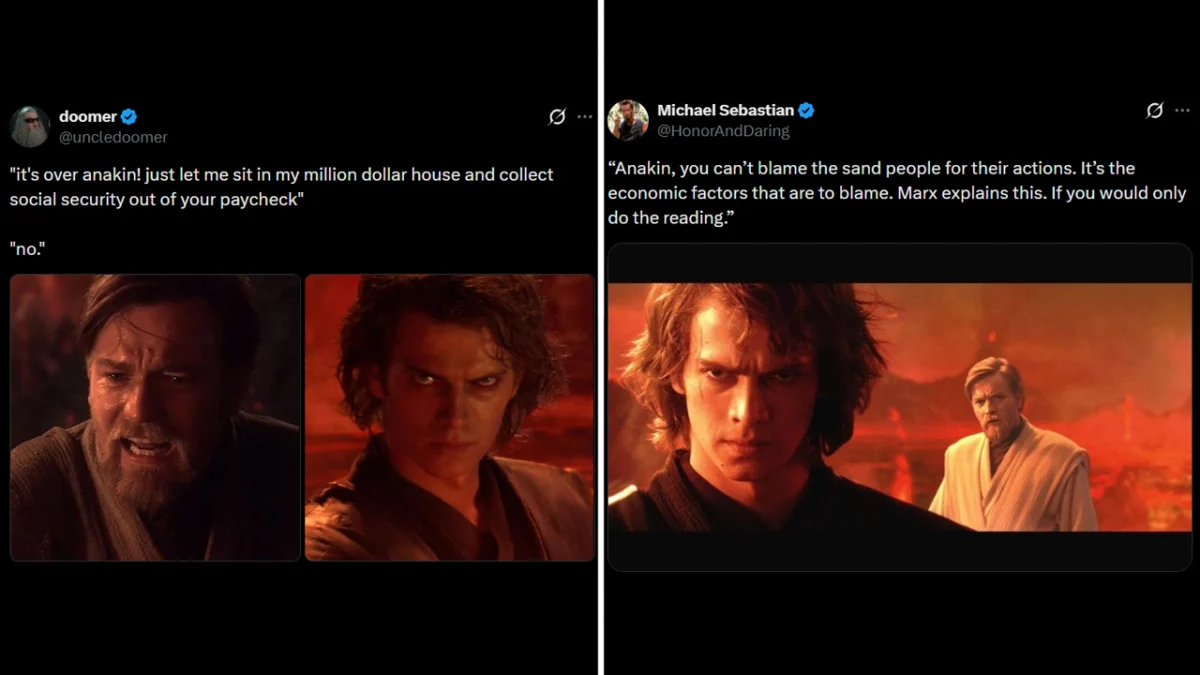
The trend predominantly utilizes high-definition video edits, GIF captions, and image macros featuring actor Hayden Christensen’s portrayal of Anakin Skywalker. These memes often contrast the character’s immense potential and desire for heroism with the restrictive, often hypocritical oversight of the Jedi Council. In this modern digital framing, the Jedi Order is frequently cast as a metaphor for the "Boomer" establishment or "sclerotic" institutional power, while Anakin serves as a stand-in for the "disillusioned Zoomer" navigating a world of dwindling opportunities.
The Socio-Economic Catalyst of the Anakin Trend
The emergence of the "Anakin Skywalker Gen Z Male Rage" trend is not an isolated aesthetic choice but is deeply rooted in the material conditions facing young men in 2026. Sociological data indicates that Generation Z males are experiencing historically high levels of student debt, a hyper-competitive job market influenced by the rapid integration of Artificial Intelligence, and a housing crisis that has made homeownership an elusive goal for many.
According to digital discourse analysts, the trend gained its first major foothold on October 11, 2026, when the user ArchitectOracle posted a viral image of a scorched Anakin Skywalker on the planet Mustafar. The post listed a series of grievances: college debt for "useless" degrees, the loss of developmental years during the COVID-19 era, the displacement of entry-level roles by AI, and the rising cost of living. The tweet, which garnered over 170,000 views in less than three weeks, established the template for the trend: using Anakin’s physical and emotional suffering to mirror the perceived "burning" of Gen Z’s future.
This sentiment was further amplified by Isaac556x45 on October 16, who linked the destruction of "childhood shopping malls" and the inflation of basic goods to a broader sense of cultural loss. By framing these issues through Anakin’s tears, the meme creators effectively weaponized nostalgia, turning a 20-year-old film franchise into a vessel for modern "doomer" philosophy.
Chronology of Viral Discourse and Political Reinterpretation
As the trend progressed through mid-October, the memes evolved from general complaints about the economy into more pointed political commentary. On October 17, 2026, commentator Con_Tomlinson published a widely circulated thread that provided a theoretical framework for the trend. Tomlinson argued that Gen Z relates to Anakin as an "autistic savant" whose natural desires for fraternity, family, and heroism are suppressed by a failing political order.
This interpretation posits that the tragedy of the prequels is not that Anakin was "corrupted" by the Dark Side, but rather that he was forced into a position where radicalization became his only avenue for agency. This narrative resonated deeply with a specific subset of young men on X who feel that modern institutions—ranging from the corporate world to the state—are fundamentally "hypocritical and unsustainable."
By late October, the trend had been adopted by right-wing commentators who characterized Anakin as the "archetypal disenfranchised chud." On October 26, Kangmin Lee described the prequels as a "profound piece of right-wing media," suggesting that George Lucas had inadvertently captured the "chud psyche" decades before it became a mainstream cultural term. This phase of the trend saw a proliferation of memes criticizing "multicultural liberalism," mass migration, and "diversity initiatives," often using the Jedi Council’s refusal to grant Anakin the rank of Master as a metaphor for the "meritocracy-denying" nature of modern HR departments.
The Matt Walsh Controversy and the Ki-Adi-Mundi Parallel
A pivotal moment in the trend’s lifecycle occurred on October 27, 2026, when conservative commentator Matt Walsh entered the discourse. Walsh, known for his traditionalist views, posted a tweet dismissing the Star Wars prequels as having "some of the worst acting and writing" in Hollywood history. He further claimed the prequels were inferior to the original trilogy, a sentiment traditionally held by older generations (Gen X and Boomers).
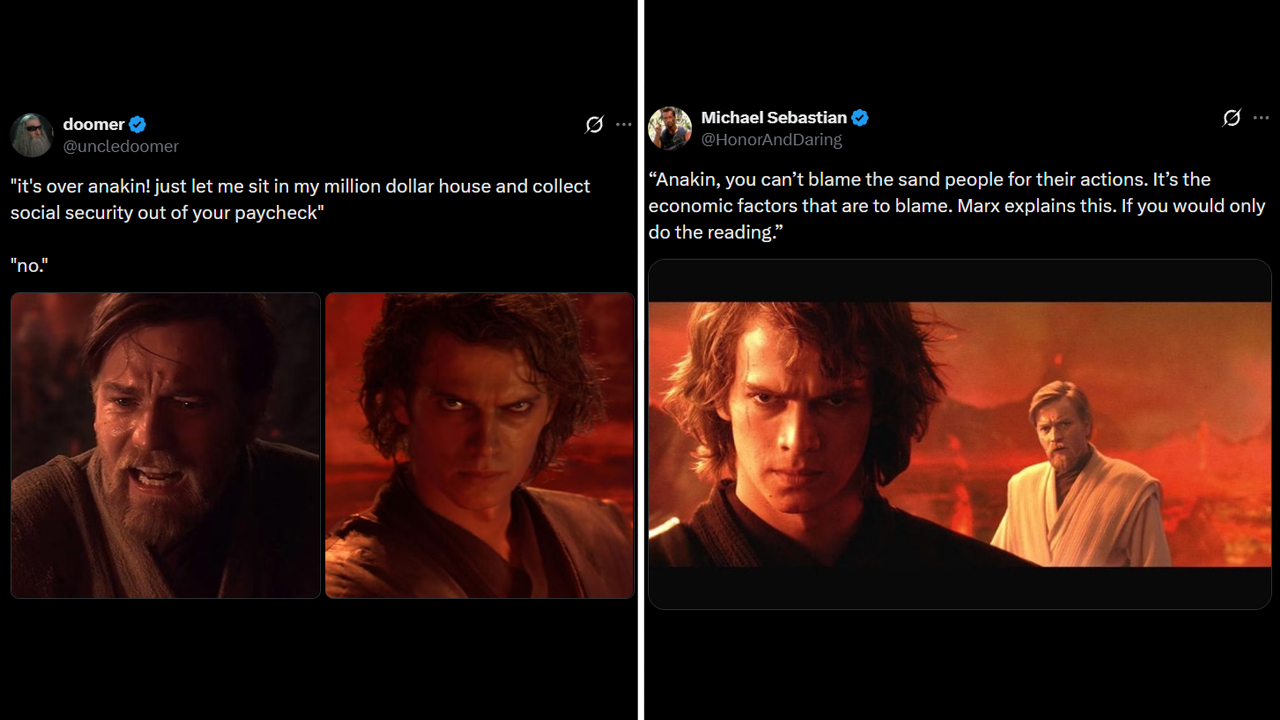
The reaction from Gen Z users was swift and illustrative of the trend’s internal logic. Rather than engaging in a standard film critique, users began portraying Walsh as Jedi Master Ki-Adi-Mundi. In Star Wars lore, Ki-Adi-Mundi is a member of the Council who famously doubted Anakin’s potential and focused on "the droid attack on the Wookiees" while ignoring the rot within the Republic.
By casting Walsh as an "out-of-touch" Jedi Master, the meme-makers reinforced the central theme of the trend: that the "establishment" (represented by Walsh and the Jedi) is incapable of understanding the grievances or the aesthetic preferences of the younger generation. This internal conflict within the right-wing digital space highlighted a growing generational divide in how political messages are consumed and distributed.
Analytical Implications: Pop Culture as a Political Formula
The "Anakin-maxxing" trend, as some have called it, signifies a broader shift in digital communication where complex political theories are condensed into "vibes" and cinematic metaphors. Media analysts suggest that for Gen Z men, Anakin Skywalker represents a "third way" between the traditional hero (Luke Skywalker) and the total villain. He is a character defined by "male rage"—an emotion that the memes suggest is a logical response to a world that offers young men "responsibility without authority."
Supporting this analysis is the frequent use of the dialogue between Anakin and Padmé Amidala regarding dictatorship. When Anakin suggests that the galaxy needs a leader who can "make people agree" to solve problems, and Padmé warns that it sounds like a dictatorship, Anakin’s response—"Well, if it works"—is being unironically embraced by segments of the trend. This reflects a growing "post-liberal" sentiment among young men who prioritize competence and stability over democratic processes they view as dysfunctional.
Media Coverage and Broader Societal Impact
The trend eventually caught the attention of news outlets such as Not The Bee, which detailed the "dankest memes about immigration and nationalism" emerging from the trend. The coverage noted that the memes had moved beyond simple humor into a form of "cultural signaling."
On October 30, 2026, a final viral thread by user ThomBrady5 summarized the movement’s philosophical peak. The thread argued that the Jedi religion is a perfect representation of how "Boomers made a political formula into a religion," turning "standard political questions into sacred moral dogmas." The analysis concluded that while Boomers saw themselves as Luke Skywalker—the rebel fighting a clear evil—Gen Z sees themselves as Anakin, born into "debt serfdom" and forced to serve a system that views their natural instincts as "heretical."
This comparison of "Luke-based" versus "Anakin-based" worldviews provides a stark look at the generational shift in the American psyche. Where previous generations found hope in the "Rebellion," the current generation of young men, as evidenced by this trend, finds resonance in the "Fall"—viewing the destruction of the old order not as a tragedy, but as a necessary precursor to a new, albeit darker, form of order.
Conclusion
The Anakin Skywalker Gen Z Male Rage Memes represent a unique intersection of film history, economic anxiety, and digital-native political theory. By casting the Star Wars prequels as a tragedy of generational betrayal, young men on X have created a potent symbolic language to express their disillusionment with the 21st-century status quo. Whether this trend remains a fleeting internet subculture or signals a more permanent shift in the political alignment of Generation Z men remains to be seen, but its impact on the digital landscape of late 2026 is undeniable. The "chosen one" has been reclaimed, not as a savior of the old Republic, but as a mascot for those who wish to see its modern equivalents restructured.

