
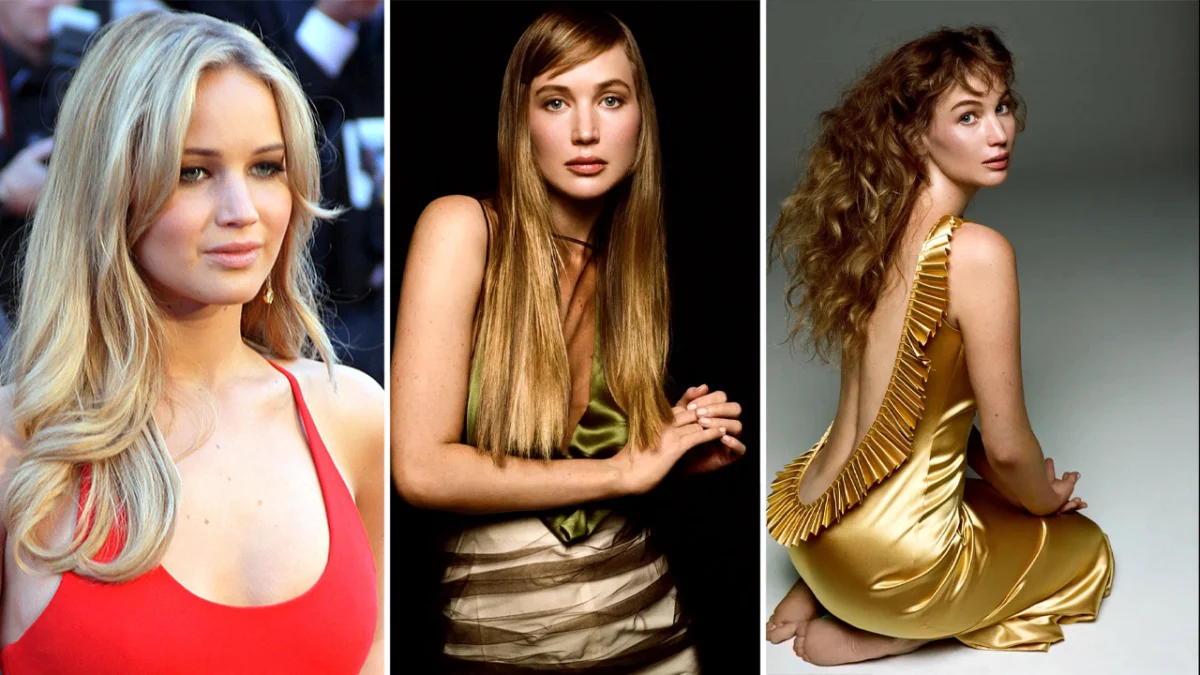
The landscape of celebrity beauty standards underwent a significant transformation on October 27, 2026, when Academy Award-winning actress Jennifer Lawrence participated in a candid interview and editorial for the October/November issue of The Cut. Titled "Jennifer Lawrence Hopes You Won’t Hate Her New Project," the feature served as both a promotional vehicle for her new haircare brand, Mes, and a startlingly transparent look into her personal relationship with cosmetic procedures. At 36 years old, the actress, who has long been celebrated for her "girl next door" persona and perceived natural beauty, confirmed she had undergone breast augmentation and regular Botox treatments, while also expressing an openness to future invasive procedures, including a facelift and buccal fat removal.
The publication of the editorial, accompanied by a series of high-fashion photographs captured by Bryce Anderson, immediately ignited a global conversation regarding the "uncanny valley" of modern celebrity aesthetics. Within hours of the article’s digital release, the hashtag "JLaw Plastic Surgery" trended across X (formerly Twitter), Reddit, and Instagram, as fans and critics alike dissected the actress’s altered appearance. The discourse highlights a growing tension between the increasing transparency of celebrities regarding their cosmetic work and the public’s visceral reaction to the loss of "distinctive" facial features in favor of homogenized beauty trends.
The Cut Editorial and the Launch of Mes
The interview, conducted by The Cut, was positioned as a reintroduction of Lawrence, who has spent the last several years balancing a high-profile career with the responsibilities of motherhood. Lawrence, a mother of two, used the platform to discuss the evolution of her beauty philosophy. She explained that her approach to aging is rooted in a desire to maintain a specific standard of attractiveness while managing the logistical demands of her life.
Central to the feature was the launch of Mes, Lawrence’s foray into the celebrity-saturated beauty market. Unlike many of her peers who focus on skincare or color cosmetics, Lawrence’s brand focuses on high-end haircare. However, the business news was quickly overshadowed by her admissions regarding plastic surgery. Lawrence told the publication that she "would love to have a buccal fat removal"—a procedure that thins the cheeks to create a more chiseled look—and admitted to having a plan for a full facelift in the future. These statements marked a departure from the traditional Hollywood narrative of "aging gracefully" through hydration and genetics, signaling a move toward "cosmetic honesty" that has become more prevalent in the late 2020s.
Analysis of Visual Changes and Public Speculation
While Lawrence’s verbal admissions focused on Botox and breast augmentation, social media users and aesthetic experts quickly pointed toward other apparent changes. The most prominent subject of speculation was an upper blepharoplasty, or eyelid surgery. Historically, one of Lawrence’s most defining features was her "hooded" or "heavy-lidded" eyes, which many fans felt contributed to her enigmatic screen presence.
The photographs by Bryce Anderson appeared to show a more visible eyelid crease and an overall "lifted" appearance of the brow area. On October 27, X user realCarola2Hope noted that the "captivating" nature of Lawrence’s face was tied to those heavy-lidded eyes, lamenting that the "trendy upper blepharoplasty" had stripped away her unique charm. This sentiment was echoed across various platforms, where the consensus among critics was that Lawrence had traded her individualistic features for a more "standardized" Hollywood look.
Furthermore, the "face reveal" aspect of the editorial caught many off guard. Because Lawrence had been less visible in the paparazzi circuit prior to the shoot, the cumulative effect of her procedures appeared more dramatic to the public eye. Digital creators, such as the Instagram account nofiltercliniclondon, published side-by-side comparison videos tracking Lawrence’s facial evolution from her Hunger Games era to the 2026 editorial, analyzing the potential use of dermal fillers in the jawline and cheeks to achieve a more angular profile.
Chronology of the Social Media Response
The viral spread of the "JLaw Plastic Surgery" narrative followed a predictable but intense trajectory.
October 27, 2026 (Morning): The Cut releases the digital version of the interview. Initial reactions on Reddit’s /r/popculturechat subreddit show a mix of surprise and confusion. A thread dedicated to the images garnered over 8,800 upvotes, with the top comments expressing difficulty in recognizing the actress.
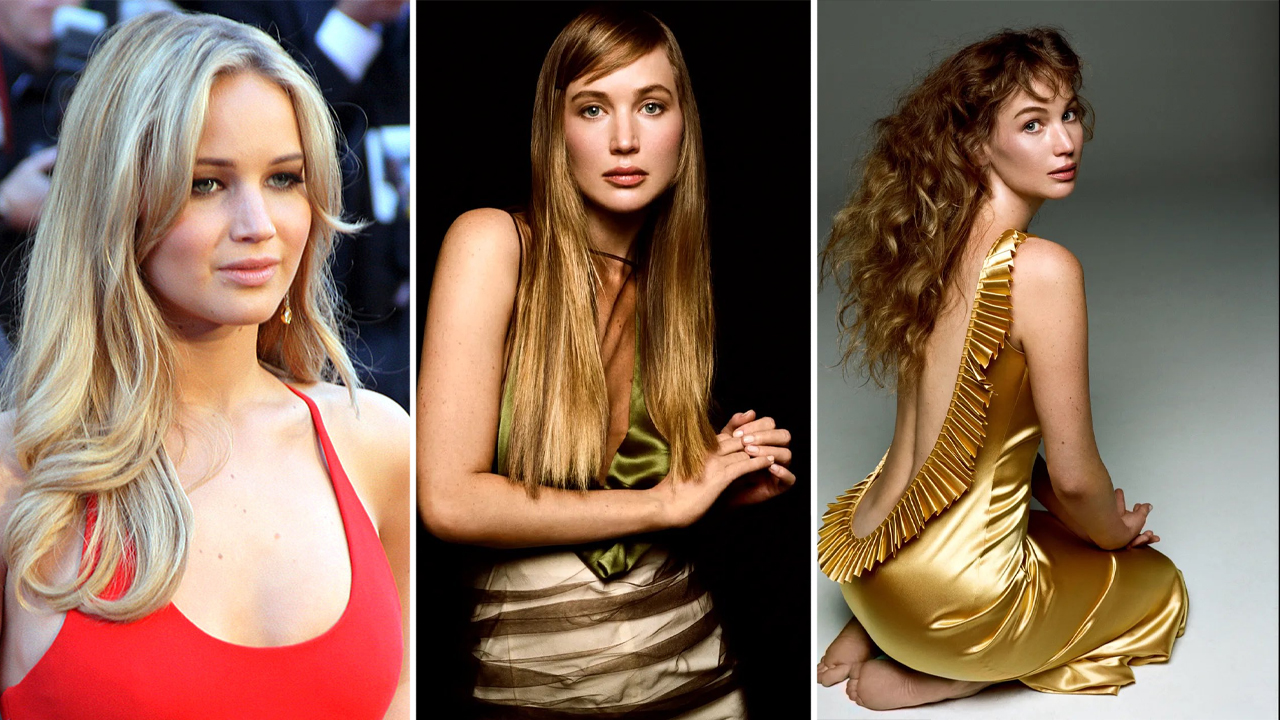
October 27, 2026 (Afternoon): High-profile accounts on X begin posting side-by-side comparisons. User JaimeeUSA’s post, which claimed Lawrence had "removed all her most distinctive features," reached over 2.8 million views in 24 hours. This phase of the response focused on the "tragedy" of losing natural beauty.
October 27, 2026 (Evening): Fringe theories begin to emerge. On the /r/conspiracy subreddit, a post by user No_Driver_1833 suggested that the actress had been "cloned or replaced," drawing parallels to previous celebrity conspiracy theories involving Jim Carrey and Katy Perry. While these claims are baseless, their popularity (over 3,700 upvotes) illustrates the level of public shock regarding her physical transformation.
October 28, 2026: The discourse shifts toward memes and humor. A SpongeBob SquarePants "fish looking into a toilet" meme posted by user TheIshikawaRin, referencing the shock of seeing Lawrence’s new look, garnered 60,000 likes. Simultaneously, professional aesthetic injectors and plastic surgeons began using the photos as "teachable moments" on TikTok and Instagram to discuss the risks of over-performing certain procedures.
The Psychology of the "Unrecognizable" Celebrity
The intensity of the reaction to Lawrence’s appearance can be attributed to the "Uncanny Valley" effect—a psychological phenomenon where a person looks almost human (or almost like themselves) but has enough subtle differences to cause a sense of unease in the observer. For over a decade, Lawrence’s face was a staple of global cinema; her features were deeply familiar to millions. When those features are altered through surgical means, the audience often experiences a sense of "parasocial grief," mourning the loss of the version of the celebrity they felt they knew.
This reaction is compounded by the "Instagram Face" trend, a term coined by Jia Tolentino to describe the homogenization of beauty through social media filters and cosmetic surgery. Critics argue that when stars like Jennifer Lawrence—who once represented a "relatable" alternative to the hyper-manicured aesthetic—adopt these trends, it reinforces a narrow and often unattainable standard of beauty.
Broader Implications for the Beauty Industry
The Jennifer Lawrence discourse arrives at a time when the celebrity beauty brand market is reaching a saturation point. The launch of "Mes" suggests that Lawrence is attempting to leverage her personal brand into a commercial empire. However, the backlash to her surgical reveals poses a unique challenge: can a celebrity sell "beauty" or "wellness" products when their own appearance is visibly the result of surgical intervention rather than the products themselves?
Industry analysts suggest that Lawrence’s transparency might actually be a calculated business move. In 2026, the "secret" plastic surgery of the early 2000s is often viewed with more hostility than honesty. By admitting to Botox and breast augmentation, Lawrence may be attempting to build a brand based on "radical authenticity." However, the public’s focus on her "unrecognizable" face suggests that there is still a limit to how much change an audience is willing to accept before the "relatability" factor—Lawrence’s primary brand asset—is permanently damaged.
Medical Perspectives on Modern Procedures
Plastic surgeons have noted that the procedures Lawrence discussed—and those she is speculated to have had—reflect the dominant trends of the mid-2020s. Buccal fat removal and blepharoplasties have moved from niche procedures to mainstream requests. Dr. Arash Moradzadeh and other aesthetic experts have previously warned that while these surgeries can look striking in a photoshoot, they can lead to premature aging as the face naturally loses volume over time.
The "facelift" Lawrence mentioned planning for the future is also indicative of a shift in age demographics for invasive surgery. While facelifts were once reserved for patients in their 50s and 60s, "mini-facelifts" and "preventative" surgical lifts are increasingly marketed to women in their late 30s. Lawrence’s openness about these plans normalizes the idea of surgical maintenance as a standard part of the aging process for high-income individuals.
Conclusion
The viral event surrounding Jennifer Lawrence’s plastic surgery is more than a moment of celebrity gossip; it is a reflection of the evolving relationship between the public, the celebrity, and the surgical needle. Lawrence’s decision to be transparent about her procedures in The Cut marks a milestone in Hollywood’s move away from the "natural beauty" myth. Yet, the overwhelming social media response—ranging from mourning her old features to constructing elaborate clone conspiracies—proves that the public is not yet comfortable with the reality of that transparency. As Lawrence moves forward with the launch of Mes and her future film projects, the industry will be watching closely to see if her new aesthetic helps or hinders her status as one of the world’s most bankable and "relatable" stars.

