
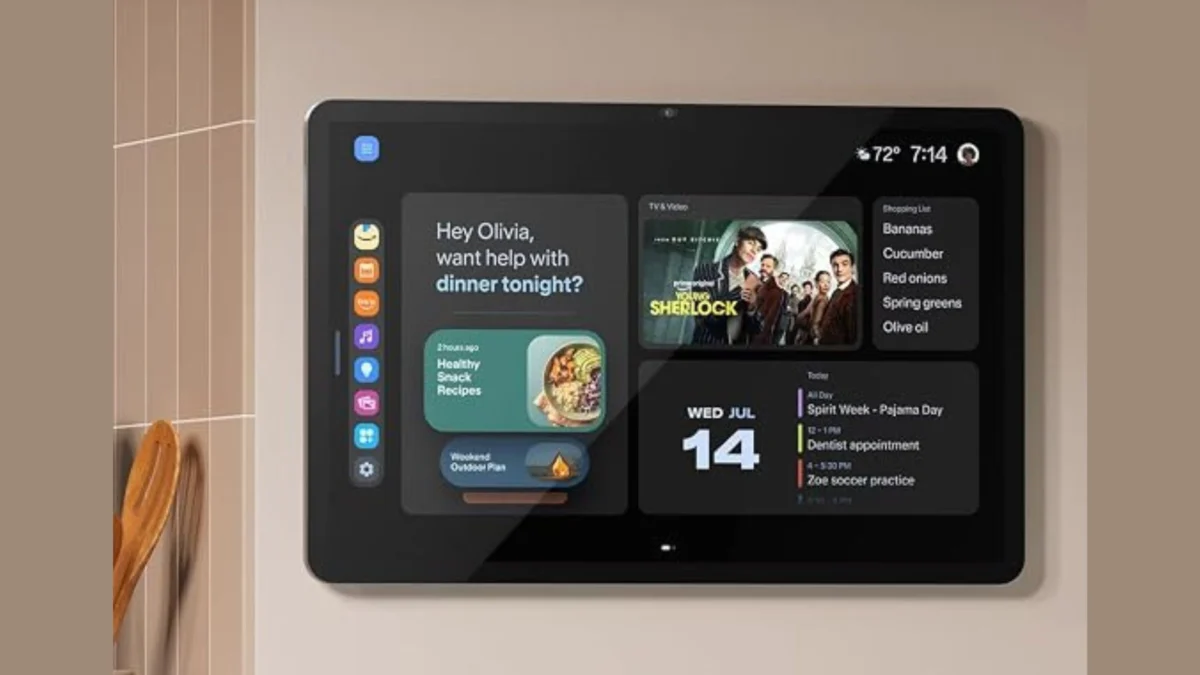
Amazon has officially launched the Echo Show 16, its most advanced smart display to date, promising a significantly enhanced user experience through a larger, higher-resolution screen, a sleeker design, and an innovative nanomatte display option engineered to combat glare in even the brightest environments. This latest iteration represents a substantial leap forward from its predecessors, particularly the Echo Show 15, offering users a more immersive and versatile smart home hub. The introduction of the Echo Show 16, unveiled at a recent Amazon event, signals the company’s continued commitment to integrating sophisticated technology seamlessly into the everyday lives of consumers, further solidifying Alexa’s role as a central control point for the connected home.
The Echo Show 16 boasts an expansive 16-inch Full HD display, providing a viewing area that is approximately 10% larger than the previous flagship, the Echo Show 15. This increased screen real estate is designed to make tasks such as video calls, content consumption, and smart home management more engaging and user-friendly. Crucially, Amazon is offering consumers a choice between a standard display and a new nanomatte finish. This advanced screen technology, developed in partnership with Corning, a leader in advanced glass materials, utilizes specialized anti-reflective properties. The objective is to drastically reduce reflections from ambient light sources like windows and overhead lighting, a common frustration in kitchens, living rooms, and other high-traffic areas of a home. Unlike some glare-reducing technologies that can compromise visual quality, Amazon claims the nanomatte finish maintains exceptional color accuracy and image detail, ensuring a superior viewing experience. This technology has previously been seen in other Amazon devices, such as the Alexa Tablet 12 Pro, where it was lauded for its effectiveness in improving screen visibility in varied lighting conditions.
Beyond the visual enhancements, the Echo Show 16 has undergone a significant hardware overhaul, emphasizing both aesthetic refinement and performance upgrades. The device is now nearly 40% thinner than its predecessor, contributing to a more minimalist and premium appearance that is easier to integrate into diverse home décor styles. A new anodized aluminum frame adds to its sophisticated feel and durability. The audio system has also been completely redesigned, featuring eight custom micro-woofers and two tweeters. This enhanced audio configuration is engineered to deliver richer, more immersive sound for music playback, video streaming, and Alexa’s voice responses. Amazon has also reported a 20% increase in computing power, which translates to faster responsiveness and smoother multitasking capabilities for the device.
A key advancement in the Echo Show 16 is its upgraded 13-megapixel wide-angle camera. This camera is integral to the device’s enhanced Visual ID facial recognition feature. Visual ID allows Alexa to recognize individual users, personalizing their experience by displaying relevant information such as calendar appointments, recommended content, and personalized news briefings. The effective range of this facial recognition has been significantly extended, now capable of identifying users from up to 17 feet away, a substantial increase from the previous eight feet. This broader recognition range ensures that the Echo Show 16 can adapt to a wider variety of room layouts and user positions.
The integration of Fire TV directly into the Echo Show 16 is another significant feature, transforming the smart display into a comprehensive entertainment hub. This built-in functionality grants users seamless access to a wide array of popular streaming services, including Netflix, Disney+, YouTube, and HBO Max, directly through the device’s interface. This eliminates the need for separate streaming devices in certain scenarios, simplifying the home entertainment setup.
Further bolstering its smart capabilities, the Echo Show 16 sees an upgrade to its Alexa+ features. The voice assistant is now capable of generating more dynamic and interactive content on the display. Instead of merely presenting text-based conversation transcripts, Alexa+ can now produce interactive charts, comparative shopping data, and personalized information cards. These enhanced visual outputs aim to provide users with more actionable insights and a richer interaction with Alexa. It is important to note that access to these advanced Alexa+ features requires an Amazon Prime membership or a separate subscription, reflecting Amazon’s strategy of leveraging its subscription services to enhance the value of its hardware offerings.
The Echo Show 16 is designed to be more than just a display; it aims to serve as a central hub for family organization and smart home control. The device can function as a digital photo frame, showcasing personal memories with a customizable slideshow experience. It also doubles as a smart home dashboard, providing a centralized view and control point for compatible smart devices, such as lights, thermostats, and security cameras. Amazon’s new Alexa Home Map feature, introduced with the Echo Show 15 and enhanced for this model, offers an intuitive visual representation of the connected home, making it easier to manage devices and routines. Additionally, the Echo Show 16 supports shared calendars, to-do lists, and meal planning functionalities, further positioning it as a valuable tool for family coordination and productivity.
The pricing and availability of the Echo Show 16 indicate its positioning as a premium smart home device. The standard Echo Show 16 is available for pre-order at $500, while the nanomatte version comes in at $570. Amazon is currently offering a $100 discount for pre-orders, a common tactic to incentivize early adoption and gauge market demand. Shipping is expected to commence later this year. Complementing the device, optional stands are also available, with a standard stand priced at $70 and a more versatile swivel-and-tilt version costing $125. These accessories allow users to position the Echo Show 16 at optimal viewing angles for various uses and environments.
The introduction of the Echo Show 16 can be viewed within the broader context of Amazon’s expanding ecosystem and its strategic vision for the smart home. The company has consistently aimed to place Alexa at the center of the connected household, and the Echo Show line has been a primary vehicle for this strategy. By offering larger, more visually appealing, and functionally enhanced displays, Amazon is catering to a growing consumer demand for smart devices that are not only utilitarian but also aesthetically pleasing and capable of integrating a wide range of digital services. The focus on glare reduction, for instance, addresses a practical user concern that can hinder the adoption and effective use of smart displays in everyday settings.
From a competitive standpoint, the Echo Show 16 enters a market with established players like Google’s Nest Hub Max and Apple’s HomePod. Amazon’s differentiation lies in its expansive screen size, the innovative nanomatte display option, the integrated Fire TV experience, and the continued refinement of Alexa’s AI capabilities. The ability to recognize users and personalize content is a significant step towards creating a more intuitive and less intrusive smart home experience, where devices adapt to individual needs rather than requiring constant manual adjustments.
The enhanced computing power within the Echo Show 16 suggests that Amazon is preparing for more complex AI tasks and potentially future software updates that could unlock even greater functionality. The increased range of the Visual ID feature also points towards a desire for seamless interaction, where users don’t have to be in immediate proximity to the device for it to recognize them and offer personalized assistance. This is particularly relevant for a device that may be placed in a central location within a home.
The financial implications of such premium hardware releases are significant for Amazon. While the exact sales figures for the Echo Show 16 are yet to be disclosed, the company has a track record of successful hardware launches, driven by its Prime membership base and its ability to bundle services with its devices. The nanomatte display, in particular, could become a key selling point for users who have previously found smart displays too reflective to use effectively in their homes. This could open up new market segments and increase the overall adoption rate of smart displays.
The development of the nanomatte display technology itself is also noteworthy. The collaboration with Corning underscores Amazon’s willingness to invest in cutting-edge material science to solve user-centric problems. This not only enhances the product’s performance but also positions Amazon as an innovator in display technology within the consumer electronics space. The success of this technology in the Echo Show 16 could pave the way for its integration into other Amazon products or even licensing to other manufacturers.
Looking ahead, the Echo Show 16’s enhanced AI capabilities, particularly the generation of interactive charts and personalized information cards, hint at a future where smart displays become more proactive and analytical tools. This could extend beyond simple task management to providing more in-depth insights into user behavior, home energy consumption, or even health and wellness data, all presented in an easily digestible visual format. The reliance on Amazon Prime or separate subscriptions for these advanced features also highlights Amazon’s ongoing strategy to create a sticky ecosystem of services that drive both hardware sales and recurring revenue.
The Echo Show 16’s launch also occurs at a time when the smart home market is experiencing sustained growth. According to recent industry reports, the global smart home market is projected to reach hundreds of billions of dollars in the coming years, driven by increasing consumer awareness, the availability of more affordable devices, and the growing adoption of smart assistants like Alexa. Amazon, as a pioneer in this space, is well-positioned to capitalize on this growth, and the Echo Show 16 represents a significant step in solidifying its market leadership. The device’s combination of a larger, high-quality display, advanced AI, and integrated entertainment features addresses key consumer desires and competitive pressures, making it a compelling offering in the evolving landscape of smart home technology. The success of this device will likely be a key indicator of consumer appetite for premium, feature-rich smart displays and Amazon’s ability to continue innovating in this competitive sector.

