
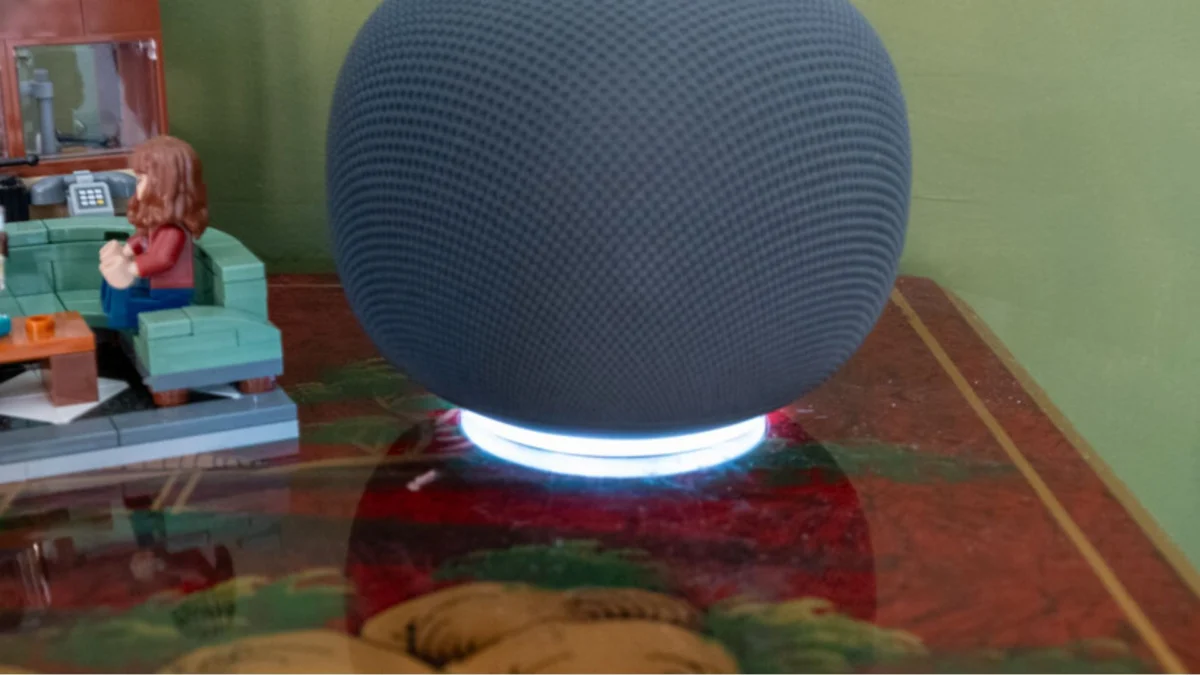
Google has unveiled a significant update for its Google Home application, extending its reach far beyond the much-discussed enhancements to Gemini for Home. This latest release, a substantial part of Google’s regular fortnightly software cycle, introduces a comprehensive suite of fixes and improvements targeting a wide array of Nest cameras, smart speakers, Wi-Fi routers, and Chromecast devices. The update aims to resolve a multitude of user-reported issues, promising a more stable and responsive smart home experience for a broad spectrum of Google’s hardware ecosystem.
Deep Dive into the Fortnightly Release: A Multifaceted Approach to Smart Home Stability
The extensive changelog accompanying this update underscores Google’s commitment to refining its smart home offerings. While the integration and refinement of Gemini for Home have garnered considerable attention, this release demonstrates a parallel focus on rectifying existing hardware and software deficiencies that have previously impacted user satisfaction. From audio playback glitches and connectivity woes to unexpected alarm silences, the update addresses a broad range of frustrating issues.
Enhancements to Gemini for Home: Improving Conversational AI and Control
For users leveraging Gemini for Home, the update brings notable improvements to the reliability of voice commands. A key area of focus has been the seamless movement of music playback between different rooms, a feature that has reportedly seen increased accuracy and fluidity. Furthermore, Google has actively worked to reduce instances where Gemini provides an unprompted "Sorry, I did not understand" response, a common point of user friction. This often occurred even when no verbal input was detected, suggesting a need for refined wake-word detection and command processing.
Voice control for YouTube TV on smart displays has also undergone refinement, aiming for a more intuitive and responsive interaction. This includes improvements in command recognition and execution, making it easier for users to navigate and control their television experience through voice alone. The cumulative effect of these Gemini-focused enhancements is a more robust and less error-prone conversational AI experience within the smart home environment.
Addressing Critical Functionality: Alarms, Timers, and Volume Control
A particularly welcome fix targets a persistent bug that could cause alarm and timer volumes to reset to zero, rendering these essential features ineffective. Google states that affected devices will now synchronize their alarm and timer volumes with the general device volume, ensuring that audible alerts are always appropriately set. This addresses a critical lapse in functionality for users who rely on these features for daily organization and reminders.
In a move designed to prevent accidental adjustments, the update also resolves an issue where requesting Gemini to adjust the volume in a different room would inadvertently alter the volume of the speaker the user was currently interacting with. This fine-tuning of volume control commands is crucial for maintaining a predictable and user-friendly audio experience across multiple devices.
Google Home App Evolution: Matter Integration and Enhanced User Interface
The Google Home application itself is a significant beneficiary of this update, particularly for users with Matter-compatible devices. On Android devices, Matter-enabled products such as garage doors, gates, and windows will now display more accurate and contextually relevant icons and control interfaces. This visual improvement enhances the user’s ability to quickly identify and interact with their smart home devices.
Moreover, Matter-enabled smart plugs and energy monitors can now provide real-time power consumption data and display cumulative energy usage directly within the Google Home app. This feature offers valuable insights into energy consumption patterns, empowering users to make more informed decisions about their energy usage and potentially reduce their utility bills.
A new shortcut has been introduced for compatible thermostats, allowing users to easily switch their home to an energy-saving temperature before leaving. This proactive feature promotes energy efficiency and convenience. For users with foldable Android phones, the update brings improvements to the live camera viewing experience when transitioning between folded and unfolded modes, ensuring a smoother and more integrated visual workflow.
Hardware-Specific Improvements: Revitalizing Older and Newer Devices
The update’s impact is perhaps most keenly felt by users of Google’s existing hardware. Google Home and Nest speakers are set to benefit from smoother audio streaming, enhanced clarity at lower volumes, and adjustments to what some users perceived as overly heavy bass. These audio optimizations are designed to elevate the listening experience across a range of content and listening environments.
Furthermore, fixes have been implemented for disappearing speaker groups, a frustrating issue that could disrupt multi-room audio setups. Connectivity improvements address Wi-Fi 7 connection failures, ensuring more reliable network performance for compatible devices. Bluetooth playback issues, including unexpected pausing, have also been resolved, contributing to a more stable wireless audio experience.
Legacy Nest Hardware Gets a Second Life
Older Nest cameras have not been overlooked. Google has enhanced Wi-Fi reconnection capabilities, reducing the likelihood of devices dropping off the network. A fix for delayed night vision activation on first-generation Nest Cams ensures that users can reliably monitor their homes in low-light conditions. Audio synchronization problems and unexpected restarts affecting the Nest Hello doorbell have also been addressed. The Nest Hello also receives improvements to its person and Familiar Face detection algorithms, enhancing its security and identification capabilities.
Nest Wifi routers and points are also part of this comprehensive update, with improvements to mesh network reliability and DNS fallback mechanisms. These enhancements aim to provide a more robust and stable Wi-Fi network throughout the home.
Chromecast with Google TV (HD and 4K) devices are receiving the August 2026 security patch, bolstering their security posture. Alongside this, they benefit from streaming and connectivity fixes, aiming to improve overall performance and reduce buffering or connection interruptions.
The Broader Implications: Sustaining the Smart Home Ecosystem
This extensive update signals a strategic shift for Google, moving beyond solely focusing on the cutting-edge advancements of AI like Gemini. While Gemini represents the future of conversational AI in the home, the company’s renewed emphasis on fortifying the stability and functionality of its existing hardware is a crucial step in nurturing its entire smart home ecosystem.
Historically, major tech companies have often prioritized new product launches and feature rollouts over the ongoing maintenance and improvement of their current hardware. This can lead to user frustration as older devices, still perfectly functional, become subject to bugs and performance degradation. By dedicating significant resources to these types of comprehensive updates, Google is demonstrating a commitment to its installed user base, acknowledging that the longevity and reliability of existing devices are paramount to sustained customer loyalty and market competitiveness.
The inclusion of specific fixes for older Nest cameras, for instance, is particularly noteworthy. These devices, while no longer the latest models, represent a significant investment for many consumers. Addressing their issues not only improves the user experience but also extends the practical lifespan of these products, potentially delaying the need for costly upgrades and fostering a more sustainable approach to consumer electronics.
Furthermore, the improvements to Matter device integration highlight Google’s ongoing commitment to open smart home standards. By ensuring that Matter devices are more accurately represented and controllable within the Google Home app, Google is contributing to the broader interoperability of smart home devices, a key goal for the industry. This can lead to a more seamless experience for consumers who choose to mix and match devices from different manufacturers.
The sheer breadth of the update, encompassing everything from AI conversational improvements to fundamental hardware stability and security patches, suggests a holistic approach to smart home management. It indicates that Google recognizes the interconnected nature of its smart home products and the importance of ensuring each component functions optimally to create a cohesive and reliable user experience.
In an era where smart home adoption continues to grow, and consumers are increasingly reliant on these devices for convenience, security, and entertainment, such comprehensive updates are not merely cosmetic. They are essential for maintaining trust, encouraging continued adoption, and solidifying Google’s position as a leader in the smart home market. The long-term implications suggest a more mature and user-centric development strategy, one that balances innovation with the crucial task of ensuring that the technology people already own continues to perform as expected, if not better.

