
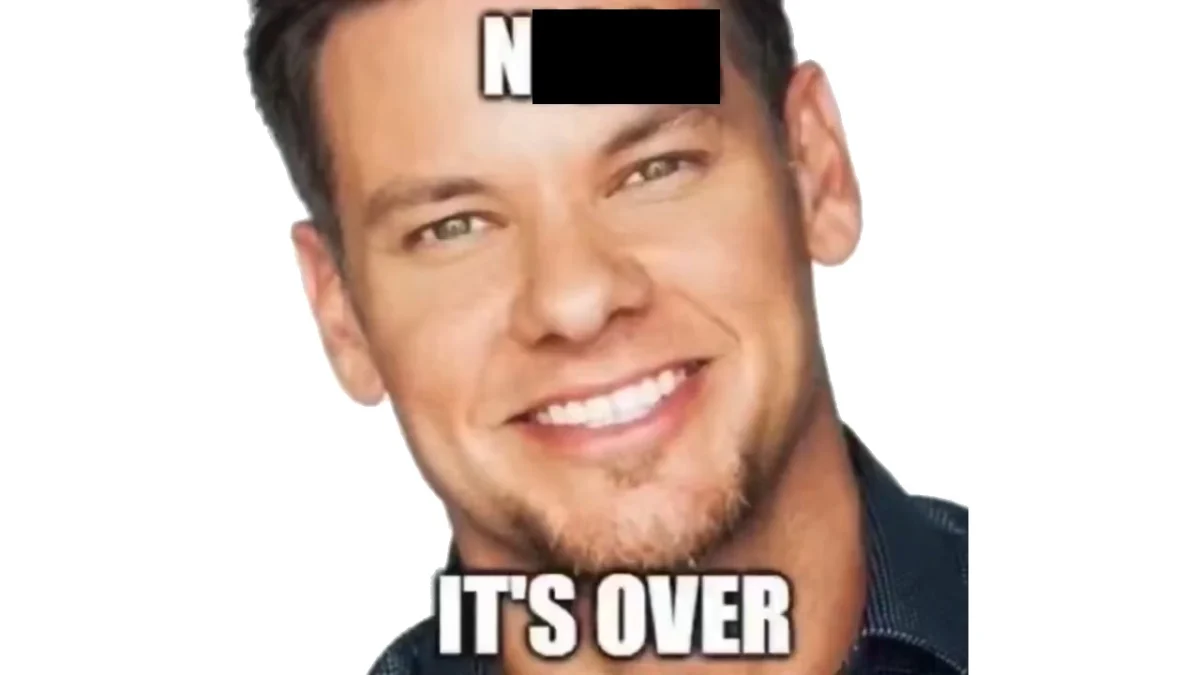
The digital landscape of 2026 has been significantly altered by the emergence of a specific genre of synthetic media, most notably exemplified by the Theo Von Nigga Its Over meme. This phenomenon, which transitioned from a static image macro to a sophisticated AI-animated video series, represents a pivotal moment in the intersection of celebrity culture, artificial intelligence, and internet vernacular. The meme features American stand-up comedian and podcaster Theo Von, whose likeness has been utilized to convey a sense of ultimate finality or "doom-posting" through a combination of linguistic tropes and advanced generative technology.
The Genesis and Early Iterations of the Macro
The origins of this cultural artifact can be traced back to the second quarter of 2026. On April 18, 2026, an Instagram user operating under the handle schlazawg published a prototype of the meme. This initial version featured a high-contrast image of Theo Von’s face accompanied by the caption, "Nigga it will never end." While this early iteration garnered modest engagement—approximately 25 likes over a six-month period—it established the visual template that would later dominate social media feeds. The watermark "@greetingsnigga" suggested a wider, though decentralized, effort to create a series of aggressive reaction images utilizing Von’s likeness.
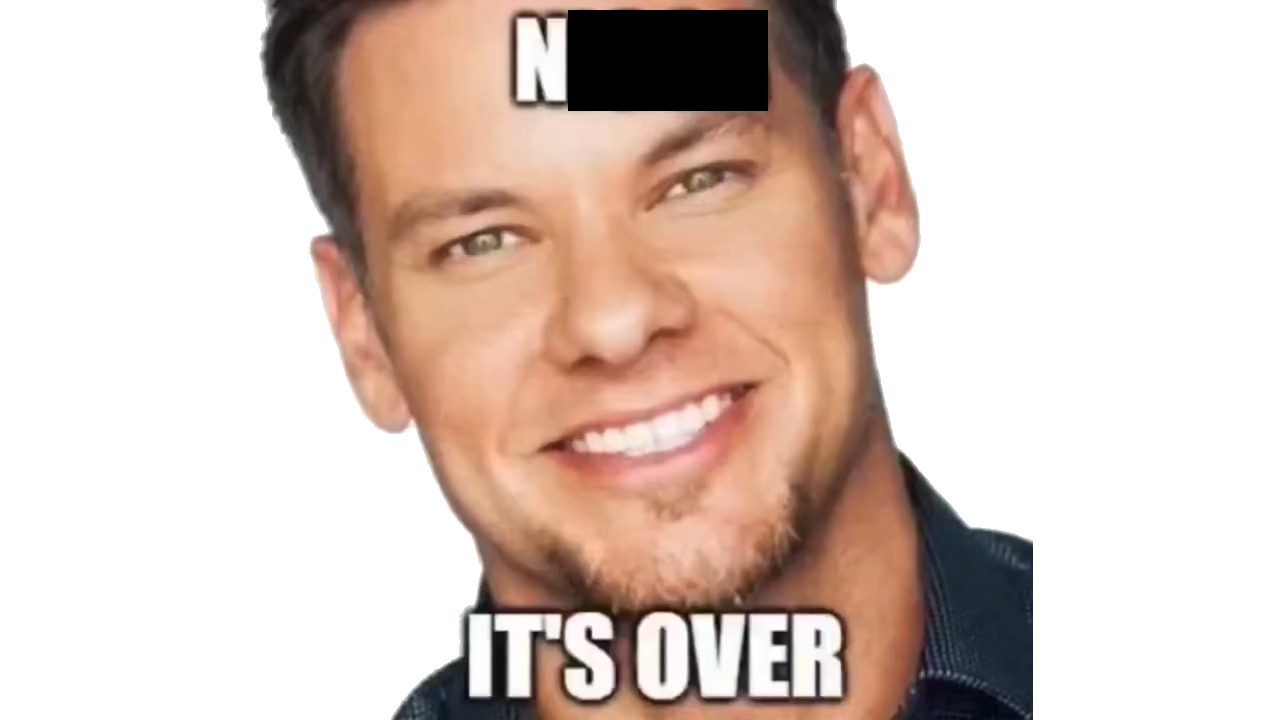
The meme underwent a critical linguistic shift on June 13, 2026, when Instagram user owen_kung posted a revised version. This iteration replaced the previous caption with the phrase, "Nigga it’s over." This specific phrasing tapped into a broader internet subculture obsessed with the concept of "over-ness"—a state of irreversible defeat or the conclusion of a particular trend or event. This post saw a significant increase in traction, earning 5,500 likes. The virality was further compounded when the account hardlypc reposted the image on the same day, nearly tripling the engagement to 14,300 likes.
Technological Evolution: The October AI Explosion
The most transformative phase of the meme occurred in October 2026, driven by the increasing accessibility of AI video synthesis tools. On October 4, 2026, an X (formerly Twitter) user identified as @bergen_exe uploaded an AI-generated video that brought the static image to life. In this version, Theo Von’s facial features were animated to sync with an AI-generated voice reading the caption. The video was set to the somber yet intense track "Blow Me Away" by the rock band Breaking Benjamin, a song frequently associated with early 2000s internet culture and gaming montages.
This specific video served as a response to a Claude-generated music video, illustrating a meta-commentary on the state of AI-generated content. By animating the meme, creators moved beyond simple text-over-image formats into the realm of "deepfake" reaction media. The post reached a massive audience, securing over 33,000 likes within three weeks and signaling the start of a broader trend where the "Theo Von" template was treated as a modular framework for various cultural commentaries.
Comparative Analysis and Variant Proliferation
As the meme achieved saturation on X, the community began to iterate on the concept by replacing Theo Von with other high-profile figures. This modularity allowed the meme to be adapted for political, social, and personal contexts. On October 22, 2026, user @jacobfastpro applied the format to Donald Trump. The caption, "we are genuinely fucked when our president is telling us nigga its over," utilized the gravity of the presidency to heighten the comedic absurdity of the meme. This specific variant highlighted how AI memes are used to process political anxiety through a lens of nihilistic humor.
The trend continued to diversify with the inclusion of digital creators and public scandals. On October 23, user @McKean_enjoyer utilized an image of Hila Klein, co-host of the H3 Podcast, to reference internal community controversies involving Ethan Klein. This version demonstrated the meme’s utility in "fandom" spaces, where specific grievances are aired using popular viral templates.
Perhaps the most abstract version of the meme appeared on October 27, 2026, when @d_xelly posted an image depicting Theo Von’s face superimposed onto a mushroom cloud. This was posted in response to news regarding Discord’s decision to make public server messages searchable on Google. The use of the meme in this context served as a hyperbolic reaction to privacy concerns, garnering over 67,000 likes and proving that the imagery had moved beyond a simple joke into a recognized symbol for digital catastrophe.
Theoretical Framework: The Linguistic and Cultural Context
The success of the Theo Von "It’s Over" meme can be attributed to several factors within the contemporary digital zeitgeist. First is the persona of Theo Von himself. Known for his "Cutter" hairstyle and Southern-inflected, often surrealist storytelling, Von occupies a unique space in the "Manosphere" and comedy podcasting worlds. His face is naturally expressive, often conveying a mixture of confusion, sincerity, and mischief, making it ideal for reaction imagery.
Second is the linguistic adoption of African American Vernacular English (AAVE) within predominantly non-Black digital spaces. The use of the word "nigga" in these macros follows a controversial but persistent trend in internet "shitposting" culture, where the term is used as a generic, albeit highly charged, intensifier. In the context of the meme, it functions to heighten the "edginess" of the declaration, signaling that the statement is coming from a place of raw, unfiltered internet subculture rather than mainstream discourse.
Third is the "It’s Over" vs. "We’re Back" dichotomy. Internet culture in the mid-2020s has been defined by extreme swings between optimism and pessimism. The "It’s Over" meme is the quintessential expression of the latter, used whenever a platform update is disliked, a celebrity is "canceled," or a geopolitical event occurs. By attaching this sentiment to an AI-animated Theo Von, users are able to perform a version of "performative despair" that is both ironic and deeply felt.
Impact of AI Accessibility on Content Creation
The rapid spread of the Theo Von meme in late 2026 underscores a significant shift in how memes are produced. Previously, creating a high-quality video meme required video editing software and a certain level of technical proficiency. With the advent of consumer-grade AI lip-syncing tools, any user with a smartphone can generate a video of a celebrity saying virtually anything.
This democratization of deepfake technology has raised concerns among digital ethicists and legal experts. While the Theo Von memes are clearly satirical, the technology used to create them is the same technology used for more malicious misinformation. However, within the meme community, these tools are viewed as the next logical step in the evolution of the "remix culture" that has defined the internet since its inception. The "Theo Von" series is a testament to the speed at which the public adopts new technology for the purpose of humor and social commentary.
Institutional and Public Responses
While Theo Von has not issued a formal legal challenge against the use of his likeness in these specific memes, his previous commentary on his podcast suggests a general awareness of his status as a "memeable" figure. In various episodes of This Past Weekend, Von has discussed the strangeness of seeing himself edited into various internet scenarios, often responding with the same brand of eccentric humor that made him popular.
The platforms themselves, specifically X and Instagram, have maintained a hands-off approach to these memes, classifying them as parody or transformative work. However, the Discord-Google integration controversy, which the meme was used to highlight, prompted a larger discussion about data privacy. The fact that a Theo Von meme became the primary vehicle for this discussion illustrates the power of viral media to act as a frontline news aggregator for younger demographics.
Conclusion and Future Implications
The Theo Von Nigga Its Over meme is more than a fleeting internet joke; it is a case study in the future of digital communication. It combines the visual language of the 2010s image macro with the 2020s generative AI revolution. As AI continues to integrate into social media platforms, the line between static images and dynamic, synthetic performances will continue to blur.
The timeline of the meme—from a low-engagement Instagram post in April to a multi-million impression AI video in October—demonstrates the "incubation" period of modern memes. What begins as an obscure reference in a niche community can, through the right technological catalyst, become a universal shorthand for a specific emotion. In this case, that emotion is the collective realization that, for better or worse, a certain era of the internet has reached its conclusion. As the "It’s Over" sentiment persists, the image of a smiling, AI-animated Theo Von remains the definitive icon of the 2026 digital collapse.

