
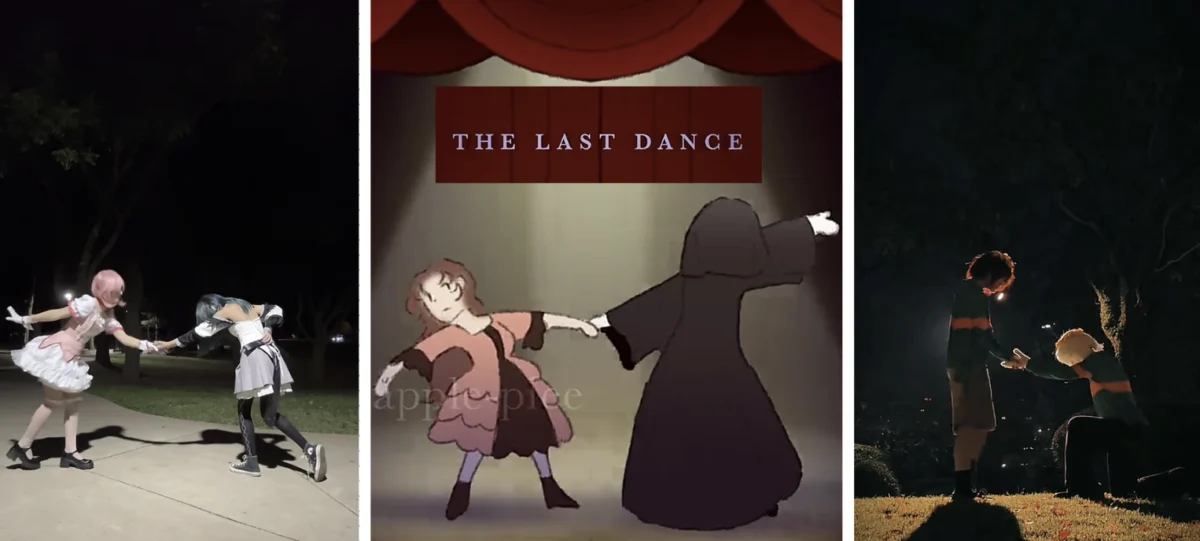
The digital landscape of late 2026 has been significantly reshaped by the "Last Dance" trend, a multifaceted social media movement that bridges the gap between obscure Japanese electronic music and modern short-form video choreography. Centered on a synchronized dance routine set to a hauntingly rhythmic track, the trend has evolved from a niche animation meme into a mainstream TikTok sensation. Characterized by its emotional weight and coordinated movements, the phenomenon has garnered tens of millions of views, demonstrating the enduring power of community-driven content and the cyclical nature of internet subcultures.
The Musical Catalyst: From 2014 SoundCloud Obscurity to 2026 Virality
The foundation of the trend lies in a musical composition titled "fpd ff7 botsu 8," produced by the renowned Vocaloid artist Maretu. Originally uploaded to SoundCloud on September 19, 2014, the track remained a deep cut within Maretu’s discography for over a decade. Maretu, known for a signature style that blends heavy percussion, dissonant melodies, and often dark thematic elements, has long maintained a dedicated following within the Vocaloid community. However, "fpd ff7 botsu 8" did not achieve widespread recognition until its resurgence in mid-2026.
The catalyst for this revival occurred on July 20, 2026, when YouTube user InNirvanna reuploaded the full version of the track. This reupload served as a critical discovery point for a new generation of content creators. Within fifteen weeks, the video amassed over 516,800 views, signaling a renewed interest in Maretu’s experimental catalog. The track’s rhythmic complexity and somber undertones provided the ideal canvas for creators seeking to express themes of longing, finality, and synchronized partnership.
The Animation Meme: A Chronology of Visual Evolution
The transition from a musical track to a visual "animation meme" began in earnest during the late summer of 2026. In the context of digital art communities, an "animation meme" refers to a specific template or sequence that artists use to animate their own characters, often focusing on repetitive motions or lip-syncing to a specific audio clip.
On August 14, 2026, TikTok user fugashizzz._ published the earliest known iteration of the trend. This version featured a distinct visual motif: characters running along a rotating wheel against a stylized backdrop. This initial format emphasized a sense of perpetual motion and cyclical struggle, garnering 529,000 views and establishing the audio’s presence on the platform.
The trend reached a critical inflection point on August 28, 2026, when user @amy_yayxd released an animated background template. By providing a "free-to-use" visual asset, @amy_yayxd lowered the barrier to entry for other animators. The template featured an elegant, minimalist setting suitable for a formal or metaphorical dance. This post became a cornerstone of the movement, securing approximately 6.8 million views and 863,100 likes. The availability of this template allowed the trend to pivot from "characters running" to the more sophisticated "synchronized dance" format that would eventually define the "Last Dance" moniker.
Fandom Integration and the "Final Moment" Narrative
By September 2026, the trend had been adopted by various online fandoms. The synchronized dance choreography—often featuring two characters moving in perfect unison before parting ways—became a popular vehicle for "shipping" (the act of pairing characters in romantic or platonic relationships). Creators utilized the format to portray poignant narrative beats, such as characters saying goodbye, experiencing a final moment before a tragedy, or celebrating a bond that transcends physical presence.
On September 9, 2026, a notable contribution from user @red.apple.piee showcased a fan animation based on The Phantom of the Opera. This video, which received over 3 million views, exemplified the trend’s appeal to theater and literature enthusiasts. Following this, on September 21, user @1sampokoskifan shared a simplified "base" or "skeleton" for the dance movements, further enabling artists with varying levels of technical skill to participate. This democratization of content creation is a hallmark of the 2026 social media era, where the distinction between "consumer" and "creator" continues to blur.
Linguistic Localization: The Rise of English Covers
As the trend crossed international borders, the original Japanese-titled track underwent a linguistic transformation. Fans began referring to the song as "The Last Dance," a title that reflected the visual themes of the viral videos. This shift was solidified by the emergence of English-language lyric covers.
On October 6, 2026, TikTok creator @vinn.mp4 (also known as vinnmp4s) uploaded a vocal cover featuring original English lyrics written by @chocoeclairr0. This adaptation resonated deeply with Western audiences, providing a narrative framework that matched the melancholic energy of Maretu’s production. The TikTok post gained 3.3 million views in less than a month. On October 29, a full-length version of this English cover was released on YouTube, further cementing the "Last Dance" identity and providing a high-quality audio source for future creators.
Transition to Live-Action and Cosplay
While the trend originated in the digital art and animation spheres, its infectious choreography inevitably transitioned into the physical world. By late September 2026, live-action videos featuring real-world performers began to rival the animations in popularity. These videos typically featured two people—friends, siblings, or romantic partners—performing the synchronized routine.
A significant moment in this transition occurred on September 29, 2026, when user @yotwintsaccountistuff shared a video performing the dance solo. This iteration, which suggested the presence of an "invisible partner" or a "ghost," garnered a staggering 8.6 million views and 1.4 million likes. This "solo dance" variant added a layer of psychological depth to the trend, often interpreted as a tribute to lost loved ones or a representation of loneliness.
Cosplay communities also embraced the movement, using the "Last Dance" to bring fictional pairings to life. Notable examples include:
- Undertale/Deltarune: User @dentedbedframe’s cosplay of characters Chara and Asriel (September 26) received 1.8 million views.
- Puella Magi Madoka Magica: User @homuralvrrr’s portrayal of Madoka Kaname and Homura Akemi (October 21) garnered over 529,500 views, leaning into the tragic narrative of the anime series.
- Witch Hat Atelier: User @aurorallunae contributed a high-production cosplay dance that highlighted the trend’s reach into niche manga communities.
In an unusual turn for the trend, it also saw participation from individuals in formal or professional attire. On October 24, 2026, user @prikitu29 shared a video performing the dance in a military uniform, demonstrating the trend’s penetration into demographics outside the typical "anime" or "gamer" spheres.
Technical and Cultural Analysis
The success of the "Last Dance" trend can be attributed to several converging factors in digital culture. First is the "Maretu Effect." Maretu’s music has a history of inspiring complex visual interpretations due to its percussive nature, which provides clear "beats" for animators to hit. The technical precision required to sync animation to his tracks often results in high-quality content that is algorithmically favored.
Second is the "Template Economy." The rapid spread of the trend was facilitated by the immediate release of backgrounds, movement bases, and English lyrics. In the 2026 social media environment, a trend’s longevity is often determined by how easily it can be replicated and modified by the average user. By providing these tools, early adopters ensured the trend would remain visible for months rather than days.
Third is the emotional resonance of the "Finality" theme. At a time when digital interactions are often fleeting, the concept of a "last dance"—a synchronized, beautiful moment before an inevitable end—strikes a chord with a global audience. The trend serves as a digital ritual for expressing complex emotions regarding transition and loss.
Broader Implications and Future Outlook
The "Last Dance" trend represents a sophisticated evolution of the TikTok dance. Unlike earlier viral dances that were often criticized for being repetitive or simplistic, this movement requires a higher degree of artistic input, whether through animation, costume design, or narrative framing. It highlights the growing importance of "cross-media" virality, where a 2014 SoundCloud track, a 2026 YouTube reupload, and a series of TikTok templates combine to create a global moment.
As the trend continues into the final months of 2026, industry analysts suggest it may lead to a resurgence in interest for older Vocaloid catalogs and a greater emphasis on "storytelling" within short-form choreography. The "Last Dance" is not merely a fleeting meme; it is a testament to the collaborative creativity of the internet, where a decade-old song can find new life as a poignant, synchronized goodbye shared by millions.

