
The current landscape of artificial intelligence integration within the corporate sector is increasingly being characterized by industry analysts as a repetition of historical errors rather than a forward-thinking revolution. As organizations globally scramble to implement generative AI and automated systems, the methodology mirrors the fractured strategies observed during the digital transformation era of the early 2010s. Paul Boag, a veteran user experience consultant and author of the 2014 seminal work Digital Adaptation, argues that the contemporary rush to adopt AI has devolved into a series of strategic missteps that overlook the fundamental human elements of technological change. By revisiting the lessons learned from previous decades of digital shifts, it becomes evident that the success of AI depends less on the sophistication of the software and more on the cultural readiness of the workforce.
The Historical Context of Technological Adaptation
To understand the current friction in AI adoption, one must look back at the trajectory of digital transformation over the last fifteen years. In the period between 2010 and 2015, organizations faced a similar existential pressure to "go digital." This era saw a massive influx of capital into Content Management Systems (CMS), Customer Relationship Management (CRM) platforms, and internal intranets.
However, historical data suggests that these investments frequently failed to yield the promised returns. According to research from McKinsey & Company, approximately 70% of digital transformation programs fail to reach their stated goals. The primary cause identified was not the failure of the technology itself, but rather a lack of employee engagement and inadequate management support. In 2014, Boag’s Digital Adaptation highlighted that IT departments were operating in silos, rolling out complex systems without consulting the end-users—the employees and the customers. A decade later, the emergence of Large Language Models (LLMs) and tools like Microsoft Copilot has triggered a near-identical response from executive leadership.
The timeline of the current AI surge began in earnest in late 2022 with the public release of ChatGPT. Throughout 2023, the corporate narrative shifted from curiosity to a mandatory directive. By 2024, the "implementation phase" has reached a critical point where the friction between management expectations and staff reality has become unavoidable.
The Human Factor: Beyond the Technological Iceberg
The core failure in modern AI strategy is the tendency to treat AI as a purely technological challenge. Industry experts often describe technological implementation as the tip of an iceberg; while the software is visible and easily quantifiable, the vast mass of cultural shift, workflow redesign, and psychological adjustment remains submerged.
In the previous era of digital transformation, IT departments focused on the "rollout"—the technical act of making a tool available. Today, senior management teams are purchasing enterprise licenses for AI suites and considering the objective achieved. This approach ignores the reality that internal systems are only as effective as the people who operate them. When staff are provided with powerful tools but no clear framework for how those tools improve their specific daily tasks, the technology remains underutilized or, worse, becomes a source of resentment.
Furthermore, the psychological stakes are higher in the AI era than they were during the move to cloud computing or mobile-first design. In 2014, digital tools were seen as efficiency boosters; in 2024, AI is frequently perceived as a replacement for human labor. This climate of job insecurity creates a natural resistance to adoption. Without a clear cultural strategy that addresses these fears, organizations find themselves attempting to build a high-tech future on a foundation of workforce distrust.
Supporting Data: The Productivity Paradox and Employee Sentiment
Recent data underscores the disconnect between executive optimism and employee reality. The 2024 Work Trend Index, a joint report from Microsoft and LinkedIn, reveals a significant "productivity paradox." While 75% of knowledge workers globally now use AI at work, 78% of these users are bringing their own AI tools to the office—a phenomenon known as "Shadow AI."
This data indicates that while employees see the value in AI, they are not finding the official corporate solutions or training to be adequate. Moreover, the report found that while leadership is focused on the promise of a 30% or 40% increase in productivity, employees are struggling with burnout. For the average staff member, increased productivity often translates to a higher volume of work in the same eight-hour window, rather than a reduction in stress or an increase in compensation.
| Metric | Percentage | Source |
|---|---|---|
| Digital Transformation Failure Rate | 70% | McKinsey & Company |
| Employees Using Personal AI Tools at Work | 78% | Microsoft/LinkedIn (2024) |
| Knowledge Workers Using AI Globally | 75% | Microsoft/LinkedIn (2024) |
| Executives Expecting AI to Transform Operations | 85% | Gartner (2023) |
The lack of personal incentive for staff is a primary barrier. In a traditional corporate structure, if an employee uses AI to finish a task in four hours instead of eight, they are rarely rewarded with four hours of rest. Instead, they are typically assigned four additional hours of work. This "efficiency trap" removes the motivation for staff to master new tools, as the benefits accrue almost exclusively to the organization’s bottom line rather than the individual’s quality of life.
The Risks of Shadow AI and Rigid Governance
One of the most dangerous consequences of poorly managed AI adoption is the rise of Shadow AI. Just as "Shadow IT" plagued the early 2010s—with employees using unauthorized Dropbox or Google Docs accounts because internal file-sharing was too cumbersome—Shadow AI involves staff using personal ChatGPT or Claude accounts to process company data.
When organizations implement overly restrictive governance or force employees to use subpar internal AI tools, they drive the behavior underground. A UX team, for instance, might require a specific AI tool to build a research repository. If the official corporate AI (such as a restricted version of Copilot) cannot handle the specific file types or analysis required, the team may turn to personal accounts to maintain their deadlines.
This creates a massive security liability. Proprietary company data, legal documents, and customer information are being fed into public models where the organization has no oversight or data-deletion rights. Industry analysts suggest that Shadow AI is not a disciplinary problem, but a diagnostic one: it reveals exactly where the official corporate strategy is failing to meet the needs of the workforce.

Strategic Recommendations: A Path Toward Adaptive AI
To avoid the pitfalls of the past, organizations must shift their focus from procurement to participation. Based on the lessons from Digital Adaptation, several key strategies emerge for a more successful AI rollout:
1. Incentivization and Motivation
Organizations must answer the "What’s in it for me?" question for their staff. This may involve tying AI adoption to career progression, offering "innovation time" rewards, or even exploring shorter work weeks for departments that successfully hit productivity targets through AI integration. When AI is presented as a tool to remove the "drudgery" of a job—the tasks employees genuinely dislike—adoption rates increase significantly.
2. Peer-Led Training and Social Proof
Formal, top-down training sessions are often viewed with skepticism by staff. A more effective model involves identifying "AI enthusiasts" within different departments—those who are already experimenting with the technology—and giving them a platform to share their successes. Peer-to-peer learning provides "social proof" that the technology is useful and accessible, which is far more persuasive than a memorandum from senior management.
3. Creating a "Safe to Fail" Culture
Learning to prompt and integrate AI is an iterative process that involves inevitable errors. In many corporate cultures, mistakes are penalized in annual reviews, leading employees to stick to traditional, "safe" methods. To foster AI adoption, management must adjust Key Performance Indicators (KPIs) during the transition period, explicitly allowing for experimentation and the occasional failure as part of the learning curve.
4. Adaptive Governance
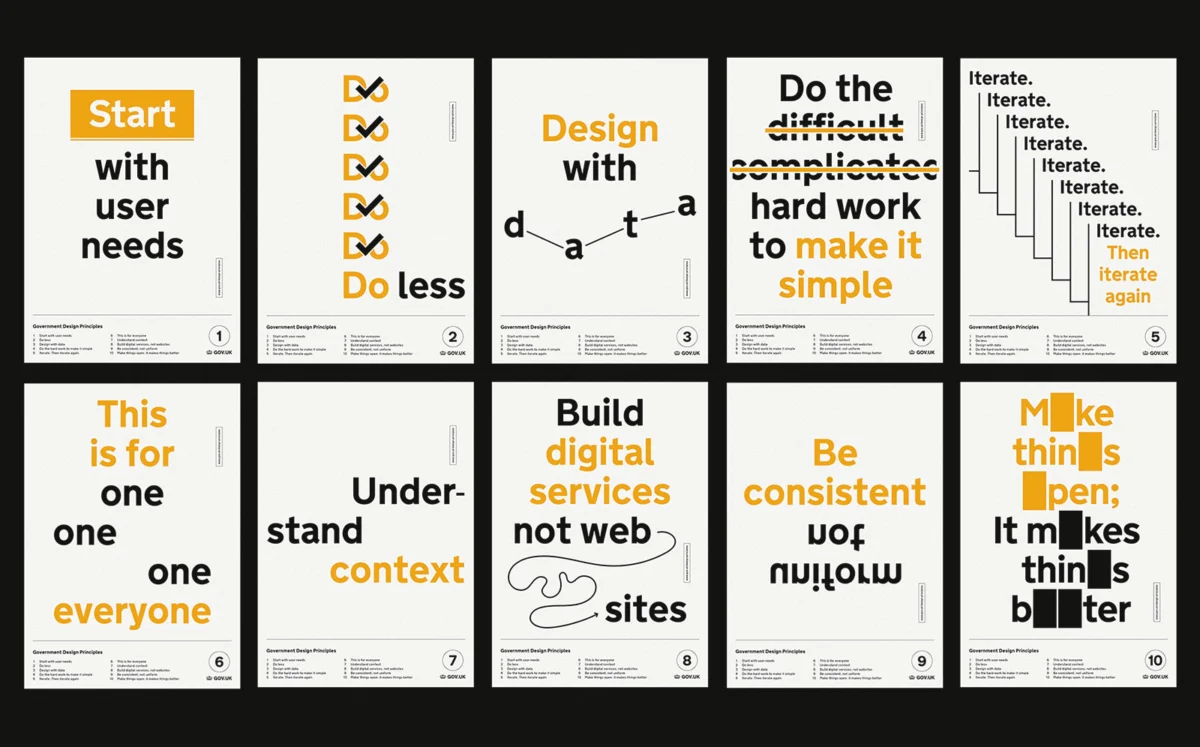
Rather than a hundred-page policy manual that stifles innovation, organizations should adopt a set of high-level principles. The GOV.UK design principles are often cited as a gold standard: they are short, memorable, and focus on outcomes rather than rigid rules. Trusting staff to use common sense within a clear framework of "Do’s and Don’ts" is more effective than attempting to block every unauthorized website.
Broader Impact and Long-term Implications
The long-term health of an organization in the mid-2020s will likely be determined by its ability to navigate this human-centric transition. Those that treat AI as a plug-and-play technological upgrade are likely to see a repeat of the 70% failure rate seen in previous digital transformations. Conversely, organizations that view AI as a cultural evolution—one that requires empathy, time, and structural changes to the employee-employer contract—will be best positioned to capture the technology’s true potential.
The shift toward AI is not merely a change in the tools we use, but a change in how we define work itself. As procedural knowledge is automated, the value of human workers will increasingly lie in their ability to direct, audit, and creatively apply these tools. If management fails to support staff through this transition, they risk creating a "lost generation" of workers who are either fearful of the technology or actively working to undermine its implementation. The lessons of 2014 remain clear: technology does not transform organizations; people do.

