
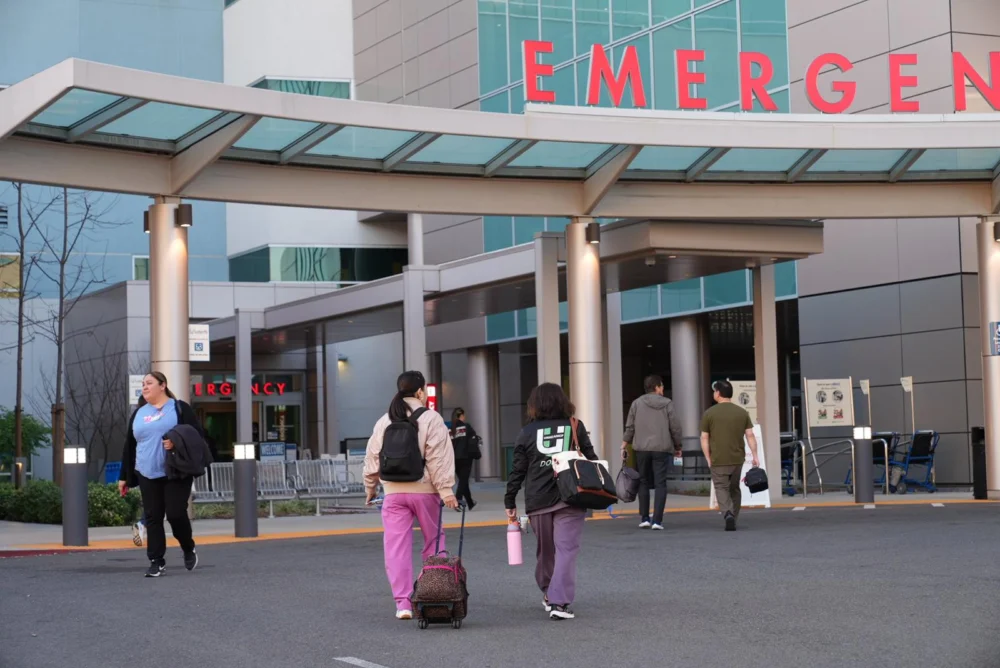
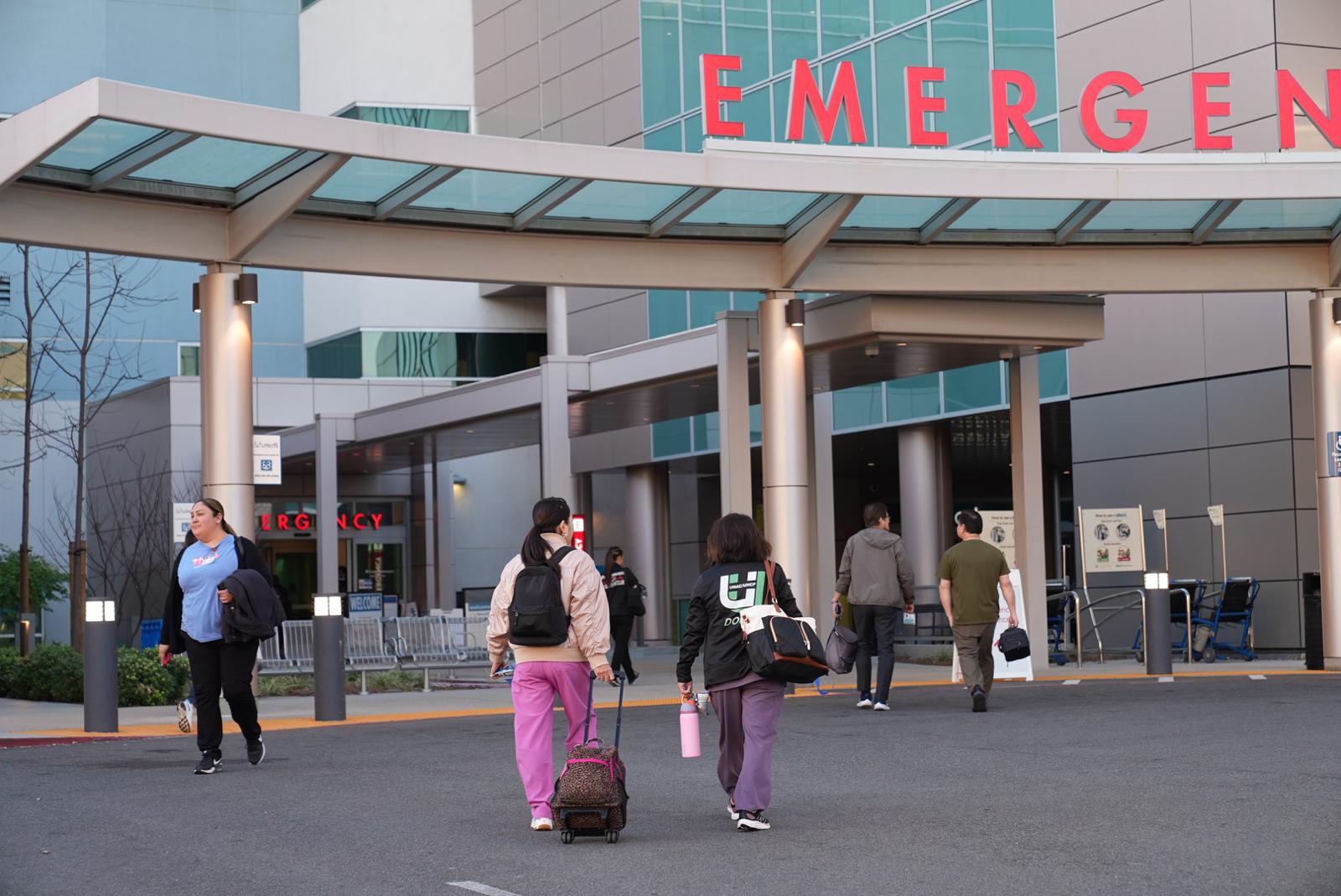
Following a month of picketing and intense negotiations, approximately 31,000 nurses and healthcare professionals at Kaiser Permanente returned to their posts on Tuesday, ending a four-week strike that had disrupted operations across dozens of medical facilities. While the return to work signals a significant de-escalation in one of the most substantial labor disputes in the modern healthcare sector, union leaders emphasize that the struggle is not yet over, as a final contract has yet to be fully ratified by the rank-and-file membership. The walkout, which began on January 26, 2026, was primarily driven by the United Nurses Associations of California/Union of Health Care Professionals (UNAC/UHCP) and targeted systemic issues that have plagued the healthcare industry since the post-pandemic era: chronic understaffing, wage stagnation, and the controversial practice of "paper staffing."
The strike’s conclusion comes at a critical juncture for Kaiser Permanente, a healthcare titan with an annual revenue exceeding $76 billion. The labor action impacted 20 hospitals and more than 200 clinics spanning the diverse geographies of California and Hawaii. For four weeks, these facilities operated under contingency plans, often relying on expensive temporary agency staff and postponing elective procedures to maintain basic emergency and inpatient services. The transition back to normal operations on Tuesday was marked by a sense of cautious optimism from the administration, even as union members expressed that their return was a tactical move based on "significant movement" at the bargaining table rather than a total resolution of all grievances.
The Core Conflict: Beyond Basic Wages
While salary increases are a standard component of any labor dispute, the UNAC/UHCP framed this strike as a fundamental fight for patient safety. Central to the union’s demands was the elimination of "paper staffing," a term used to describe an administrative accounting method that fulfills legal staffing ratios on paper while leaving bedside units functionally shorthanded. Under this practice, charge nurses—who are responsible for overseeing entire units—and break relief nurses are counted toward the patient-to-nurse ratio.
The union argued that because these roles are administrative or mobile, they are not consistently available to provide direct, hands-on care to patients. When these individuals are included in the count, it creates a statistical illusion of adequate staffing. In practice, however, it leaves the remaining bedside nurses with an unsustainable workload, increasing the risk of medical errors, nurse burnout, and diminished patient outcomes. The draft agreement reportedly includes language that strictly limits or eliminates the inclusion of non-bedside roles in direct care ratios, a move the union hails as a landmark victory for clinical standards.
To further stabilize the workforce, the tentative deal introduces a novel internal registry system. This mechanism is designed to create a dedicated pool of Kaiser-employed nurses who can be rapidly deployed to units experiencing sudden staffing gaps. Historically, Kaiser and other major health systems have relied heavily on "traveling nurses" or outside agencies to fill vacancies—a practice that is not only exponentially more expensive but can also lead to friction within permanent teams. By establishing an internal "float pool," Kaiser aims to reduce its dependency on mandatory overtime and external contractors, providing a more sustainable long-term solution to the nursing shortage that has intensified over the last several years.
A Multi-Year Chronology of Labor Unrest
The four-week strike that ended this Tuesday did not occur in a vacuum. It was the culmination of a deteriorating relationship between Kaiser’s management and its frontline staff. In October 2025, the same group of 31,000 workers staged a five-day "warning strike" to signal their dissatisfaction with the pace of contract renewals. When those five days failed to produce a satisfactory offer, the union prepared for the more protracted action that began in late January.
This timeline illustrates a broader trend of "militant" nursing labor movements. In the years following the COVID-19 pandemic, healthcare workers have increasingly utilized strikes not just for economic gain, but as a lever to force systemic changes in hospital management. According to data from the Bureau of Labor Statistics and independent healthcare analysts, the frequency of healthcare-related work stoppages has risen by nearly 40% compared to pre-2020 averages. The Kaiser strike of early 2026 now stands as one of the longest and largest of this new era, serving as a bellwether for the industry.
The Economic Gap: 21.5% vs. 25%
Economics remained a major sticking point throughout the twenty-eight days of picketing. The UNAC/UHCP initially entered negotiations demanding a 25% wage increase over the four-year duration of the contract. Union representatives argued that this figure was necessary to offset the cumulative effects of high inflation and to remain competitive with other major health systems that have recently raised their pay scales to attract a dwindling supply of qualified nurses.
Kaiser Permanente’s counteroffer eventually landed at 21.5%. While this falls short of the union’s original goal, the leadership of UNAC/UHCP decided to move forward with the proposal, citing the importance of the non-monetary wins regarding staffing and safety. The 21.5% increase, while lower than the initial demand, still represents one of the most significant wage hikes in the organization’s history. For Kaiser, the 3.5% difference represents hundreds of millions of dollars in annual operating costs—a critical factor for a non-profit organization that, despite its massive revenue, faces rising costs for medical supplies, technology, and infrastructure.
Official Reactions and Corporate Sentiment
In the wake of the workers’ return, both sides issued statements that highlighted the remaining tension. Charmaine Morales, President of UNAC/UHCP, framed the strike as a David-vs-Goliath victory. "We went up against a $76 billion organization that tried to silence us with money while ignoring safety," Morales stated. "We didn’t let that happen. We won real protections for our patients, and we will enforce every single one of them. Kaiser now knows that this union is not going away."
Conversely, Kaiser Permanente leadership characterized the strike as an avoidable disruption. In an official statement, a spokesperson for the health system called the walkout "entirely unnecessary" but acknowledged that the union’s acceptance of the 21.5% wage offer was "good progress." The spokesperson added, "Our bargaining with UNAC/UHCP and each of the Alliance of Health Care Unions continues at local tables. We are continuing to make progress and remain optimistic about reaching contract agreements soon."
The contrast in rhetoric underscores the difficult path ahead. While the nurses are back in the hospitals, the "local table" negotiations involve specific details for different regions and specialties, meaning that localized friction could still occur before the master contract is signed.
The National Context: A Wave of Nursing Victories
The resolution at Kaiser Permanente mirrors a nationwide surge in nursing union activity. Just days prior to the Kaiser return, 4,200 nurses represented by the New York State Nurses Association (NYSNA) ended a 41-day strike at NewYork-Presbyterian Hospital. That strike followed similar patterns: a demand for better staffing ratios and significant wage increases to combat the cost of living in urban centers.
Earlier in the same month, Mount Sinai and Montefiore health systems in New York also reached agreements with their respective nursing units after high-profile strikes. These collective actions suggest a shift in the balance of power within the healthcare sector. Hospitals are finding that the cost of a strike—both in terms of reputation and the expense of hiring temporary replacements—often outweighs the cost of meeting union demands. Analysts suggest that the "Kaiser Model" of a tiered wage increase coupled with an internal registry for staffing may become the new standard for large-scale healthcare contract negotiations across the United States.
Implications for the Future of Healthcare Delivery
The return of 31,000 workers to Kaiser facilities is a relief for patients who have faced delays in care, but the long-term implications are complex. The increased labor costs will likely put pressure on Kaiser to find efficiencies in other areas, such as administrative overhead or telehealth integration. Furthermore, the focus on "safety-first" staffing ratios will be closely watched by healthcare regulators and patient advocacy groups.
If the "internal registry" succeeds in reducing burnout and improving retention, it could provide a blueprint for addressing the national nursing shortage, which the American Association of Colleges of Nursing (AACN) predicts will see a deficit of over 200,000 nursing positions by 2030. However, if the 21.5% wage increase leads to higher premiums for Kaiser’s millions of members, the organization may face a different kind of pressure from the public and corporate clients who provide Kaiser insurance to their employees.
As the ratification process begins, the healthcare industry remains focused on Kaiser. The successful implementation of this tentative agreement could define the labor-management relationship in the medical field for the next decade, proving whether a $76 billion health system can balance its financial sustainability with the intensive demands of a frontline workforce that has reached its breaking point. For now, the nurses are back at the bedside, but the lessons of the four-week strike will resonate through the halls of Kaiser Permanente for years to come.

