
The traditional framework of chronic disease management in the United States is currently facing a critical inflection point as providers and policymakers grapple with a fundamental disconnect between clinical interventions and patient reality. For decades, the healthcare system has been architected to treat chronic conditions almost exclusively within the confines of the exam room, despite the fact that the most significant determinants of health—including daily nutritional intake, physical activity levels, and behavioral habits—occur entirely outside of the clinical setting. This systemic gap often leaves patients to navigate complex lifestyle modifications with minimal oversight, while clinicians are forced to make high-stakes medical decisions based on infrequent, self-reported data or isolated physiological snapshots taken months apart.
As the prevalence of chronic conditions such as type 2 diabetes, hypertension, and cardiovascular disease continues to rise, the limitations of this "check-in every six months" model have become increasingly apparent. According to the Centers for Disease Control and Prevention (CDC), six in ten adults in the United States have at least one chronic disease, and four in ten have two or more. These conditions are the leading causes of death and disability and are the primary drivers of the nation’s $4.1 trillion in annual healthcare expenditures. The urgent need for a more integrated, data-driven approach has led to the emergence of lifestyle medicine and Remote Patient Monitoring (RPM) as essential tools for modernizing the standard of care.
The Evolution of Chronic Disease Care and the Rise of RPM
The trajectory of chronic disease management has shifted significantly over the last decade, moving from a reactive, acute-care focus toward a more proactive, continuous monitoring strategy. This evolution was accelerated by the COVID-19 pandemic, which necessitated a rapid transition to telehealth and highlighted the utility of connected health technologies. However, the roots of this shift go back further, to the incremental recognition by the Centers for Medicare and Medicaid Services (CMS) that physiological data collected in the home holds immense clinical value.
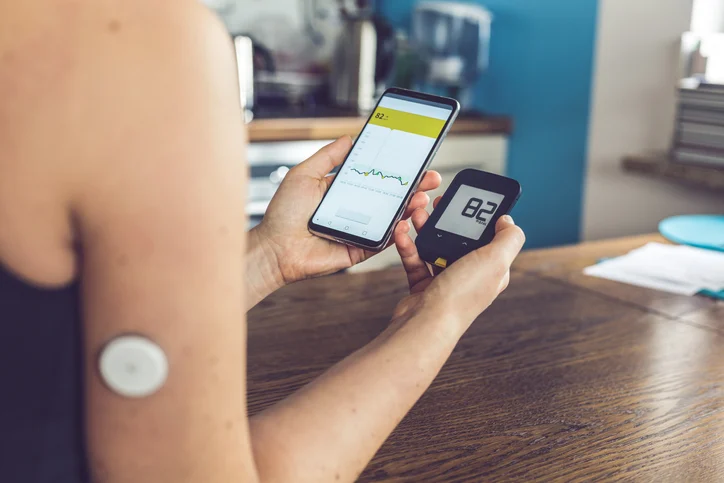
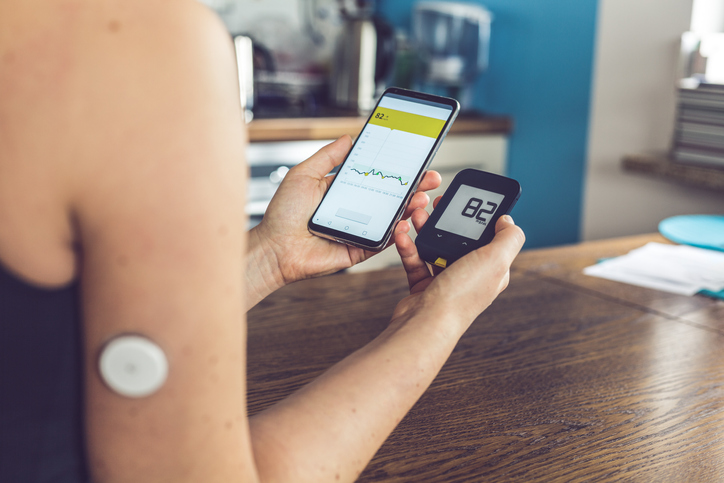
In 2019, CMS expanded reimbursement for Remote Physiological Monitoring, introducing specific CPT codes that allowed clinicians to bill for the time spent reviewing data transmitted by connected devices. These devices, ranging from continuous glucose monitors (CGMs) and digital blood pressure cuffs to smart scales and wearable activity trackers, provide a continuous stream of objective data. For the first time, the "black box" of the patient’s life between appointments began to open. By 2021, the adoption of RPM had surged, with studies indicating that remote monitoring not only improved patient engagement but also significantly reduced the need for emergency department visits and hospital readmissions.
The MAHA ELEVATE Model: A New Signal from CMS
The most recent development in this chronology occurred with the announcement of the Million Hearts®: Advancing Health Equity, Lifestyle, and Vitality through Evidence-based, Team-led, and Value-based Care (MAHA ELEVATE) model. Launched by the Center for Medicare and Medicaid Innovation (CMMI), this initiative represents a strategic shift toward whole-person interventions. The model is specifically designed to test whether providing payment for functional and lifestyle medicine can improve outcomes for patients with cardiovascular risks.
The MAHA ELEVATE model signals a growing federal acknowledgment that traditional pharmacology and procedural interventions are only part of the solution. By incentivizing behavior-change programs that focus on the "ABCS" of cardiovascular health—Aspirin, Blood Pressure, Cholesterol, and Smoking cessation—alongside lifestyle factors, CMS is attempting to bridge the gap between clinical medicine and daily life. However, industry experts note that for these programs to be successful, they must be supported by the same level of rigorous, objective data validation that characterizes procedural medicine.
Supporting Data: The Impact of Continuous Monitoring on Outcomes
The clinical efficacy of combining lifestyle interventions with remote monitoring is supported by an expanding body of research. A landmark study conducted by the Mayo Clinic demonstrated the transformative potential of this approach. The study found that patients enrolled in RPM programs achieved a 72.5% compliance rate with their prescribed care plans. Furthermore, the 30-day readmission rate for these patients was recorded at just 9.4%, a figure significantly lower than the national average for chronic disease populations.
Additional data from the American Heart Association (AHA) suggests that remote monitoring of blood pressure can lead to a more rapid and sustained reduction in systolic and diastolic levels compared to traditional office-based care. The real-time feedback loop provided by connected devices serves as a powerful behavioral catalyst. When a patient can see the immediate impact of a high-sodium meal on their blood pressure or the stabilizing effect of a 30-minute walk on their glucose levels, the abstract concepts of "diet and exercise" become tangible medical tools. This objective reinforcement is critical for long-term habit formation and treatment adherence.
The Reimbursement Bottleneck: Workforce and Regulatory Challenges
Despite the clear benefits of RPM and lifestyle medicine, significant regulatory hurdles remain, particularly regarding the healthcare workforce. Current Medicare billing structures for RPM often require that services be furnished under the direct or general supervision of a "billing practitioner," typically a physician, physician assistant, or nurse practitioner. This creates a bottleneck for the very professionals most qualified to deliver lifestyle interventions: registered dietitians, certified health coaches, and exercise physiologists.
Under existing CPT code definitions (such as 99457 and 99458), "clinical staff" can perform the monitoring and management, but the specific requirements for supervision and the inability of independent lifestyle practitioners to bill directly for these services make many programs financially unsustainable. For lifestyle medicine to move from a "niche wellness offering" to a "reimbursable standard of care," reimbursement models must evolve to recognize the value of the broader care team.
Industry reactions to these limitations have been vocal. Advocacy groups and digital health leaders argue that if CMS is committed to "whole-person health," it must align its payment pathways with the multidisciplinary teams that actually deliver behavioral care. The current disconnect prevents many patients, particularly those in underserved or rural areas, from accessing specialized lifestyle support because the financial infrastructure to support those providers does not yet exist at scale.
Addressing Health Equity and Access Barriers
The integration of RPM into lifestyle medicine also holds profound implications for health equity. Chronic diseases disproportionately affect underserved populations who may face significant Social Determinants of Health (SDOH), such as lack of transportation, inflexible work schedules, or limited access to healthy food environments.
Traditional care models require these patients to take time off work and find transportation to a clinic for every consultation or physiological check. This often leads to high "no-show" rates and fragmented care. Remote monitoring removes these physical barriers, allowing for high-frequency touchpoints without the logistical burden of travel. Furthermore, the data generated by RPM can help clinicians identify social barriers in real-time. For example, a sudden spike in glucose levels or blood pressure might correlate with a patient’s loss of access to medication or healthy food, allowing for immediate intervention by social workers or community health workers.
Analysis of Implications: A New Standard for Clinical Proof
The transition toward a data-backed lifestyle medicine model has broad implications for the insurance and pharmaceutical industries. For payers, the primary challenge has always been the perceived lack of "standardization" in lifestyle interventions. Unlike a pill with a specific dosage and predictable metabolic pathway, lifestyle changes are variable and difficult to measure.
Connected care technology solves this problem by providing "clinical proof" of behavioral efficacy. When an RPM platform can demonstrate that a specific nutrition and activity program reduced the A1C levels of 10,000 patients by an average of 1.5%, it generates a Return on Investment (ROI) that is impossible for payers to ignore. This level of data validation is likely to lead to a future where lifestyle prescriptions are treated with the same weight as pharmacological prescriptions, potentially leading to lower long-term costs by preventing the acute complications of chronic disease, such as strokes, heart attacks, and kidney failure.
Future Outlook and Conclusion
The movement toward integrating lifestyle medicine with remote patient monitoring is more than a technological trend; it is a necessary response to a mounting public health crisis. The recognition that "health happens at home" is a vital first step, but the success of this shift depends on the rigorous application of data and the modernization of reimbursement structures.
As initiatives like the MAHA ELEVATE model move forward, the healthcare industry will likely see an increased emphasis on EHR-integrated software that can synthesize data from multiple devices into actionable insights for the entire care team. The goal is to move toward a "closed-loop" system where behavioral changes are measured, validated, and reimbursed with the same scientific rigor applied to surgery or medication. By bridging the gap between the clinic and the home, the healthcare system can finally address the root causes of chronic disease, improving outcomes for millions of patients and ensuring the long-term sustainability of the medical economy.

