
Avalyn Pharma has successfully transitioned to the public markets, raising $300 million in an initial public offering that significantly exceeded initial expectations. The Boston-based biotechnology company, which specializes in developing inhaled versions of established treatments for life-threatening lung diseases, priced its offering at the top of its targeted range, signaling robust investor confidence in its localized delivery platform. By pivoting from traditional oral medications to targeted inhalation, Avalyn aims to address the debilitating side effects and high discontinuation rates that have long plagued the standard of care for pulmonary fibrosis.
The company offered 16.6 million shares at $18.00 each, a notable increase from the 11.8 million shares originally proposed in its preliminary filings. Trading under the ticker symbol "AVLN" on the Nasdaq Global Select Market, the IPO marks a pivotal moment for the company as it seeks to redefine the treatment landscape for Idiopathic Pulmonary Fibrosis (IPF) and Progressive Pulmonary Fibrosis (PPF).
The Pathological Challenge of Pulmonary Fibrosis
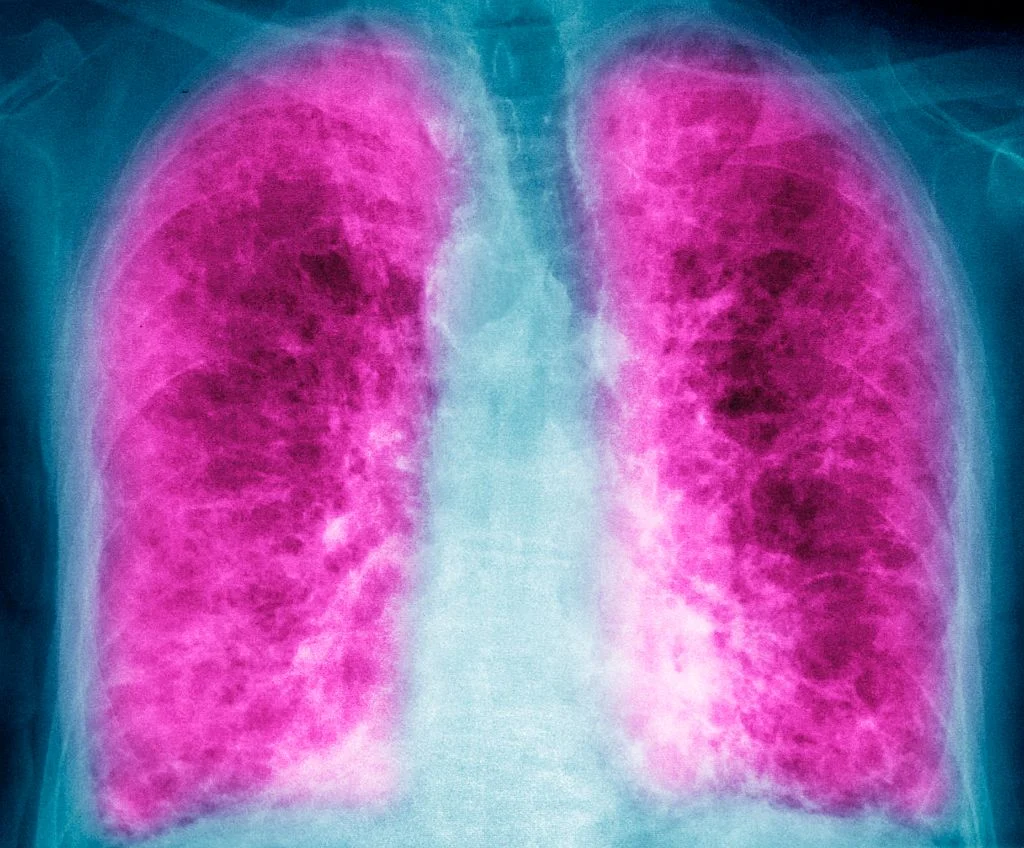
Pulmonary fibrosis is a chronic and progressive condition characterized by the buildup of scar tissue (fibrosis) in the lungs. As this tissue thickens and hardens, it becomes increasingly difficult for the lungs to transfer oxygen into the bloodstream, leading to shortness of breath, a persistent dry cough, and eventual respiratory failure.
The disease is generally categorized into two primary forms. Idiopathic Pulmonary Fibrosis (IPF) is the most common and severe form, where the underlying cause of the scarring remains unknown. It typically affects older adults and carries a prognosis that is often compared to certain types of aggressive cancer, with a median survival rate of three to five years post-diagnosis. Progressive Pulmonary Fibrosis (PPF) refers to a broader group of interstitial lung diseases where the scarring continues to worsen over time, often triggered by autoimmune conditions like rheumatoid arthritis, environmental exposures, or chronic hypersensitivity pneumonitis.
Despite the severity of these conditions, the therapeutic options remain limited. The current global market for IPF and PPF treatments is dominated by two primary oral medications: pirfenidone (originally marketed by Roche as Esbriet) and nintedanib (marketed by Boehringer Ingelheim as Ofev). While these "blockbuster" drugs have been proven to slow the rate of lung function decline, they do not cure the disease or reverse existing damage. Furthermore, their systemic nature—meaning they circulate through the entire body via the bloodstream—often results in severe gastrointestinal and cardiovascular side effects.
Overcoming the Limitations of Systemic Therapy
The central thesis of Avalyn Pharma’s strategy is that the current standard of care is hindered not by the efficacy of the active molecules, but by their delivery method. Because pirfenidone and nintedanib are administered as oral pills, they must reach high concentrations in the blood to ensure enough of the drug actually reaches the lungs. This systemic exposure is the primary driver of the adverse events that lead patients to stop treatment.
Clinical data highlighted in Avalyn’s SEC filings reveal a stark reality for patients: only about 30% of those diagnosed with IPF are actively treated with antifibrotic medications. Of those who do begin treatment, approximately 50% discontinue the regimen within the first year. The most common reasons for discontinuation include severe nausea, vomiting, diarrhea, and weight loss. In the case of nintedanib, cardiovascular risks, including hypertension and myocardial infarction, have also been documented.
Avalyn’s solution involves the use of proprietary nebulizer technology to deliver these same molecules directly to the site of the disease. By inhaling the medication, the drug concentration in the lung tissue can be significantly higher than what is achievable through oral dosing, while the concentration in the bloodstream remains low. This "lung-targeted" approach is designed to maintain the therapeutic benefit of the drugs while drastically reducing the systemic side effects that compromise patient adherence.
A Deep Dive into the Avalyn Pipeline
Avalyn is currently advancing three primary candidates, each targeting different segments of the fibrosis market:
- AP01 (Inhaled Pirfenidone): This is the company’s lead candidate, currently in Phase 2b clinical development for IPF. By delivering pirfenidone via inhalation, Avalyn aims to bypass the digestive tract, where the drug typically causes the most distress. Enrollment for the Phase 2b study is expected to conclude by mid-2026, with preliminary data anticipated in the second half of 2027.
- AP02 (Inhaled Nintedanib): This formulation targets nintedanib, the other pillar of current fibrosis treatment. AP02 is currently in Phase 2 testing. Given the potency of nintedanib and its associated cardiovascular risks, a localized delivery method could represent a significant safety upgrade for patients with co-morbidities. Enrollment for this study is slated to finish in the second half of 2027, with data following shortly thereafter.
- AP03 (Fixed-Dose Combination): Recognizing that many complex diseases are best treated with combination therapy, Avalyn is developing AP03, which combines pirfenidone and nintedanib into a single inhalable dose. The company has allocated $10 million from its IPO proceeds to initiate Phase 1 testing for this candidate.
The delivery mechanism for these drugs is a high-efficiency, portable nebulizer. Unlike traditional inhalers, which can be difficult for patients with compromised lung function to use correctly, the nebulizer allows for steady, deep-lung deposition of the medication through normal breathing.
Strategic Positioning and Market Competition
The landscape for IPF research is currently crowded with several large pharmaceutical companies and specialized biotech firms. Notable competitors include Bristol Myers Squibb, Contineum Therapeutics, Endeavor Biomedicines, Insilico Medicine, and Insmed. However, Avalyn’s leadership views these entities not as direct rivals, but as potential partners in a multi-modal treatment future.
Most novel IPF drugs currently in development are being tested as "add-on" therapies to the existing oral standards of care. Avalyn’s management believes that if their inhaled versions of pirfenidone and nintedanib are approved, they will replace the oral versions as the preferred "background therapy." In this scenario, a patient might take Avalyn’s inhaled AP01 or AP02 alongside a new, novel-mechanism drug from a company like Bristol Myers Squibb.
"We envision any approved novel mechanism of action to be used in combination with our inhaled background standard of care," the company stated in its IPO prospectus. This positioning allows Avalyn to benefit from the overall growth of the IPF market rather than competing for a "winner-takes-all" outcome against new biological targets.
Financial Trajectory and Investor Support
Prior to its debut on the Nasdaq, Avalyn Pharma had a strong history of private backing, raising approximately $389 million. Its Series D round in July 2025 brought in $100 million, led by Survetta Capital Management and SR One. This financing was critical in bridging the company to its IPO and allowed for the continued expansion of its Phase 2 programs.
Post-IPO, the company’s ownership structure remains dominated by sophisticated life science investors. Novo Holdings, the investment arm of the Novo Nordisk Foundation, remains the largest shareholder with a nearly 8% stake. SR One, originally the venture arm of GSK, holds approximately 6.58%. Other major participants include F-Prime Capital, Atlas Venture, and Pivotal bioVenture Partners.
With the $300 million raised in the IPO, combined with the $138.3 million in cash on hand at the end of 2025, Avalyn is well-capitalized. The company has outlined a clear spending plan: $150 million for the advancement of AP01 through Phase 3 trials and $90 million for AP02. This capital runway is projected to sustain operations into 2029, providing a significant window to achieve several high-value clinical milestones.
Chronology of Key Milestones
- July 2025: Avalyn completes a $100 million Series D financing round to accelerate Phase 2 clinical trials.
- Late 2025: The company reports a cash position of $138.3 million and prepares for a public offering.
- April 2026: Avalyn files for an IPO, initially targeting a mid-range price and a smaller share count.
- April 29, 2026: Due to high demand, the IPO is upsized to 16.6 million shares.
- April 30, 2026: Shares begin trading on the Nasdaq at $18.00.
- Mid-2026 (Projected): Completion of enrollment for the AP01 Phase 2b trial.
- Second Half 2027 (Projected): Preliminary data release for the AP01 Phase 2b trial and completion of AP02 Phase 2 enrollment.
- Late 2027 (Projected): Preliminary data release for the AP02 Phase 2 trial.
Broader Implications for the Pharmaceutical Industry
The success of Avalyn’s IPO highlights a growing trend in biotechnology: the "reformulation strategy." While many investors focus on the discovery of entirely new molecules, there is significant value—and often lower clinical risk—in improving the delivery of validated drugs.
For respiratory medicine, the move toward localized delivery represents a logical evolution. Just as asthma and COPD moved from systemic pills to inhalers decades ago, the interstitial lung disease market is now following suit. If Avalyn can prove that inhaled antifibrotics are as effective as their oral counterparts but with a fraction of the side effects, it could fundamentally shift how pulmonary fibrosis is managed globally.
Furthermore, the significant capital raised by Avalyn suggests that the IPO window for high-quality, clinical-stage biotech companies remains open, particularly for those addressing clear unmet needs in large therapeutic markets. As the company moves toward its critical 2027 data readouts, the medical community and investors alike will be watching to see if the "inhaled advantage" can translate into a new gold standard for patients who currently have few tolerable options.

