
April 2026 presents a rich tapestry of potential content marketing themes for e-commerce businesses, ranging from the celebratory to the historically significant. This period offers a unique intersection of technological anniversaries, beloved food holidays, and the recognition of practical innovations, providing fertile ground for engaging and informative content that can attract, engage, and retain customers. Content marketing, the strategic creation, publication, and promotion of valuable media like articles, videos, and podcasts, thrives on timely relevance and relatable narratives. As businesses look to connect with their audiences, the events and anniversaries of April 2026 offer a compelling roadmap.
Apple’s Golden Jubilee: A Half-Century of Innovation and Influence
April 1, 2026, marks a monumental milestone for one of the world’s most ubiquitous technology giants: Apple Inc. Founded in a garage by Steve Jobs, Steve Wozniak, and Ronald Wayne on April 1, 1976, Apple is poised to celebrate its 50th anniversary. This half-century journey has seen the company evolve from a nascent personal computer pioneer into a global powerhouse that has fundamentally reshaped not only the technology landscape but also popular culture, communication, and consumer behavior. The impact of Apple’s innovations, from the Macintosh to the iPod, iPhone, and iPad, is immeasurable, having democratized computing, revolutionized mobile communication, and set new standards for user interface design and digital ecosystems.
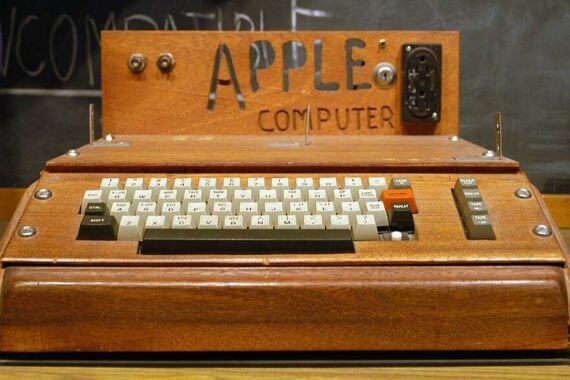
The year 1976, the year of Apple’s inception, was a period of significant technological advancement and cultural shifts. The Bicentennial celebrations in the United States underscored a sense of national identity and progress, while in the tech world, companies like Intel and Microsoft were also making significant strides. Apple’s entry into this burgeoning market with the Apple I, and later the groundbreaking Apple II in 1977, was a bold move that would eventually challenge the dominance of established players and pave the way for the personal computer revolution. By 1984, the introduction of the Macintosh, with its revolutionary graphical user interface and mouse, further cemented Apple’s reputation for innovation and user-centric design.
In the subsequent decades, Apple continued to push boundaries. The iPod, launched in 2001, redefined portable music consumption, and the iPhone, introduced in 2007, fundamentally altered the way people interact with technology, the internet, and each other, ushering in the era of the smartphone. The iPad, released in 2010, created a new category of personal computing devices. These products, alongside their associated software and services like the App Store and Apple Music, have become deeply integrated into the daily lives of billions worldwide.
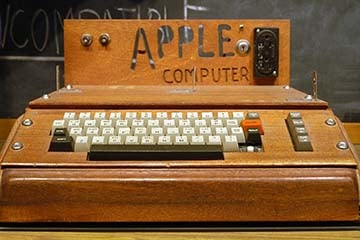
As Apple approaches its 50th anniversary, the media landscape will undoubtedly be saturated with retrospectives. Major news outlets will delve into the company’s storied history, profiling its visionary founders, examining its periods of challenge and triumph, and analyzing its enduring legacy. For e-commerce content marketers, this provides an exceptional opportunity to tap into a global wave of nostalgia and interest. Businesses can leverage this anniversary to create content that resonates with a broad audience, fostering brand affinity and driving engagement.
Content Opportunities for Apple’s 50th Anniversary:
- "Then and Now" Product Comparisons: Showcase how early Apple products, like the Apple II or the original Macintosh, compare to their modern-day counterparts. This can be particularly effective for tech retailers or businesses selling accessories that have evolved alongside Apple devices.
- The Evolution of Digital Creativity: Explore how Apple products have empowered artists, musicians, designers, and writers over the past five decades. This could involve interviews with creators or curated collections of work made possible by Apple technology.
- "A Day in the Life" Through Apple’s Ecosystem: For businesses selling lifestyle or productivity products, demonstrate how Apple devices and services can enhance daily routines, from morning commutes to evening relaxation.
- Nostalgic Throwbacks: Create content that evokes memories of using early Apple products, appealing to a demographic that grew up with or adopted these technologies in their formative years. This could include quizzes, "remember when" articles, or social media campaigns.
- Future of Technology Discussions: Position Apple’s 50th anniversary as a springboard to discuss the future of personal computing, mobile technology, and artificial intelligence, linking it to the company’s historical trajectory of innovation.
The sheer ubiquity and cultural significance of Apple ensure that its 50th anniversary will be a topic of widespread discussion, offering a golden opportunity for businesses to align their content with a globally recognized and celebrated event.
National Burrito Day: A Celebratory Feast of Flavor and Adaptability
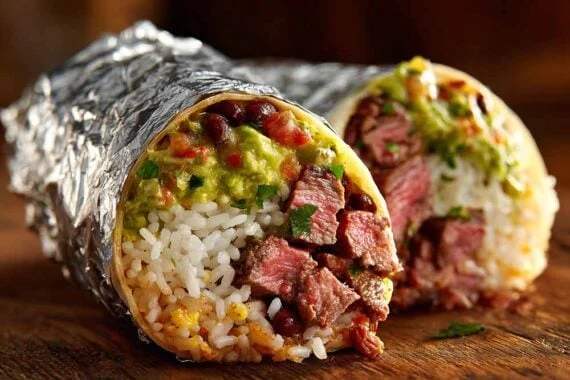
The first Thursday in April, which in 2026 falls on April 2nd, is designated as National Burrito Day. This unofficial holiday celebrates one of the most beloved and versatile dishes in Mexican-American cuisine. The burrito, translating to "little donkey" in Spanish, is believed to have originated in the northern Mexican states of Sonora or Chihuahua. Its design, a flour tortilla wrapped around a filling, was a practical solution for laborers seeking a portable and filling meal. The use of wheat flour tortillas, a characteristic of Northern Mexican cuisine, made the burrito an ideal vessel for ingredients like beans, meats, and vegetables.
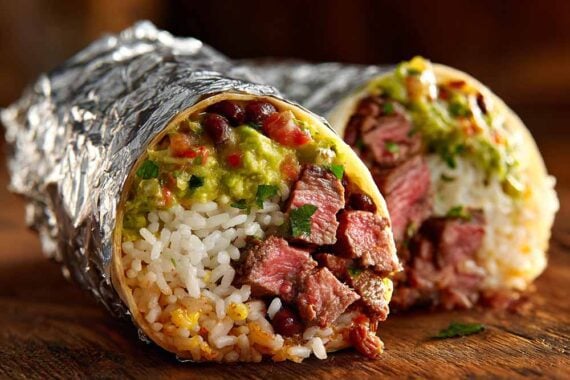
The migration of Mexican workers to the United States in the early 1900s brought the burrito north, where it began to evolve. By 1930, El Cholo Spanish Café in Los Angeles is credited with being one of the first restaurants to add the burrito to its menu, marking its entry into mainstream American dining. The burrito’s journey continued with significant innovations. In 1956, Duane R. Roberts is credited with inventing the first frozen burrito, a development that would dramatically increase its accessibility and popularity across the country. Later, in 1961, El Faro restaurant in Los Angeles is said to have introduced the "mission-style" burrito, a larger, foil-wrapped version that became a staple in California and beyond. The "California burrito," a distinct variation featuring carne asada, French fries, cheese, guacamole, and sour cream, further exemplifies the dish’s regional adaptations and culinary creativity.
The burrito’s adaptability is its greatest strength, making it a versatile theme for a wide array of e-commerce businesses. Its global appeal, coupled with its diverse ingredient possibilities, allows for creative content that can connect with various consumer interests.
Content Opportunities for National Burrito Day:
- Culinary Content: For food retailers, restaurants, or cookware brands, this day is a natural fit. Content could include recipes for homemade burritos, guides to regional burrito variations, or "best burrito spots" lists for specific cities.
- Ingredient Spotlights: Businesses selling food products, from tortillas and beans to spices and meats, can highlight their offerings by showcasing how they contribute to the perfect burrito. This could involve recipe development or educational content about sourcing quality ingredients.
- Lifestyle and Entertaining: For brands in home goods, party supplies, or casual dining, content could focus on hosting a "burrito bar" for friends and family, offering tips on setup, décor, and complementary beverages.
- Health and Nutrition: For health-focused brands or those selling dietary products, content could explore healthier burrito fillings, low-carb tortilla options, or vegetarian/vegan burrito recipes.
- Cultural Exploration: Businesses with a broader lifestyle focus could delve into the cultural significance of the burrito, its history, and its role in various communities, perhaps linking it to travel or authentic culinary experiences.
National Burrito Day offers a lighthearted yet popular hook for businesses to engage consumers through the universal language of food, celebrating a dish that has become a global culinary phenomenon.
Navigating Google Discover: Optimizing Content for Algorithmic Discovery
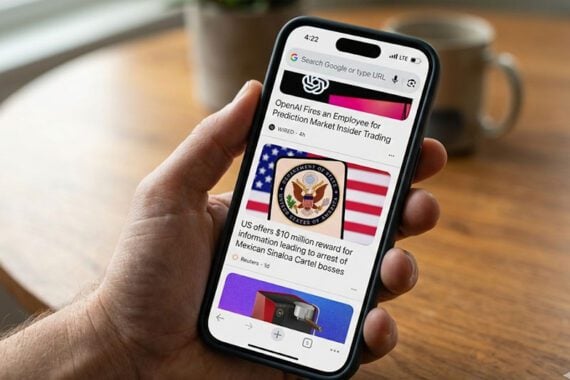
While not a specific date, April 2026 presents an opportune time for e-commerce businesses to refine their strategies for Google Discover. This feature, integrated within the Google app and on Android devices, represents a significant departure from traditional search engine optimization. Instead of responding to explicit user queries, Discover proactively serves content based on a user’s demonstrated interests, browsing history, and engagement patterns. This algorithmic approach favors visually rich, timely, and engaging content that establishes topical authority.
Google Discover’s methodology is built on understanding user intent and predicting what content might be of interest before a query is even typed. According to Google’s own research and guidelines, content that performs well on Discover typically exhibits several key characteristics:
- High-Quality, Engaging Content: Articles that are well-written, informative, and provide unique insights tend to perform better.
- Strong Visuals: Eye-catching images and videos are crucial for capturing user attention within the Discover feed. Google often prioritizes content with high-resolution images that are at least 1200 pixels wide.
- Topical Authority: Demonstrating expertise and comprehensive coverage within a specific niche can signal to Google that your content is a valuable resource.
- Timeliness and Freshness: While evergreen content has its place, Discover often favors content that is new, relevant to current events, or offers fresh perspectives on trending topics.
- User Engagement: Content that encourages interaction, such as comments or shares, can also be a positive signal.
For e-commerce marketers, understanding and leveraging Google Discover can unlock a new stream of traffic that is often highly qualified, as it’s driven by genuine user interest. The challenge lies in adapting content creation and optimization strategies to align with Discover’s unique algorithmic preferences.
Content Strategy for Google Discover in April 2026:
- Audience Interest Analysis: Utilize tools like Google Search Console to identify topics and content formats that have previously performed well on Discover. Analyze patterns in user behavior and interests related to your niche.
- Visual Content Enhancement: Invest in high-quality photography and videography. Ensure images are appropriately sized and visually appealing, as they are the primary gateway to clicking through to an article.
- Topical Deep Dives: Develop comprehensive content series or pillar pages that explore specific topics in depth. This demonstrates expertise and provides multiple entry points for users interested in that subject.
- Trend Spotting and Reactivity: Monitor trending topics within your industry and beyond. Create timely content that offers unique perspectives or valuable information related to these trends.
- Experimentation and Analysis: April 2026 offers a perfect window to conduct A/B tests on different content formats, headlines, and visual approaches. Regularly review Discover performance data in Search Console. An advanced strategy could involve using AI tools like ChatGPT or Gemini to analyze existing Discover-performing content for common themes, writing styles, or keyword patterns, and then applying these insights to future content creation.
By proactively optimizing content for Google Discover, e-commerce businesses can tap into a powerful, interest-driven traffic source that complements traditional search efforts and drives engaged visitors to their sites.
National Beer Day: A Toast to History, Culture, and Commerce
April 7th marks National Beer Day, a commemoration with roots in a significant moment in American history: the end of Prohibition. On April 7, 1933, the Cullen-Harrison Act was signed into law, legalizing the sale of beer containing up to 3.2% alcohol by weight. This legislation was a pivotal step towards the full repeal of Prohibition, which had been in effect since 1920, profoundly impacting American society, economy, and culture. The passage of the 21st Amendment later that year officially ended the nationwide ban on alcohol.
Since the end of Prohibition, beer has evolved from a widely restricted beverage to one of America’s most consumed and culturally significant drinks. The industry has seen dramatic transformations, from the dominance of large, macrobreweries to the explosion of craft brewing, introducing an unprecedented diversity of styles, flavors, and alcohol content. Beer has become intertwined with various aspects of American life, serving as a social lubricant at gatherings, a companion to sporting events, an element in culinary pairings, and a reflection of regional identity and artisanal craftsmanship.
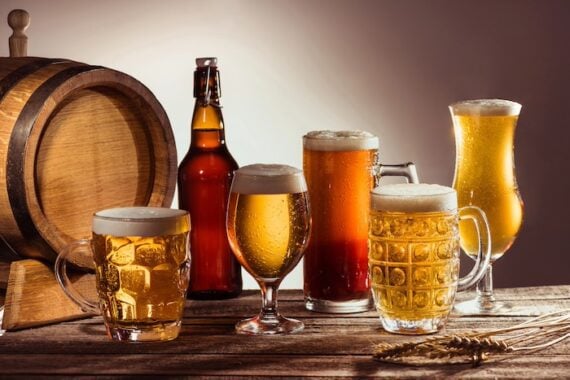
The vast spectrum of beer styles, from light lagers and crisp pilsners to hoppy IPAs, rich stouts, and complex sours, reflects a global tapestry of brewing traditions and evolving consumer tastes. This diversity makes National Beer Day a highly versatile theme for content marketers across numerous e-commerce sectors.
Content Opportunities for National Beer Day:
- Beverage and Food Retailers: This is an obvious fit. Content can include guides to different beer styles, pairing suggestions with food items, virtual beer tastings, or promotions on specific brands or craft selections. Businesses selling related accessories, like glassware or openers, can also capitalize.
- Lifestyle and Apparel Brands: Content can explore the "beer lifestyle," associating brands with outdoor activities like camping or hiking, where beer is often enjoyed. Apparel can be designed with subtle nods to brewing or beer culture.
- Travel and Experiential Businesses: Highlight breweries as destinations, craft beer tours, or the cultural significance of beer in different regions. Content can inspire travel plans centered around beer festivals or brewery visits.
- Home Goods and Entertainment: For brands selling barware, coolers, or outdoor entertaining equipment, content can focus on creating the perfect "beer experience" at home, whether for a casual get-together or a more formal tasting event.
- Historical and Cultural Content: Explore the history of brewing, the impact of Prohibition, or the evolution of beer consumption. This can appeal to a more informed audience and position brands as knowledgeable within their space.
By connecting National Beer Day to specific product offerings or brand values, e-commerce businesses can create engaging content that celebrates a popular beverage while subtly promoting their goods and services.
National Zipper Day: A Celebration of Everyday Engineering
April 29th is National Zipper Day, commemorating the patent of the first modern zipper by American engineer Gideon Sundback. In 1913, Sundback’s "Hookless Fastener No. 2" laid the groundwork for the ubiquitous zipper we know today. While seemingly a simple and mundane fastener, the zipper represents a significant leap in engineering and design, solving a practical problem with elegant efficiency.
Before the zipper’s widespread adoption, clothing and luggage relied on buttons, laces, hooks, and eyes, which were often time-consuming to fasten, prone to coming undone, and could be less secure. Sundback’s innovation, which interlocked precisely shaped teeth, provided a fast, reliable, and secure closure mechanism. Initially developed for footwear, its potential was quickly recognized and expanded to clothing, luggage, bags, tents, and countless other applications. The zipper’s impact on fashion, travel, and outdoor gear has been profound, enabling more streamlined designs, improved functionality, and enhanced durability.
The zipper’s journey from a novel invention to an indispensable component highlights themes of innovation, craftsmanship, and practical problem-solving – all of which can be leveraged by content marketers.
Content Opportunities for National Zipper Day:
- Fashion and Apparel Retailers: This is a direct connection. Content can focus on the design and craftsmanship of garments featuring zippers, highlighting durability, style, and functionality. Brands can showcase how zippers enhance the fit and wearability of their products.
- Luggage and Outdoor Gear Companies: For brands selling backpacks, suitcases, tents, or sleeping bags, zippers are critical components. Content can emphasize the quality and robustness of their zippers, discussing water resistance, durability under stress, and ease of use in challenging environments.
- DIY and Crafting Businesses: For those involved in sewing, tailoring, or crafting, National Zipper Day can be an opportunity to share tutorials on zipper installation, repair, or creative uses of zippers in craft projects.
- Product Design and Engineering Focus: Businesses with a strong emphasis on innovation or engineering can use this day to discuss the principles of good design, the evolution of everyday objects, and the importance of reliable components.
- "Behind the Seams" Content: Explore the manufacturing process of products that rely heavily on zippers, showcasing the attention to detail and quality control involved in their production.
National Zipper Day, though perhaps less celebrated than other holidays, offers a unique opportunity for businesses to highlight the importance of functional design and the quality of components that underpin their products, appealing to consumers who value durability and thoughtful engineering.
In conclusion, April 2026 provides a diverse array of content marketing opportunities for e-commerce businesses. By thoughtfully integrating themes from technological anniversaries like Apple’s 50th, culinary celebrations like National Burrito Day and National Beer Day, and the recognition of everyday innovations like the zipper, alongside strategic content optimization for platforms like Google Discover, businesses can create engaging narratives that capture consumer attention and drive meaningful results. The key lies in identifying relevant connections between these themes and a brand’s unique value proposition, crafting content that is both timely and resonant.

