
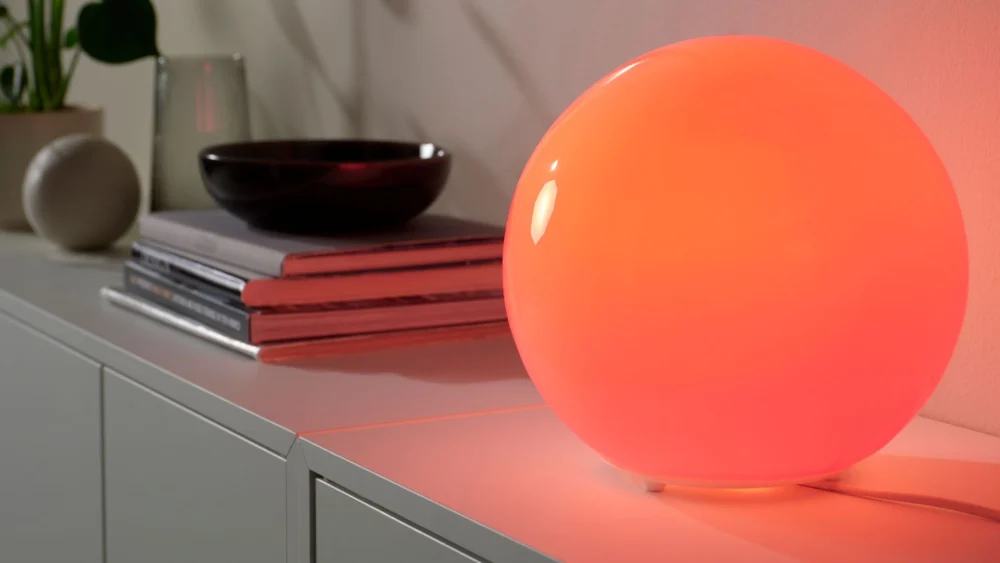
The much-anticipated launch of IKEA’s Matter-compatible smart bulbs has officially arrived in the United States, marking a significant step in the Swedish furniture giant’s commitment to an interconnected smart home ecosystem. These new lighting solutions, part of IKEA’s broader strategy to embrace the emerging Matter standard, have begun appearing on the company’s online store and in select retail locations nationwide, several months after their initial announcement. This rollout signifies IKEA’s intent to democratize smart home technology by offering accessible and interoperable lighting options.
The Significance of Matter and Thread Integration
The core innovation differentiating these new IKEA bulbs lies in their native support for Matter over Thread. Matter, a unified connectivity standard developed by the Connectivity Standards Alliance (CSA), aims to simplify smart home device management by ensuring interoperability across different brands and platforms. Thread, a low-power, IP-based wireless networking protocol, acts as a crucial communication backbone for Matter devices, enabling them to form a robust and reliable mesh network.
Historically, the smart home landscape has been fragmented, with proprietary ecosystems often limiting device compatibility. Consumers have frequently faced the dilemma of choosing between Apple HomeKit, Amazon Alexa, Google Home, or other platforms, with devices from one ecosystem often refusing to play nicely with another. Matter, with Thread as a key enabler, seeks to dismantle these barriers. In theory, the new IKEA bulbs, by adhering to these standards, should integrate more seamlessly with a wider array of smart home hubs and voice assistants, including Apple Home, Amazon Alexa, and Google Home, without requiring complex workarounds or brand-specific gateways. The low-power nature of Thread also contributes to improved energy efficiency and extended battery life for compatible devices, a benefit that extends to the lighting solutions themselves.
IKEA’s Continued Push for Affordable Smart Home Solutions
IKEA has long established itself as a provider of budget-friendly smart home products, often presenting a more accessible alternative to premium brands like Philips Hue. This pricing strategy has been instrumental in introducing a broader consumer base to the conveniences of connected living. The new Matter-enabled smart bulbs continue this tradition. The entry-level Kajplats E26 smart white bulb, offering 450 lumens of brightness, is priced competitively at just $5.99. This aggressive pricing aims to lower the barrier to entry for consumers looking to upgrade their home lighting to smart capabilities.
The product line offers a variety of options to cater to different needs and preferences. Consumers can choose from bulbs with E26 and E12 fittings, accommodating various lamp sockets. Brightness levels vary, with options extending up to a robust 1,600 lumens for those requiring more illumination. Furthermore, users can select between white spectrum lighting, allowing for adjustments in the intensity of white light, or full-color support, enabling dynamic mood lighting and creative illumination schemes. Prices for these more advanced models range up to $13.99. Recognizing the need for a complete setup, IKEA is also offering starter kits. These bundles typically include a smart bulb and its Bilresa wireless remote, providing a convenient and cost-effective way to begin building a smart lighting system, with prices starting at $9.99.
A Rollout Marred by Initial Connectivity Hiccups
Despite the promising technological advancements and competitive pricing, the launch of IKEA’s Matter-compatible smart bulbs has not been without its challenges. Reports from early adopters have surfaced, detailing instances of difficulty in connecting the new bulbs to IKEA’s own Dirigera smart home hub, as well as to other Matter-compliant platforms. These connectivity issues have led to frustration for some users who were anticipating a straightforward setup experience.
IKEA has publicly acknowledged these early adoption problems. In response, the company has indicated that it has deployed a firmware update specifically designed to address what it terms "Matter onboarding stability." This proactive measure suggests that IKEA is aware of the technical hurdles and is working diligently to resolve them. However, the extent to which this update has fully rectified the connectivity issues for all users remains to be seen. The success of this firmware update will be crucial in building consumer confidence and ensuring a positive long-term experience with the new smart lighting range.
Broader Implications for the Smart Home Market
The introduction of Matter-compatible devices from a major retailer like IKEA carries significant weight for the future of the smart home industry.
Democratization of Smart Home Technology
IKEA’s consistent focus on affordability has historically made smart home technology more accessible. By integrating Matter into their lighting products, they are further lowering the barrier to entry. This can accelerate the adoption of smart home devices beyond early adopters and tech enthusiasts, bringing the benefits of automation and enhanced control to a wider demographic. As more affordable Matter-certified devices enter the market, the overall cost of building a comprehensive smart home system will likely decrease, encouraging mainstream adoption.
The Rise of Interoperability
The success of Matter hinges on its ability to deliver on the promise of interoperability. IKEA’s participation, alongside other major players like Apple, Google, and Amazon, lends significant credibility to the standard. If IKEA can successfully overcome the initial connectivity challenges, it will serve as a strong endorsement for Matter and encourage other manufacturers to accelerate their own Matter integrations. This could lead to a more unified and less confusing smart home experience for consumers, where devices from different brands work together seamlessly.
Impact on Established Brands
The entry of affordable, interoperable smart lighting from a brand as recognizable as IKEA poses a challenge to established players like Philips Hue. While premium brands often differentiate themselves through advanced features, extensive product lines, and established ecosystems, IKEA’s pricing and Matter compliance could sway price-sensitive consumers. This competitive pressure may incentivize established brands to innovate further, refine their own offerings, and potentially adjust their pricing strategies to remain competitive in an evolving market.
The Importance of the Dirigera Hub
The Dirigera hub plays a central role in IKEA’s smart home strategy, acting as the central point of control for many of its connected devices. The reported connectivity issues with the Dirigera hub in relation to the new Matter bulbs highlight the importance of a stable and reliable hub infrastructure. As the smart home ecosystem grows more complex, the performance and compatibility of these central hubs become increasingly critical. IKEA’s ongoing efforts to improve the Dirigera’s functionality and Matter integration will be key to its success.
The Future of Wireless Smart Home Communication
The emphasis on Thread as a foundational technology for Matter is noteworthy. Thread’s mesh networking capabilities, low power consumption, and IP-based architecture offer a compelling alternative to established wireless protocols like Wi-Fi and Bluetooth for many smart home applications. The successful implementation of Thread in IKEA’s lighting products, and its wider adoption through Matter, could pave the way for a more robust and efficient wireless infrastructure for the smart home of the future. This could lead to improved device responsiveness, reduced network congestion, and enhanced energy efficiency across the board.
Looking Ahead: Stability and Consumer Confidence
The initial rollout of IKEA’s Matter-compatible smart bulbs presents a classic case study in the challenges of introducing new, interoperable smart home technology. While the promise of seamless integration and affordability is immense, the reality of early adoption often involves unforeseen technical hurdles. IKEA’s swift response to reported issues with a firmware update is a positive sign, demonstrating a commitment to customer satisfaction and product improvement.
The long-term success of these bulbs, and indeed IKEA’s broader smart home ambitions, will depend on several factors:
- Resolution of Connectivity Issues: The effectiveness of the firmware update in permanently resolving onboarding and connectivity problems will be paramount. Consumers expect a smooth setup experience, and any lingering issues could deter future purchases.
- Continued Matter Adoption: The broader success of the Matter standard itself will influence the reception of IKEA’s products. As more devices and platforms embrace Matter, the benefits of IKEA’s compatible lighting will become more apparent.
- Product Evolution: IKEA’s commitment to expanding its smart home range with Matter-certified products will be crucial. Consumers are likely to seek a comprehensive ecosystem of smart devices from brands they trust.
- User Support and Education: Clear communication and robust customer support from IKEA regarding Matter setup and troubleshooting will be vital in building user confidence and facilitating wider adoption.
The arrival of IKEA’s Matter-compatible smart bulbs in the US is a significant development, signaling a continued shift towards a more open and interconnected smart home. While the journey has encountered some initial bumps, the potential for these affordable and interoperable lighting solutions to reshape the consumer smart home landscape remains substantial. The coming months will reveal whether IKEA can successfully navigate these early challenges and solidify its position as a key player in the democratized smart home revolution.

