
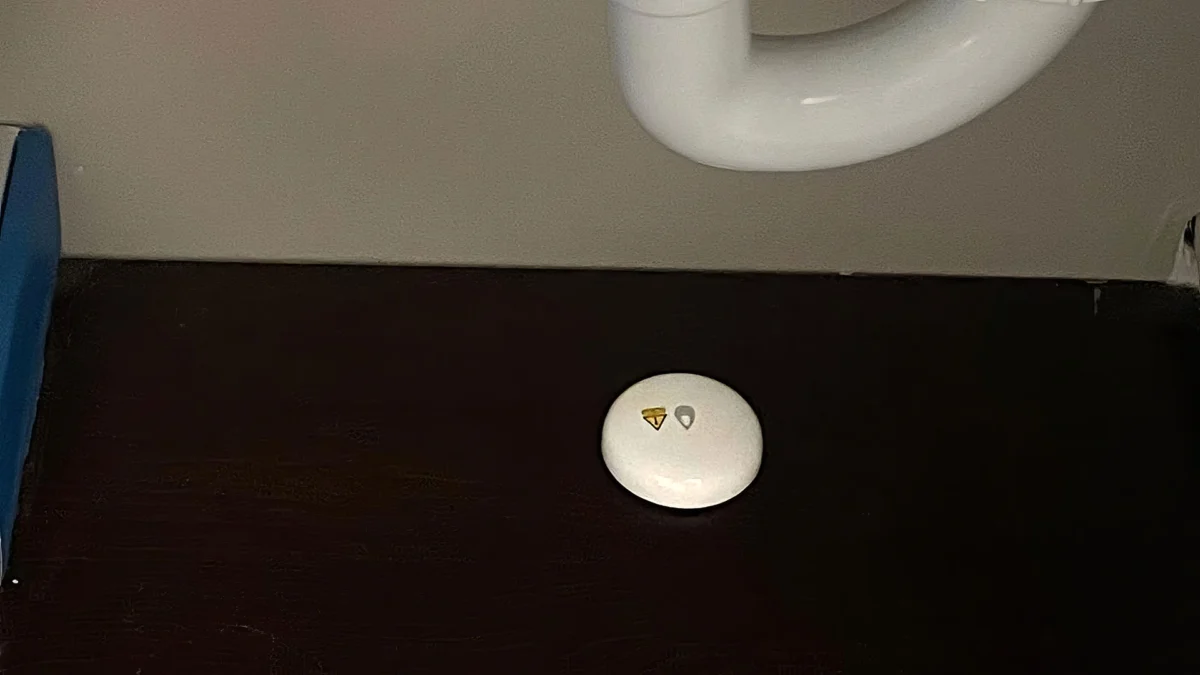
The Aqara Water Leak Sensor presents itself as a discreet yet potent solution for safeguarding homes and properties against the pervasive threat of water damage. This compact, puck-like device, designed for unobtrusive placement beneath appliances, integrates seamlessly into modern smart home ecosystems, offering both robust detection capabilities and the potential for automated damage mitigation. Its standout feature lies in its compatibility with the Matter standard (via an Aqara Hub), promising broad interoperability with a multitude of third-party smart home devices. Furthermore, its synergy with the Aqara Valve Controller T1 elevates its utility from mere detection to proactive intervention, enabling automatic shut-off of water supply upon leak identification. While its rapid detection and timely app notifications are commendable, the absence of an integrated audible alarm is a notable limitation.
Introduction to Aqara’s Expanding Smart Home Portfolio
Aqara has consistently demonstrated a commitment to building a comprehensive smart home ecosystem, a strategy that enhances the utility and automation potential of individual devices. The Aqara Water Leak Sensor exemplifies this approach. When integrated with an Aqara Hub, such as the M3 Hub, it joins a growing network of interconnected devices, allowing for sophisticated automation routines. This interoperability is further bolstered by support for both Zigbee, a widely adopted low-power wireless protocol for smart home devices, and the emerging Matter standard. Matter aims to simplify smart home connectivity by providing a unified framework for devices from different manufacturers to communicate. The Aqara Water Leak Sensor, priced competitively, is lauded for its straightforward pairing process and ease of deployment, making it an accessible entry point for users looking to enhance their home’s safety and automation.
Design and Physical Attributes: Discreet Power
The Aqara Water Leak Sensor boasts a sleek, puck-shaped design, measuring a mere 15mm in height, which allows it to be easily concealed in tight spaces, such as beneath washing machines, dishwashers, or refrigerators. Its construction features an IP67 rating for dust and water resistance, ensuring durability in potentially damp environments. The shell is crafted from anti-UV material, which helps to prevent degradation from prolonged exposure to light. Powering the device is a single CR2032 coin cell battery, conveniently housed behind a panel on the rear of the sensor. This panel is designed for tool-free access, requiring only a coin for removal, facilitating straightforward battery replacement.
The manufacturer claims an impressive battery life of over two years for a single CR2032 cell, a significant advantage that minimizes maintenance frequency and user inconvenience. This extended operational period contributes to the sensor’s overall cost-effectiveness and reliability. The sensor’s wireless nature is crucial for its discreet placement, allowing it to be positioned away from power outlets. Its sensitive probes, located on the underside of the device, are designed to be durable and responsive to even small amounts of moisture.

Pairing the sensor with an existing Aqara Hub, such as the Aqara Hub M3, is reportedly a simple and swift process. Initial setup typically involves a single button press on the sensor and a brief period of light indicators before successful pairing is confirmed. A key consideration for optimal performance is the device’s wireless range. Aqara specifies a recommended placement within 400 inches (approximately 10 meters) of a compatible Hub. While this range is generally sufficient for most domestic setups, it could present a challenge in larger homes or properties with significant signal obstruction.
Key Features: Detection, Automation, and Environmental Monitoring
The primary function of the Aqara Water Leak Sensor is, as its name suggests, the detection of water. Upon encountering moisture, the sensor immediately triggers an alert, which is transmitted directly to the user’s smartphone via the Aqara Home app. This provides near real-time notification of potential leaks, allowing for prompt action.
A significant advancement in the Aqara ecosystem is the ability to integrate the Water Leak Sensor with the Aqara Valve Controller T1. This powerful combination transforms the sensor from a passive alert device into an active guardian. When the Water Leak Sensor detects a leak, it can be programmed to send a command to the Valve Controller T1, which then automatically shuts off the main water supply to the property. This automation is particularly invaluable for preventing extensive damage when homeowners are away, mitigating the risk of catastrophic water loss.
While the sensor communicates wirelessly with the Aqara Hub using Zigbee, its Matter compatibility, facilitated by the Hub, opens up a world of external automation possibilities. This means users can incorporate the sensor’s data into routines managed by other Matter-compliant smart home platforms, offering greater flexibility and customization.
Beyond water detection, the Aqara Water Leak Sensor is equipped with a built-in temperature sensor. This secondary sensing capability adds another layer of utility, enabling users to monitor ambient temperature and receive alerts for conditions that could lead to frozen pipes. This is a crucial feature for homeowners in colder climates, as frozen pipes can burst and cause severe water damage. While the current iteration does not offer direct climate control, the integration of temperature sensing suggests potential for future automation with smart thermostats, such as the Aqara W200.

Performance Evaluation: Responsiveness and Placement Considerations
In real-world testing, the Aqara Water Leak Sensor demonstrated excellent performance. Users reported no instances of false alarms or failed detection responses. Each test, involving varying amounts of moisture contact, resulted in swift and reliable alerts. The underlying Zigbee connectivity proved effective in ensuring rapid transmission of notifications to the user’s device.
The compact size of the sensor facilitates its placement in numerous hard-to-reach areas. However, a critical aspect of its design is the placement of the detection probes exclusively on the bottom surface of the device. This means the sensor must lie flat and come into direct contact with pooled water to trigger an alert. It is incapable of detecting drips on its top surface or standing water that has not yet reached its base. Therefore, optimal placement requires ensuring that the sensor is positioned where water is likely to accumulate or flow.
A notable point of feedback from users is the absence of an integrated audible alarm. All alerts are delivered solely through the Aqara Home app notifications. While these app alerts are fast and clear, an audible siren or beep from the device itself would provide an immediate, localized warning, which could be crucial in situations where a smartphone is not readily accessible or its notifications are missed.
Concluding Remarks: A Reliable, Integrated Solution with Minor Drawbacks
The Aqara Water Leak Sensor stands out as a reliable and discreet smart home device, offering significant value for its price point. Its primary limitation is the lack of an integrated speaker, meaning all alarms are solely reliant on app notifications. While the device’s small form factor and versatility are key strengths, users must be mindful of the recommended placement within 400 inches of a Hub for a stable connection. Despite this range consideration, its discreet nature allows it to be unobtrusively positioned, such as in a bathroom, even if it’s at the further edge of the Hub’s effective range.
For individuals already invested in the Aqara ecosystem or those leveraging Matter and Zigbee for their smart home setups, the Aqara Water Leak Sensor offers compelling automation capabilities. The potential to integrate it with the Aqara Valve Controller T1 to automatically shut off water supply elevates its protective function beyond simple detection, providing a robust defense against potentially devastating water damage. Its palm-sized design, coupled with its performance and integration options, makes it a worthwhile addition to any smart home security strategy.

Testing Methodology: Rigorous Long-Term Evaluation
The reviews provided by this publication are the result of extensive, long-term testing, often referred to as "living with" the devices. Smart water leak sensors, like most smart home components, are designed to operate within a broader ecosystem and perform specific functions over extended periods. A short-term evaluation of a week is insufficient to gauge their true reliability, responsiveness, and potential for integration within a user’s existing smart home setup.
The editorial team’s daily engagement with smart home technology allows for a nuanced understanding of what truly matters to consumers. This expertise enables objective comparisons against alternative products that users might be considering. Reviews are conducted with a commitment to comprehensiveness, objectivity, and fairness, ensuring that no direct payment influences the device’s assessment.
Frequently Asked Questions
Do you need a hub to use the Aqara Water Leak Sensor?
Yes, this Zigbee-based device requires a compatible Aqara Hub to function. The hub acts as the central point for communication and integration with other smart home systems.
Is the Aqara Water Leak Sensor Matter compatible?
Yes, the Aqara Water Leak Sensor is Matter compatible when connected to an Aqara Hub. This compatibility allows it to integrate with a wider range of smart home platforms and devices.
Aqara Water Leak Sensor: Technical Specifications
| Specification | Details |
|---|---|
| Type | Water leak sensor |
| UK RRP | £20 |
| US RRP | $20 |
| Dimensions (Height) | 15mm |
| Release Date | 2025 |
| Smart Home Ecosystems | Aqara, Matter |
| Battery Life | Up to two years |
| Battery Type | 1x CR2032 |
Broader Implications and Market Context
The increasing prevalence of smart home technology has brought about a greater emphasis on proactive home maintenance and disaster prevention. Water damage remains one of the most common and costly types of home insurance claims. According to industry data, the average cost of water damage claims can run into thousands of dollars, impacting both the financial stability and the comfort of homeowners. Devices like the Aqara Water Leak Sensor directly address this concern by providing an affordable and accessible solution.

The integration with Matter is a significant development, signaling a move towards greater standardization and interoperability in the smart home market. As Matter gains traction, consumers will benefit from increased choice and flexibility in building their smart home systems, with devices from different manufacturers working together seamlessly. This trend is likely to accelerate the adoption of smart home security and automation solutions.
Furthermore, the inclusion of a temperature sensor, while not revolutionary, adds a valuable layer of functionality, particularly for regions prone to freezing weather. This dual-sensing capability positions the Aqara Water Leak Sensor as a more comprehensive environmental monitoring tool, capable of preventing both water damage from leaks and potential pipe bursts due to extreme cold. The potential for future integration with thermostats suggests a pathway towards a more holistic smart home climate and safety management system.
The competitive pricing of the Aqara Water Leak Sensor, coupled with its feature set, makes it an attractive option for a broad range of consumers, from tech-savvy early adopters to those seeking practical, budget-friendly home protection solutions. As the smart home market continues to mature, devices that offer tangible benefits like damage prevention and enhanced safety are expected to see continued growth in demand. The evolution of such devices, moving from simple notification systems to integrated control solutions, signifies a maturing market focused on delivering practical value to end-users.

