
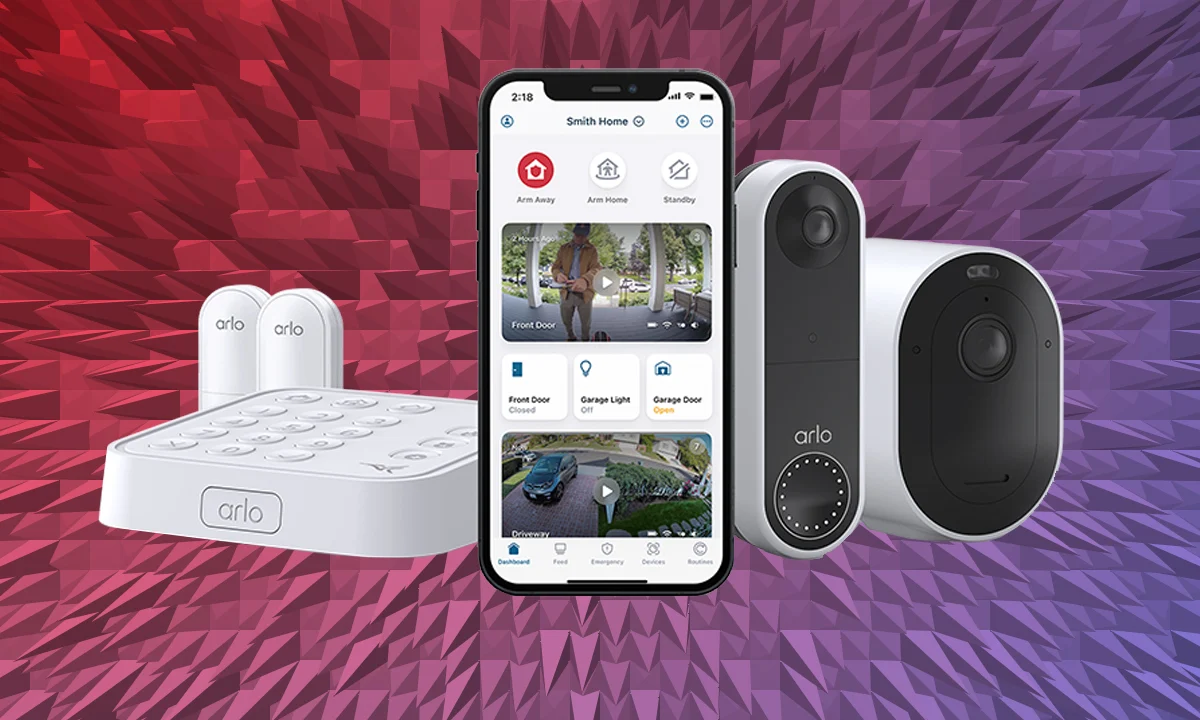
Arlo, a prominent name in the smart home security landscape, has significantly bolstered its AI-powered system with the introduction of a new Emergency SOS feature. This strategic enhancement aims to provide users with expedited access to emergency services, marking a pivotal step in Arlo’s ongoing commitment to refining real-time threat response capabilities for consumers. The innovation builds upon the existing foundation of Arlo’s Early Warning System, which leverages sophisticated artificial intelligence to identify and distinguish between various types of activity, including the presence of people, vehicles, and even fire. This development underscores a broader industry trend where smart home security solutions are increasingly prioritizing automated threat recognition to proactively safeguard residences.
The integration of the Emergency SOS button directly within the Arlo mobile application offers a streamlined pathway for users to contact local emergency services with a single tap. This functionality is activated when the system’s connected security cameras detect suspicious activity, effectively bridging the gap between initial alert and active intervention. By empowering users to initiate emergency calls directly, Arlo is transitioning its security system from a primarily passive monitoring tool to a more dynamic, responsive platform, aiming to significantly reduce the critical time lag between an alert being received and decisive action being taken during a potential security incident.
Expedited Access: Lock Screen Integration for Critical Moments
A key innovation accompanying the Emergency SOS feature is its accessibility directly from a smartphone’s lock screen. This crucial design choice allows users to trigger emergency contacts without the need to unlock their device or navigate through the complex menus of the Arlo application. In high-pressure situations, where every second counts, this reduction in friction can be paramount. The ability to immediately activate the SOS function during events like unexpected break-ins or other urgent threats detected by home surveillance systems could prove to be a life-saving advantage.
Furthermore, the lock screen integration provides users with the capability to preview camera alerts directly. This allows for a rapid, at-a-glance assessment of the situation, enabling users to quickly determine if an escalation to emergency services is warranted or if the detected activity can be safely monitored without immediate intervention. This intelligent preview system aims to reduce false alarms and empower users with more informed decision-making during moments of uncertainty.
Subscription-Based Ecosystem: Advanced Features and Consumer Trends
The new Emergency SOS functionality is not a standalone feature but is integrated within Arlo’s existing subscription tiers. Specifically, it is available to users subscribed to the Early Warning System & SOS plan and the Arlo Secure Pro tier. This bundling strategy aligns with a prevailing trend in the smart home market, where advanced security features and AI capabilities are increasingly offered as part of paid service packages.
This subscription-based model is becoming the norm, as it allows companies like Arlo to continuously invest in and deploy complex AI processing, secure cloud storage solutions, and the development of enhanced features. Rather than relying solely on the inherent capabilities of the hardware, the ongoing services provide the intelligence and connectivity that elevate the user experience and security effectiveness. This approach allows Arlo to offer a more robust and sophisticated security ecosystem that can evolve and improve over time, providing continuous value to its subscribers.
Arlo’s strategic emphasis on merging advanced detection mechanisms with responsive action tools within a unified platform positions its system as a compelling alternative to traditional professional-grade monitoring solutions, while still maintaining accessibility and ease of use for the average consumer. This hybrid approach aims to democratize access to high-level security features, making them more attainable for a broader demographic.
Timeline and Pricing: Rolling Out Advanced Security
The Emergency SOS feature is slated for a phased rollout commencing on March 30th. Arlo has outlined the pricing structure for compatible subscription plans, with options starting at £24.99 per month or an annual commitment of £269.99. These pricing tiers reflect the investment required to develop and maintain the sophisticated AI algorithms, secure cloud infrastructure, and ongoing software updates that power these advanced security functionalities.
Background and Context: The Evolution of Smart Home Security
The introduction of Arlo’s Emergency SOS feature comes at a time of significant evolution within the smart home security sector. For years, the primary focus of home security systems was on alerting homeowners to potential intrusions or dangers. While effective, these systems often placed the burden of immediate action on the user, who would then have to contact authorities. This could be a stressful and time-consuming process, especially in a moment of panic.
The rise of AI and machine learning has begun to transform this paradigm. Companies are now investing heavily in developing systems that can not only detect threats but also analyze them, differentiate between genuine emergencies and benign events, and even initiate preliminary actions. Arlo’s Early Warning System, which predates the SOS feature, is a testament to this trend. By identifying people, vehicles, and fire, the system was already moving towards a more proactive stance. The Emergency SOS feature represents the logical next step in this progression – transforming detection into immediate, actionable response.
The market for smart home security has seen consistent growth. According to Statista, the global smart home market is projected to reach over $200 billion by 2026, with home security being a significant driver of this growth. As more consumers embrace connected devices, the demand for integrated and intelligent security solutions is expected to rise. Arlo’s move to enhance its system with an SOS feature taps into this demand for more comprehensive and responsive security measures.
Supporting Data and Industry Trends
The effectiveness of AI in security is increasingly being quantified. Studies have shown that AI-powered video analytics can significantly reduce the time it takes to identify a threat compared to human monitoring alone. For instance, AI can analyze vast amounts of video footage in real-time, identifying anomalies and patterns that might be missed by a human observer. This is particularly relevant for detecting subtle signs of intrusion or potential hazards.
The trend towards subscription-based services in the smart home industry is also well-documented. Companies like Ring, Nest, and SimpliSafe all offer various subscription tiers that unlock advanced features such as cloud storage, extended warranties, and professional monitoring. This model allows manufacturers to generate recurring revenue, which can then be reinvested into research and development, ensuring their products remain competitive and technologically advanced. For consumers, these subscriptions often provide a more comprehensive and seamless experience, offloading the complexities of data management and advanced feature implementation.
Official Statements and Reactions (Inferred)
While specific official statements beyond the initial announcement are not provided in the original article, it can be inferred that Arlo’s leadership views this update as a critical advancement in their product offering. The company’s strategic focus on AI and real-time response suggests a deliberate effort to differentiate itself in a crowded market. The emphasis on user experience, particularly with the lock screen integration, indicates a deep understanding of the needs of consumers facing stressful situations.
Industry analysts are likely to view this move positively, recognizing Arlo’s commitment to innovation and its alignment with consumer expectations for smarter, more responsive home security. Competitors will likely be prompted to evaluate their own offerings and potentially accelerate the development of similar features to remain competitive. The move also reinforces the idea that the future of home security lies not just in cameras and sensors, but in the intelligent integration of these devices with robust software and responsive services.
Broader Impact and Implications: Shifting the Landscape of Home Safety
The introduction of Arlo’s Emergency SOS feature has several significant implications for the smart home security market and for consumers.
Firstly, it democratizes access to rapid emergency response. Historically, direct access to emergency services was primarily a feature of professional monitoring services, which often came with higher monthly fees and contracts. By integrating this capability into a consumer-friendly app and subscription model, Arlo is making a crucial safety net more accessible to a wider audience.
Secondly, it elevates the role of the smart home security system from a passive observer to an active participant in ensuring safety. The ability to initiate an emergency response directly from the system, especially with the speed offered by lock screen access, transforms the user’s interaction with their security. It moves beyond simple alerts to a more integrated and empowering safety solution.
Thirdly, this development further solidifies the subscription-based model as the dominant force in advanced smart home technology. The ongoing revenue generated from subscriptions allows for continuous innovation and the delivery of sophisticated features like AI-powered threat detection and immediate emergency response. This model benefits both the company and the consumer by ensuring that the technology remains cutting-edge and supported.
Finally, Arlo’s move is likely to spur further innovation across the industry. As consumers become accustomed to these advanced features, the expectation for similar capabilities from other brands will grow. This competitive pressure can lead to a faster pace of development, ultimately benefiting all consumers with safer and more intelligent homes. The integration of AI and direct emergency response represents a significant leap forward in making smart homes not just convenient, but truly secure and responsive to critical situations. The emphasis on reducing response times in emergencies, particularly through user-friendly interfaces like lock screen access, highlights a maturing understanding of what consumers truly need from their home security investments in an increasingly complex world.

