
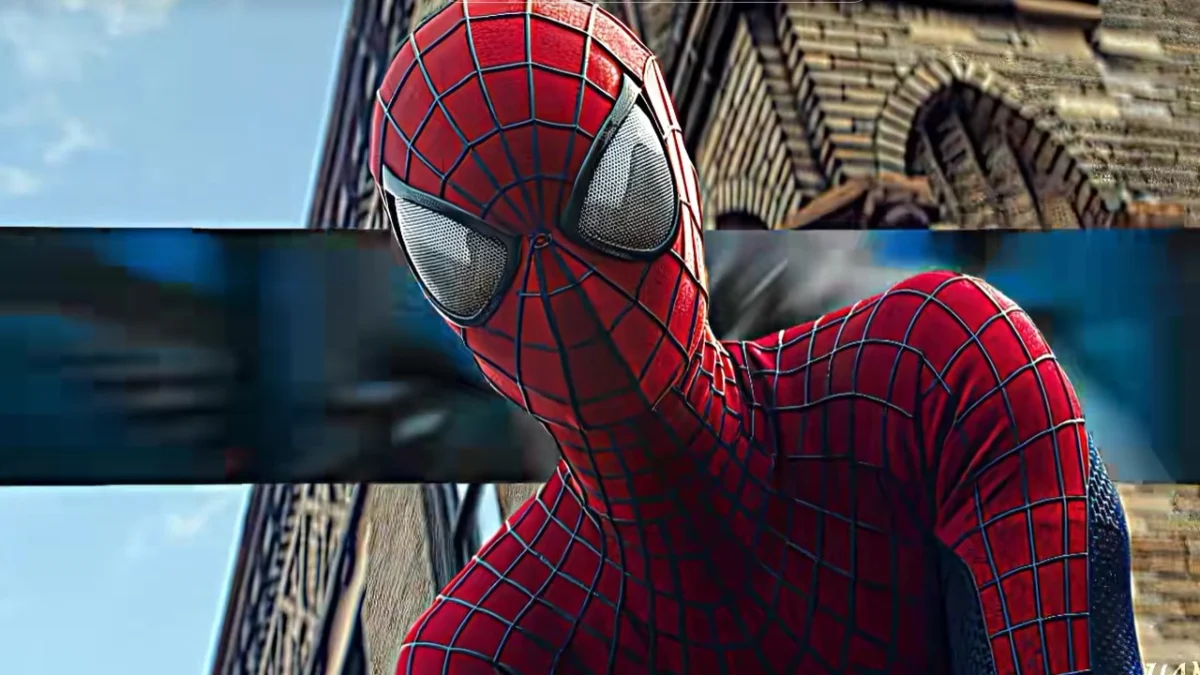
The emergence of the "Polyester Edit" represents a significant shift in the landscape of short-form video content, marking a transition from earnest fan appreciation to a cycle of ironic mockery and algorithmic saturation. Characterized by a specific visual template—a foreground character posed statically while background scenes from their respective media franchise cycle at high speeds—these videos have become a focal point of discussion within the TikTok community. Primarily focusing on characters from the Marvel Cinematic Universe (MCU) and other high-profile comic book properties, the Polyester Edit has evolved from a niche editing style into a widely recognized meme, often used to critique the perceived decline in the quality of fan-made content.
The term "Polyester Edit" itself is a product of community-driven derision. Much like the synthetic fabric from which it draws its name, the term suggests that these videos are "cheap," mass-produced, and lacking the craftsmanship associated with more traditional or high-effort video editing. As the style gained traction throughout late 2025 and into the summer of 2026, it sparked a broader conversation regarding the role of the TikTok algorithm in promoting "low-effort" content, a phenomenon the community has increasingly labeled as "slop."
The Technical Anatomy of a Polyester Edit
To understand the rise of the Polyester Edit, one must first examine its technical construction. Unlike traditional fan edits or "fancams," which often rely on complex transitions, synchronized beat-matching, and narrative pacing, the Polyester Edit utilizes a rigid, repetitive formula. The edit typically features a high-resolution "PNG" or cutout of a character, such as Robert Downey Jr.’s Tony Stark or Andrew Garfield’s Spider-Man, placed in the center of the frame.
Behind this static or lightly animated foreground element, a rapid-fire sequence of movie clips plays, often at a frame rate that borders on the subliminal. These background clips are frequently subjected to heavy color grading, characterized by extreme saturation and high contrast, a style sometimes referred to by critics as "saturation slop." The auditory component almost exclusively features high-tempo "phonk" music or distorted guitar tracks, such as those produced by artist Rj Pasin, whose sounds have become synonymous with the genre.
The ease with which these edits are produced is a primary driver of their ubiquity. Utilizing mobile editing suites like CapCut, creators can use pre-made templates to overlay character cutouts onto a stream of clips with minimal manual labor. This democratization of editing tools has allowed for a high volume of output, ensuring that the TikTok "For You" page (FYP) remains populated with these visuals, regardless of their perceived artistic merit.
Chronology and Evolution: From Earnestness to Irony
The timeline of the Polyester Edit is a classic example of the digital lifecycle of a trend. While it is difficult to pinpoint a singular "patient zero," the earliest recorded instance of the style appeared on October 17, 2025. This video, posted by TikTok user @jjeditzfilms, focused on the character of Tony Stark. The edit showcased Stark in various iconic poses while scenes from the Iron Man trilogy flashed behind him. At the time of its release, the video was largely viewed as a standard, if somewhat aggressive, fan edit, garnering over 5.7 million views over the following nine months.
As 2025 progressed, the style began to consolidate. On November 16, 2025, user @foryouamvv uploaded a Spider-Man edit that would later become the definitive example of the genre. This specific video utilized the rapid-flash background technique to showcase the various cinematic iterations of the wall-crawler. While initially successful, this edit experienced a massive resurgence in July 2026 due to shifts in TikTok’s recommendation algorithm, which began pushing the year-old content to a new, more cynical audience.
The turning point for the trend occurred on July 16, 2026, when user @useruxia8ob7j1 posted a critique of an Iron Man edit. In the caption, the user described the video as a "100% polyester ahh edit." The use of "polyester" as an adjective for low quality resonated instantly with the platform’s user base. This critique functioned as a linguistic "rebranding" of the style, shifting the perspective from genuine fandom to ironic observation. Within five days, the critique garnered 3.5 million views, effectively codifying the term "Polyester Edit" in the internet lexicon.
The Cultural Response and the "Slop" Discourse
The reaction to the Polyester Edit phenomenon has been polarized, reflecting a deeper divide in digital subcultures. On one side are the "content farms" and younger creators who continue to produce these edits for easy engagement. On the other is a vocal group of "high-effort" editors and meme enthusiasts who view the trend as a symptom of a decaying digital aesthetic.
By mid-July 2026, the mockery of Polyester Edits had become a trend in its own right. On July 18, 2026, TikToker @zekkonic posted a parody that applied the Polyester Edit style to footage from the Disney film Tangled. By placing the hyper-aggressive Marvel editing style over a whimsical animated film, the creator highlighted the absurdity of the format. This parody earned over 700,000 views in just three days, signaling that the community had moved past viewing these edits as genuine tributes.
Further parodies followed, such as the July 19 upload by @shrillcools, which purposefully lowered the quality of an Iron Man edit to emphasize the "slop" nature of the content. This period saw the emergence of the term "Saturation Slop," a derivative of the broader "slop" meme used to describe AI-generated or low-effort digital media intended solely to satisfy an algorithm. The Polyester Edit became the poster child for this movement, representing a point where human-made content began to mimic the mindless, repetitive nature of automated systems.
Data and Algorithmic Influence
The viral nature of Polyester Edits provides a fascinating case study in algorithmic behavior. Data indicates that these videos perform exceptionally well in terms of "retention rate"—a key metric for TikTok’s recommendation engine. The rapid flashing of images and high-energy music creates a sensory overload that discourages users from scrolling away immediately, even if they are not consciously enjoying the content.
Analysis of search interest in July 2026 showed a vertical spike in queries for "Polyester Edit" and "Spider-Man Polyester." This surge was not driven by a newfound love for the style, but by the "hate-watching" and "meme-sharing" cycles that often follow a trend’s peak. The irony of the Polyester Edit is that the very criticisms meant to bury the trend—such as the "polyester" label—actually served to increase its visibility, as the algorithm does not distinguish between positive and negative engagement.
Broader Implications for Digital Media
The rise and fall of the Polyester Edit suggests several implications for the future of online content creation. First, it highlights the increasing tension between "manual" creativity and "templated" creation. As tools like CapCut and AI-driven editors become more sophisticated, the barrier to entry for content creation disappears, leading to a surplus of visually similar content. This surplus inevitably leads to a "devaluation" of the aesthetic, as seen with the derisive "polyester" label.
Second, the trend underscores the power of linguistic framing in internet culture. A style of video that had existed for months without a specific name was transformed into a laughingstock the moment a catchy, derogatory term was applied to it. This demonstrates that in the digital age, the "meta-commentary" surrounding a piece of content is often more influential than the content itself.
Finally, the Polyester Edit phenomenon reflects a growing fatigue among internet users regarding "over-stimulated" media. The transition from appreciating high-energy edits to mocking them as "slop" suggests a potential shift toward more minimalist or authentic content in the coming years.
Conclusion
The Polyester Edit represents a unique moment in 2026 digital history. It is a trend born of fandom, popularized by the ease of modern technology, and ultimately defined by the community’s rejection of low-effort production. While the specific "Spider-Man" and "Iron Man" edits may eventually fade from the "For You" page, the term "polyester" will likely remain a shorthand for any content that prioritizes algorithmic engagement over artistic integrity. As digital platforms continue to evolve, the saga of the Polyester Edit serves as a cautionary tale for creators: in the fast-paced world of internet trends, today’s "viral masterpiece" can easily become tomorrow’s "cheap synthetic slop."

