
August 2026 presents a fertile ground for e-commerce businesses to engage customers through strategic content marketing. With key observances like the back-to-school season, National Relaxation Day, National Aviation Day, World Photography Day, and Labor Day planning, brands have multiple avenues to connect with consumers. Content marketing, the creation and promotion of valuable articles, videos, and podcasts, thrives on reciprocity, fostering customer loyalty by offering helpful guidance and inspirational ideas that lead to purchase decisions. The persistent challenge for marketers lies in consistently identifying engaging topics, and August offers a diverse set of themes to address this need.
Navigating the Back-to-School Season: A Parent-Centric Approach
The back-to-school shopping period is a significant economic driver, with e-commerce poised to capture a substantial share of consumer spending. Emarketer projects U.S. back-to-school retail sales to exceed $85.4 billion in 2026, marking a 3.3% increase from the previous year. This robust market opportunity makes August a critical month for content creation. However, simply reiterating generic school supply lists is no longer sufficient to capture the attention of modern consumers.
For August 2026, a more impactful strategy involves focusing on the primary decision-makers: parents. Parents are not merely shoppers; they are the architects of school-year transitions, managing budgets, coordinating schedules, packing lunches, and ensuring children have the necessary resources. PwC estimates that parents will allocate an average of $922 per student for back-to-school purchases in 2026. Furthermore, children are increasingly influencing purchasing decisions, with 61% of parents allowing their children direct input in online shopping, according to the same PwC report. This highlights the importance of understanding the dynamics within family purchasing units.

The back-to-school season extends beyond acquiring basic supplies, encompassing the broader transition from summer leisure to academic routines. Families grapple with managing school requirements, navigating varying budgets, considering promotional offers, and accommodating children’s preferences. Data from the National Retail Federation indicates that approximately one-third of these shoppers begin their browsing and purchasing activities as early as late June, underscoring the need for early and relevant content.
E-commerce marketers can capitalize on this period by providing tangible support to families as they shift gears from summer to the academic year. Content that addresses the holistic school-year transition, rather than just immediate material needs, is likely to resonate. This could include articles offering advice on budget management for school-related expenses, tips for establishing effective homework routines, strategies for healthy lunch packing, or guides to organizing school supplies and study spaces. For instance, a home goods retailer might offer content on creating an organized and conducive study environment, while a food retailer could provide quick and nutritious lunchbox recipe ideas. The key is to anticipate and address the multifaceted challenges and opportunities that parents face during this pivotal time.
Embracing Serenity: National Relaxation Day as a Content Catalyst
National Relaxation Day, observed annually on August 15, serves as a timely reminder for individuals to pause, de-stress, and prioritize personal well-being. This observance presents a natural alignment for a wide array of product categories, from spa essentials, candles, and premium bedding to artisanal teas, bath salts, and comfortable outdoor furniture like hammocks. The concept of relaxation is highly personal; for some, it might involve engrossing oneself in a book on a patio, while for others, it could manifest through activities such as gardening, grilling, hiking, engaging in creative hobbies like knitting or model building, enjoying music, preparing coffee, walking a pet, or watching a sporting event.
This inherent diversity makes National Relaxation Day a potent content marketing opportunity across numerous sectors. For example, a bookstore could curate reading lists tailored to different relaxation preferences, from fiction to mindfulness guides. A home decor brand might feature content on creating tranquil living spaces, highlighting soothing color palettes and comfortable furnishings. A beverage company could offer recipes for calming teas or refreshing mocktails. Even outdoor gear retailers can tap into this theme by promoting products that facilitate serene outdoor experiences, such as comfortable camping chairs or portable hammocks.

The underlying principle for content creation around National Relaxation Day is to empower consumers to identify and indulge in their preferred methods of unwinding. This could involve articles that explore the science of stress reduction, provide guided meditation techniques, or offer practical tips for incorporating mindfulness into daily routines. The breadth of activities associated with relaxation allows for creative storytelling and product integration that feels authentic and beneficial to the consumer. By framing products as enablers of peace and rejuvenation, businesses can forge a deeper emotional connection with their audience.
Soaring High: National Aviation Day and Its Broad Appeal
National Aviation Day, celebrated on August 19, honors the significant advancements and historical development of flight within the United States. Coincidentally, this date marks the birthday of Orville Wright, one half of the pioneering Wright brothers, born in Dayton, Ohio, in 1871. Their groundbreaking achievement of the first successful powered flight near Kitty Hawk, North Carolina, on December 17, 1903, revolutionized transportation and human perception of distance and possibility.
The establishment of National Aviation Day by Congress in 1939, accompanied by a presidential proclamation by Franklin D. Roosevelt, aimed to foster public interest in aviation. The proclamation encouraged federal buildings to display the U.S. flag and urged Americans to engage in activities promoting aviation awareness. Orville Wright was still alive at the time of this national recognition, adding a poignant layer to the observance.
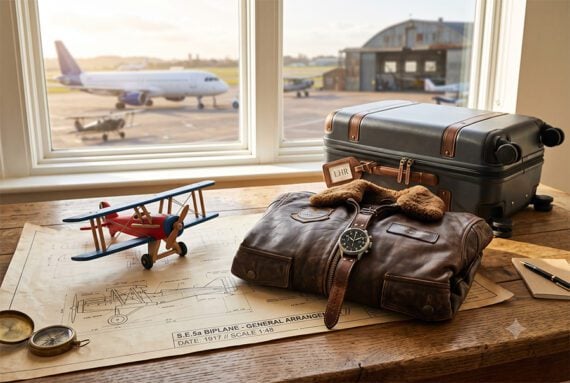
For e-commerce marketers, the theme of aviation offers a surprisingly expansive scope beyond the immediate association with aircraft and travel. It can serve as a gateway to explore diverse interests such as engineering marvels, the rich tapestry of military history, the educational appeal of science for children, the thrill of adventure and speed, and the elegance of design.

This multifaceted nature allows for creative content strategies across various industries. A travel company could develop content around iconic aviation destinations or the history of air travel. A retailer specializing in model aircraft could offer guides on building and collecting various airplane models, appealing to hobbyists and history enthusiasts alike. Children’s brands might create educational content that explains the principles of flight through engaging stories and experiments, linking the wonder of aviation to STEM learning. Even fashion or lifestyle brands could draw inspiration from aviation aesthetics, incorporating vintage pilot motifs or exploring the concept of aspiration and exploration. The key is to connect the inherent romance and innovation of aviation to a broader consumer narrative, demonstrating how this field has shaped modern life and continues to inspire.
Capturing the Moment: World Photography Day’s Visual Narrative
World Photography Day, observed globally on August 19, celebrates the art, science, and historical evolution of photography. Its origins trace back to August 19, 1839, when the French government publicly announced the daguerreotype process, an early photographic technique. This innovation was pivotal in transforming image-making from a highly specialized craft accessible only to a few into a more approachable hobby and a burgeoning profession.
For e-commerce content marketers in August 2026, World Photography Day presents a prime opportunity to enhance or showcase product imagery, the visual cornerstone of online retail. Businesses can leverage this day to highlight the quality and aesthetic appeal of their offerings through meticulously crafted photographs. This might involve creating visually stunning product catalogs, sharing behind-the-scenes glimpses of professional photography shoots, or offering tips on how to best photograph products for online marketplaces.
Beyond self-promotion, an engaging strategy involves inviting customers to participate by submitting their own photographs. A home decor retailer, for instance, could launch a campaign encouraging customers to share images of their spaces featuring the brand’s products, creating a gallery of real-world applications and inspiring user-generated content. Similarly, a fashion brand could solicit photos of customers showcasing their late-summer outfits, fostering a sense of community and providing authentic social proof. A sporting goods store might invite patrons to share their adventures, capturing moments on trails, by lakes, or at campsites, thereby connecting products with the experiences they enable.
Photography, at its core, is about transforming abstract ideas or tangible objects into compelling visual narratives. By encouraging customers to share their visual stories, brands can not only gather authentic marketing assets but also build stronger relationships with their audience. This approach democratizes content creation and leverages the power of peer recommendation, making the brand more relatable and trustworthy. Furthermore, content related to photography can extend to educational topics, such as beginner’s guides to smartphone photography, tips for capturing the perfect product shot, or explorations of different photographic styles, further establishing the brand as a resource and authority.
The Grand Finale of Summer: Labor Day Planning Content
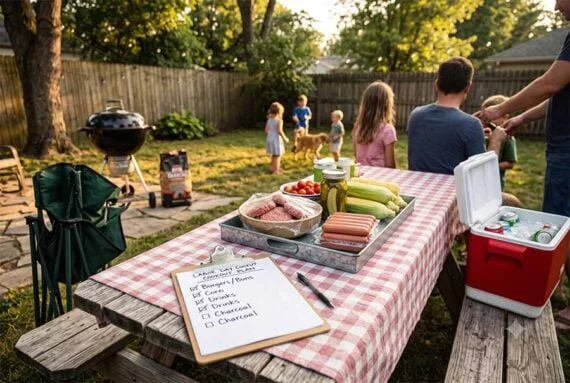
Labor Day, observed on the first Monday in September, falls on September 7, 2026. August is the strategic window for publishing content that assists consumers in planning for this significant holiday weekend. For many, Labor Day signifies the informal conclusion of the summer season, often marked by cherished traditions such as cookouts, camping excursions, backyard home improvement projects, the kickoff of college football, or simply enjoying one last extended weekend before the autumn routine commences.
Planning guides are inherently valuable to consumers because they offer practical assistance in organizing experiences and events. The anticipation of Labor Day weekend provides an ideal context for businesses to offer actionable advice and curated product recommendations. This could include comprehensive guides to hosting the ultimate Labor Day barbecue, complete with recipes, grilling tips, and entertaining ideas. For those planning outdoor adventures, content could focus on essential camping gear checklists, destination guides for last-minute getaways, or tips for maximizing a weekend camping trip.
Home improvement retailers can provide content related to backyard projects, offering step-by-step guides for building outdoor furniture, creating a fire pit, or enhancing garden spaces in preparation for the holiday. Even businesses not directly associated with outdoor activities can find relevant angles. For example, a retailer of board games or indoor entertainment could offer ideas for family activities to enjoy during the extended weekend, catering to those who prefer a more relaxed or indoor-centric celebration.

The format of this content is crucial for its effectiveness. A Labor Day planning guide should be user-friendly and easily digestible. This can be achieved through various formats, including practical checklists for packing or party preparation, suggested menus with shopping lists, detailed timelines for organizing events, or downloadable PDFs that consumers can reference. Short, engaging videos demonstrating recipes, DIY projects, or packing techniques can also significantly enhance user engagement. The more practical and actionable the content, the more naturally it can integrate product recommendations, guiding consumers toward purchases that enhance their Labor Day experience. By positioning themselves as helpful resources for planning, businesses can foster goodwill and drive sales during this transitional period between summer and fall.

