
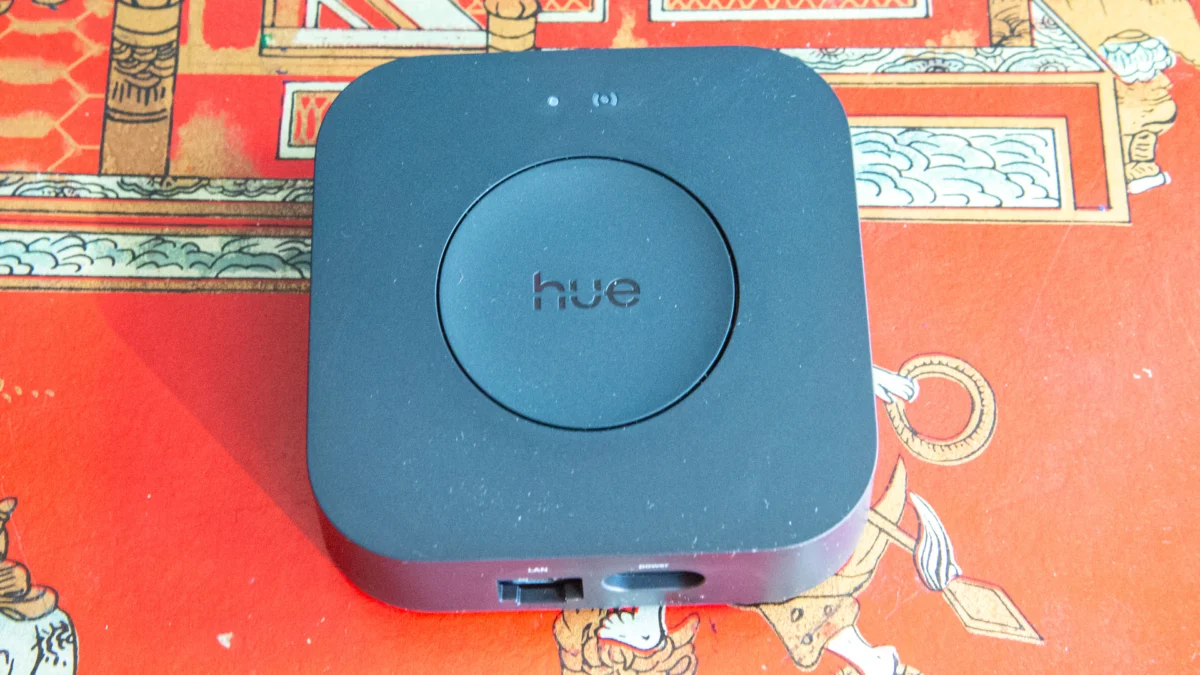
A recent software update for Philips Hue Bridge Pro devices, identified by version number 2071353020, has unfortunately rendered a number of these smart home hubs inoperable, a phenomenon commonly referred to as "bricking." In response to the widespread reports and the significant disruption this has caused to users’ smart home ecosystems, Philips Hue has pledged to replace every affected unit free of charge, irrespective of the device’s warranty status. This proactive and customer-centric approach aims to mitigate the frustration and financial burden on consumers impacted by this unforeseen technical issue.
The problematic firmware update, which rolled out in late June, was intended to introduce minor operational enhancements to the Bridge Pro, rather than any groundbreaking new features. However, instead of delivering the promised improvements, a subset of Bridge Pro devices became entirely unresponsive after the update. Reports of these malfunctions began to surface publicly within days of the update’s wider distribution across various geographical regions, indicating a swift and widespread impact on affected users.
The Philips Hue Bridge Pro plays a pivotal role in the brand’s sophisticated smart lighting system. It acts as the central nervous system for a household’s connected lighting, controlling not only individual bulbs but also intricate sensors and complex automation routines that govern the ambiance and functionality of a smart home. Consequently, the failure of this central hub has the potential to disrupt entire smart home setups, leaving users without control over their lighting, security sensors, and automated schedules.
Chronology of the Issue
The timeline of this issue points to a specific confluence of user behavior and the update mechanism as the primary trigger for the widespread failures. The problematic update, version 2071353020, began its rollout in late June. According to a statement provided to Ars Technica, Philips Hue elaborated on the specific circumstances that led to the bricking. The company indicated that the bug primarily affected devices where owners had previously disabled automatic updates and consequently remained on an older firmware version for an extended period.
These users, having opted out of automatic updates, then proceeded to manually initiate the installation of the problematic firmware. The critical factor appears to be the timing of this manual update. The issue was triggered when these manual installations occurred more than ten days after the update had initially been downloaded onto the Bridge. This timeframe exceeded what Philips Hue considers the "normal installation window," suggesting that a delay in applying an update that had already partially integrated with the device’s system led to the critical failure.
Scope of the Problem and Official Response
While the exact number of affected devices is still being compiled as reports continue to come in, Philips Hue stated that fewer than 100 Bridge Pro units have been impacted globally. Despite this relatively small number in the context of Philips Hue’s vast user base, each instance represents a significant inconvenience and disruption for the individual owner. The sudden loss of a fully functional smart home hub, particularly one controlling essential aspects of home comfort and security, is a considerable setback.
In a move that has been widely commended by the smart home community, Philips Hue has committed to replacing every affected Bridge Pro device at no cost. This policy extends to all users, regardless of whether their device was still under its original manufacturer’s warranty. This decision demonstrates a strong commitment to customer satisfaction and reinforces the company’s dedication to supporting its hardware, even in the face of unexpected software-related failures.
Community Reactions and Broader Implications
The announcement of Philips Hue’s replacement policy has been met with significant praise on online forums and social media platforms, particularly on Reddit. Several threads dedicated to smart home technology have highlighted the company’s swift and generous response as a benchmark for how manufacturers should handle hardware failures. Users have lauded Philips Hue for "standing behind its hardware without hesitation or extra cost," a sentiment that resonates deeply within communities that invest heavily in connected home technology. This positive reception can foster long-term customer loyalty and reinforce the brand’s reputation for reliability and customer care.
However, even with free replacements, the process is not entirely frictionless for the affected owners. Replacing a bricked Bridge Pro necessitates a complete reconfiguration of the smart home setup. This includes re-establishing connections with all Hue lights, recreating custom scenes, and reprogramming automation routines. While the hardware is provided free of charge, the time and effort required for this re-setup represent an added burden for users who were already experiencing the inconvenience of a non-functional system. This aspect underscores the importance of robust testing protocols for firmware updates to prevent such disruptions in the first place.
Preventative Measures and Future Outlook
Philips Hue has also provided specific guidance for users who may be at risk. The company strongly recommends that owners who have deliberately delayed installing software updates and suspect their Bridge Pro might be vulnerable should contact Philips Hue customer support directly before attempting any manual firmware updates. This advisory aims to prevent further instances of bricking by offering direct assistance and ensuring that any manual update is performed under optimal conditions or with appropriate precautions.
The company has not yet provided a specific timeline for the rollout of these free replacement units. However, they have affirmed that they are actively processing affected cases as new reports emerge. This ongoing commitment to resolving the issue suggests that Philips Hue is taking a thorough and systematic approach to address all impacted customers.
The incident serves as a potent reminder of the complexities inherent in smart home technology. While these systems offer unparalleled convenience and control, they are also susceptible to vulnerabilities that can arise from software updates, network issues, or compatibility challenges. For Philips Hue, this event highlights the critical importance of rigorous quality assurance for firmware updates, particularly for core components like the Bridge. The company’s response, however, in offering unconditional replacements, mitigates the negative impact and demonstrates a mature approach to problem resolution, ultimately aiming to preserve user trust and brand loyalty in the competitive smart home market. As the smart home landscape continues to evolve, such incidents and the responses to them will shape consumer perceptions of reliability and manufacturer accountability. The relatively low number of affected devices, while still problematic for those involved, allows Philips Hue to address the situation comprehensively, potentially emerging with an even stronger reputation for customer support. The ongoing processing of claims and the clear communication regarding preventative measures will be key in fully resolving this issue and reassuring users about the stability of the Philips Hue ecosystem.

